Cedar smells lovely to us, warm, woodsy, fresh. So you might wonder if your cat enjoys it too, or whether that cedar chest, closet block, or pet bedding is safe to have around.
The short version: cats generally aren’t fans, and some forms of cedar are genuinely risky. Here’s how to keep it safe.
- Most cats dislike cedar’s strong scent, which is why it’s sometimes used as a cat deterrent.
- Cedar essential oil is toxic to cats; they lack the liver enzymes to process its phenol compounds.
- Cedar shavings and sawdust can irritate a cat’s sensitive respiratory tract.
- Solid, sealed cedar wood (like furniture) is generally low-risk if your cat isn’t chewing it.
- If your cat ingests cedar oil or shows breathing trouble, drooling, or vomiting, contact a vet immediately.
Do cats like the smell of cedar?
Most cats do not like the smell of cedar. Its potent, sharp aroma tends to put cats off, which is exactly why cedar is sometimes recommended as a natural way to keep cats away from certain spots. A few cats may be indifferent, but “cats love cedar” isn’t the norm, if anything, the scent is a mild repellent to them.
Is cedar safe for cats?
It depends entirely on the form. Solid, sealed cedar wood, like a cedar chest or dresser, poses little risk as long as your cat isn’t gnawing it. The problems come from concentrated or airborne forms: essential oils, fresh shavings, and fine dust. So “is cedar safe?” has different answers for a piece of furniture versus a diffuser or a bag of shavings.
Why is cedar essential oil dangerous for cats?
Cedar essential oil is toxic to cats because they can’t safely metabolize the phenols and other compounds it contains. Cats lack certain liver enzymes (glucuronyl transferases) needed to break these down, so the compounds can build up and cause harm. Cedarwood oil in diffusers, sprays, or applied products can lead to drooling, vomiting, wobbliness, breathing trouble, or worse.

This is the same reason many essential oils are risky around cats, a hazard we cover in do cats like lavender. Never apply essential oils to a cat or diffuse them heavily in a closed room. If exposure happens, the ASPCA Animal Poison Control Center can advise.
What about cedar shavings and cedar litter?
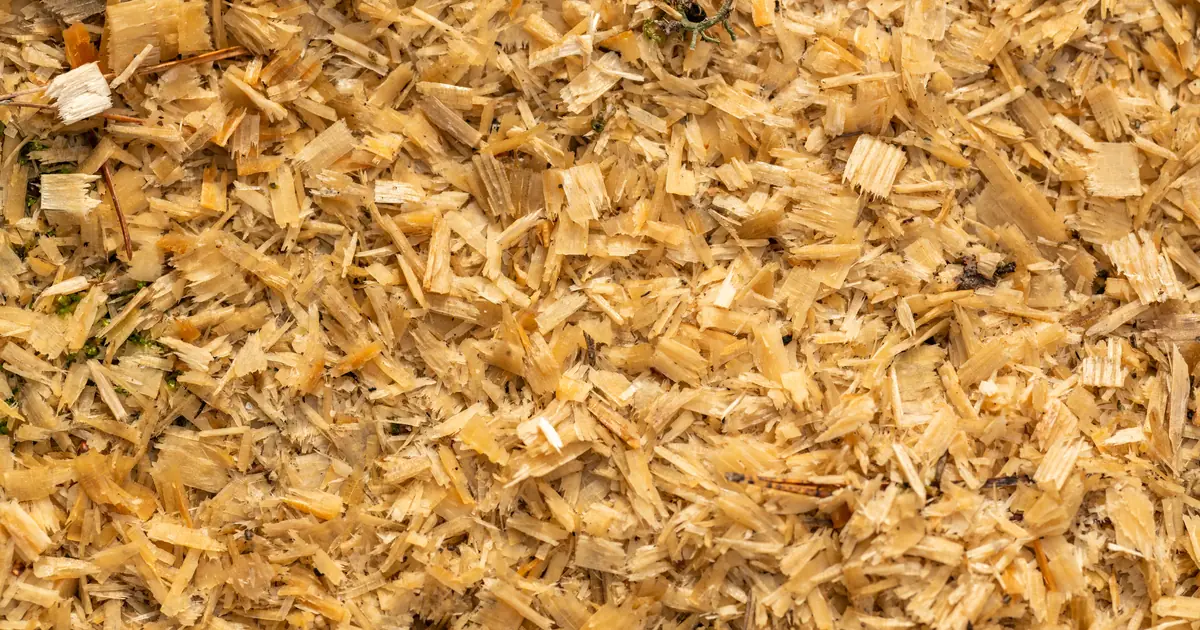
Cedar shavings and cedar-based litter are a mixed bag, and worth caution. The natural oils and aromatic dust that make cedar smell strong can irritate a cat’s sensitive respiratory system, especially in kittens, seniors, or cats with asthma. Fine dust may also bother the eyes and airways. Kiln-dried, low-dust products are lower risk, but many cat owners avoid cedar bedding and litter for these reasons.
| Cedar form | Risk to cats |
|---|---|
| Sealed cedar furniture | Low, if not chewed |
| Cedar shavings / bedding | Moderate, dust and oils can irritate airways |
| Cedar essential oil / diffuser | High, toxic to cats |
| Cedar sprays applied to cat | High, never apply |
Should you use cedar around your cat?
Keep cedar simple and low-concentration around cats. Sealed cedar furniture is fine; skip cedar essential oils and diffusers entirely, and be cautious with cedar shavings or litter, especially for cats with breathing issues. If you’re using cedar to deter a cat from an area, there are gentler options than strong scents, and the same “cats dislike strong smells” principle applies to things like incense, which we discuss in are incense bad for cats. Interestingly, cats react very differently to some plants in the mint family, as we cover in why cats like mint.
When should you see a vet?
Contact a vet right away if your cat ingests cedar oil or shows drooling, vomiting, unsteadiness, or breathing difficulty. These can be signs of essential-oil toxicity, which is an emergency. This article is educational and not a substitute for veterinary care; when in doubt about a toxin, call your vet or a poison control line. The PetMD guide to essential oils and cats is a helpful reference.
Frequently Asked Questions
Q: Do cats hate the smell of cedar?
Most cats dislike cedar’s strong scent, which is why it’s sometimes used to deter them from certain areas. A few cats are indifferent, but cedar is generally off-putting rather than appealing to cats.
Q: Is cedar wood toxic to cats?
Solid, sealed cedar wood is low-risk if your cat doesn’t chew it. The toxic form is cedar essential oil, which cats can’t metabolize. Shavings and dust can also irritate the airways.
Q: Can I use a cedar diffuser or essential oil around my cat?
No. Cedar essential oil is toxic to cats. Avoid diffusing it in your home, applying it to your cat, or using cedar oil sprays where your cat lives. Exposure can cause serious illness.
Q: Is cedar bedding or litter safe for cats?
Use caution. Cedar shavings and litter release aromatic oils and dust that can irritate a cat’s respiratory tract, particularly in kittens, seniors, or asthmatic cats. Many owners choose lower-dust, non-cedar options.
Q: My cat chewed cedar wood, what should I do?
A small nibble of sealed cedar furniture is usually low-risk, but watch for drooling, vomiting, or lethargy. If your cat ingested cedar oil or a large amount, or shows symptoms, call your vet or poison control immediately.
Q: Can cedar be used to repel cats safely?
Cats do tend to avoid cedar’s smell, but relying on strong scents or oils near cats isn’t ideal because of the toxicity and irritation risks. Gentler deterrents and blocking access are safer choices.

Hello and welcome to The Ideal Cat!
We are some passionate cat owners from different professions. We love our cats and have a lot of experience in how to care for our pets. We are incredibly excited to share our knowledge, experience, and research with you. So you can take good care of your loving cat. We will answer most of the common questions about owning cats, taking care of them, etc. If you have any question contact with us. Thanks for visiting! Enjoy the content.
