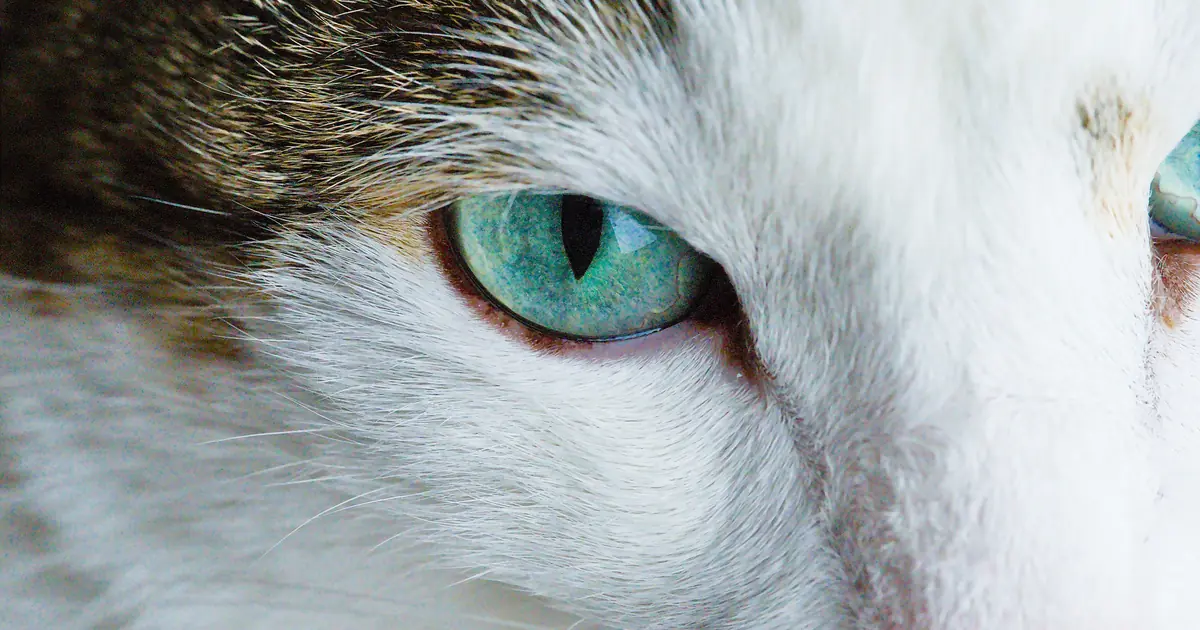
You’re mid-cuddle when you notice it. One of your cat’s eyes looks red, a little squinty, maybe crusty in the corner. The pink rim around the eye looks angrier than usual. Your first thought: is that pink eye? And your second: what do I actually do about it?
Good news first. Feline pink eye is common, treatable, and rarely a true emergency. But it almost always needs a vet, because the right treatment depends entirely on what’s causing it. Here’s how cat pink eye is treated, what’s usually behind it, and the home comfort care that actually helps while you wait for your appointment.
This article is educational and isn’t a substitute for veterinary care. Eyes are delicate, so when in doubt, call your vet.
- Cat pink eye, or conjunctivitis, is inflammation of the conjunctiva, the pink tissue lining the eyelids and covering part of the eye.
- Feline herpesvirus (FHV-1) is the single most common cause, followed by calicivirus, Chlamydia felis, bacteria, and allergies or irritants.
- Treatment depends on the cause: antibiotic or antiviral eye drops, oral antivirals like famciclovir for herpes, or doxycycline for Chlamydia.
- Never put human eye drops, leftover medication, or another pet’s medicine in your cat’s eye. Some are toxic and can make things worse.
- Most mild cases clear in 7 to 14 days, but sudden severe pain, a cloudy eye, or no improvement means see a vet fast.
What is cat pink eye (conjunctivitis)?
Cat pink eye, known medically as conjunctivitis, is inflammation of the conjunctiva. The conjunctiva is the thin pink tissue that lines the inside of the eyelids and covers the white part of the eye. When it gets irritated or infected, it swells, turns red, and often weeps discharge. That’s the “pink” you’re seeing.
Conjunctivitis is the most common eye problem in cats, per VCA Animal Hospitals. It can affect one eye or both, and it ranges from a mild, watery annoyance to a red, swollen, gunky mess. It’s a symptom, not a diagnosis on its own, which is why treatment starts with figuring out the underlying cause.
What are the signs of pink eye in cats?
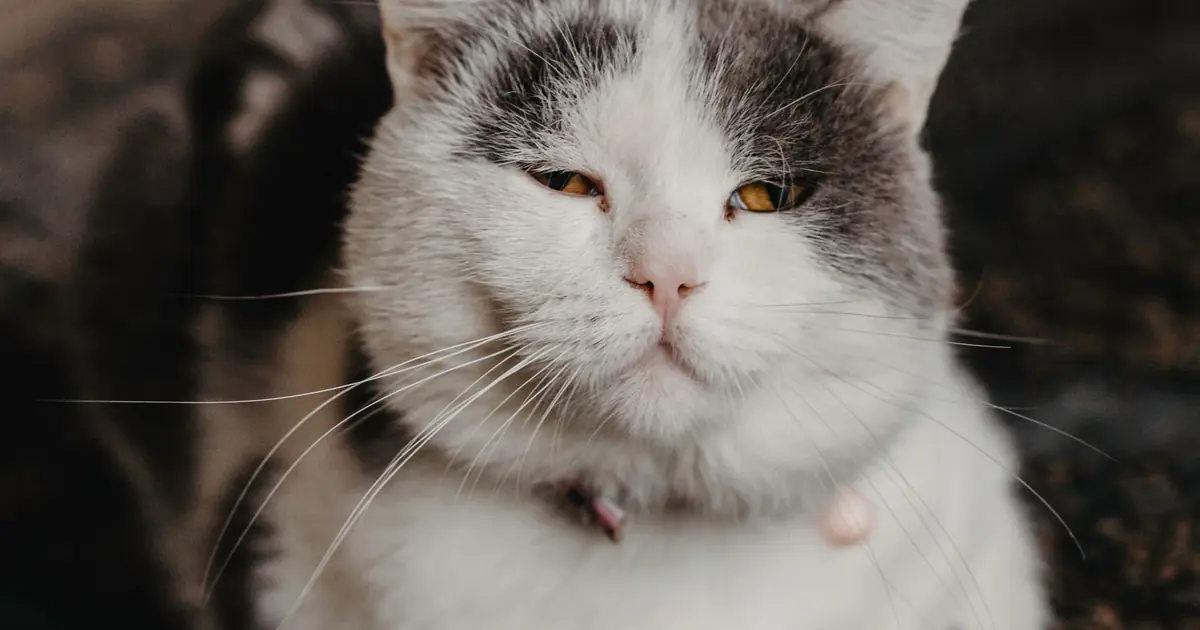
The signs of cat pink eye center on a red, irritated, watery eye. You might notice one symptom or several, and they can come on fast or build over a few days. If your cat also has crusty eye boogers that keep coming back, conjunctivitis is a likely reason.
- Redness or swelling of the pink tissue around the eye
- Squinting, blinking a lot, or holding the eye partly closed
- Watery, clear discharge, or thick yellow-green goop
- A swollen, puffy eyelid
- Pawing or rubbing at the eye
- The third eyelid partly covering the eye
- Sneezing or a runny nose alongside the eye signs
That last one matters. Because herpesvirus is the top cause, eye trouble and upper-respiratory signs often travel together. If your cat’s eyes are watering and they won’t stop sneezing, a single virus is probably behind both.
What causes conjunctivitis in cats?
Feline herpesvirus type 1 (FHV-1) is the most common cause of conjunctivitis in cats, by a wide margin. After that come other infections, plus irritants and allergies. Here’s the full picture, and what each cause typically looks like.
| Cause | What it is | Common clues |
|---|---|---|
| Feline herpesvirus (FHV-1) | The leading viral cause; stays in the body for life and flares with stress | Recurring bouts, sneezing, runny nose, often both eyes |
| Feline calicivirus | Another common respiratory virus that irritates the eyes | Mouth ulcers, drooling, sneezing alongside eye signs |
| Chlamydia felis | A bacterial infection that specifically targets the eyes | Often starts in one eye, thick discharge, common in kittens |
| Other bacteria (Mycoplasma) | Bacterial invaders, often secondary to a virus | Yellow-green pus-like discharge |
| Allergies or irritants | Dust, smoke, pollen, or chemicals inflaming the eye | Both eyes, watery, no infection signs, tied to the environment |
| Foreign body or injury | A grass seed, scratch, or trauma to the eye | Sudden onset in one eye, heavy squinting, obvious pain |
Why herpesvirus is such a repeat offender
Feline herpesvirus is worth understanding because it behaves differently from a one-and-done bug. Once a cat catches FHV-1, the virus stays in their body for life, hiding quietly in the nerves. Stress, illness, or a big life change can wake it up, and the eye flares again. That’s why some cats get pink eye over and over. According to the International Cat Care, most cats are exposed to this virus at some point, and stress management is a real part of keeping flares away.
How do vets diagnose and treat cat pink eye?
Vets treat cat pink eye by identifying the cause and matching the medication to it, which is exactly why guessing at home doesn’t work. The same red eye can need three totally different treatments. The Merck Veterinary Manual notes that pinning down the cause is the key step before any medication goes in.
How the vet diagnoses it
Your vet starts with a full eye exam. Expect a few standard checks:
- A fluorescein stain. A harmless dye that reveals scratches or ulcers on the cornea. This is the big one, because herpes can cause corneal ulcers that change the whole treatment plan.
- A tear test and eye-pressure check. These rule out dry eye and glaucoma, which can look similar.
- Sometimes a lab sample. For stubborn or recurring cases, a swab can test for Chlamydia felis, Mycoplasma, or herpesvirus.
The treatments vets actually use
Treatment is tailored to the cause, and often targets more than one thing at once. Common approaches include:
- Antibiotic eye drops or ointment. These treat bacterial causes like Chlamydia and Mycoplasma, or knock out secondary bacteria riding along with a virus.
- Antiviral eye drops. Medications such as idoxuridine, trifluridine, or cidofovir target herpesvirus directly. Some need to go in several times a day.
- Oral antivirals. For more serious or recurring herpes cases, vets may prescribe oral famciclovir, which works from the inside out.
- Doxycycline. An oral antibiotic that’s a go-to when Chlamydia felis or Mycoplasma is suspected.
- Treating the root cause. If allergies, a foreign body, or an injury is behind it, fixing that comes first.
Most mild cases improve within 7 to 14 days once the right treatment starts. The catch: those eye drops only help if they get in the eye consistently. If your cat turns into a squirming ninja at medication time, our guide on how to give medicine to a cat makes the whole routine calmer.
What about L-lysine? Read this before you buy it
L-lysine is an amino acid supplement long marketed for herpes flares, but the evidence for it is weak and mixed. Some older studies hinted it might ease signs, yet a major systematic review found lysine wasn’t effective at preventing or treating feline herpesvirus, and a few studies even saw worse signs in cats given it. Bottom line: don’t rely on lysine as a treatment. Ask your vet before giving it, and never let it replace prescribed medication.
Can I use human eye drops or leftover meds on my cat?
No. Never put human eye drops, old prescriptions, or another pet’s medicine in your cat’s eye. It’s one of the fastest ways to turn a manageable problem into a serious one.
Here’s why it’s risky. Some human eye products, especially steroid drops and certain redness relievers, can badly damage a cat’s eye if there’s an undiagnosed corneal ulcer, which herpes commonly causes. Steroids on an ulcer can make it worse fast. And leftover antibiotics won’t touch a virus at all. You could waste days while the real problem worsens. The only safe eye medication is one your vet prescribes for this eye, right now, after actually looking at it. This is the same rule that applies to conditions like a cat ear infection, where the wrong product can do real harm.
How do I comfort my cat with pink eye at home?
Gentle home care helps your cat feel better while the prescription does the real work, but it doesn’t replace a vet visit. Think of it as comfort care, not a cure.
- Wipe away discharge gently. Dampen a clean, soft cloth or cotton pad with warm water and wipe from the inner corner outward. Use a fresh section for each eye so you don’t spread infection.
- Keep it warm, not hot. A warm, damp compress held briefly against a crusty eye can soften gunk and soothe irritation.
- Lower the stress. Since herpes flares with stress, keep routines steady, offer cozy hiding spots, and skip big changes while your cat heals.
- Stop the pawing. If your cat keeps rubbing the eye, ask your vet about a soft recovery collar so they don’t cause more damage.
- Give every dose. Finish the full course of prescribed drops, even if the eye looks better after a few days. Stopping early is how infections bounce back.
One thing to skip: don’t rinse the eye with anything but plain warm water unless your vet okays it. No saline solutions with additives, no home remedies, no essential oils. The eye is too sensitive to experiment on.
When is cat pink eye an emergency?
Cat pink eye becomes an emergency when there’s severe pain, a change in the eye’s surface, or no improvement with treatment. A red, watery eye in a bright, comfortable cat can wait a day for a regular appointment. These signs cannot.
Call your vet right away, or head to an emergency clinic, if you see:
- A cloudy, hazy, or blue-tinged eye surface
- Severe squinting, holding the eye clamped shut, or obvious pain
- A visible scratch, ulcer, hole, or divot on the eye
- The eye bulging, sunken, or looking a different size than the other
- Blood in or around the eye
- No improvement after a few days of treatment, or the eye getting worse
- A kitten with a swollen, sealed-shut eye that hasn’t opened yet
These can signal a corneal ulcer or a deeper problem, and eyes don’t give you much time to waste. With your cat’s vision, sooner is always safer.
How can I prevent conjunctivitis in cats?
You can’t prevent every case, but you can seriously cut the odds and the flare-ups. The two biggest levers are vaccines and stress.
- Keep vaccines current. The core FVRCP vaccine helps protect against herpesvirus and calicivirus. It won’t erase an existing infection, but it lowers severity and spread.
- Manage stress. For herpes-prone cats, a calm, predictable home is real medicine. Steady routines, safe hiding spots, and slow introductions all help.
- Isolate sick cats. In a multi-cat home, these infections spread easily. Separate the affected cat, and wash your hands after handling them.
- Keep eyes clean. Wipe away discharge before it crusts, and keep the environment low on dust and smoke.
- Treat flares early. The faster you address a recurring herpes eye, the milder it tends to stay.
Worth knowing: a few causes of cat conjunctivitis, like Chlamydia felis, can rarely pass to people. It’s uncommon, but good hand-washing matters. We cover the real risk in our guide on whether you can catch pink eye from a cat.
Cat pink eye treatment FAQ
Q: How long does cat pink eye take to heal?
Most mild cases of cat conjunctivitis improve within 7 to 14 days once the right treatment starts. Herpes-related cases can linger or recur, and mild viral flares sometimes clear on their own in 2 to 3 weeks. If there’s no improvement in a few days, call your vet.
Q: Can cat pink eye go away on its own?
Mild viral conjunctivitis in an otherwise healthy cat sometimes clears on its own in a couple of weeks. But because pink eye can mask a corneal ulcer or bacterial infection, it’s safest to have a vet check it rather than wait and hope.
Q: What can I put in my cat’s eye for pink eye at home?
Only plain warm water on a clean cloth to gently wipe away discharge. Never use human eye drops, leftover antibiotics, saline with additives, or home remedies. The only safe medication is one your vet prescribes after examining the eye.
Q: Is cat conjunctivitis contagious to other cats or people?
Yes to other cats. Herpesvirus, calicivirus, and Chlamydia felis spread easily between cats, so isolate the sick one. Passing it to people is rare, but Chlamydia felis can occasionally cause human eye irritation, so wash your hands after handling your cat.
Q: Does my cat need antibiotics for pink eye?
Not always. Antibiotics treat bacterial causes like Chlamydia or secondary infections, but they do nothing against a virus like herpes. That’s why a vet diagnosis matters: the treatment depends entirely on the cause.
Q: Why does my cat keep getting pink eye?
Recurring pink eye usually points to feline herpesvirus, which stays in the body for life and reactivates during stress or illness. Managing stress, keeping vaccines current, and treating flares early all help reduce how often it comes back.
Q: Does L-lysine help cats with conjunctivitis?
Probably not. The evidence is weak and mixed, and a major systematic review found lysine wasn’t effective for feline herpesvirus, with some cats faring worse on it. Don’t rely on it, and ask your vet before giving any supplement.
Q: Can I give my cat human pink eye drops like Visine?
No. Human drops such as redness relievers and steroid drops can seriously harm a cat’s eye, especially if there’s an undiagnosed ulcer. Only ever use a medication your veterinarian prescribes for your cat’s specific eye.
The takeaway: cat pink eye is common and very treatable, but the fix depends on the cause, and herpesvirus tops the list. Get it diagnosed, use only vet-prescribed drops, keep the eye clean, and lower your cat’s stress. Do that, and most cases clear up within a week or two, with your cat back to their usual bright-eyed self.

Hello and welcome to The Ideal Cat!
We are some passionate cat owners from different professions. We love our cats and have a lot of experience in how to care for our pets. We are incredibly excited to share our knowledge, experience, and research with you. So you can take good care of your loving cat. We will answer most of the common questions about owning cats, taking care of them, etc. If you have any question contact with us. Thanks for visiting! Enjoy the content.
