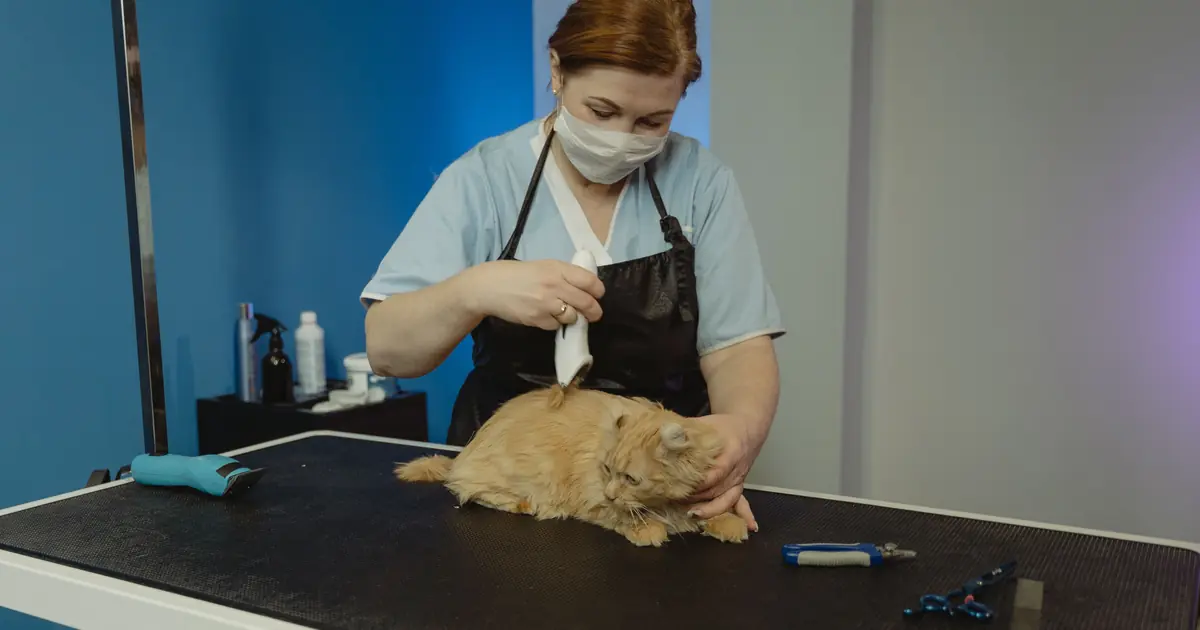
Picture the scene. Your sweet, purring lap cat turns into a hissing, swatting tornado the second the vet tech reaches into the carrier. You want to sink into the floor. You apologize. You wonder if the whole clinic secretly hates you.
Here’s the thing about how vets deal with aggressive cats: they’ve seen it a thousand times, and they have a real playbook for it. Modern clinics don’t fight back or “dominate” a cranky cat. They slow down, keep things quiet, and use gentle handling tricks and, when needed, safe calming medication so the exam actually gets done. Your grumpy cat is not the villain of their day. They’re kind of a Tuesday.
- Most vet aggression in cats is fear, not meanness, so vets treat it with calm, low-stress handling instead of force.
- Common techniques include a quiet room, minimal restraint, towel wraps, gauntlet gloves, and examining the cat in the bottom half of its carrier.
- Pre-visit gabapentin is often prescribed at 50 to 100 mg per cat, given about 2 to 3 hours before the appointment, to take the edge off.
- For very anxious or aggressive cats, vets use safe in-clinic sedation so exams and bloodwork can happen without anyone getting hurt.
- Vets also hunt for a medical cause, since pain or illness is a common hidden driver of sudden aggression.
Why do cats get aggressive at the vet in the first place?
Cats get aggressive at the vet almost always because they’re scared, not because they’re mean. A vet clinic is a nightmare sensory combo for a cat: strange smells, other animals, a bouncing car ride, and hands touching parts they’d rather guard. Fear is the number one cause of aggression that vets see in the exam room.
Understanding this changes everything about how the visit goes. A frightened cat isn’t trying to win a fight. It’s trying to make the scary thing stop. So a good vet’s whole approach is built around lowering that fear instead of overpowering it. If your cat has started lashing out more at home too, it’s worth reading up on why a cat becomes suddenly aggressive, because the trigger there and at the clinic often overlap.
How do vets actually handle an aggressive cat?
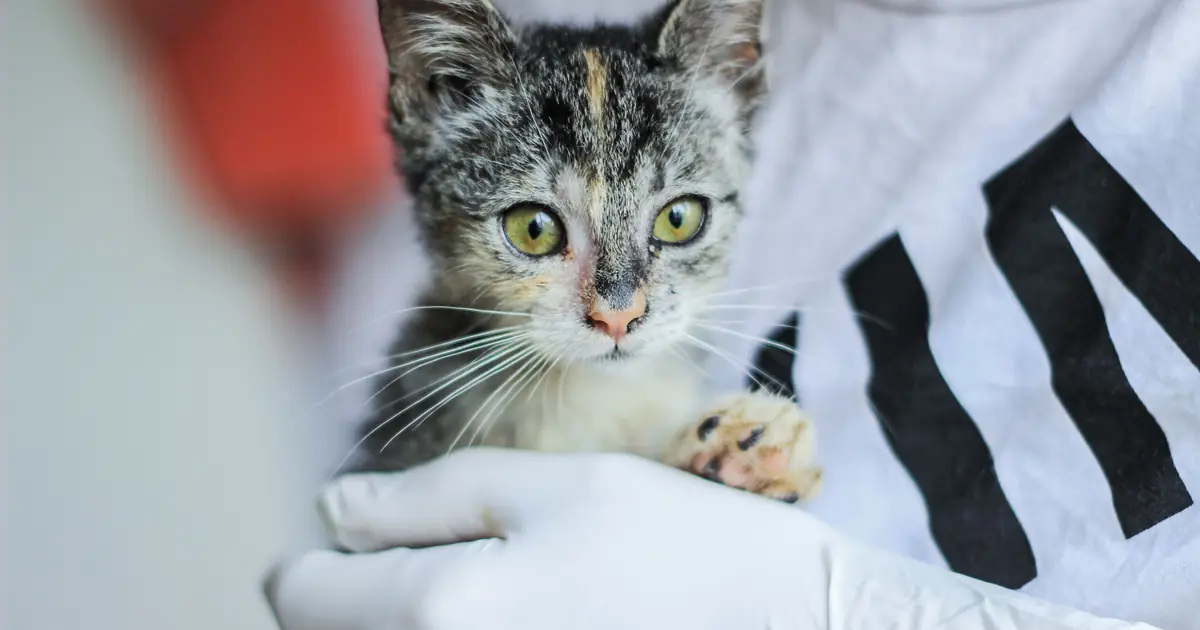
Vets handle aggressive cats with low-stress or “Fear Free” methods, a trained approach that swaps heavy restraint for patience and clever positioning. The goal is a cat that feels hidden and safe enough to tolerate the exam, not pinned down. Groups like the Cat Friendly practice program and Fear Free certification train clinics in exactly this.
Here are the tools and tricks a modern clinic reaches for:
- A quiet, calm room. Many clinics use a separate cat-only room away from barking dogs, with dim lights and few people.
- Minimal restraint. Scruffing and “squashing” a cat usually makes fear worse. Vets are trained to use less restraint than you’d expect, giving the cat some sense of control.
- The towel wrap (the “kitty burrito”). A towel gently laid over the cat, arms tucked in, helps it feel hidden. Done right, it’s cozy, not a tight straitjacket.
- Gauntlet gloves. For a serious scratcher, thick padded gloves protect staff so they can keep working calmly instead of flinching.
- Carrier-bottom exams. If your cat won’t leave the carrier, the vet often just unscrews or unzips the top and examines your cat right where it feels safe.
- Pheromones and treats. Calming feline pheromone sprays and high-value snacks help some cats relax and associate handling with good things.
- Reading body language. Vets watch for flattened ears, a lashing tail, and dilated pupils, then pause and adjust before the cat tips over into a full swat.
Notice what’s missing: anger, punishment, and brute force. A skilled vet treats a hissy cat as a puzzle to solve gently, not a battle to win. Reading your cat’s body language yourself helps you spot the same warning signs at home.
What role do calming meds and sedation play?
Calming medication is one of the biggest tools vets use for aggressive or terrified cats, and it’s given before things get physical, not after. The star of the show is gabapentin, a mild anti-anxiety and pain medication that takes the edge off without knocking your cat out cold.
For a stressful vet visit, vets commonly prescribe gabapentin at around 50 to 100 mg per cat (some cats need up to about 200 mg), given roughly 2 to 3 hours before the appointment. You give it at home, so your cat arrives already mellow. The effects usually wear off within 8 to 12 hours. Your vet sets the exact dose based on your cat’s weight and health, so never guess or dose on your own.
When pre-visit meds aren’t enough, or when a cat is too aggressive to safely examine, vets turn to in-clinic sedation. A short-acting injectable sedative lets the team do a full exam, draw blood, trim nails, or take x-rays without anyone (cat or human) getting hurt. It sounds dramatic, but it’s often the kindest option: a few minutes of sleep beats a terrifying wrestling match. Sedation is a safety and welfare tool, not a punishment.
| Approach | When vets use it | What it looks like |
|---|---|---|
| Low-stress handling | Every cat, first line | Quiet room, towel wrap, minimal restraint, treats |
| Pre-visit gabapentin | Cats with a history of fear or aggression | Given at home, ~2 to 3 hours before the visit |
| In-clinic sedation | Very aggressive or unsafe-to-handle cats | Short injectable sedation for the exam or procedure |
Why do vets check for a medical cause behind the aggression?
Vets look for a medical cause because pain and illness are common hidden reasons a cat lashes out. A cat that suddenly bites when you touch its back might have arthritis. One that hisses when its belly is handled could have a sore tummy or dental pain. Aggression is often a symptom, not just a personality.
So part of dealing with an aggressive cat is detective work. Your vet may check for arthritis, dental disease, hyperthyroidism, or urinary pain. The Cornell Feline Health Center notes pain and illness are frequent drivers of feline aggression. Treating the real problem often calms the behavior better than any handling trick.
This is educational content, not medical advice. If your cat’s aggression is new, sudden, or getting worse, see your vet so they can rule out pain or an underlying illness.
How can you make the vet visit easier for your cat?
You can make a huge difference before you ever leave the house, and vets genuinely appreciate the help. The biggest win is a calmer cat walking through the door. A little prep beats a lot of drama.
- Tell the clinic in advance. Say “my cat gets scared and may bite” when you book. They’ll plan extra time, prep the quiet room, and maybe suggest pre-visit meds.
- Ask about pre-visit gabapentin. If your cat has a history of aggression, ask whether calming medication makes sense before the appointment.
- Train the carrier. Leave the carrier out at home with treats and a familiar blanket so it stops being a trap. A good cat carrier that opens from the top makes carrier-bottom exams easy.
- Bring a worn shirt or familiar blanket. Your scent inside the carrier is a portable security blanket.
- Stay calm yourself. Cats read your stress. A steady voice and slow movements help more than you’d think, and calming a scared cat starts with your own energy.
All of this keeps two groups safe: your cat, and the humans caring for it. And if you’re ever worried a vet might refuse care or worse over behavior, the reassuring reality is covered in our piece on whether a vet will put down an aggressive cat. Short version: handling and meds solve the vast majority of cases. For more gentle-handling tips, International Cat Care has great owner guides too.
One last thing: don’t take it personally if the vet reaches for a towel, gloves, or sedation. Those aren’t signs of failure. They’re signs of a clinic that knows exactly how to deal with an aggressive cat, safely and kindly.
Frequently Asked Questions
Q: Do vets get angry at aggressive cats?
No, vets don’t get angry at aggressive cats. They understand that aggression at the clinic is almost always fear, not bad behavior. Vet teams see scared, swatting cats constantly and have trained handling methods to work with them calmly.
Q: What sedative do vets give aggressive cats?
Vets often prescribe gabapentin as a mild pre-visit calming medication, typically 50 to 100 mg per cat given 2 to 3 hours before the appointment. For cats too aggressive to handle safely, vets use short-acting injectable sedatives in the clinic so exams and procedures can be done without harm.
Q: Can a vet examine a cat that won’t come out of the carrier?
Yes. Vets often examine a cat in the bottom half of its carrier by removing the top. Letting a cat stay where it feels hidden reduces fear and makes the exam safer and calmer for everyone.
Q: Will a vet refuse to treat an aggressive cat?
Rarely. Most vets can handle aggressive cats using low-stress techniques, calming medication, or sedation. Telling the clinic in advance helps them prepare, so cases where a vet cannot help at all are uncommon.
Q: How much gabapentin do you give a cat before the vet?
Vets commonly prescribe 50 to 100 mg of gabapentin per cat, with some cats needing up to about 200 mg, given roughly 2 to 3 hours before the visit. The exact dose depends on your cat’s weight and health, so your vet should always set it.
Q: Is it safe to sedate a cat for a vet visit?
Yes, sedation for a vet visit is generally safe when a veterinarian manages it. For a very aggressive or terrified cat, short-acting sedation is often the kindest and safest option, letting the exam happen without stress or injury.
Q: Can pain make my cat aggressive at the vet?
Yes, pain is a common cause of aggression in cats. Arthritis, dental disease, and abdominal pain can all make a cat lash out when touched. This is why vets check for medical causes behind sudden or worsening aggression.
Q: How do I stop my cat from being scared at the vet?
Leave the carrier out at home with treats, add a blanket that smells familiar, choose a cat-friendly clinic, and ask about pre-visit gabapentin. Staying calm yourself and telling the clinic about your cat’s fear ahead of time also helps a lot.

Hello and welcome to The Ideal Cat!
We are some passionate cat owners from different professions. We love our cats and have a lot of experience in how to care for our pets. We are incredibly excited to share our knowledge, experience, and research with you. So you can take good care of your loving cat. We will answer most of the common questions about owning cats, taking care of them, etc. If you have any question contact with us. Thanks for visiting! Enjoy the content.
