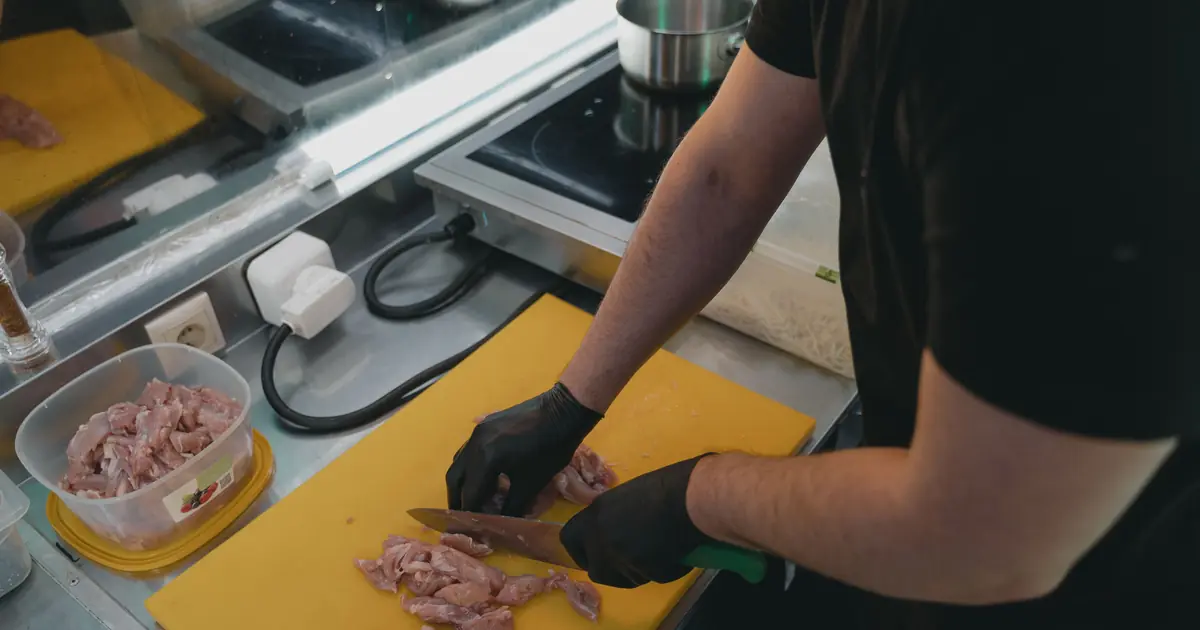
If you’ve ever stood in the pet food aisle squinting at an ingredient label and thought, “I could just make this myself,” you’re not alone. Lots of loving cat parents want fresher, simpler food for their cats. The good news is you can make homemade cat food, and simpler homemade cat treats are an easier place to start. The part nobody tells you up front: doing it safely takes a bit more than a chicken breast and good intentions.
Here’s the thing. Cats are not tiny dogs and definitely not tiny people. They need specific nutrients in exact amounts, and a few of those nutrients are easy to get dangerously wrong at home, which is where cat vitamins and vet-formulated premixes come in. So let’s walk through how to make homemade cat food the right way, the way a veterinarian would actually sign off on.
- Homemade cat food must be formulated by a veterinarian or veterinary nutritionist to be complete and balanced; recipes pulled from blogs and books usually are not.
- A 2019 study in the Journal of the American Veterinary Medical Association evaluated 114 home-prepared cat food recipes, and of the 94 with enough detail to analyze, none met all essential nutrient allowances for adult cats.
- Cats are obligate carnivores that cannot make their own taurine, vitamin A, or arachidonic acid, so these must come from the diet in correct amounts.
- Taurine deficiency in cats can cause dilated cardiomyopathy (a serious heart disease) and irreversible blindness, and the early damage is often silent.
- The CDC, FDA, and AVMA all advise against raw meat diets for cats because of bacterial risk to both the cat and the people in the home.
A quick, friendly note before we start: this article is educational, not a substitute for veterinary advice. Cat nutrition sits squarely in “your cat’s health depends on getting this right” territory, so please loop in your own vet before you switch your cat’s diet.
Can you safely make your own cat food at home?
Yes, you can safely make your own cat food at home, but only if the recipe is formulated by a veterinarian or a board-certified veterinary nutritionist and includes a complete supplement premix. The danger with homemade cat food isn’t cooking. It’s nutritional balance.
This is where most DIY attempts quietly go wrong. In a 2019 study published in the Journal of the American Veterinary Medical Association, researchers at UC Davis evaluated 114 recipes for home-prepared cat meals from books and websites. Of the 94 recipes with enough detail to fully analyze, not one met all the essential nutrient allowances recommended for adult cats. Recipes written by non-veterinarians, and ones that skipped supplements, were the worst offenders.
So when a recipe looks “healthy and natural,” that tells you nothing about whether it’s complete. A homemade meal can be made from gorgeous human-grade chicken and still leave your cat short on taurine, calcium, or vitamin E. That’s the gap this guide is here to close.
Why is balanced homemade cat food so hard to get right?
Balanced homemade cat food is hard to get right because cats are obligate carnivores with strict, unusual nutrient needs, and several of those nutrients can’t be made by the cat’s body. Cats rely on at least 45 essential nutrients, and a handful of them are easy to under-supply at home.
An obligate carnivore is an animal whose body is built to run on nutrients found in animal tissue. Cats can’t efficiently make certain compounds that dogs and humans produce on their own. Miss one of these, and the consequences can be severe.
Here are the nutrients that cause the most trouble in homemade diets, and why each one matters.
| Nutrient | Why cats need it | What deficiency or imbalance can cause |
|---|---|---|
| Taurine | An amino acid cats cannot make themselves; found in animal muscle and organ meat. | Dilated cardiomyopathy (heart failure) and central retinal degeneration leading to blindness. |
| Vitamin A (retinol) | Cats cannot convert beta-carotene from plants into vitamin A, so they need preformed retinol from animal sources. | Vision problems and skin and coat issues; too much, often from excess liver, causes painful bone changes. |
| Arachidonic acid | An essential fatty acid cats cannot make in sufficient amounts from plant oils. | Poor skin, coat, and reproductive health. |
| Calcium and phosphorus | Needed in the right ratio for bones and many body functions; muscle meat is low in calcium. | Weak, brittle bones and skeletal problems, especially in all-meat homemade diets. |
| Vitamin E and B vitamins | Support cell health, nerves, and metabolism; B vitamins are easily lost during cooking. | Neurological signs, weakness, and poor overall condition. |
| Niacin | Cats convert very little dietary tryptophan into niacin, so they depend on a direct food source. | Appetite loss, weight loss, and other deficiency signs. |
You can see the problem. Even a beautiful plate of chicken can be missing several of these at once. That’s why “just add a taurine pill” isn’t a real fix, and why balance has to be engineered, not guessed.
What ingredients go into healthy homemade cat food?
Healthy homemade cat food is built around animal protein and organ meat, with added fat, a calcium source, and a complete vitamin and mineral premix. The exact amounts should come from a vet-formulated recipe, not eyeballed.
A typical balanced homemade cat food recipe includes these building blocks:
- Muscle meat: Chicken thigh, turkey, or rabbit usually make up most of the recipe. Thigh meat adds helpful fat.
- Organ meat: Liver and heart deliver taurine, vitamin A, and other nutrients. Heart is one of the richest natural taurine sources.
- A fat source: Often fish oil, which supplies omega-3 fatty acids.
- A calcium source: Ground eggshell or a calcium supplement balances the high phosphorus in meat.
- A complete supplement premix: A product like BalanceIT or a vet-prescribed blend fills the remaining vitamin and mineral gaps.
- Water or broth: Cats get much of their hydration from food, so moisture matters.
Notice what is doing the heavy lifting: the premix. Without a complete supplement, the rest of the ingredients can still leave gaps no amount of “good meat” will close.
One safety note on ingredients. Skip onion, garlic, chives, and leeks entirely, since these are toxic to cats. Go easy on liver too, because too much vitamin A from liver can harm bones over time. Your formulated recipe will tell you exactly how much liver is safe.
How do you get a complete and balanced recipe?
You get a complete and balanced homemade cat food recipe by working with a board-certified veterinary nutritionist or by using a recipe service designed and overseen by veterinary nutritionists. This is the single most important step, and it’s the one most online recipes skip.
Here are the trustworthy routes, from most tailored to most accessible:
- Book a board-certified veterinary nutritionist (DACVN). These are veterinarians with advanced specialty training in nutrition. You can find one through the American College of Veterinary Nutrition (ACVN) or a consult service like Petdiets. They build a recipe around your individual cat’s age, weight, and health.
- Use BalanceIT.com. BalanceIT is a service created by veterinary nutritionists that generates home recipes paired with a matching supplement to make the meal complete. It’s a popular, vet-recommended starting point.
- Ask your regular vet first. Your vet may formulate a basic recipe or, more often, refer you to one of the options above. Always start the conversation here, especially if your cat has any health condition.
If your cat has kidney disease, diabetes, food allergies, or any chronic illness, a custom recipe from a veterinary nutritionist isn’t a nice-to-have. It’s the safe path, because a therapeutic diet has to be precise.
How do you make homemade cat food step by step?
Once you have a vet-formulated recipe in hand, making homemade cat food is mostly careful prep and clean handling. The steps below assume your recipe and supplement amounts are already set by a professional.
- Gather your exact ingredients and a kitchen scale. Weigh ingredients in grams. Cat nutrition is about precise amounts, so measuring by eye won’t cut it.
- Cook the meat gently and fully. Lightly cook muscle meat and organ meat until done. Don’t add salt, onion, garlic, or seasoning. Cooking kills harmful bacteria, which matters for both your cat and your household.
- Let it cool before adding supplements. Heat destroys some vitamins, especially certain B vitamins and taurine. Adding your premix and supplements after the food cools protects them.
- Grind or finely chop, then mix thoroughly. Blend the meat, organs, fat source, calcium, and premix into an even mixture so every bite has the full nutrient profile.
- Portion into meal-sized servings. Use your vet’s feeding amount for your cat’s weight. Portioning now makes daily feeding easy and consistent.
- Refrigerate what you’ll use soon and freeze the rest. Store a few days’ worth in the fridge and freeze the rest for later.
- Transition slowly over 7 to 10 days. Mix a little new food into the current food and increase it gradually. A slow switch helps avoid stomach upset and food refusal.
Take your time on that last step. Cats can be famously suspicious of new textures, and a rushed switch often ends with a hungry cat and a frustrated human.
Is raw or cooked homemade cat food safer?
Cooked homemade cat food is safer than raw for most households, because cooking kills bacteria like Salmonella and E. coli that raw meat can carry. The CDC, the FDA, and the American Veterinary Medical Association all advise against feeding raw meat diets to cats.
The pull toward raw is understandable, since it feels “natural.” The trouble is contamination. About 1 in 4 raw pet food samples carried Salmonella or Listeria in an FDA study of 196 samples, and a 2025 analysis from Cornell detected dangerous pathogens in commercial raw cat foods that weren’t present in cooked ones. Cats can also shed these bacteria in their stool without looking sick, which puts kids, older adults, and immune-compromised people in the home at risk.
Here’s a clear side-by-side.
| Factor | Cooked homemade | Raw homemade |
|---|---|---|
| Bacterial safety | Cooking kills Salmonella, E. coli, and similar pathogens. | Higher risk of bacterial contamination for the cat and the household. |
| Nutrient retention | Some heat-sensitive nutrients are reduced, which the supplement premix replaces. | Retains heat-sensitive nutrients, but balance still requires supplements. |
| Official guidance | Generally supported as the safer home option. | Advised against by the CDC, FDA, and AVMA. |
| Best for | Most cats, especially homes with kids, seniors, or anyone immune-compromised. | Not recommended without serious safety planning and vet oversight. |
If you still want to explore raw feeding, talk it through with your veterinarian first and weigh it honestly against your household’s health. For most families, gently cooked plus a complete premix is the sweet spot of safe and balanced.
Is homemade cat food cheaper than store-bought?
Homemade cat food is not reliably cheaper than store-bought, and it often costs more once you add quality meat, organ meat, supplements, and your time. The real payoff of going homemade is control over ingredients, not saving money.
When you tally fresh muscle meat, liver and heart, fish oil, a calcium source, and a complete premix, the per-meal cost frequently lands near or above a good commercial diet. Then there’s the time spent shopping, weighing, cooking, and storing. If budget is your only reason for switching, a high-quality commercial food may serve you better.
That said, if your goal is knowing exactly what your cat eats, or managing a sensitivity under vet guidance, a properly formulated homemade diet can be worth the effort.
How should you store homemade cat food safely?
Store homemade cat food in airtight containers, keep refrigerated portions for only a few days, and freeze the rest. Throw out any food left at room temperature for more than 2 hours, since bacteria multiply quickly on cooling meat.
A few simple habits keep homemade meals safe:
- Refrigerate: Use within about 3 days. Keep food in sealed containers to limit spoilage and odor.
- Freeze: Portion into single meals and freeze for up to 2 to 3 months for best quality.
- Thaw safely: Move a portion to the fridge overnight rather than leaving it on the counter.
- Serve at body temperature: Cats prefer food around their body temperature, and gentle warming makes it more appealing. Avoid the microwave’s hot spots, or stir well after warming.
- Toss leftovers: Discard uneaten food from the bowl after 2 hours, and wash the bowl daily.
When should you talk to a vet about homemade cat food?
You should talk to a vet before you start homemade cat food, not after. A veterinarian or veterinary nutritionist confirms the recipe is complete, fits your cat’s life stage and health, and is safe to feed long term.
Call your vet promptly if your cat shows any of these red flags after a diet change:
- Lethargy, weakness, or rapid or labored breathing, which can signal heart trouble.
- Vomiting or diarrhea that lasts more than a day, or any blood.
- Bumping into things, cloudy eyes, or other vision changes.
- Loss of appetite for more than 24 hours, which is an emergency in cats and can lead to liver problems.
- Weight loss, a dull coat, or any sudden change in energy or behavior.
Homemade feeding also calls for regular check-ins. Many vets suggest periodic bloodwork to catch any developing deficiency early, while it’s still fixable. Think of your vet as your co-pilot here, not a last resort.
The bottom line on making homemade cat food
Learning how to make homemade cat food can absolutely be a loving, healthy choice, as long as you treat balance as the main event. Start with a recipe from a veterinarian or board-certified veterinary nutritionist, include a complete supplement premix, cook gently for safety, store carefully, and keep your vet in the loop. Do those things, and you give your cat the fresh, controlled diet you wanted without the hidden risks that sink most do-it-yourself recipes.
Frequently Asked Questions About Homemade Cat Food
Q: Is homemade cat food better than store-bought?
Homemade cat food is not automatically better than store-bought. A complete and balanced commercial diet that meets AAFCO standards is safer than an unbalanced homemade one. Homemade food is only “better” when it is properly formulated by a veterinary professional and includes the right supplements.
Q: Can I just add a taurine supplement to homemade cat food?
No, adding only taurine does not make homemade cat food complete. Cats need at least 45 essential nutrients, including vitamin A, arachidonic acid, calcium, and several vitamins that meat alone can’t supply in the right amounts. A complete premix and a vet-formulated recipe are needed for true balance.
Q: What happens if my cat doesn’t get enough taurine?
If a cat doesn’t get enough taurine, it can develop dilated cardiomyopathy, a serious heart disease, and central retinal degeneration that leads to permanent blindness. The early damage is often silent, so it can go unnoticed until it is advanced and irreversible. This is why taurine levels in homemade food must be precise.
Q: Can cats eat homemade food every day?
Cats can eat homemade food every day only if the recipe is complete and balanced, meaning it was formulated by a veterinarian or veterinary nutritionist and includes a supplement premix. Feeding an unbalanced homemade recipe daily can cause nutrient deficiencies over weeks to months.
Q: Is raw homemade cat food safe?
Raw homemade cat food carries real risk, and the CDC, FDA, and AVMA advise against it. Raw meat can carry Salmonella and E. coli that sicken both cats and people in the home. Gently cooked food paired with a complete supplement premix is the safer choice for most households.
Q: How much homemade food should I feed my cat?
The right amount of homemade food depends on your cat’s weight, age, and activity level, so use the portion your vet or formulated recipe specifies. Most adult cats need a calorie amount your veterinarian can calculate, and portions are then adjusted to keep a healthy body condition.
Q: Can I feed my cat only cooked chicken?
No, a cat should not live on plain cooked chicken. Chicken muscle meat lacks enough calcium, taurine, vitamin A, and other nutrients cats need, and an all-chicken diet leads to serious deficiencies over time. Plain chicken is fine as an occasional treat, not a complete meal.
Q: Where can I find a vet-approved homemade cat food recipe?
You can find vet-formulated homemade cat food recipes through BalanceIT.com, which is run by veterinary nutritionists, or by consulting a board-certified veterinary nutritionist via the American College of Veterinary Nutrition or a service like Petdiets. Always confirm the plan with your own vet first.

Hello and welcome to The Ideal Cat!
We are some passionate cat owners from different professions. We love our cats and have a lot of experience in how to care for our pets. We are incredibly excited to share our knowledge, experience, and research with you. So you can take good care of your loving cat. We will answer most of the common questions about owning cats, taking care of them, etc. If you have any question contact with us. Thanks for visiting! Enjoy the content.
)