
You put down a full bowl, your cat eats half, walks away, and returns an hour later. It can feel like your cat is snubbing the food, but leaving some behind is usually just how cats eat.
Here’s why cats graze and don’t clean their plates, and when it’s a red flag.
- Cats are natural grazers, they prefer many small meals and often return to the bowl later.
- Leaving food is usually normal, not a sign your cat dislikes it.
- Stale, cold, or disliked food, or too much in the bowl, can leave leftovers.
- Deep or narrow bowls can cause whisker fatigue, making cats stop early.
- A sudden, marked drop in appetite is different and can signal illness, see a vet.
Why do cats never finish their food?
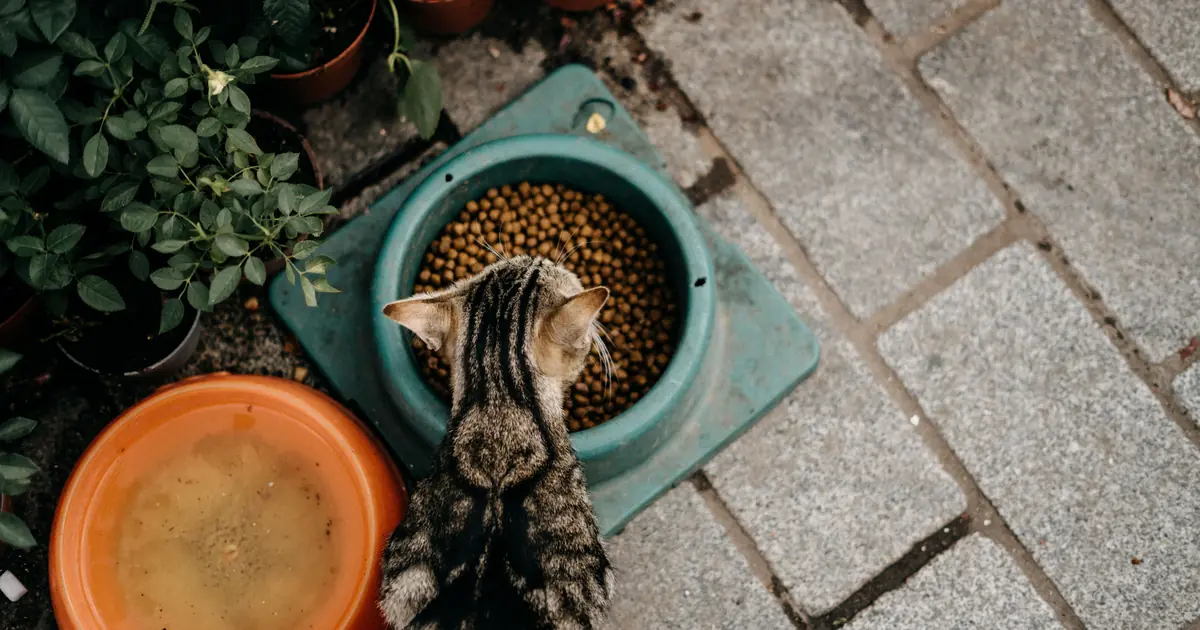
Cats often don’t finish their food because they’re natural grazers that instinctively eat small, frequent meals rather than one big serving. In the wild, cats hunt and eat many tiny prey throughout the day, so leaving some kibble and returning later mirrors that pattern. It usually isn’t rejection, your cat is simply pacing itself. Other everyday reasons include a bowl that’s too full, food that’s gone stale or cold, whisker discomfort from a deep bowl, or just not being hungry yet. Occasional leftovers are perfectly normal.
Is it normal for cats to graze?
Yes, grazing is completely normal and natural for cats. Left to their own devices, many cats prefer to nibble a little food multiple times a day rather than gorge in one sitting. So a cat that eats part of a meal, wanders off, and comes back is following its instincts, not being fussy. This is why free-feeding or splitting food into smaller portions suits many cats. The key is that your cat is still eating enough overall across the day and maintaining a healthy weight and energy level.
What else makes cats leave food behind?
Beyond grazing, several practical things cause leftovers. Common culprits:
- Too much in the bowl, the cat eats its fill and stops.
- Stale, cold, or dried-out food, especially wet food left out.
- Whisker fatigue, deep or narrow bowls that press sensitive whiskers.
- Food boredom or dislike, tiring of the same flavor.
- A dirty bowl or one near the litter box.
Cats can genuinely tire of a repetitive menu, covered in do cats get tired of the same food, so variety and freshness help.
Normal grazing vs a warning sign
Here’s how to tell picky-but-fine from a problem.
| Likely normal | See a vet |
|---|---|
| Eats in small amounts across the day | Sudden, marked drop in total food eaten |
| Healthy weight and energy | Weight loss or noticeable thinning |
| Returns to the bowl later | Not eating for 24+ hours |
| Otherwise acting normal | Vomiting, lethargy, hiding, or drooling |
How do you encourage good eating, and when to worry?
Encourage healthy eating by working with your cat’s grazing nature and keeping food appealing. Offer measured portions in smaller, more frequent meals, use a shallow, wide bowl to avoid whisker fatigue, keep food fresh (don’t leave wet food out too long), clean bowls regularly, and place them away from the litter box. Puzzle feeders can add interest. This article is educational and not a substitute for veterinary care; a truly reduced appetite is different from grazing, so if your cat suddenly eats much less, loses weight, or won’t eat for 24 hours (or shows vomiting, lethargy, or hiding), see your vet, appetite loss can signal illness and cats that stop eating can develop serious liver problems. For related concern, see why a cat hides and won’t eat and choosing food in how to choose cat food. Trusted feeding guidance comes from the AAHA and ASPCA.
Frequently Asked Questions
Q: Why doesn’t my cat finish its food?
Cats are natural grazers that prefer small, frequent meals, so eating part of a bowl and returning later is normal. Too much food, stale or cold food, whisker fatigue from deep bowls, or simple fullness also leave leftovers.
Q: Is it normal for cats to graze and not eat all at once?
Yes, very normal. Many cats instinctively nibble multiple small meals throughout the day rather than eating everything in one sitting. As long as your cat eats enough overall and stays a healthy weight, grazing is perfectly fine.
Q: What is whisker fatigue?
Whisker fatigue is discomfort from a cat’s sensitive whiskers repeatedly touching the sides of a deep or narrow bowl while eating. It can make a cat stop early or leave food. A shallow, wide bowl usually solves it.
Q: Should I leave food out all day for my cat?
Free-feeding dry food suits many grazing cats, but portion it to prevent overeating and weight gain. Don’t leave wet food out for long, as it spoils. Measured, smaller, more frequent meals work well for most cats.
Q: When should I worry that my cat isn’t eating?
Worry if your cat suddenly eats much less overall, loses weight, or won’t eat for 24 hours, especially with vomiting, lethargy, or hiding. That’s different from normal grazing and can signal illness. Cats that stop eating need prompt vet care.
Q: How do I make my cat’s food more appealing?
Serve fresh food in a clean, shallow, wide bowl away from the litter box, offer smaller frequent portions, and try warming wet food slightly. Rotate flavors if your cat gets bored, and use puzzle feeders for interest. Consult your vet before big diet changes.

Hello and welcome to The Ideal Cat!
We are some passionate cat owners from different professions. We love our cats and have a lot of experience in how to care for our pets. We are incredibly excited to share our knowledge, experience, and research with you. So you can take good care of your loving cat. We will answer most of the common questions about owning cats, taking care of them, etc. If you have any question contact with us. Thanks for visiting! Enjoy the content.
