
Instead of a plain “meow,” your Maine Coon lets out little chirps, trills, and squeaky warbles, an oddly delightful sound for such a big cat. It’s one of the breed’s most charming quirks.
Here’s why Maine Coons chirp and what those sweet sounds mean.
- Maine Coons chirp and trill as their signature form of communication, more than they meow.
- Chirps are friendly, conversational sounds for greeting, attention, and excitement.
- The sound often shows up during play, hunting, or when watching birds (“chattering”).
- Chirping reflects the breed’s sociable, chatty, gentle-giant personality.
- It’s normal and endearing; a sudden change in vocalizing is what to watch for.
Why do Maine Coons chirp?
Maine Coons chirp because it’s their natural, signature way of communicating, they favor chirps, trills, and warbles over the standard meow. These friendly, high-pitched, conversational sounds are how a Maine Coon greets you, asks for attention, expresses excitement, and “chats” during play or hunting. Despite their large size, Maine Coons have famously small, sweet voices, and chirping fits their sociable, gentle personality. So a chirping Maine Coon is simply being its charming, talkative self, it’s completely normal and one of the breed’s most beloved traits.
What is chirping and trilling?
Chirping and trilling are short, musical, birdlike sounds cats make with a closed or nearly closed mouth, different from a full meow. A chirp is a quick, high “brrp!”, while a trill is a rolling, warbling version, both used as friendly greetings and to get your attention or lead you somewhere (like to the food bowl). Mother cats use trills to call kittens, and many cats keep chirping into adulthood, but Maine Coons are especially known for it. It’s the vocal side of the breed covered in our Maine Coon cat guide.
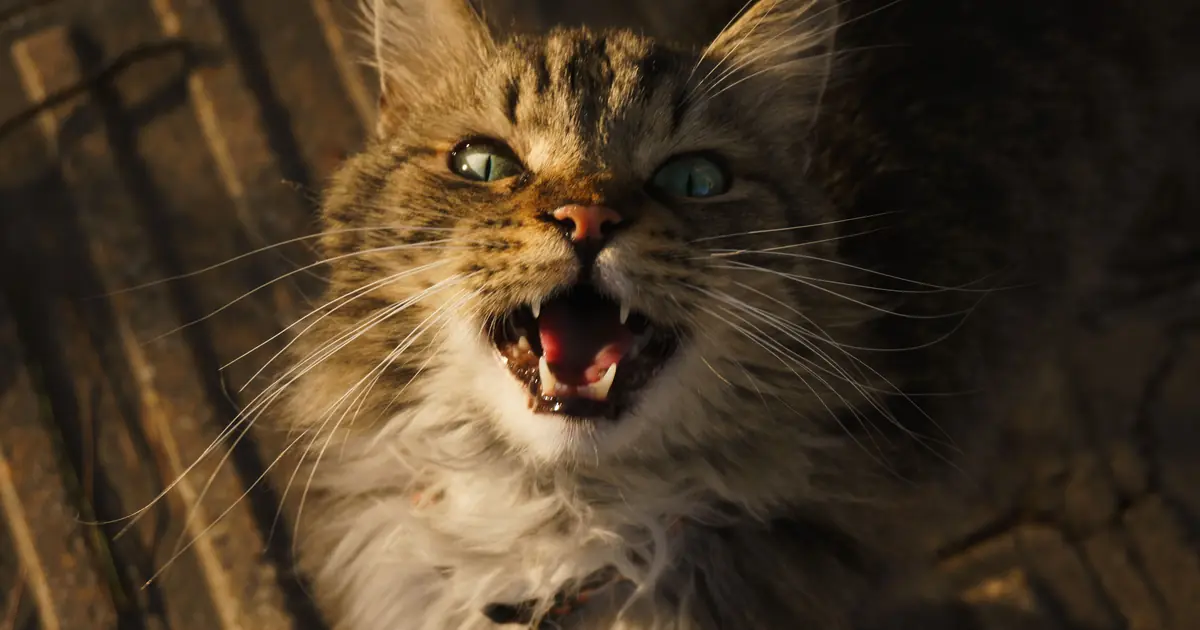
When do Maine Coons chirp most?
Maine Coons chirp most during social and stimulating moments. Common triggers:
- Greeting you when you come home or enter a room.
- Seeking attention, play, or food.
- Excitement, during play or a favorite activity.
- “Chattering” at prey, birds or squirrels seen through a window.
- Leading you somewhere, chirping as they walk toward what they want.
This chatty, interactive nature is part of what makes the breed so engaging, alongside their signature looks like the tufted ears in why Maine Coons have ear tufts.
Chirps, trills, and other Maine Coon sounds
Here’s a quick guide to what you’ll hear.
| Sound | Usual meaning |
|---|---|
| Chirp (“brrp!”) | Friendly greeting or “hey, look at me” |
| Trill | Happy, affectionate, or “follow me” |
| Chattering | Excitement or frustration at prey (window hunting) |
| Soft meow or squeak | Requests; small voice for a big cat |
| Purring | Contentment and bonding |
Should chirping ever concern you?
Chirping itself is a happy, healthy behavior, but a sudden change in your Maine Coon’s vocalizing can be worth attention. If your cat suddenly becomes much more vocal, unusually silent, or the sounds seem distressed, especially alongside signs like appetite loss, hiding, or lethargy, it’s wise to check with your vet, since vocal changes can accompany pain, stress, or illness (including hyperthyroidism in older cats). This article is educational and not a substitute for veterinary care. Otherwise, enjoy the chirps, they’re a hallmark of this affectionate breed. For how vocalization varies, see how cats “talk” and what purring means. Trusted guidance on feline communication comes from the ASPCA and International Cat Care.
Frequently Asked Questions
Q: Why does my Maine Coon chirp instead of meow?
Chirping and trilling are the Maine Coon’s signature way of communicating, they favor these friendly, birdlike sounds over the standard meow. It’s normal for the breed and reflects their sociable, chatty, gentle personality.
Q: What does a Maine Coon chirp mean?
Usually a friendly greeting, a request for attention or food, or excitement. Chirps and trills are conversational sounds; your Maine Coon may also chirp to lead you somewhere or “chatter” at birds seen through a window.
Q: Do all Maine Coons chirp?
Most do, to some degree, chirping and trilling are strongly associated with the breed. Individual cats vary, so some are chattier than others, but the small, sweet, chirpy voice is a well-known Maine Coon trait.
Q: Why does my Maine Coon chirp at birds?
That’s “chattering,” an excited (and sometimes frustrated) reaction to spotting prey like birds or squirrels through a window. It reflects the hunting instinct. It’s normal and often accompanied by an intense stare and a fast-twitching tail.
Q: Is it normal for a big cat like a Maine Coon to have a small voice?
Yes. Despite their large size, Maine Coons are famous for their small, sweet, chirpy voices. The gentle sound contrasts charmingly with their size and matches their friendly, easygoing temperament.
Q: When should I worry about my Maine Coon’s vocalizing?
If it suddenly increases, stops, or sounds distressed, especially with appetite loss, hiding, or lethargy. Vocal changes can accompany pain, stress, or illness like hyperthyroidism. Normal chirping is healthy; a clear change warrants a vet check.

Hello and welcome to The Ideal Cat!
We are some passionate cat owners from different professions. We love our cats and have a lot of experience in how to care for our pets. We are incredibly excited to share our knowledge, experience, and research with you. So you can take good care of your loving cat. We will answer most of the common questions about owning cats, taking care of them, etc. If you have any question contact with us. Thanks for visiting! Enjoy the content.
