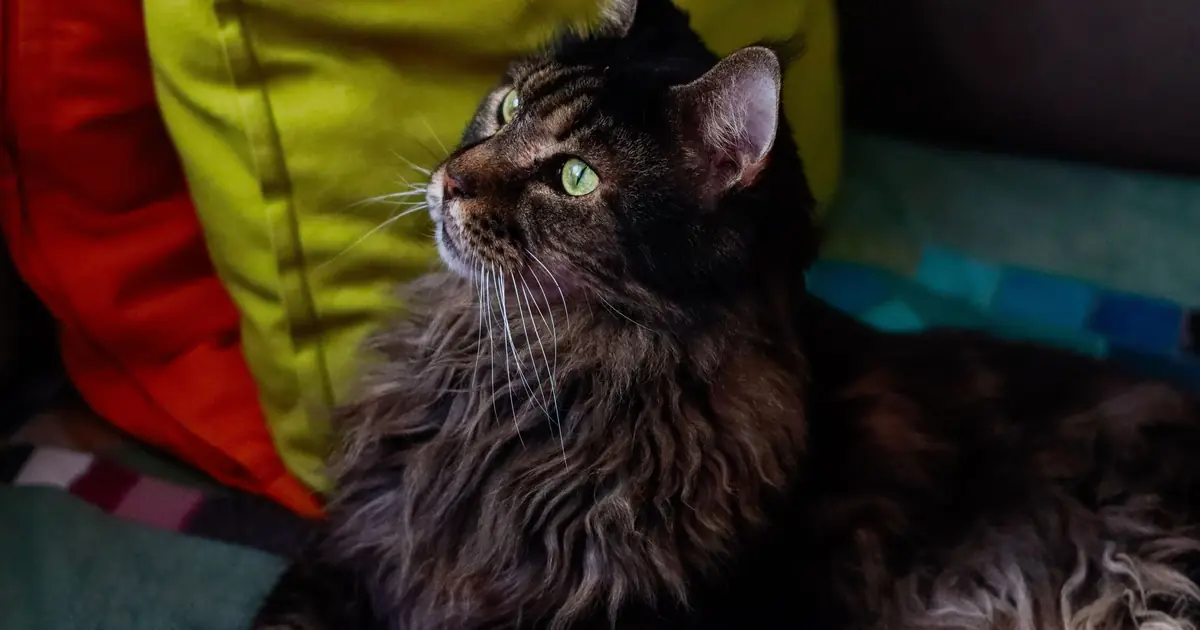
Those wild little tufts sprouting from a Maine Coon’s ears aren’t just for looks (though they are gloriously dramatic). They’re built-in cold-weather gear.
Here’s why this gentle giant comes with fluffy, lynx-like ears, and what they actually do.
- Maine Coon ear tufts are a cold-climate adaptation from the breed’s harsh New England origins.
- Ear furnishings (the fur inside the ears) block cold air, water, dirt, and debris.
- Lynx tips (the fur on top of the ears) add insulation and give that wild, tufted look.
- The tufts may also help with hearing by funneling sound toward the ear canal.
- Not every Maine Coon has dramatic tufts, and their fullness varies by individual and season.
Why do Maine Coons have ear tufts?
Maine Coons have ear tufts as a natural adaptation to cold, snowy weather. The breed developed in the northeastern United States, where brutal winters favored cats with extra insulation. The tufts and furnishings protect the sensitive ears from cold air, wind, moisture, and debris, helping the cat stay warm and comfortable outdoors. In short, those striking tufts are function first, fashion second, a survival feature the breed kept even as an indoor companion.
What are ear furnishings and lynx tips?
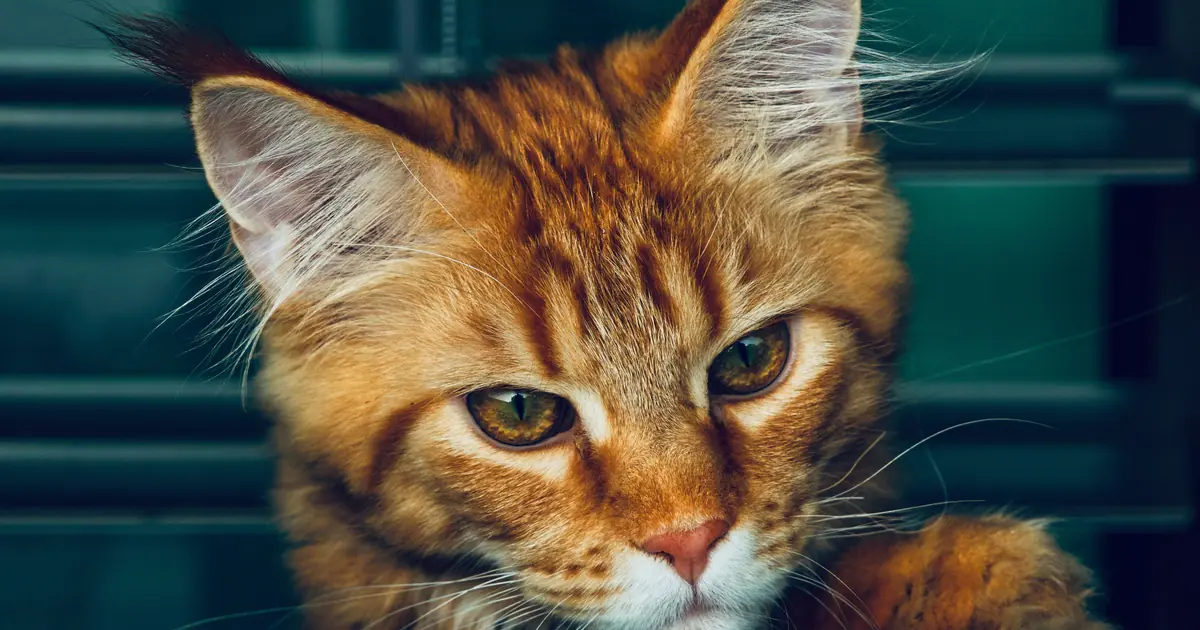
Maine Coon ears have two distinct features: furnishings and lynx tips. Ear furnishings are the long tufts of fur that grow inside the ear, sprouting from within the ear opening. Lynx tips are the pointed tufts of fur that extend upward from the tips of the ears, like a lynx or bobcat. Together they give the Maine Coon its unmistakable wild look, and each serves the same cold-weather purpose from a slightly different spot on the ear.
What do the ear tufts actually do?
Maine Coon ear tufts do more than look impressive, they protect and possibly assist hearing. Their main jobs:
- Insulation: lynx tips and furnishings trap warmth around the ears in cold weather.
- Protection: the inner furnishings keep out water, snow, dirt, and debris.
- Wind blocking: tufts reduce cold air reaching the sensitive ear canal.
- Possible hearing help: the fur may funnel and channel sound toward the ear.
These practical perks are part of the same rugged package that makes the breed so hardy, as we cover in our Maine Coon cat guide.
Do all Maine Coons have ear tufts?
No, not every Maine Coon has big, dramatic ear tufts. Tuft size and fullness vary widely between individuals, and some Maine Coons have modest furnishings or short lynx tips rather than the striking wild look. Genetics, age, and even the season play a role, coats (and tufts) often grow fuller in winter and thin in summer. A Maine Coon with smaller tufts is still very much a Maine Coon; the tufts are a common trait, not a strict requirement.
Ear tufts vs other Maine Coon features
Ear tufts are one of several signature Maine Coon traits. Here’s how they fit in.
| Feature | What it is | Purpose |
|---|---|---|
| Ear furnishings | Fur inside the ears | Blocks cold, water, and debris |
| Lynx tips | Fur tufts atop the ears | Insulation and wild look |
| Bushy tail | Long, thick tail fur | Wraps around the body for warmth |
| Tufted paws | Fur between the toes | Traps warmth, acts like snowshoes |
| Thick double coat | Dense, water-resistant fur | Overall cold-weather insulation |
Do the ear tufts need special care?
Maine Coon ear tufts need little special care, just routine grooming and occasional ear checks. Don’t trim or pluck the furnishings, since they serve a protective purpose. Gently check the ears now and then for wax buildup, redness, odor, or debris, which can point to mites or infection, and clean only the outer ear if your vet advises it. This article is educational and not a substitute for veterinary care. To learn more about the breed, see our black Maine Coon feature and the record-breaking largest Maine Coon. For breed background, The Cat Fanciers’ Association and International Cat Care are reliable sources.
Frequently Asked Questions
Q: Why do Maine Coons have tufts on their ears?
The tufts are a cold-climate adaptation from the breed’s harsh New England origins. Inner ear furnishings block cold, water, and debris, while lynx tips on top add insulation. They protect the sensitive ears in winter weather.
Q: What are the tufts on top of a Maine Coon’s ears called?
The pointed tufts extending from the ear tips are called lynx tips, because they resemble a lynx or bobcat. The fur inside the ears is called ear furnishings. Both help insulate and protect the ears.
Q: Do all Maine Coons have ear tufts?
No. Tuft size varies a lot between individuals. Some Maine Coons have dramatic lynx tips and full furnishings, others have modest tufts. Genetics, age, and season all affect fullness, and coats often grow thicker in winter.
Q: Should I trim my Maine Coon’s ear tufts?
No. The tufts and furnishings protect the ears from cold, water, and debris, so leave them alone. Just check the ears periodically for wax, redness, odor, or signs of mites, and clean only if your vet recommends it.
Q: Do ear tufts help Maine Coons hear better?
Possibly. Besides insulation and protection, the ear furnishings may help funnel and channel sound toward the ear canal, subtly aiding hearing. Their main proven roles, though, are warmth and keeping debris out of the ears.
Q: Do other cat breeds have ear tufts?
Yes. Cold-climate and lynx-influenced breeds like the Norwegian Forest Cat and Siberian also have tufted ears. Ear furnishings and lynx tips appear in several long-haired breeds, but they’re especially iconic on the Maine Coon.

Hello and welcome to The Ideal Cat!
We are some passionate cat owners from different professions. We love our cats and have a lot of experience in how to care for our pets. We are incredibly excited to share our knowledge, experience, and research with you. So you can take good care of your loving cat. We will answer most of the common questions about owning cats, taking care of them, etc. If you have any question contact with us. Thanks for visiting! Enjoy the content.
