
Siamese cats have a big, chatty, in-your-face reputation, so “skittish” seems like the opposite of their vibe. Yet some Siamese really do act nervous. What gives?
Here’s the honest take on Siamese temperament and what makes one skittish.
- Siamese aren’t naturally skittish, the breed is typically confident, social, and outgoing.
- They are sensitive and deeply bonded, so stress and change affect them strongly.
- Poor early socialization, big changes, or too much alone time can make one nervous.
- A well-socialized, secure Siamese is usually bold, curious, and people-loving.
- Sudden skittishness can signal stress, fear, or a health issue worth checking.
Are Siamese cats skittish?
No, Siamese cats are not naturally skittish, the breed is generally confident, social, and outgoing. Siamese are famously people-oriented, curious, and bold, often following their humans around and demanding involvement. They are, however, sensitive and form intense bonds, so a particular Siamese can become nervous or jumpy if it’s poorly socialized, stressed, or unsettled by change. So skittishness isn’t a breed trait; it usually reflects an individual cat’s experiences or current situation rather than “Siamese being Siamese.”
What is a Siamese cat’s typical temperament?
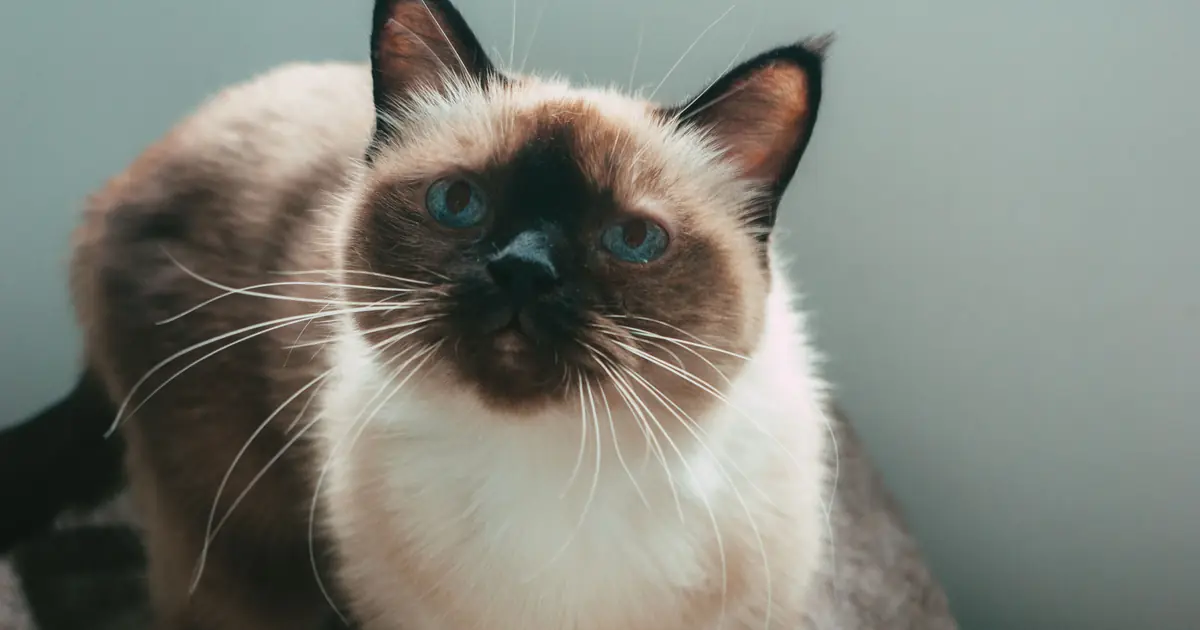
The typical Siamese is confident, affectionate, vocal, and highly social. These cats crave attention and interaction, bond closely with their people, and are known for being talkative and involved in everything you do. They’re intelligent and playful, more likely to greet a guest than hide from one. Because they’re so attached, they can struggle with loneliness, but that’s about sociability, not timidity. In short, a well-adjusted Siamese leans bold and engaged, which is why “skittish” is out of character for the breed, more in are Siamese cats good pets.
Why might a Siamese cat act skittish?
When a Siamese is skittish, it’s usually due to circumstances, not the breed. Common causes:
- Poor early socialization, limited gentle handling as a kitten.
- Stress or big changes, a move, new pets, or household upheaval.
- Loneliness, Siamese left alone too much can grow anxious.
- A frightening past experience in rescues or rehomed cats.
- Sensitivity to noise and chaos, given their alert, tuned-in nature.
A nervous Siamese often responds well to the same gentle, patient approach used for any timid cat, covered in how to socialize a shy cat.
Confident Siamese vs a skittish one
Here’s what separates typical from nervous.
| Typical Siamese | Skittish Siamese |
|---|---|
| Bold, greets people, explores | Hides, avoids guests, startles easily |
| Vocal and demanding of attention | Withdrawn or clingy from anxiety |
| Curious and confident | Jumpy, tense, quick to flee |
| Well-socialized, secure | Poorly socialized, stressed, or unsettled |
How do you help a nervous Siamese, and when to worry?
Help a skittish Siamese with patience, routine, and gentle confidence-building, never force interaction. Provide a calm, predictable environment, a safe space with hiding spots, plenty of interactive play, and let the cat approach you on its terms, rewarding brave moments. Because Siamese hate being alone, companionship and enrichment matter a lot. This article is educational; a sudden shift to skittishness in a normally bold Siamese can signal fear, stress, pain, or illness, so consult your vet to rule out a health cause. For acute fear, see how to calm a scared cat, and for the breed overall, our Siamese cat breed guide. Trusted behavior guidance comes from the ASPCA and International Cat Care.
Frequently Asked Questions
Q: Are Siamese cats naturally skittish?
No. Siamese are typically confident, social, and outgoing, not timid. Skittishness in a Siamese usually reflects poor socialization, stress, change, or loneliness rather than the breed itself. A secure, well-socialized Siamese is usually bold.
Q: What is a Siamese cat’s personality like?
Confident, affectionate, vocal, intelligent, and highly social. Siamese crave attention, bond closely with their people, and love being involved in everything. They’re more likely to greet a guest than hide, so timidity is out of character.
Q: Why is my Siamese cat so nervous?
Likely poor early socialization, stress or a big change, loneliness, or a scary past experience, not the breed. Siamese are sensitive and bond intensely, so upheaval and isolation affect them strongly. Patience and routine usually help.
Q: Can a skittish Siamese become confident?
Yes. With patience, a calm routine, a safe space, gentle play, and no forced interaction, most nervous Siamese grow more confident over time. Their social nature means they often blossom once they feel secure and bonded.
Q: Do Siamese cats get anxious when left alone?
They can. Siamese are very people-oriented and dislike being alone for long, which can lead to anxiety and nervous behavior. Companionship, enrichment, and sometimes a second pet help prevent loneliness-related stress.
Q: Should I worry if my bold Siamese suddenly turns skittish?
Yes, a sudden personality change is worth attention. Fear, stress, pain, or illness can make a normally confident Siamese jumpy or withdrawn. Have your vet rule out a health cause, then address any stressors in the environment.

Hello and welcome to The Ideal Cat!
We are some passionate cat owners from different professions. We love our cats and have a lot of experience in how to care for our pets. We are incredibly excited to share our knowledge, experience, and research with you. So you can take good care of your loving cat. We will answer most of the common questions about owning cats, taking care of them, etc. If you have any question contact with us. Thanks for visiting! Enjoy the content.
