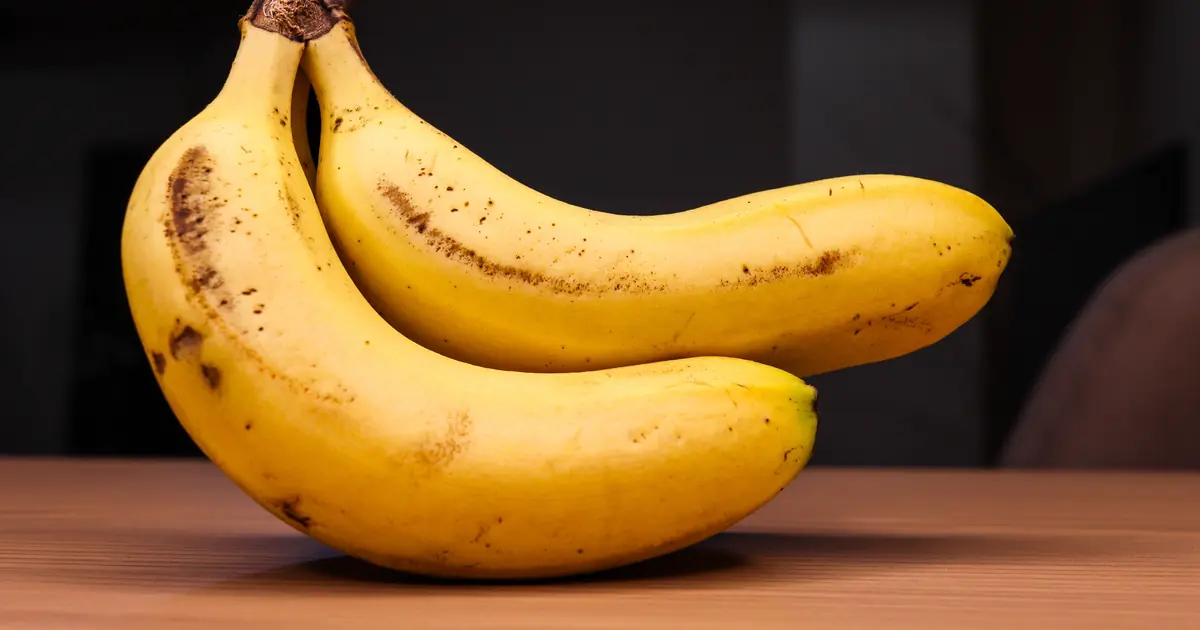
Picture this: you peel a banana, and your cat appears out of nowhere, sniffing like you’ve opened a can of tuna. Maybe you’re tempted to share a bite. Or maybe you already dropped a piece and now you’re googling in a mild panic.
Good news first. A little banana won’t hurt a healthy cat. But “not harmful” and “a good idea” aren’t the same thing. Cats are obligate carnivores, which means their bodies are built to run on meat, not fruit. So can a cat eat a banana? Sure, in a tiny amount. Should bananas be a regular treat? Honestly, no.
This article is educational and isn’t a substitute for veterinary care. If your cat has a health condition or reacts badly to a new food, call your vet.
- Ripe banana flesh is non-toxic to cats, so a small nibble is safe for most healthy adult cats.
- Cats can’t taste sweetness at all, because the gene for the sweet taste receptor stopped working in their ancestors millions of years ago.
- Bananas are high in sugar and carbohydrates, which cats digest poorly and don’t need.
- Keep banana to a pea-sized piece once in a while, and keep all treats under 10% of your cat’s daily calories.
- Never let a cat eat the banana peel, and skip bananas entirely for diabetic or overweight cats.
Can cats eat bananas safely?
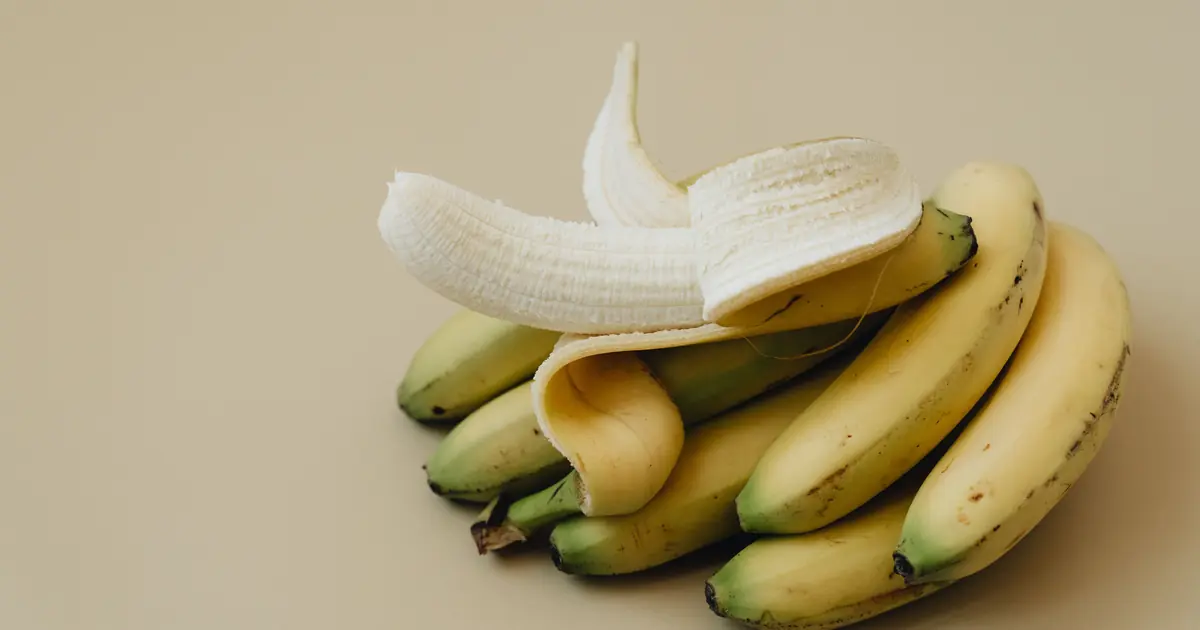
Yes, healthy cats can safely eat a small piece of ripe banana, because banana flesh contains nothing toxic to cats. The ASPCA doesn’t list bananas among the human foods that are dangerous to pets, so a stolen nibble is no reason to panic.
Here’s the catch. Safe doesn’t mean helpful. A banana is basically sugar, starch, and fiber wrapped around a little potassium and magnesium. That’s fine fuel for you. For a cat, it’s carbohydrate the body wasn’t designed to handle. So bananas sit in the “harmless treat, zero necessity” bucket, right next to a lot of other human fruits. If you like sharing produce, our roundup of what cats can actually eat sorts the safe from the sketchy.
Are bananas good for cats?
No, bananas aren’t good for cats in any meaningful way. The potassium, fiber, and vitamins in a banana are easily outweighed by its sugar and carbohydrate load, and a cat on a complete diet already gets everything it needs from proper cat food.
Cats are obligate carnivores. Their digestive systems are tuned for animal protein and fat, not plant sugars. A banana’s nutrients look impressive on a human nutrition label, but a cat’s body can’t put most of them to good use. So think of banana as an occasional novelty at best, never a supplement. If you want treats that actually earn their place, real meat wins every time, and our guide to the best cat treats leans into exactly that.
How much banana can a cat eat?
A cat should eat no more than a pea-sized to one-inch piece of ripe banana, and only once in a while, not daily. Treats of any kind, banana included, should stay under 10% of your cat’s total daily calories. The other 90% comes from balanced cat food.
For a typical 10-pound adult cat eating around 200 calories a day, that 10% ceiling is roughly 20 calories of treats. Banana adds up faster than you’d think, so a tiny bite goes a long way. Introduce it the same way you’d introduce any new food: one small piece, then wait a day and watch for soft stool or an upset tummy.
| Question | The short answer |
|---|---|
| Is banana toxic to cats? | No, ripe banana flesh is non-toxic and safe in tiny amounts |
| How much is safe? | A pea-sized to 1-inch piece, at most once in a while |
| How often? | Occasionally, never daily; keep all treats under 10% of daily calories |
| Can cats eat the peel? | No, the peel is a choking and gut-blockage risk |
| Do cats need banana? | No, it offers no nutrition a complete cat food doesn’t already provide |
| Which cats should skip it? | Diabetic, overweight, and cats with sensitive stomachs |
Why don’t most cats care about bananas?
Most cats ignore bananas because cats physically cannot taste sweetness. The gene that builds the sweet taste receptor, called Tas1r2, stopped working in the ancestors of modern cats millions of years ago. Without it, sugar simply doesn’t register on a cat’s tongue.
This is well documented. Researchers found that cats carry a broken, non-functional version of the sweet-receptor gene, which is why, as Scientific American explains, cats are famously indifferent to sweet foods. Pour syrup near a dog and it dives in. Do the same near a cat and you get a blank stare.
So if your cat is sniffing your banana, it’s probably the smell, the texture, or plain old curiosity, not the sweetness. And some cats go the opposite way entirely. A ripe peel gives off a compound called ethyl acetate that a lot of cats can’t stand, which is why you’ll see videos of cats leaping backward from a banana like it insulted their mother.
What are the risks of feeding a cat banana?
The main risks of feeding banana to a cat are sugar overload, stomach upset, and the choking or blockage danger of the peel. None of these come from a single tiny bite, but they add up if banana becomes a habit.
- Too much sugar. Bananas are sugary and starchy. A cat’s body isn’t built for that carbohydrate load, and regular sugary treats can nudge a cat toward weight gain and, over time, raise diabetes risk.
- Digestive upset. New or sugary foods can trigger vomiting or diarrhea, especially in cats with touchy tummies. If your cat gets loose stool after a new food, our guide on feeding cats other fruits like watermelon covers how to introduce produce gently.
- The peel is a real hazard. Banana peel is tough, hard to digest, and can cause choking or an intestinal blockage. Always peel first and throw the skin somewhere your cat can’t fish it out.
- Weight and long-term health. Extra calories from treats crowd out balanced nutrition. Cats do best on protein, not fruit sugar.
The Cornell Feline Health Center emphasizes that cats have unique, meat-based nutritional needs, which is exactly why plant sugars belong at the very edge of the menu, if they appear at all.
Which cats should never eat banana?
Diabetic cats and overweight cats should never eat banana, because the sugar works directly against their health. Kittens and cats with sensitive stomachs are also better off skipping it.
For a diabetic cat, a sugary snack can complicate blood-sugar control, so banana is off the table. For an overweight cat, every extra treat calorie matters, and banana adds sugar without adding anything a cat needs. Kittens have small, developing systems and specific nutritional needs, so their treats should be kitten-appropriate, not random human snacks. And if your cat already deals with vomiting or diarrhea, don’t experiment with fruit. Dairy is another classic troublemaker here, which is why our take on whether cats should drink milk is worth a read before you share people food.
Better treat options than banana
The best treats for a cat are meat-based ones that match how a cat is built to eat. A cat gets far more from a bite of cooked chicken than from any fruit.
- Small pieces of plain cooked chicken, turkey, or fish (no bones, skin, salt, or seasoning).
- Freeze-dried meat treats, which are basically pure protein.
- Vet-approved commercial cat treats made for feline nutrition.
- A lick of plain wet food as a “special” moment.
If you love the ritual of sharing a snack with your cat, that’s sweet (even if your cat can’t taste sweet). Just point it at protein. Fruit like banana can stay an occasional oddity, while meat does the real work. Curious where dairy fits? Our breakdown of whether cats can eat cheese answers the other snack question everyone asks.
Frequently asked questions about cats and bananas
Q: Can cats eat banana safely?
Yes, healthy cats can safely eat a small piece of ripe banana, because banana flesh is non-toxic. Keep it to a pea-sized or one-inch bite once in a while, remove the peel, and skip it entirely for diabetic or overweight cats.
Q: Why does my cat like banana if cats can’t taste sweet?
Cats can’t taste sweetness, so a cat drawn to banana is usually reacting to its smell, soft texture, or plain curiosity, not the sugar. The sweet taste receptor gene stopped working in cats’ ancestors millions of years ago, so sugar doesn’t register on their tongues.
Q: Can cats eat banana peel?
No. Banana peel is tough, hard to digest, and can cause choking or an intestinal blockage. Always peel a banana fully before offering a tiny piece, and keep the discarded skin out of your cat’s reach.
Q: How much banana can I give my cat?
Offer no more than a pea-sized to one-inch piece of ripe banana, and only occasionally rather than daily. All treats combined should stay under 10% of your cat’s total daily calories, with the rest coming from balanced cat food.
Q: Is banana bad for cats?
Banana isn’t toxic, but it isn’t good for cats either. It’s high in sugar and carbohydrates that cats digest poorly, and it offers no nutrition a complete cat food doesn’t already provide. Frequent sugary treats can contribute to weight gain over time.
Q: Why is my cat afraid of bananas?
Some cats dislike bananas because a ripe peel releases a compound called ethyl acetate that many cats find unpleasant. That strong smell can startle a cat, which is why some cats jump back from a banana even though it can’t hurt them.
Q: Can kittens eat banana?
It’s best to skip banana for kittens. Kittens have small, developing digestive systems and specific nutritional needs, so their treats should be kitten-appropriate rather than sugary human snacks. Stick to food and treats made for kittens.
Q: What fruits can cats eat instead of banana?
Small amounts of seedless watermelon, blueberries, or cantaloupe are generally safe occasional treats for cats, always with skin, seeds, and rinds removed. Even so, fruit isn’t necessary for cats, and meat-based treats are a much better fit for a carnivore.
Bottom line: a cat can eat a banana, but it’s a shrug of a snack, safe in a tiny bite and pointless in any real amount. Ripe banana flesh is non-toxic, the peel is not, and most cats couldn’t taste the sweetness even if they tried. Keep banana to a rare pea-sized nibble, skip it for diabetic and overweight cats, and let protein be the treat that actually earns a spot in your cat’s bowl.

Hello and welcome to The Ideal Cat!
We are some passionate cat owners from different professions. We love our cats and have a lot of experience in how to care for our pets. We are incredibly excited to share our knowledge, experience, and research with you. So you can take good care of your loving cat. We will answer most of the common questions about owning cats, taking care of them, etc. If you have any question contact with us. Thanks for visiting! Enjoy the content.
