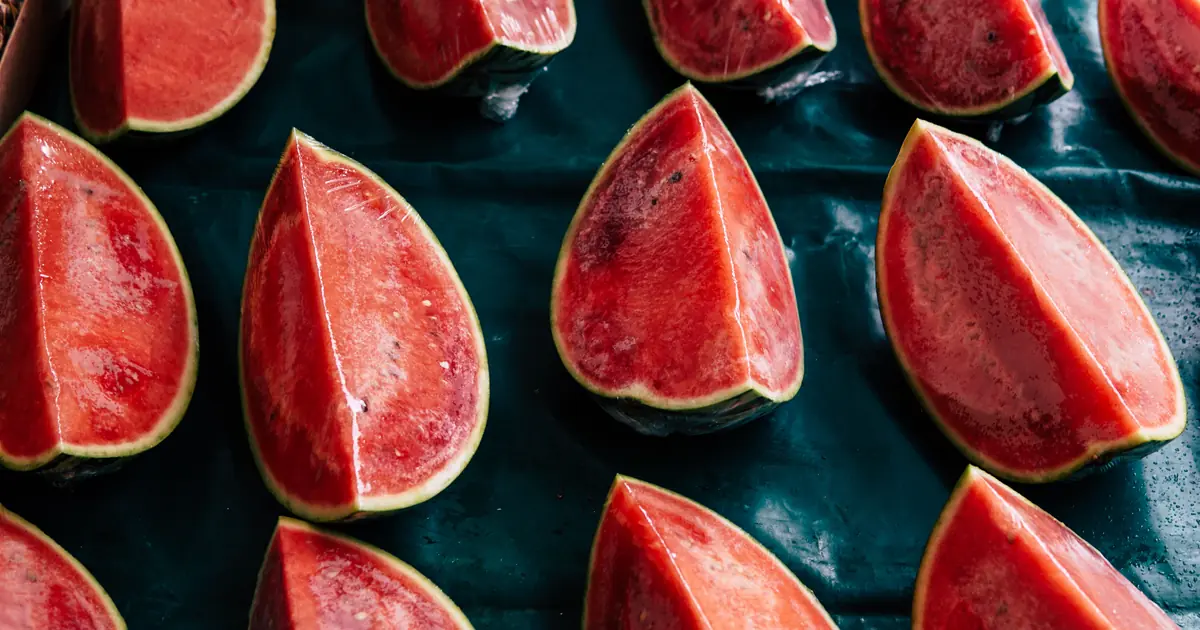
Picture this: it’s a hot afternoon, you’re slicing watermelon, and a pair of curious cat eyes is locked on your plate. So can cats eat watermelon, or should you keep that juicy pink slice to yourself? The short answer is reassuring, but there are a few rules worth knowing before you share a bite.
- Seedless watermelon flesh is non-toxic to cats and safe in tiny, occasional amounts.
- Always remove all seeds and rind first; watermelon seeds contain a compound that can release trace cyanide, and the rind can cause choking or stomach upset.
- Watermelon is about 92% water, so it can add a little hydration, but it offers cats very little real nutrition.
- Cats are obligate carnivores and cannot taste sweetness, so they get no dietary benefit from the sugar in watermelon.
- Treats like watermelon should make up no more than 10% of your cat’s daily calories.
Can cats eat watermelon safely?
Yes, cats can safely eat watermelon as long as it’s plain, seedless flesh served in very small amounts. Veterinary nutrition sources consider watermelon flesh non-toxic to cats, and most healthy adult cats handle a couple of pea-sized pieces without any trouble. The thing to remember is that “safe” does not mean “good for them.” Watermelon is a treat for fun, not a food that helps your cat thrive.
Veterinarians, including Dr. Sandra Mitchell, DVM, point out that cats receive little nutritional benefit from watermelon because their bodies are built to run on meat. So think of a watermelon nibble the way you’d think of a single potato chip for yourself: a harmless snack, not part of a balanced diet.
Is watermelon good for cats, or just safe?
Watermelon is mostly just safe rather than truly good for cats. Watermelon is roughly 92% water, so a small piece can offer a little extra hydration on a warm day, plus trace amounts of potassium and vitamin C. Here’s the honest part: those benefits are tiny, and your cat already gets the nutrients it needs from a complete, meat-based diet.
Cats are obligate carnivores, which means their bodies are designed to get nearly all their nutrition from animal protein. Fruit sugars and plant nutrients do very little for them. If you want to boost your cat’s water intake, a pet water fountain or a splash of water in wet food works far better than watermelon ever could.
Why does my cat like watermelon if cats can’t taste sweet?
Cats cannot taste sweetness at all, so a cat that loves watermelon is not chasing the sugar. Research published in PLOS Genetics found that cats carry a broken version of the TAS1R2 sweet-receptor gene, leaving them unable to detect sweet flavors the way humans do. So your cat is drawn to watermelon for other reasons: the cool, wet texture, the moisture, or simply the fact that you’re eating it and they want in.
What parts of watermelon are dangerous for cats?
The dangerous parts of watermelon for cats are the seeds and the rind, not the pink flesh. Both can cause real problems, which is why prep matters more than the fruit itself. The table below breaks down each part of the watermelon and how to handle it.
| Part of Watermelon | Safe for Cats? | Why |
|---|---|---|
| Pink flesh (seedless) | Yes, in tiny amounts | Non-toxic and mostly water; the only part worth offering. |
| Black (mature) seeds | No | Contain amygdalin, which can release trace cyanide when chewed, plus a choking and blockage risk. |
| White (immature) seeds | Best avoided | Lower in amygdalin than black seeds but still a choking and digestion risk for small cats. |
| Green rind | No | Tough and hard to digest; can cause choking, stomach upset, or intestinal blockage. |
Are watermelon seeds toxic to cats?
Watermelon seeds are best treated as off-limits for cats for two reasons. First, the seeds contain amygdalin, a compound that can release small amounts of cyanide when the seed is chewed, with mature black seeds holding more than the soft white ones. Second, and more immediately, the seeds are a choking hazard and can cause a blockage in a small digestive tract. One or two accidentally swallowed seeds rarely harm a healthy adult cat, but you should never offer seeds on purpose. Always pick out every seed before sharing.
Can cats eat watermelon rind?
No, cats should not eat watermelon rind. The tough green rind is very hard for a cat to chew and digest, and it can lead to choking, vomiting, or an intestinal blockage. Keep your cat to the soft inner flesh only, and toss the rind where curious paws can’t reach it.
How much watermelon can a cat eat?
A cat should eat no more than a few pea-sized pieces of watermelon at a time, no more than once or twice a week. A good rule of thumb from vets is the 10% rule: treats of any kind, including watermelon, should make up less than 10% of your cat’s daily calories. The other 90% should come from complete, balanced cat food.
Start with a single small piece the first time. Watch for any tummy trouble over the next day before offering it again. Cats have small stomachs, and even a little extra sugar or fiber can throw things off.
How to safely give your cat watermelon
- Choose ripe, fresh, seedless watermelon. Skip canned watermelon, watermelon candy, or anything with added sugar or syrup.
- Cut off and discard all of the green rind.
- Remove every seed, both black and white, even from “seedless” melons, which can still contain a few soft white seeds.
- Dice the flesh into small, pea-sized pieces so it’s easy to chew and swallow.
- Offer one or two pieces and let your cat sniff and taste at their own pace.
- Watch for vomiting, diarrhea, or low energy over the next 24 hours, and skip watermelon next time if you see any.
Which cats should never eat watermelon?
Some cats should skip watermelon entirely, mainly because of its natural sugar. Watermelon may be a fruit, but it’s still high in sugar, and certain cats are far more sensitive to that than others. If your cat falls into any group below, it’s safest to leave watermelon out completely.
- Diabetic cats: Cats with diabetes need a low-sugar, high-protein diet, and the natural sugar in watermelon can disrupt their blood sugar control.
- Overweight or obese cats: Extra sugar means extra calories your cat doesn’t need, which works against weight management.
- Kittens: Young kittens have developing digestive systems and need every calorie from high-quality protein, not sugary fruit.
- Cats with a sensitive stomach: Some cats get vomiting or diarrhea from even a small amount of watermelon and are better off without it.
This article is for general education and isn’t a substitute for veterinary advice. If your cat has a health condition like diabetes, kidney disease, or a sensitive gut, check with your veterinarian before offering any new human food, including watermelon.
What should I do if my cat eats too much watermelon, seeds, or rind?
If your cat eats a large amount of watermelon, or swallows seeds or rind, stay calm and watch closely rather than panicking. A small slip-up is usually mild, and most cats pass a stray seed or a bit of extra fruit without harm. The bigger concern is a blockage from rind or many seeds, or stomach upset from too much sugar.
Call your veterinarian or the ASPCA Animal Poison Control Center at (888) 426-4435 right away if your cat shows any of these red-flag signs:
- Repeated vomiting or diarrhea that doesn’t ease up
- Loss of appetite or refusing to eat for more than a day
- Lethargy, weakness, or hiding more than usual
- Straining, a swollen or painful belly, or signs of constipation (possible blockage)
- Difficulty breathing or unresponsiveness (call emergency care immediately)
What are better treat ideas for cats?
Better everyday treats for cats are protein-based ones that match their meat-eating nature. Because cats are obligate carnivores, small bites of cooked, unseasoned meat usually delight them far more than fruit ever will. If you want to spoil your cat the way their body actually appreciates, reach for these instead of watermelon:
- Plain cooked chicken or turkey, no salt, butter, or seasoning
- A small piece of cooked, boneless fish like salmon
- A bite of plain scrambled or boiled egg
- Freeze-dried meat treats made just for cats
Watermelon can still be an occasional fun nibble on a hot day, but protein treats give your cat both the flavor and the satisfaction they’re wired for.
Frequently Asked Questions
Q: Can kittens eat watermelon?
It’s best not to give watermelon to kittens. Kittens have developing digestive systems and need all of their calories from high-quality, protein-rich kitten food, not sugary fruit. Wait until your cat is a healthy adult before offering even a tiny taste, and check with your vet first.
Q: How much watermelon can a cat have?
A cat can have a few small, pea-sized pieces of seedless watermelon flesh, no more than once or twice a week. Treats should make up less than 10% of your cat’s daily calories, so keep the portion tiny. The rest of their diet should be complete, balanced cat food.
Q: Are watermelon seeds poisonous to cats?
Watermelon seeds are best avoided. The seeds contain amygdalin, which can release trace cyanide when chewed, and they’re also a choking and blockage hazard. A few accidentally swallowed seeds rarely harm a healthy adult cat, but you should always remove every seed before sharing watermelon.
Q: Can diabetic cats eat watermelon?
No, diabetic cats should not eat watermelon. Watermelon is high in natural sugar, which can disrupt blood sugar control in a cat with diabetes. Diabetic cats need a low-sugar, high-protein diet, so skip sugary fruits entirely and ask your veterinarian about safe treat options.
Q: Why does my cat like watermelon if cats can’t taste sweet?
Cats can’t taste sweetness because they carry a broken sweet-receptor gene, so a cat that likes watermelon isn’t after the sugar. Most cats are drawn to watermelon for its cool, wet, juicy texture, or simply because you’re eating it and they’re curious.
Q: Is watermelon good for cats on a hot day for hydration?
Watermelon is about 92% water, so a small piece can add a little hydration on a hot day. The benefit is minor, though. Fresh water, a pet water fountain, or extra moisture from wet food are much better ways to keep your cat hydrated.
Q: Can cats eat frozen watermelon?
Cats can have a small piece of plain frozen seedless watermelon as a cool treat, but offer it cautiously. Make it tiny and thawed slightly so it isn’t a choking risk or too hard on the teeth. Never use frozen watermelon with added sugar or syrup.
Q: What other fruits can cats eat safely?
Cats can safely have tiny amounts of certain fruits, such as seedless watermelon, blueberries, and small pieces of banana or cantaloupe. All fruit should be an occasional treat only, since cats are obligate carnivores and gain little from it. Always avoid grapes and raisins, which are toxic to cats.
So, can cats eat watermelon? Yes, a few seedless, rind-free, pea-sized pieces now and then are a safe, fun treat for most healthy cats, just not a source of real nutrition. Keep the seeds and rind out, skip it for diabetic, overweight, and kitten cats, and let protein-based treats do the heavy lifting. When in doubt about your cat’s diet, your veterinarian is always the best guide.

Hello and welcome to The Ideal Cat!
We are some passionate cat owners from different professions. We love our cats and have a lot of experience in how to care for our pets. We are incredibly excited to share our knowledge, experience, and research with you. So you can take good care of your loving cat. We will answer most of the common questions about owning cats, taking care of them, etc. If you have any question contact with us. Thanks for visiting! Enjoy the content.
