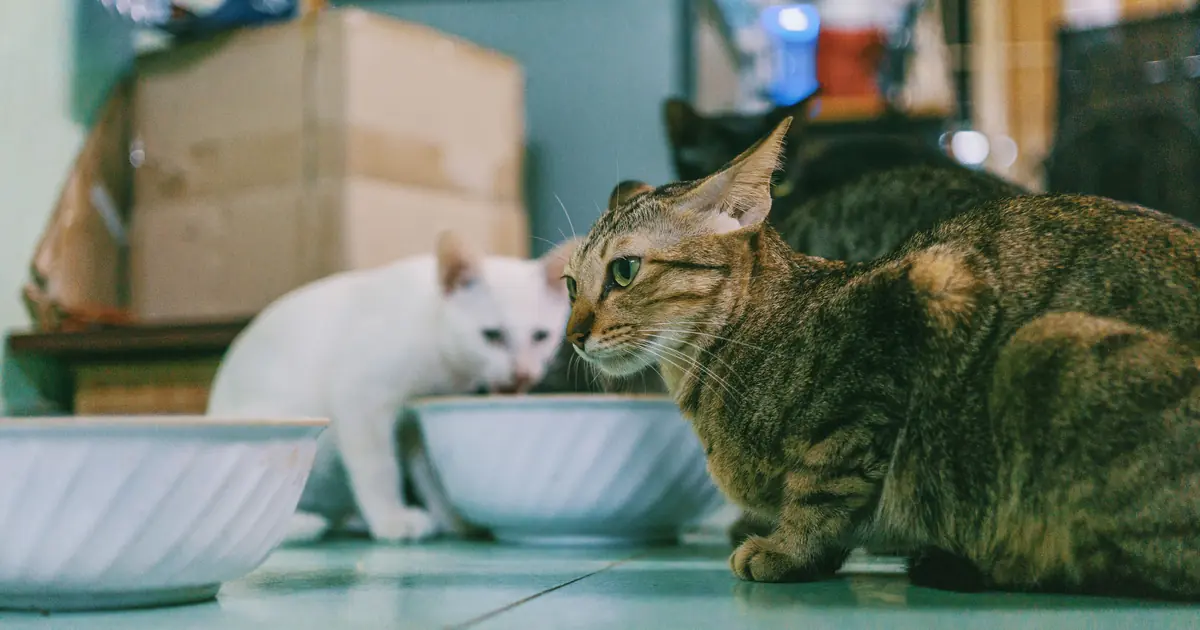
Your cat is doing the thing again. Sitting by your plate, staring you down, one paw creeping toward your dinner like you won’t notice. And you’re wondering: can they actually have a bite of this?
Good news, some human foods are perfectly fine as a little treat. But cats aren’t tiny people, and a few everyday foods can send them straight to the emergency vet. Here’s exactly what your cat can eat, what to never share, and how their real diet should look.
This article is educational and isn’t a substitute for veterinary care. If your cat eats something toxic, call your vet right away.
- Cats are obligate carnivores, meaning they need nutrients like taurine that come only from animal tissue, so a complete-and-balanced cat food must be their main diet.
- Human foods should make up no more than 10% of a cat’s daily calories, and the other 90% should come from proper cat food.
- Safe treats in moderation include plain cooked chicken, turkey, fish, and eggs, all with no salt, oil, or seasoning.
- Onion, garlic, chocolate, grapes, raisins, alcohol, caffeine, and xylitol are toxic to cats and must never be fed.
- Most adult cats are lactose intolerant, so milk and cheese often cause diarrhea and upset stomach.
What can my cat actually eat?
Your cat can eat a small amount of plain, cooked meat, fish, or egg as an occasional treat, but the bulk of their diet must be a complete-and-balanced cat food. Cats are obligate carnivores, which means they’re built to get their nutrition from animal tissue, not plants. They need specific nutrients like the amino acid taurine, arachidonic acid, and preformed vitamin A that only meat reliably provides.
That’s the big difference between cats and us. You can throw together a healthy meal from all kinds of foods. Your cat can’t. A bowl of vegetables would slowly starve them of what they need, and salty or fatty oddities like olives and pistachios are not treats worth offering. So while sharing a nibble of chicken is sweet, it can never replace a proper diet. According to the Cornell Feline Health Center, a food labeled complete and balanced for your cat’s life stage already covers their nutritional needs.
The 10% rule: how much human food is okay?
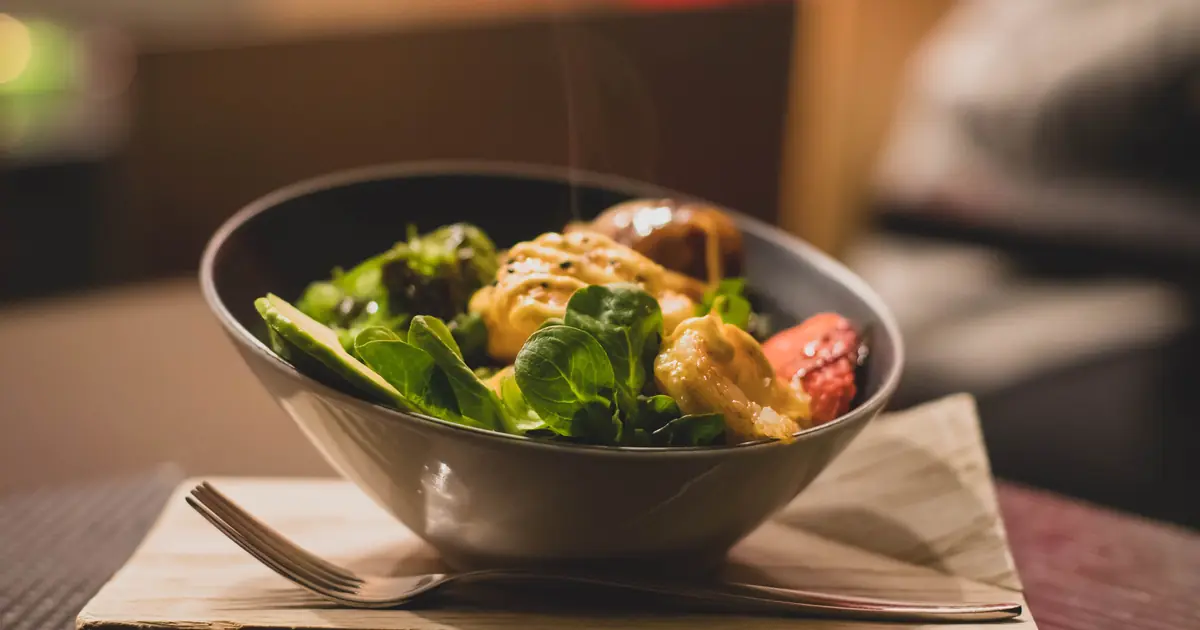
Treats, including any human food, should make up no more than 10% of your cat’s daily calories. The remaining 90% comes from their regular cat food. Vets call this the 10% rule, and it keeps treats from throwing off the careful nutritional balance your cat depends on.
Here’s what that looks like in real life. An average 10-pound indoor cat needs roughly 200 calories a day, so treats should stay under about 20 calories. That’s tiny. Think one small cube of cooked chicken, not a whole chicken breast. When treats creep past that line, cats gain weight and start turning up their nose at balanced food. A little goes a long way, and your cat won’t love you any less for the small portion.
What human foods can cats eat safely?
Cats can safely eat small amounts of plain, cooked animal proteins and a few select fruits and vegetables. The golden rule: cooked, unseasoned, and boneless. No salt, butter, oil, garlic, or onion, and nothing salty like soy sauce. Here are the foods that are genuinely fine to share in moderation.
- Cooked chicken and turkey. Plain, boneless, skinless, and boiled or baked. This is the gold-standard cat treat and most cats go wild for it.
- Cooked fish. Cooked salmon or whitefish offers omega-3s that are great for skin and coat. Keep it occasional. Curious about canned fish? Our guide on whether cats can eat tuna explains why it’s a sometimes food, not an everyday one.
- Cooked eggs. Scrambled or boiled with nothing added. Eggs are packed with protein and amino acids. Read more in our full breakdown of whether cats can eat eggs.
- Cooked lean meats. Small bites of plain cooked beef, lamb, or liver are fine now and then.
- A few vegetables. Steamed carrots, peas, broccoli, or a bit of plain cucumber. Most cats aren’t interested, but they’re safe.
- Plain pumpkin. A teaspoon of plain cooked pumpkin (not pie filling) can help with mild digestive upset.
- Small bits of certain fruit. Seedless watermelon, blueberries, or a slice of peeled banana. Cats can’t taste sweet, so don’t expect much enthusiasm.
One thing people always ask about: peanut butter. It’s not toxic, but it’s not a good idea either, and some brands sneak in xylitol. Here’s the full story on whether cats can have peanut butter.
What foods are toxic to cats? The never list
Several common foods are dangerous or outright toxic to cats, and some can be deadly in small amounts. Keep these completely off-limits. The ASPCA Animal Poison Control Center flags all of the following as foods pets should never eat.
- Onions, garlic, chives, and leeks. These damage a cat’s red blood cells and cause anemia, even in powdered form (think baby food or soup base).
- Chocolate. Contains theobromine and caffeine, which cause tremors, racing heart, and worse. Dark chocolate is the most dangerous. See what happens if a cat eats chocolate.
- Grapes and raisins. Even a small amount can trigger sudden kidney failure.
- Alcohol. As little as a tablespoon can cause serious liver and brain damage.
- Caffeine. Coffee, tea, and energy drinks are all off the table.
- Xylitol. This sugar substitute in gum, candy, and some peanut butters can cause a dangerous blood-sugar crash.
- Raw dough. Yeast keeps rising in the warm stomach, producing alcohol and painful gas.
- Raw meat and raw eggs. Risk of Salmonella and E. coli, plus raw egg whites can block a key vitamin.
- Bones. Cooked bones splinter and can choke a cat or damage the gut.
- Too much dairy. Most adult cats are lactose intolerant, so milk and cheese often cause diarrhea. More on that in whether cats can eat cheese.
Safe vs. avoid: a quick cat food cheat sheet
Use this table as your at-a-glance guide. When in doubt, leave it out, and never give a food seasoned with onion, garlic, or salt.
| Safe in moderation (treat only) | Never feed (toxic or unsafe) |
|---|---|
| Plain cooked chicken or turkey (no skin or bones) | Onion, garlic, chives, and leeks |
| Cooked fish like salmon or whitefish | Chocolate and caffeine |
| Cooked egg (scrambled or boiled, plain) | Grapes and raisins |
| Small bites of cooked lean beef, lamb, or liver | Alcohol and raw yeast dough |
| Steamed carrots, peas, broccoli, cucumber | Xylitol (sugar-free gum, candy, some peanut butter) |
| Plain cooked pumpkin (small amount) | Cooked bones and fatty scraps |
| Seedless watermelon, blueberries, peeled banana | Raw meat, raw eggs, and lots of dairy |
What should make up my cat’s main diet?
Your cat’s main diet should be a commercial cat food labeled complete and balanced for their life stage. That label is the key phrase, since it means the food meets established nutritional standards and won’t leave gaps that human food can’t fill.
Wet food and dry food each have upsides. Wet food is roughly 70% to 80% water, which helps keep cats hydrated since they’re naturally light drinkers. Dry food is convenient and easy to leave out. Many vets suggest offering both. Whatever you choose, it should be made for cats, not dogs. Dog food lacks the taurine and animal protein cats need, so it’s not a safe swap, as we explain in whether cats can eat dog food.
Kittens vs. adult cats: does it matter?
Yes, kittens and adult cats need different food. Kittens grow fast and need extra protein, calories, calcium, and fat, so they should eat a food labeled for kittens or for all life stages until about 12 months old. Feeding adult food to a kitten shortchanges that rapid growth.
Adult cats do well on a maintenance food matched to their age and activity, and senior cats sometimes need formulas that are easier to digest. When you switch any food, do it slowly over about a week to avoid an upset stomach.
Don’t forget water
Fresh water is just as important as food, and cats are famously bad at drinking enough. Low water intake can strain the kidneys and urinary tract over time. Keep a clean bowl topped up daily, and consider a wide dish or a pet water fountain, since many cats prefer moving water and drink more from it. Feeding some wet food also boosts their daily water intake.
When should I ask a vet about my cat’s diet?
Call your vet if your cat ate something toxic, or if any food seems to cause ongoing problems. Certain situations always deserve professional advice rather than guesswork.
- Your cat ate onion, garlic, chocolate, grapes, raisins, xylitol, or anything on the toxic list. Call your vet or the ASPCA Animal Poison Control Center at (888) 426-4435 or the Pet Poison Helpline at (855) 764-7661 right away.
- Repeated vomiting or diarrhea after eating, which can signal a food intolerance or allergy.
- Sudden weight loss, weight gain, or a big change in appetite.
- Your kitten, senior, pregnant, or sick cat needs a tailored feeding plan.
- You’re thinking about a raw or homemade diet, which needs a vet or veterinary nutritionist to balance safely.
Both poison hotlines run around the clock. With a possible toxin, faster is always safer than waiting to see what happens.
Cat food FAQ
Q: Can cats live on human food instead of cat food?
No. Cats are obligate carnivores and need nutrients like taurine that human meals rarely provide in the right balance. Human food should stay a treat at under 10% of daily calories, with complete-and-balanced cat food as the main diet.
Q: What is the safest human food to give a cat?
Plain cooked chicken or turkey with no skin, bones, salt, or seasoning is the safest and most popular treat. Cooked egg and small bites of cooked fish are also fine in moderation.
Q: Can cats eat rice or bread?
Small amounts of plain cooked rice or plain bread aren’t toxic, but they offer cats little nutrition and aren’t necessary. Cats get nothing meaningful from carbohydrates, so skip them and stick to protein-based treats.
Q: Is milk bad for cats?
For most adult cats, yes. The majority of adult cats are lactose intolerant, so milk and cream often cause diarrhea and stomach upset. Fresh water is the only drink your cat actually needs.
Q: How much treat food can I give my cat a day?
Keep all treats, human food included, under 10% of your cat’s daily calories. For an average 10-pound cat that’s roughly 20 calories, about one small cube of cooked chicken. The other 90% should come from balanced cat food.
Q: Can cats eat raw meat or a raw diet?
Raw meat carries a risk of Salmonella and E. coli for both cats and people, and homemade raw diets are easy to get wrong nutritionally. If you want to try raw, work with your vet or a veterinary nutritionist to keep it safe and balanced.
Q: My cat ate a little onion or garlic. Should I worry?
Yes, take it seriously. Onion and garlic damage a cat’s red blood cells even in small or powdered amounts. Call your vet or a pet poison hotline right away, since early signs like weakness and pale gums can take a day or two to appear.
Bottom line: your cat can share the occasional bite of plain cooked chicken, fish, or egg, but their real nourishment comes from a complete-and-balanced cat food. Keep treats small, keep the toxic list memorized, and keep fresh water flowing. Do that, and those dinner-table stares stay adorable instead of dangerous.

Hello and welcome to The Ideal Cat!
We are some passionate cat owners from different professions. We love our cats and have a lot of experience in how to care for our pets. We are incredibly excited to share our knowledge, experience, and research with you. So you can take good care of your loving cat. We will answer most of the common questions about owning cats, taking care of them, etc. If you have any question contact with us. Thanks for visiting! Enjoy the content.
