Picture this: your cat is calmly napping on a blanket, then suddenly starts thrusting against it like nothing else exists. You freeze. Is this normal? Should you intervene? Is your cat, somehow, still capable of this after being fixed years ago?
Yes, it’s usually normal. Humping in cats is a lot more common, and a lot less about sex, than most people assume. It shows up in kittens, neutered males, spayed females, and cats who have never so much as met another cat. Once you understand the real reasons behind it, the behavior stops feeling so alarming and starts making a lot more sense.
- Both male and female cats hump, and neutering or spaying reduces but doesn’t always fully stop the behavior.
- Humping is often linked to stress, overstimulation, or social rank rather than mating instinct.
- Objects like blankets, plush toys, and bedding are the most common humping targets and are usually harmless.
- Straining to urinate while attempting to hump is a medical emergency and needs immediate vet care.
- Punishing a cat for humping tends to backfire; redirecting the behavior works far better.
Why Do Cats Hump?
Cats hump for a mix of hormonal, emotional, and social reasons, not just to mate. The behavior can show up as a leftover instinct, a way to relieve stress, a byproduct of excitement or play, or a move to assert status over another cat. Because so many different triggers can produce the exact same thrusting motion, you really can’t tell the “why” just by watching it happen once. You have to look at the context: who’s around, what just happened, and whether your cat seems relaxed or wound up.
This is one of those cat behaviors that gets treated like a taboo topic, so most owners never learn the actual reasons. That silence is what makes it feel so much weirder than it is.
Is Humping Always About Mating and Hormones?
No, mating hormones are only one piece of the picture. In intact (unneutered) male cats, humping is closely tied to testosterone and the drive to mate, and it often comes paired with other intact-cat behaviors like urine spraying, yowling, and roaming. Intact females can also mount other cats, especially when they’re in heat and their hormones are surging.
Here’s the part that surprises people: neutering and spaying dramatically lower these hormone-driven urges, but they don’t erase every trace of the behavior. Cats fixed later in life, or cats who developed the habit before their surgery, can keep humping out of pure learned habit, even with the hormonal fuel long gone. Cats also go through a hormonal shift around puberty, and knowing what that stage looks like can help you tell normal developmental behavior from something that needs attention. Our guide on when cats go through puberty breaks down that timeline.
Do Neutered and Female Cats Hump Too?
Yes, both neutered male cats and female cats hump, and hormones aren’t the only thing driving it. Spaying or neutering removes the reproductive organs that produce most sex hormones, which is why the surgery cuts down on mating-driven behaviors dramatically. But humping isn’t purely a mating act. It’s also a stress outlet, a play behavior, and a way cats communicate rank with each other.
So a neutered male humping a cat bed, or a spayed female mounting the family dog, isn’t broken or confused. She (or he) is just using an old, deeply wired motor pattern for a new purpose. If you’ve ever wondered whether your fixed cat is somehow “still into it,” the honest answer is: probably not, this is likely something else entirely.
Can Stress or Overstimulation Trigger Humping?
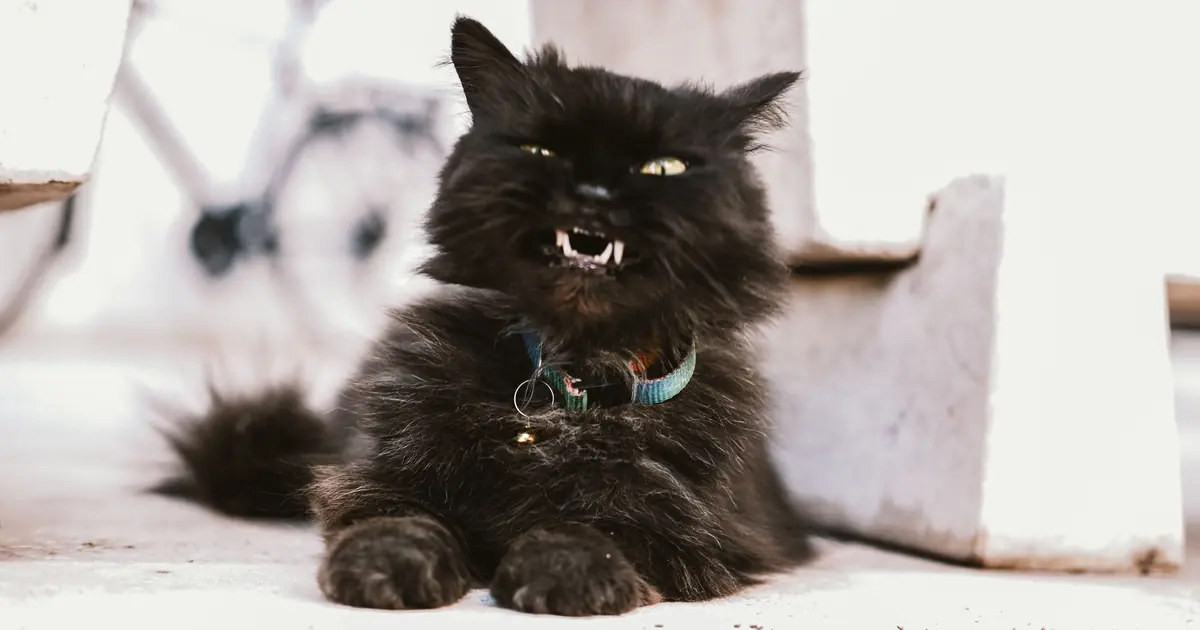
Yes. Stress-related humping works as a self-soothing behavior, similar to how some cats overgroom or pace when anxious. A move, a new pet, loud construction noise, or a change in routine can all leave a cat feeling unsettled, and humping a blanket or a favorite toy becomes a physical way to release that tension. Vets call this a displacement behavior: an action that doesn’t quite fit the situation but helps discharge nervous energy. If your cat has started humping around the same time as other odd habits, it’s worth reading up on the signs of stress in cats, since they usually show up in clusters, not alone.
Overstimulation works almost the opposite way: instead of anxiety, it’s excess energy or excitement with nowhere to go. A long petting session, an intense play bout, or another cat zooming past can flip a switch, and humping becomes a kind of redirected outlet, like a sneeze that has to happen. This is common in young, high-energy cats who haven’t quite learned an “off” switch yet. Regular interactive play sessions, ideally a couple of 10 to 15 minute rounds a day, burn off that extra drive before it turns into humping.
Why Do Cats Hump Other Cats or Objects?
Cats mount other cats mainly to assert social rank, and they mount objects mostly out of habit or comfort, not dominance. In multi-cat homes, mounting is one of several ways cats sort out who gets first access to food, prime napping spots, or attention. It usually shows up alongside other status-related behaviors, like blocking doorways or staring another cat down. If mounting between your cats starts triggering hissing, chasing, or real fights rather than a quick shrug-off, that’s a sign the social balance in your home needs some help, and it’s worth checking whether sudden aggression between cats is part of a bigger pattern.
Objects are actually the most common humping target of all: blankets, stuffed animals, pillows, and even a favorite toy. This is usually completely harmless. Soft, textured surfaces feel good, hold a familiar scent, and don’t fight back, which makes them an easy, low-stakes outlet. Some cats even seem to have one “special” blanket they return to again and again. Unless it’s happening constantly or disrupting your household, there’s rarely a reason to worry about this one.
Could Humping Be a Sign of a Medical Problem?
Sometimes, yes. Sudden or unusually frequent humping, especially paired with other symptoms, can point to a physical problem rather than a behavioral one. Feline lower urinary tract disease (FLUTD), a group of conditions affecting the bladder and urethra, can cause genital irritation and straining that looks a lot like mounting from the outside. Impacted or infected anal glands, skin allergies, and irritation around the genital area can all produce similar rubbing or thrusting motions as your cat tries to relieve discomfort.
The tell is what surrounds the humping. Occasional, low-key humping during play or excitement is normal. Frequent, straining, painful-looking, or obsessive humping, especially with excessive licking of the genital area, is a signal to get your cat checked. The Cornell Feline Health Center notes that urinary tract issues in cats can escalate quickly, which is exactly why they shouldn’t be assumed to be “just a phase.”
| Humping Trigger | Common Signs | What To Do |
|---|---|---|
| Hormones (intact cats) | Spraying, yowling, roaming, mounting other cats | Talk to your vet about spaying/neutering |
| Stress or anxiety | Hiding, overgrooming, appetite changes, humping blankets | Reduce triggers, add hiding spots, enrich the environment |
| Play or overstimulation | Zoomies, rough play, humping toys or bedding | Add daily interactive play sessions, redirect with a toy |
| Social dominance | Mounting other pets, blocking doorways, staring | Add resources (litter boxes, food, perches) to ease competition |
| Medical issue | Straining to urinate, excessive licking, crying out, blood in urine | See a vet promptly, especially if straining is present |
How Can I Stop My Cat From Humping?
You can reduce unwanted humping by addressing its root cause instead of just reacting to the behavior itself. A few things actually move the needle:
- Spay or neuter your cat if they aren’t already fixed; this is the single biggest factor in reducing hormone-driven humping and related behaviors like spraying.
- Lower stress at home with consistent routines, enough litter boxes (the general rule is one per cat plus one extra), and quiet resting spots away from foot traffic.
- Add more play. Two short interactive sessions a day with a wand toy give excess energy somewhere else to go.
- Redirect calmly the moment it starts. Offer a toy or call your cat over instead of yelling or physically pulling them off.
- Remove or rotate favorite target objects, like a specific blanket, if the habit has become frequent and hard to interrupt.
- Never punish your cat for humping. Yelling, spraying with water, or scolding usually just adds stress, which can make the behavior worse instead of better.
According to International Cat Care, most feline behavior “problems” respond better to environmental changes and redirection than to correction, and humping fits that pattern well.
When Should I See a Vet About My Cat Humping?
See a vet right away if your cat is straining to urinate while attempting to hump, since that combination can point to a urinary blockage, which is a genuine emergency, especially in male cats. Blocked cats can stop being able to pass urine at all, and that can turn life-threatening within a day or two if it’s not treated.
Also book a vet visit, though not necessarily an emergency one, if you notice: humping that started suddenly out of nowhere, humping that’s becoming obsessive or nonstop, excessive licking or biting at the genital or anal area, visible redness or swelling, crying out during the behavior, or any blood in the urine. A vet can rule out FLUTD, anal gland problems, skin infections, or parasites, all of which are treatable once you know what’s actually going on.
This article is for general education and isn’t a substitute for a hands-on veterinary exam. If your cat’s humping comes with straining, pain, or sudden changes, please have a licensed veterinarian take a look rather than waiting it out.
Frequently Asked Questions
Q: Is it normal for a neutered male cat to hump?
Yes, it’s fairly normal. Neutering greatly reduces hormone-driven mating behavior, but some neutered cats continue humping out of habit, stress relief, or excitement, since the behavior isn’t purely tied to hormones.
Q: Do female cats hump other cats?
Yes, female cats hump too, both intact and spayed. In intact females it can relate to heat cycles, while in spayed females it’s more often linked to play, stress, or asserting social rank over another pet.
Q: Why does my cat hump my blanket?
Blankets are soft, hold familiar scents, and don’t react, which makes them a low-stakes outlet for extra energy or mild stress. This is one of the most common and least concerning humping targets.
Q: Can stress make a cat hump more?
Yes. Humping can act as a self-soothing, displacement behavior when a cat feels anxious about a move, a new pet, or a change in routine. It usually shows up alongside other stress signs like hiding or overgrooming.
Q: Is cat humping a sign of dominance?
Sometimes. In multi-cat households, mounting can be one way cats sort out social rank and access to resources like food or favorite napping spots, especially when paired with staring or blocking doorways.
Q: Should I punish my cat for humping?
No. Punishing a cat for humping tends to raise their stress level, which can make the behavior more frequent, not less. Redirecting to a toy or calmly interrupting works much better than scolding.
Q: When is cat humping a medical emergency?
It’s an emergency if your cat is straining to urinate along with the humping, since this can signal a urinary blockage, a condition that can become life-threatening within a day or two without treatment.
Q: Can kittens hump before they’re old enough to mate?
Yes. Kittens as young as a few months old can hump toys, blankets, or littermates during play, well before they reach sexual maturity. This is typically just practice behavior and normal exploration, not a sign of anything wrong.

Hello and welcome to The Ideal Cat!
We are some passionate cat owners from different professions. We love our cats and have a lot of experience in how to care for our pets. We are incredibly excited to share our knowledge, experience, and research with you. So you can take good care of your loving cat. We will answer most of the common questions about owning cats, taking care of them, etc. If you have any question contact with us. Thanks for visiting! Enjoy the content.
)