
Bengals are gorgeous bundles of energy, which makes people wonder: will this mini-leopard get along with a fellow cat, or terrorize it? The good news is Bengals can be great feline housemates with the right setup.
Here’s how to help a Bengal share a home peacefully with other cats.
- Bengals can live well with other cats, given proper introductions and enough space and play.
- Their high energy pairs best with an active, playful companion of similar temperament.
- A slow, gradual introduction is essential to avoid conflict.
- Very calm or elderly cats may find a Bengal’s intensity stressful.
- Enough resources (food, litter, perches) and enrichment prevent tension and boredom.
Can Bengal cats live with other cats?
Yes, Bengal cats can live happily with other cats when introductions are done properly and their needs are met. Bengals are social and playful, so many enjoy feline company, particularly a companion that matches their high energy. Success depends far more on temperament matching, a careful introduction, and adequate space and resources than on the breed itself. A Bengal paired with the right cat and given plenty of play and enrichment usually coexists well; problems arise mainly from rushed introductions or a mismatched, overwhelmed housemate.
Do Bengals get along with other cats?
Bengals generally get along with other cats, especially active, confident ones, but individual personality matters most. Their playful, energetic, and sometimes dominant nature means they do best with a cat that can keep up and isn’t easily intimidated. Two well-matched, well-introduced cats often become playmates. A timid, senior, or very laid-back cat, however, may find a Bengal’s constant energy and roughhousing stressful. So compatibility comes down to matching energy and temperament, the same principle behind other multi-pet pairings like whether Bengals are good with dogs.
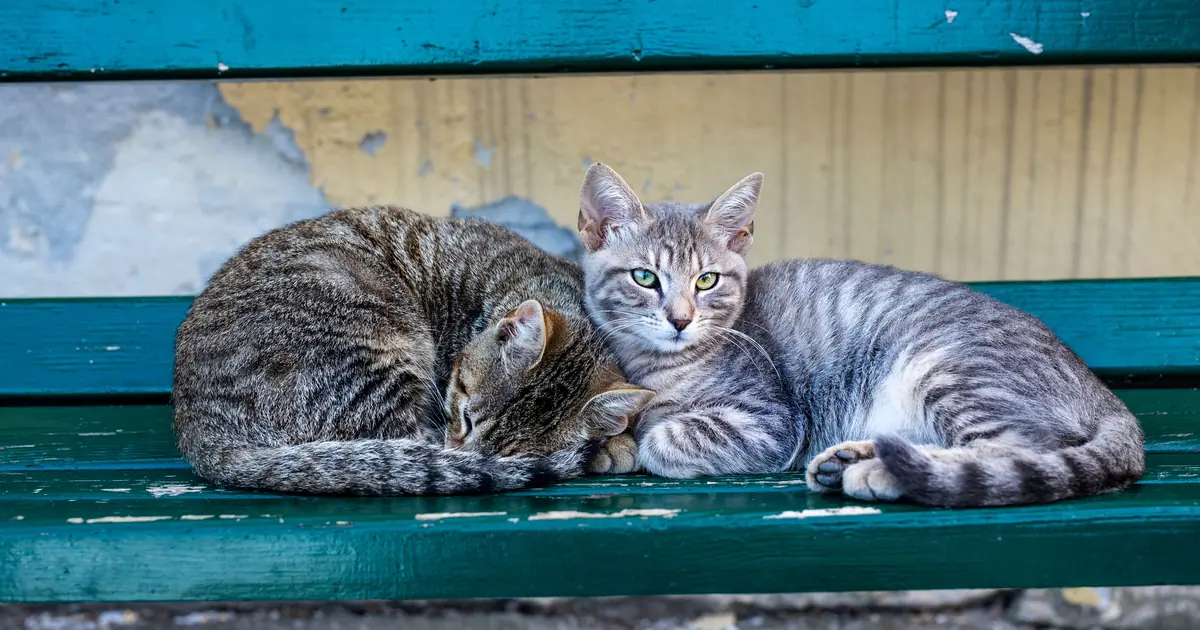
How do you introduce a Bengal to another cat?
Introduce a Bengal to another cat slowly and in stages, never face-to-face on day one. A reliable process:
- Separate them first, giving each cat its own space with food, water, and litter.
- Swap scents by exchanging bedding so they get used to each other’s smell.
- Feed on opposite sides of a closed door to build positive associations.
- Do visual intros through a cracked door or baby gate, keeping both calm.
- Allow supervised meetings, gradually increasing time together.
- Progress to full access only once they’re relaxed around each other.
This is the same careful method used for any new-cat introduction, detailed in bringing a new cat home to another cat.
What does a Bengal need to coexist peacefully?
Bengals need plenty of resources, space, and stimulation to live peacefully with other cats. Provide enough of everything to prevent competition, and channel that famous energy so it doesn’t turn into pestering the other cat. Key essentials:
- One litter box per cat, plus one extra, in separate spots.
- Multiple food and water stations.
- Vertical space, cat trees, shelves, and perches for both cats.
- Daily interactive play to burn the Bengal’s energy.
- Puzzle feeders and toys for mental stimulation.
Meeting a Bengal’s high needs is central to preventing friction, as we cover in Bengal cat behavior problems.
When might it not work, and when to worry?
A Bengal pairing may struggle if the other cat is timid, elderly, or very low-energy, or if introductions are rushed. Watch for ongoing signs of trouble: persistent hissing or fighting, one cat hiding, not eating, or being blocked from resources, or stress-related issues like litter-box avoidance. These mean the cats aren’t coping and need a slower reintroduction or more separation and resources. This article is educational; for serious or persistent aggression, rule out pain with your vet and consider a certified behaviorist, and see whether cats can seriously hurt each other. For breed context, our Bengal cat guide helps. Trusted multi-cat guidance comes from the ASPCA and International Cat Care.
Frequently Asked Questions
Q: Can Bengal cats live with other cats?
Yes, with proper introductions and enough space, play, and resources. Bengals are social and playful and often enjoy an active feline companion. Success depends on temperament matching and a slow introduction more than the breed itself.
Q: Do Bengals get along with other cats?
Generally yes, especially with active, confident cats that match their energy. Individual personality matters most. A timid, senior, or very laid-back cat may find a Bengal’s intensity stressful, so matching temperament is key.
Q: What kind of cat is best for a Bengal companion?
An active, playful, confident cat of similar energy is the best match, another Bengal or a lively breed often works well. Avoid pairing a high-energy Bengal with a very shy, elderly, or sedentary cat that may feel overwhelmed.
Q: How long does it take a Bengal to accept another cat?
It varies, from a couple of weeks to a few months, depending on both cats. Go at their pace with a gradual, staged introduction. Rushing causes conflict, so patience and slow progress give the best long-term results.
Q: Why is my Bengal aggressive toward my other cat?
Often too-fast introductions, pent-up energy, resource competition, or a temperament mismatch. Slow the reintroduction, add resources and vertical space, and increase play to burn energy. Rule out pain with your vet, and consult a behaviorist if it persists.
Q: Should I get a second cat for my Bengal?
A well-matched, active companion can be great for a social Bengal, easing boredom and giving it a playmate. Introduce slowly and ensure ample resources. Choose a cat with compatible energy, and it’s not required if the Bengal gets enough play and attention.

Hello and welcome to The Ideal Cat!
We are some passionate cat owners from different professions. We love our cats and have a lot of experience in how to care for our pets. We are incredibly excited to share our knowledge, experience, and research with you. So you can take good care of your loving cat. We will answer most of the common questions about owning cats, taking care of them, etc. If you have any question contact with us. Thanks for visiting! Enjoy the content.
