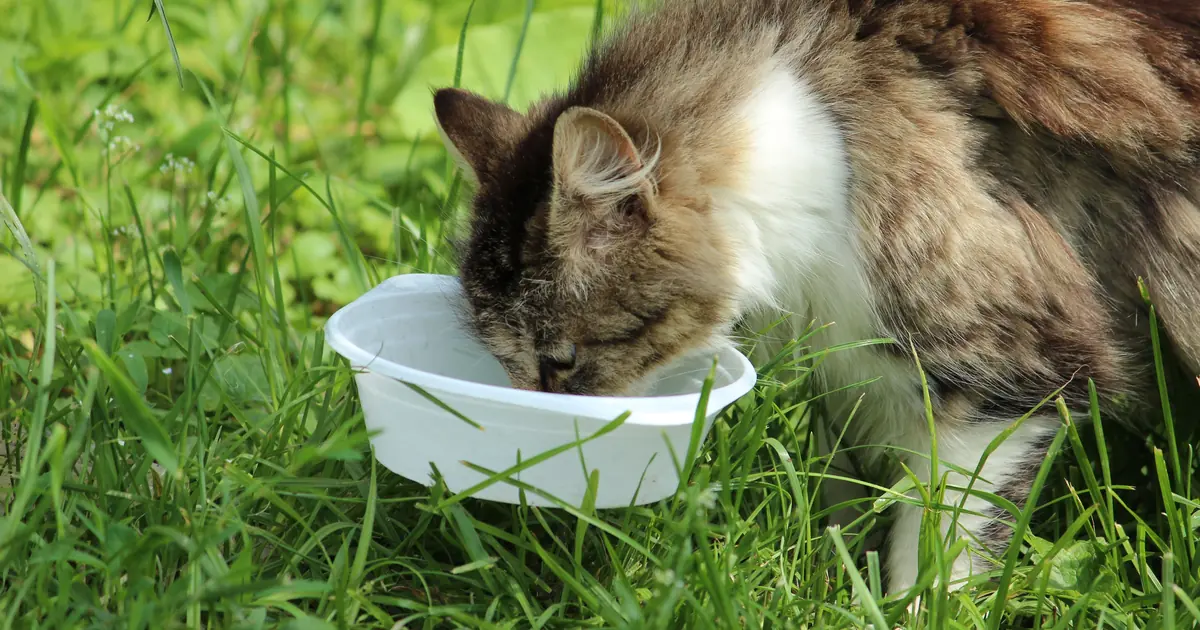
You’ve watched it happen more than once now. Your cat inhales dinner like it’s a race, then walks a few feet away and brings it right back up. It looks unsettling, almost like your cat is doing it on purpose, and it’s easy to wonder if something is going on in your cat’s head, not just their stomach.
Here’s the thing: cats can’t be bulimic in the way people are. Bulimia nervosa is a mental health condition built around body image and control, and cats simply don’t think that way. What you’re seeing has a name, though, and it’s usually fixable once you know what’s actually causing it. Let’s walk through what’s really happening, what to try at home, and when this stops being a quirky habit and becomes a reason to call your vet.
- Cats cannot have bulimia, since it’s a human psychological disorder rooted in body image and self-control, not a condition that applies to animal behavior.
- The “eat fast then vomit” pattern in cats is often called scarf and barf, and it’s usually caused by eating too quickly, not a mental health issue.
- Regurgitation (undigested food coming up quickly, with little effort) is different from vomiting (digested food, often with heaving and nausea), and the difference matters for diagnosis.
- Common triggers include gulping food, competition with other pets, hairballs, food sensitivities, and sudden diet changes.
- Vomiting that happens more than once a week, or comes with weight loss, lethargy, or blood, needs veterinary attention, not just a slower food bowl.
Can cats be bulimic?
No. Cats cannot develop bulimia because bulimia is a human eating disorder driven by psychological factors like body image, shame, and a need for control over eating. Cats don’t have the self-awareness or social pressures that drive bulimic behavior in people, so the diagnosis simply doesn’t map onto them. When a cat eats and then throws up, it’s a physical or behavioral response, not an emotional one, and it’s worth treating it that way from the start.
What is bulimia, and why doesn’t it apply to cats?
Bulimia nervosa is a recognized mental health disorder in which a person binge eats, then purges through vomiting, laxatives, or excessive exercise, usually driven by anxiety about weight or body image. It requires a level of self-perception and emotional motivation that cats don’t have. A cat that vomits after eating isn’t trying to control its weight or hide anything. It’s responding to something physical, like an upset stomach, or something environmental, like fear of losing food to another pet.
So what’s actually happening when a cat “binges and purges”?
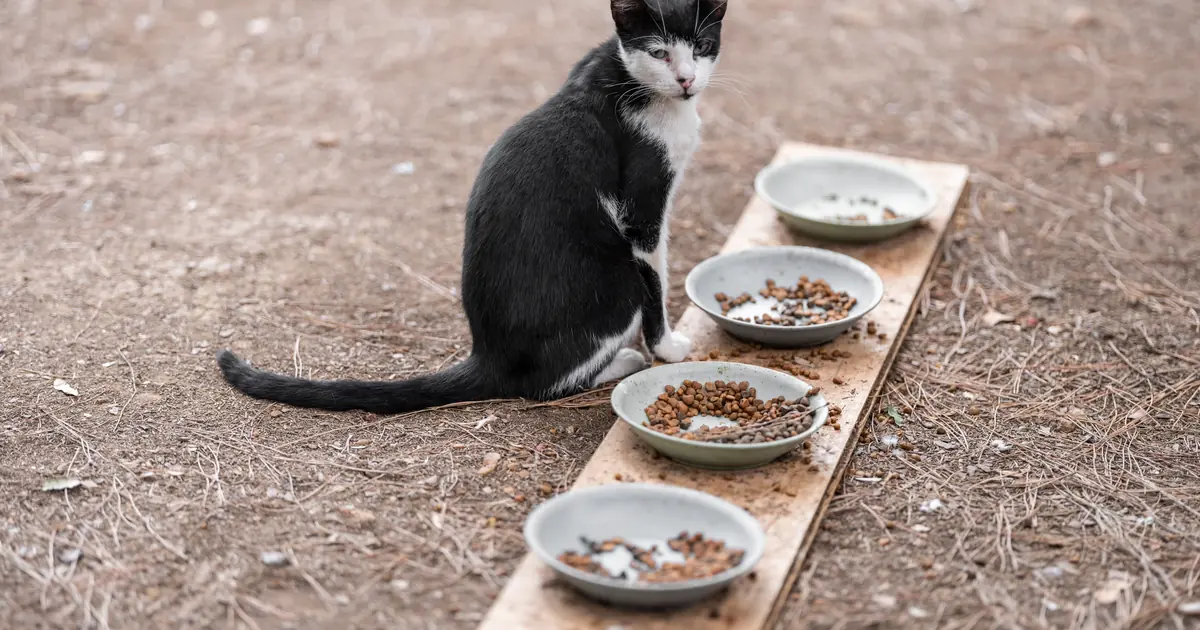
What looks like bingeing and purging in cats is almost always a simple case of eating too fast, sometimes called scarf and barf. A cat gulps down food quickly, swallows extra air along with it, and the stomach responds by sending everything right back up, often within minutes. It’s a mechanical reflex, not a choice about food or weight. You’ll usually see it happen fast, close to the food bowl, with the vomited food looking barely digested.
What causes cats to eat too fast and then throw up?
Cats gulp their food for a handful of common reasons, and most of them are easy to spot once you’re looking for them.
- Eating too quickly: Some cats just wolf down food regardless of the situation, especially if they were strays or came from a shelter with limited food access.
- Competition in multi-cat homes: A cat that feels it has to beat another cat or the family dog to the bowl will eat faster out of instinct.
- Hunger from irregular feeding: Cats fed once or twice a day, especially cats that always seem hungry, may overeat out of genuine urgency rather than habit.
- Sudden diet changes: Switching foods too fast can upset digestion and trigger vomiting even at a normal eating pace.
- Food sensitivities or allergies: Certain proteins or ingredients can irritate a cat’s stomach enough to cause vomiting after meals.
- Hairballs: A hairball sitting in the stomach can make a cat vomit shortly after eating, even though the hair itself has nothing to do with the meal.
What medical causes should a vet rule out?
Frequent vomiting after eating can also point to an underlying medical condition, which is exactly why a vet visit matters before you assume it’s “just” fast eating. According to the Cornell Feline Health Center, chronic vomiting in cats can be tied to conditions like inflammatory bowel disease, hyperthyroidism, kidney disease, intestinal parasites, or even a physical obstruction in the digestive tract. Older cats are especially prone to hyperthyroidism and kidney disease, both of which can show up first as vomiting after meals. A vet can run bloodwork and imaging to rule these out, which isn’t something you can do by watching your cat eat.
Regurgitation vs. vomiting: what’s the difference?
Regurgitation is the passive return of undigested food shortly after eating, with little to no effort, while vomiting is an active process involving abdominal heaving, nausea, and partially digested food or bile. This distinction matters because it points your vet toward different causes. Regurgitation often points to an issue with the esophagus or eating too fast, while vomiting more often points to a stomach, intestinal, or systemic problem. The VCA Hospitals notes that pet parents often confuse the two, which can delay an accurate diagnosis.
| Feature | Regurgitation | Vomiting |
|---|---|---|
| Timing | Seconds to minutes after eating | Can happen anytime, hours after eating |
| Appearance of food | Undigested, tube-shaped, little odor | Partially digested, may contain bile or foam |
| Effort involved | Passive, sudden, little warning | Active heaving, drooling, retching first |
| Likely cause | Eating too fast, esophageal issue | Hairballs, illness, dietary upset, obstruction |
How can you help a cat that scarfs and barfs?
You can usually slow this pattern down by changing how and where your cat eats, not just what’s in the bowl. Try these steps in order.
- Switch to a slow feeder bowl. These bowls have ridges or mazes that force your cat to work for each bite, which naturally paces the meal.
- Offer smaller, more frequent meals. Splitting food into 3 to 4 small portions a day reduces the urgency that leads to gulping.
- Separate cats or pets at mealtime. If competition is the trigger, feed each animal in its own space, even a different room.
- Try an elevated or wide, shallow bowl. Some cats gulp air with deep, narrow bowls, and raising the dish can also ease digestion.
- Transition diets gradually. Mix new food in over 7 to 10 days instead of swapping it overnight.
- Address hairballs directly. If your cat is prone to them, ask your vet about diet or grooming changes, since hairballs can also cause choking or vomiting on their own.
When should you see a vet for a cat that vomits after eating?
You should call your vet if vomiting happens more than once a week, if it continues after you’ve tried slow feeders and smaller meals, or if you notice any other red flags at all. Watch for these signs that mean it’s time to stop waiting and book an appointment:
- Vomiting more than once or twice a week
- Weight loss or a noticeably smaller appetite
- Lethargy or hiding more than usual
- Blood in the vomit, or vomit that looks like coffee grounds
- Refusing food or water for more than a day
- Repeated regurgitation, not just occasional vomiting
If you’re not sure which category your cat’s vomiting falls into, this guide on when to worry about cat vomiting can help you sort urgent from ordinary. And if the vomiting seems tied to clear liquid rather than food, clear liquid vomiting has its own set of likely causes worth ruling out too.
This article is meant to help you understand what’s normal and what’s not, but it isn’t a diagnosis. A licensed veterinarian is the only one who can examine your cat, run tests, and tell you exactly what’s causing repeated vomiting or regurgitation. Please don’t assume it’s “just eating too fast” if your cat is also losing weight, acting tired, or has blood in their vomit. Those signs deserve a same-day call to your vet, not a wait-and-see approach.
Frequently Asked Questions
Q: Can cats have eating disorders like humans do?
No, cats can’t develop human eating disorders like bulimia or anorexia nervosa, since those conditions are rooted in psychological factors like body image and emotional control that cats don’t experience. Cats can, however, have behavioral or medical issues that affect appetite and eating speed.
Q: Why does my cat throw up right after eating every time?
A cat that vomits after nearly every meal is often eating too fast, but it can also point to food sensitivities, hairballs, or a medical condition like inflammatory bowel disease. If it happens consistently, a vet visit is the right next step rather than just switching bowls.
Q: What is scarf and barf in cats?
Scarf and barf is a common nickname for when a cat eats too quickly and then regurgitates undigested food within minutes. It’s typically caused by gulping air along with food, and slow feeder bowls usually fix it within a few days.
Q: Is it normal for cats to vomit occasionally?
Occasional vomiting, once every week or two, can happen in otherwise healthy cats, especially from hairballs or eating too fast. Vomiting more than once a week, or alongside weight loss and lethargy, is not considered normal and needs veterinary evaluation.
Q: How do I know if my cat is regurgitating or vomiting?
Regurgitation happens quickly, with little effort, and brings up undigested, tube-shaped food. Vomiting involves visible heaving and nausea, and the food is usually partially digested or mixed with bile. Telling your vet which one you’re seeing helps them narrow down the cause faster.
Q: Can competition with other cats cause vomiting after eating?
Yes, cats in multi-pet households sometimes eat faster out of instinct to guard their food, which leads to gulping air and vomiting soon after. Feeding cats separately, in different rooms or at different times, often resolves this within a week or two.
Q: Do slow feeder bowls actually work for cats that vomit after eating?
Slow feeder bowls work for many cats because the ridges and mazes force smaller bites and longer meal times, which reduces air swallowing. They’re not a fix for medical causes of vomiting, so if vomiting continues after a couple of weeks, see a vet.
Q: When should I take my cat to the vet for vomiting after meals?
Take your cat to the vet if vomiting happens more than once a week, doesn’t improve with slower feeding, or comes with weight loss, lethargy, blood in the vomit, or loss of appetite. These signs can point to conditions like hyperthyroidism, kidney disease, or an intestinal obstruction that need prompt care.

Hello and welcome to The Ideal Cat!
We are some passionate cat owners from different professions. We love our cats and have a lot of experience in how to care for our pets. We are incredibly excited to share our knowledge, experience, and research with you. So you can take good care of your loving cat. We will answer most of the common questions about owning cats, taking care of them, etc. If you have any question contact with us. Thanks for visiting! Enjoy the content.
