
Your cat rumbles to life the moment you pick up the food bowl, then purrs again while dozing on your lap. Is it choosing to purr, or does it just happen? A bit of both, actually.
Here’s what science says about whether cats control their purring.
- Cats have partial control over purring, they can start it to communicate with you.
- Purring is also partly automatic, driven by emotion and the nervous system.
- Cats purr to signal contentment, but also to self-soothe when stressed, in pain, or unwell.
- The purr is produced by rapid muscle movements in the voice box, cued by the brain.
- Because purring isn’t only “happy,” read it with body language and context.
Can cats control their purr?
Cats have some control over their purr, but it’s not fully voluntary. Cats can initiate purring on purpose, for example to greet you, solicit food, or seek attention, so there’s a deliberate, communicative element. At the same time, purring is partly an automatic response tied to a cat’s emotional state and nervous system, which is why cats also purr without “deciding” to when relaxed, anxious, or hurting. The best answer is that purring is a mix of voluntary control and involuntary reflex.
How does a cat actually purr?
A cat purrs through rapid, rhythmic movements of the muscles in its voice box (larynx), signaled by the brain. As the cat breathes in and out, these muscles rapidly open and close the space between the vocal cords, creating the continuous rumbling sound on both the inhale and exhale. Because the brain cues this muscle activity, cats can trigger it to some degree, yet it also runs on autopilot with certain emotions. It’s a uniquely feline sound, quite different from a meow, and part of the broader picture of what a cat’s purring means.
Do cats purr on purpose to communicate?
Yes, cats often purr deliberately to communicate, especially with humans. A classic example is the “solicitation purr,” which cats use to ask for food or attention, sometimes blending a higher, more urgent note into the purr that people instinctively respond to. Cats also purr as a greeting and to strengthen bonds, and kittens purr to signal to their mother. This communicative purring shows cats can wield the purr as a social tool, not just an involuntary reaction, similar to how they use meows to “talk” to us.
Is purring always voluntary or a happy sign?
No, purring isn’t fully voluntary and doesn’t always mean happiness. Cats purr reflexively when content, but they also purr to comfort and calm themselves when stressed, frightened, in pain, or unwell, a self-soothing mechanism. Some cats even purr while giving birth or when very ill. So a purr paired with relaxed body language means a happy cat, while a purr alongside tension, hiding, or illness signs means something else. Context is everything, as we cover in do cats purr when sick.
Voluntary vs involuntary purring
Here’s how the two sides of purring compare.
| Type | When it happens |
|---|---|
| Voluntary (communicative) | Greeting you, asking for food, seeking attention |
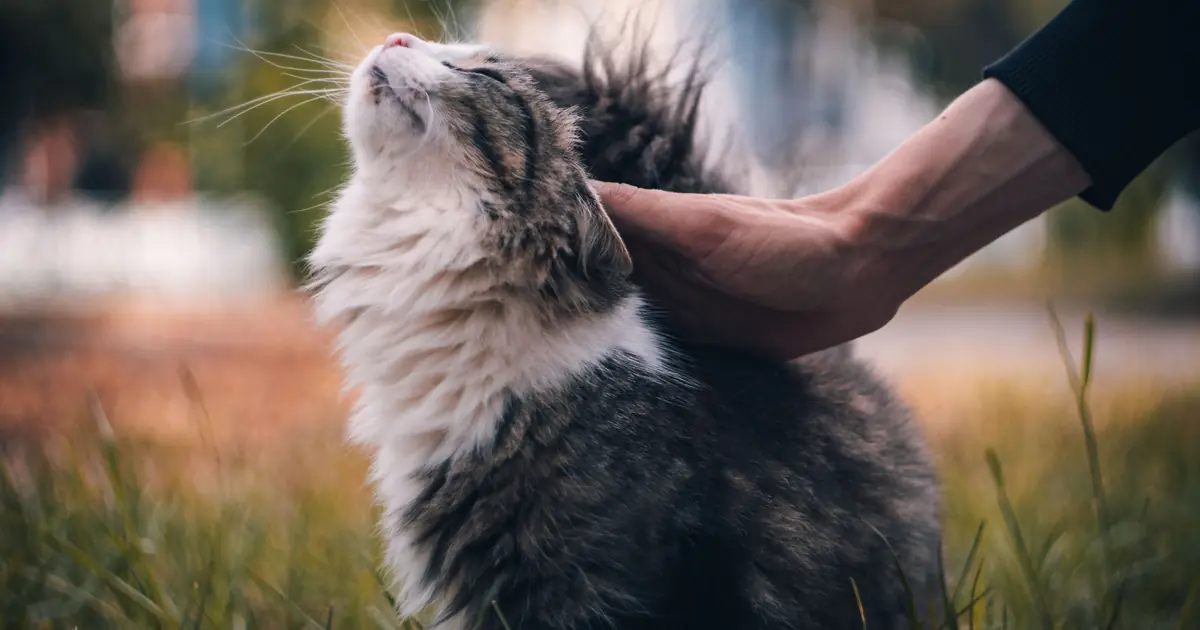
| Involuntary (contentment) | Relaxed, being petted, dozing happily |
| Involuntary (self-soothing) | Stressed, frightened, in pain, or unwell |
| Instinctive (kittens) | Bonding and signaling to the mother |
When should purring make you look closer?
Because cats purr when unwell too, pay attention if purring comes with worrying signs. A cat that purrs while hiding, off its food, lethargic, breathing hard, or showing pain may be self-soothing through discomfort rather than expressing joy. A sudden change in purring or other vocalizing also deserves attention. This article is educational and not a substitute for veterinary care; if your cat’s purring is paired with illness signs or behavior changes, see your vet. For how much and why cats vocalize, see do Siamese cats purr. Trusted background on feline communication comes from the ASPCA and International Cat Care.
Frequently Asked Questions
Q: Can cats control when they purr?
Partly. Cats can start purring on purpose to greet you or ask for food, so there’s voluntary control. But purring is also automatic, tied to emotion and the nervous system, so cats purr reflexively when content, stressed, or unwell too.
Q: Is purring voluntary or involuntary in cats?
It’s both. Cats can deliberately initiate a purr to communicate, yet purring also happens automatically with certain emotions. So it’s a blend, part voluntary social tool, part involuntary reflex driven by the brain and mood.
Q: Do cats purr on purpose to get food?
Yes. Cats use a “solicitation purr,” sometimes with a higher, urgent note mixed in, to ask for food or attention. This shows cats can purr deliberately as a way to communicate with and even gently manipulate their humans.
Q: Does purring always mean a cat is happy?
No. Cats mainly purr when content, but they also purr to self-soothe when stressed, scared, in pain, or ill. Read the purr with body language, relaxed means happy; tense, hiding, or unwell means look closer or see a vet.
Q: How do cats make the purring sound?
Rapid, rhythmic muscle movements in the voice box, cued by the brain, open and close the space between the vocal cords as the cat breathes in and out, creating a continuous rumble on both inhale and exhale.
Q: Can a cat purr when it’s in pain?
Yes. Cats sometimes purr to comfort themselves when in pain, frightened, or unwell, even while giving birth. That’s why a purr isn’t proof of happiness. If purring comes with illness or pain signs, have your vet examine your cat.

Hello and welcome to The Ideal Cat!
We are some passionate cat owners from different professions. We love our cats and have a lot of experience in how to care for our pets. We are incredibly excited to share our knowledge, experience, and research with you. So you can take good care of your loving cat. We will answer most of the common questions about owning cats, taking care of them, etc. If you have any question contact with us. Thanks for visiting! Enjoy the content.
