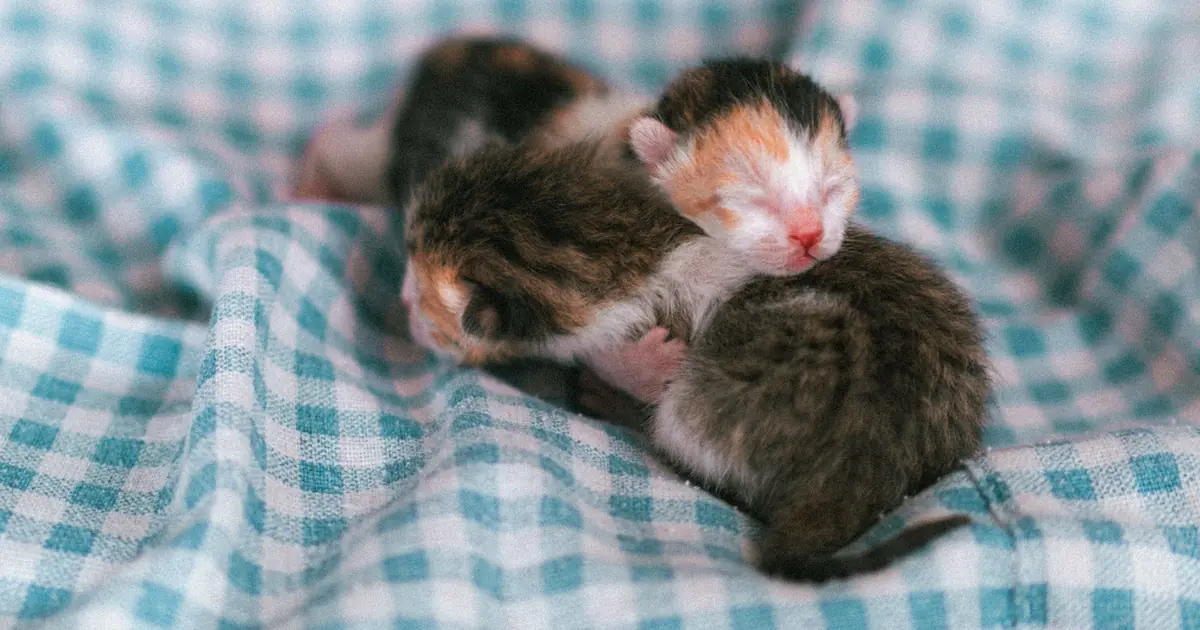
Picture this. Your cat’s been pregnant for weeks, her belly rounded out, and you’ve been quietly guessing at names for a whole crew. Then the big day comes, out slides one perfect kitten, and… that’s it. No number two. No number three. You sit there staring, wondering if something went wrong.
Here’s the reassuring part. Can cats have only one kitten? Absolutely. A litter of one is uncommon but completely real, and it usually means nothing is wrong at all. The one thing worth doing is making sure the “one” really is the whole story, because sometimes a kitten is still tucked inside. Let’s walk through it together.
- A cat can have a litter of just one kitten, though the average feline litter is about 3 to 5 kittens (and can range from 1 to 12).
- Singleton litters are more common in first-time queens, older cats, and some small or purebred cats.
- A cat that looks like she had “just one” may still have a kitten to deliver or a retained kitten inside, so a vet check or scan after birth is a smart move.
- Single kittens miss out on sibling play, which can lead to “single kitten syndrome,” rough biting and clingy or nippy behavior later on.
- Early gentle handling and, eventually, a feline companion help a solo kitten grow into a well-mannered cat.
Can a cat really have only one kitten?
Yes, a cat can genuinely give birth to a single kitten, and that’s called a singleton litter. It happens, it’s not a defect, and plenty of solo kittens grow up perfectly healthy. It’s just less common than a full litter. On average, cats have around 3 to 5 kittens, and anywhere from 1 to 12 falls within normal range, so a litter of one sits at the small end of that spread.
A single kitten often gets a head start in one nice way: it has all of mom’s milk to itself. That means singletons sometimes grow bigger and chunkier than kittens who share. If you want a sense of what a “normal” litter looks like by comparison, our guide on how many kittens your cat will have the first time lays out realistic expectations.
Why would a cat have only one kitten?
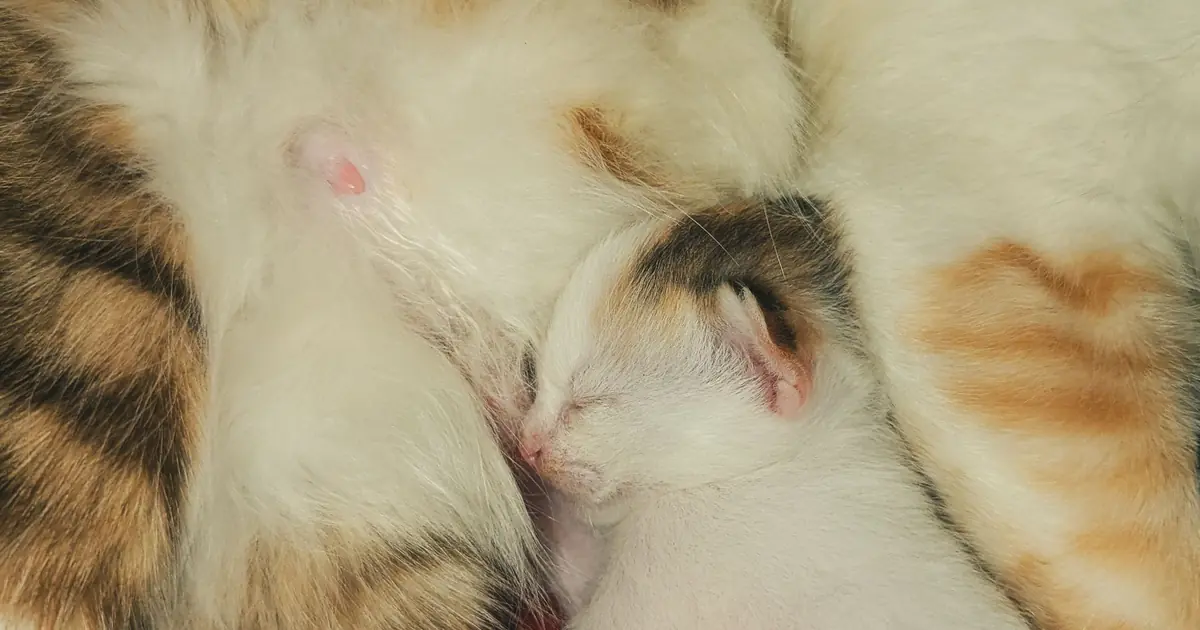
A cat has only one kitten for a handful of ordinary reasons, and most have nothing to do with poor health. It usually comes down to the queen’s age, her experience, her breed, or simple biology during that particular pregnancy.
Here are the common reasons behind a singleton litter:
- First-time moms. A queen’s very first litter is often smaller. A litter of one or two on the first go isn’t unusual.
- Older queens. As cats age, fertility drops, and litter sizes tend to shrink.
- Small or purebred cats. Some petite breeds and certain purebreds simply tend toward smaller litters.
- Fewer eggs fertilized. If only one egg is fertilized and implants successfully, one kitten is the result.
- Early loss or reabsorption. Sometimes more embryos start out, but the queen’s body reabsorbs one or more early in pregnancy, leaving a single kitten to develop fully.
The length of the pregnancy itself doesn’t change based on litter size. Cats carry for roughly the same window either way, which you can read more about in our breakdown of how long a cat is pregnant. For a deeper look at the biology, the Cornell Feline Health Center is a solid, vet-backed resource.
How is a singleton litter different from a typical litter?
A singleton litter differs from a typical litter mostly in kitten size and social experience, not in how the birth itself goes. The delivery works the same way. The differences show up afterward, in the nursing and in how the kitten learns to be a cat.
| Feature | Singleton litter (1 kitten) | Typical litter (3 to 5 kittens) |
|---|---|---|
| How common | Less common | Most common |
| Milk sharing | Kitten gets it all, often grows large | Milk shared among littermates |
| Sibling socialization | None from siblings | Learns bite limits and cat manners |
| Behavior risk | Higher risk of “single kitten syndrome” | Lower, littermates teach boundaries |
| Weaning | Same timeline (about 6 to 8 weeks) | Same timeline (about 6 to 8 weeks) |
Feeding a nursing mom and, later, her growing kitten matters a lot in both cases. Good nutrition supports her recovery and the kitten’s growth spurt, and our roundup of the best cat food can help you pick something that fits.
Could there be more kittens still coming or stuck inside?
Yes, and this is the one part worth taking seriously. What looks like “just one kitten” isn’t always the full litter. A second kitten can arrive hours after the first, and in some cases a kitten gets retained (stuck inside) and never delivered, which can turn dangerous for the mom.
So don’t assume she’s finished just because things went quiet. Watch her closely and look out for these signs that more may be on the way or that something’s off:
- Her belly still looks noticeably full or firm after the first kitten.
- She keeps straining, panting, or acting restless well after delivering.
- She seems unsettled, vocal, or in obvious discomfort.
- You see green or dark discharge with no kitten following it.
- She stops eating, runs a fever, or becomes lethargic in the days after.
A retained kitten or placenta can lead to a serious infection, so a quick vet visit is the safe play. A vet can feel her abdomen or run a quick scan to confirm the litter is truly complete. It’s also normal for a queen to have some bleeding afterward, and our guide on how long cats bleed after giving birth explains what’s typical versus concerning. For general post-birth guidance, VCA Hospitals has vet-written articles worth a read.
What is single kitten syndrome, and how do I help a solo kitten?
Single kitten syndrome is a behavior pattern seen in kittens raised with no littermates, where they miss out on the rough-and-tumble play that teaches cats their manners. It’s an anecdotal idea from cat behaviorists rather than a formal diagnosis, but the pattern is real enough that shelters take it seriously.
Here’s the thing about littermates. Between roughly 2 and 7 weeks of age, kittens learn how to be cats by wrestling each other. They figure out how hard is too hard to bite, when a swat means “play” and when it means “back off.” A solo kitten never gets that feedback, so it can grow up nippy, over-the-top during play, clingy, or quick to pick fights with other pets later.
The good news is you can fill that gap with a little effort. To help a singleton kitten grow up well-adjusted:
- Never use your hands as toys. Redirect biting to wand toys and kickers so the kitten learns skin is off limits.
- Play hard, daily. Several short play sessions burn off the energy a sibling would normally soak up.
- Say “ouch” and pause. When play gets too rough, stop and walk away for a minute. That mimics how a littermate reacts.
- Handle gently and often. Calm, frequent handling from an early age builds a confident, people-friendly cat.
- Consider a companion. Adding a second kitten of a similar age is the single best fix. They teach each other what you can’t.
For more on kitten development and behavior, International Cat Care offers reliable, welfare-focused advice.
When should you see a vet?
See a vet whenever a birth feels off or the litter’s completeness is in doubt. This article is educational and isn’t a substitute for hands-on veterinary care, so lean on your vet whenever you’re unsure.
Call your vet promptly if your cat:
- Still looks pregnant or has a full belly hours after delivering one kitten.
- Strains hard for more than 20 to 30 minutes without producing another kitten.
- Has foul-smelling, green, or bloody discharge without a kitten following.
- Runs a fever, stops eating, or grows weak and lethargic after birth.
- Ignores or rejects her kitten, or the kitten isn’t nursing.
A post-birth check-up is a good idea even when everything seems fine. It confirms mom is empty and healthy and that her single kitten is thriving. One kitten is perfectly possible and perfectly okay. Just confirm the litter is complete, feed mom and baby well, and give that solo kitten the social lessons a sibling would have taught, and you’ll have one happy, well-mannered cat.
Frequently asked questions
Q: Is it normal for a cat to have only one kitten?
Yes, it’s normal for a cat to have only one kitten, though it’s less common than the usual litter of 3 to 5. Singleton litters happen most often in first-time queens, older cats, and small breeds, and they don’t usually signal a health problem.
Q: How common is a singleton kitten litter?
A singleton litter is uncommon but far from rare. Since normal litters range from 1 to 12 kittens with an average around 3 to 5, a litter of one sits at the small end of normal. It shows up more in first-time and older queens.
Q: Could my cat still have more kittens after the first one?
Yes. A second kitten can arrive hours after the first, and occasionally a kitten is retained inside. If your cat’s belly still looks full, she keeps straining, or she seems unsettled, contact your vet to confirm the litter is complete.
Q: Why did my cat only have one kitten?
Cats often have a single kitten because of the queen’s age, a first pregnancy, a small breed, or because only one egg was fertilized. Sometimes more embryos start but are reabsorbed early in pregnancy, leaving one kitten to develop fully.
Q: Do single kittens have behavior problems?
Single kittens can develop “single kitten syndrome,” a pattern of nippy, over-rough, or clingy behavior from missing sibling play. It isn’t guaranteed. Daily play, gentle handling, never using hands as toys, and eventually a feline companion help prevent it.
Q: Should I get a second kitten for my singleton?
Adding a second kitten of a similar age is often the best fix for a singleton. Littermates teach each other bite limits and cat manners you can’t fully replicate. If a companion isn’t possible, plenty of playtime and boundaries still work.
Q: Will a single kitten grow bigger than kittens from a large litter?
Often, yes. A singleton kitten has all of its mother’s milk to itself, so it may grow larger and chunkier than kittens who share with littermates. That extra size is usually harmless as long as the kitten stays healthy.
Q: Does having one kitten mean something is wrong with my cat?
Not usually. A single kitten most often reflects the queen’s age, breed, or normal pregnancy variation, not illness. Still, a post-birth vet check is wise to rule out a retained kitten or placenta, which can cause serious infection if missed.

Hello and welcome to The Ideal Cat!
We are some passionate cat owners from different professions. We love our cats and have a lot of experience in how to care for our pets. We are incredibly excited to share our knowledge, experience, and research with you. So you can take good care of your loving cat. We will answer most of the common questions about owning cats, taking care of them, etc. If you have any question contact with us. Thanks for visiting! Enjoy the content.
