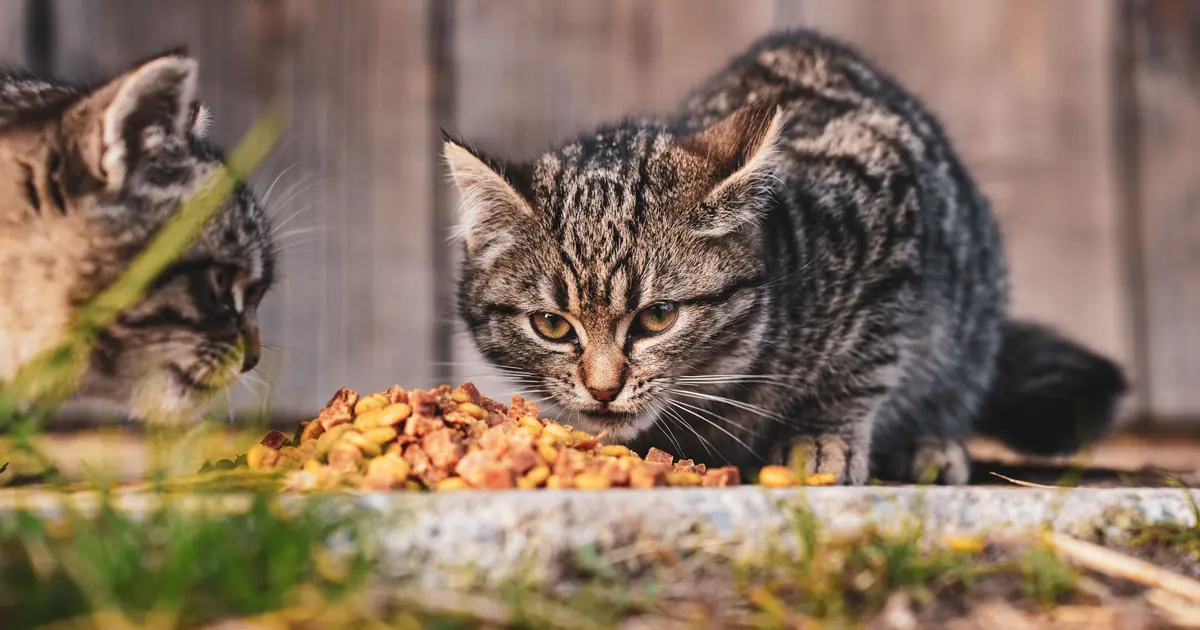
You crack open a can of tuna, and before the lid is even off, your kitten is doing figure-eights around your ankles and yelling like she hasn’t eaten in a week. That smell is pure magic to a cat. So you wonder: can kittens have tuna juice, just a little, as a treat?
The short version is yes, a small lick of plain tuna juice is usually okay for a weaned kitten now and then. But there’s a big difference between a rare treat and a regular thing, and the type of tuna in the can matters a lot. Here’s when it’s fine, when it’s not, and the safer ways to spoil your kitten.
- A small lick of tuna juice from tuna packed in spring water is an occasional treat for weaned kittens, not a food.
- Tuna juice has almost no complete nutrition, and tuna is high in mercury, which kittens are more sensitive to than adult cats.
- Tuna packed in brine is too salty and tuna packed in oil is too fatty, so both should be avoided for kittens.
- Unweaned kittens under about 4 weeks old need kitten milk replacer (KMR), never tuna juice or cow’s milk.
- Feeding too much tuna over time can cause thiamine deficiency or steatitis (yellow fat disease), so keep it rare.
Can kittens have tuna juice at all?
Yes, a weaned kitten can have a tiny amount of plain tuna juice as an occasional treat, as long as it comes from tuna packed in spring water. Think a teaspoon or less, once in a while, not a daily habit. The juice is mostly water with a strong fishy smell, which is exactly why cats love it and exactly why it does so little for their bodies.
Here’s the thing. Tuna juice is a flavor, not a food. It won’t hurt your kitten in small, rare amounts, but it won’t help her grow either. Kittens grow fast and need a balanced diet full of protein, fat, calcium, and vitamins. A complete kitten food does all that heavy lifting; tuna juice just tastes good. Let a proper complete kitten diet do the real work.
Why is tuna juice a treat and not real nutrition?
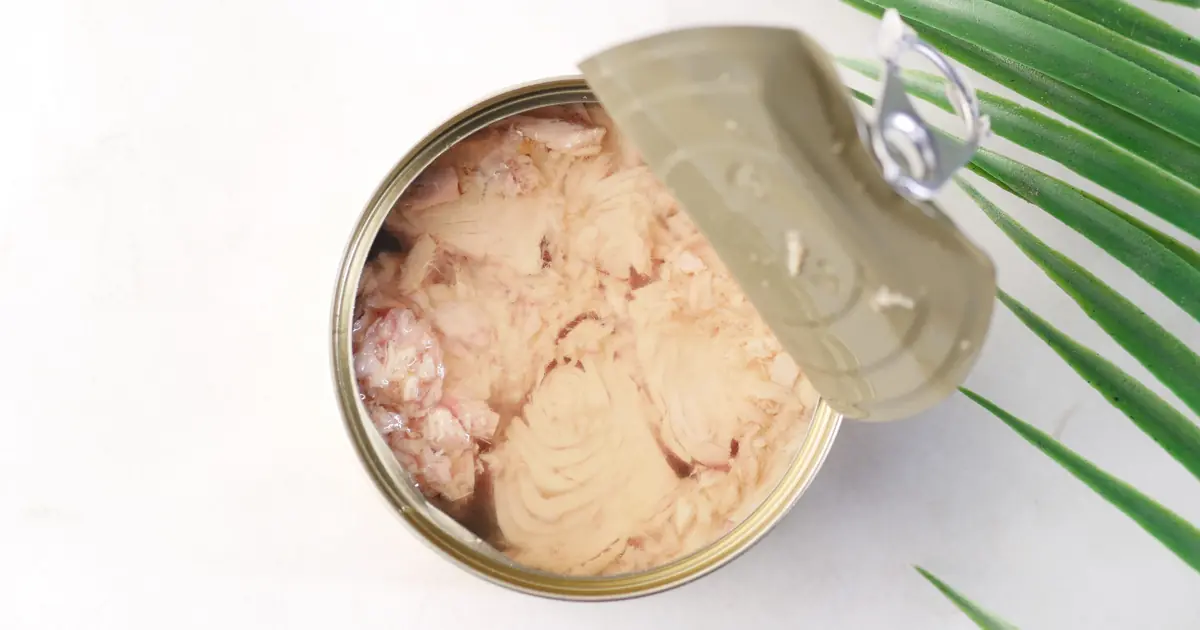
Tuna juice is a treat because it lacks the balanced nutrients kittens need and carries a few real risks when overdone. It’s tasty, low-calorie, and mostly water, so it can’t come close to replacing a meal.
There are three big reasons vets get twitchy about tuna for kittens:
- Mercury. Tuna is a large fish that stores mercury in its flesh, and that mercury ends up in the juice too. Kittens have small bodies, so toxins hit them harder than they hit an adult cat. Albacore (“white”) tuna carries the most mercury.
- Thiamine trouble. Fish can interfere with thiamine (vitamin B1), a nutrient cats can’t live without. A serious deficiency causes neurological problems like wobbliness, head tilt, and seizures. It’s rare from the odd lick, but a real risk if tuna becomes a staple.
- Steatitis. Too much oily fish, low in vitamin E, can cause steatitis (yellow fat disease), a painful inflammation of body fat. Vets see it most in cats fed a tuna-heavy diet.
None of that means one small lick is dangerous. It means tuna juice earns its place as a rare treat, not a routine. If you want to understand why so many “treat” liquids look nutritious but aren’t, our piece on why cats love milk covers the same trap.
Which type of tuna juice is safe: spring water, brine, or oil?
Only tuna packed in plain spring water is safe for kittens, and even then just the juice, in tiny amounts. Tuna in brine is loaded with salt, and tuna in oil is loaded with fat, so both are off the table for a growing kitten.
The label tells you everything. Reach for the can that says “in spring water” or “in water” with no added salt. Here’s how the three common types stack up.
| Tuna packing type | Safe for kittens? | Why |
|---|---|---|
| Spring water (no salt) | Occasionally, tiny amount | Mostly water and flavor; lowest risk as a rare treat |
| Brine (salt water) | No | Too much salt for a small kitten’s body |
| Oil (sunflower, olive, etc.) | No | Too fatty; raises the risk of stomach upset and steatitis |
One more note: skip anything flavored, seasoned, or packed with onion or garlic. Those add-ins are toxic to cats, and they show up in a lot of “gourmet” tuna pouches meant for people.
Does my kitten’s age change the answer?
Yes, age changes everything here. Unweaned kittens (roughly under 4 weeks old) should never have tuna juice. They need kitten milk replacer (KMR), a formula built to match cat milk, fed on a schedule. Tuna juice, cow’s milk, and water don’t give a tiny kitten what she needs to survive and grow.
Around 4 to 8 weeks, kittens start weaning onto soft kitten food, and by 8 weeks most are eating a complete kitten diet. That’s the earliest point where a rare lick of tuna juice makes any sense, and even then it’s optional and tiny. If you’re raising a very young or orphaned kitten, our guide on what young kittens can and can’t drink explains why formula is the only safe choice at that stage.
Can I use tuna juice to get a sick kitten to eat or drink?
Yes, and this is honestly tuna juice’s best use. A splash of tuna water can tempt a kitten who’s off her food or not drinking enough, because the strong smell cuts through a stuffy nose or a poor appetite. Vets sometimes suggest it for exactly this reason.
But do it under vet guidance, not as a home fix. A kitten who won’t eat or drink can go downhill fast, so refusing food is a symptom worth a phone call, not a wait-and-see. If your vet gives the nod, try drizzling a little spring-water tuna juice over her regular food to encourage her. The goal is to get her back onto proper food, not to keep her on tuna water.
What are better treat options for kittens?
Better kitten treats are ones built for cats: small, meat-based, and balanced for their size. Tuna juice is fine as an occasional novelty, but you’ve got safer everyday options that won’t tip the mercury or fat scales.
- A few pieces of plain cooked chicken or turkey, no salt, no seasoning.
- Kitten-specific treats made for growing cats, given in moderation.
- A lick of plain wet kitten food as a “special” moment.
- A little water from cooked (unseasoned) fish or plain bone-free chicken, used the same way you’d use tuna juice.
Keep treats to about 10% of your kitten’s daily calories so they don’t crowd out real nutrition. For ideas made for cats and easy to portion, browse our roundup of safe cat treat options. And remember, the best treat for a growing kitten is a genuinely tasty complete food she looks forward to.
This article is educational and not a substitute for veterinary advice. If your kitten refuses food, seems weak, vomits, or shows any wobbliness or neurological signs, contact your veterinarian right away.
Frequently asked questions
Q: Can 4-week-old kittens have tuna juice?
No. At 4 weeks kittens are just beginning to wean and still need kitten milk replacer (KMR) as their main nutrition. Tuna juice offers no real nourishment at this stage, so it should wait until a kitten is fully weaned and eating complete kitten food, usually around 8 weeks or older.
Q: How much tuna juice can a kitten have?
Keep it to a teaspoon or less, and only once in a while, not daily. Tuna juice is a flavor treat, not a food, and too much can upset a kitten’s stomach or, over time, contribute to thiamine or fat-related problems. With treats, less is safer for a growing kitten.
Q: Is tuna juice in brine or oil bad for kittens?
Yes, both are bad choices for kittens. Tuna packed in brine has too much salt for a small kitten’s body, and tuna packed in oil is too fatty and can raise the risk of stomach upset and steatitis. Only plain spring-water tuna juice is suitable, and even then only in tiny amounts.
Q: Can tuna juice replace water for a kitten?
No. Tuna juice can encourage a reluctant kitten to drink, but it should never replace clean, fresh water. Always keep a bowl of plain water available. If your kitten won’t drink at all, that’s a reason to call your vet, not to switch her over to tuna water.
Q: Can I give tuna juice to a sick kitten who won’t eat?
Sometimes, but check with your vet first. A splash of spring-water tuna juice over food can tempt a kitten with a poor appetite because of its strong smell. Still, a kitten who won’t eat needs veterinary attention quickly, since young cats can decline fast when they stop eating.
Q: What kind of milk can kittens drink instead of tuna juice?
Young kittens should drink kitten milk replacer (KMR), a formula made to match a mother cat’s milk. Cow’s milk, tuna juice, and water aren’t suitable for unweaned kittens. Once weaned, kittens get everything they need from a complete kitten food and plain fresh water.
Bottom line on whether kittens can have tuna juice: a small lick of plain spring-water tuna juice is a fine once-in-a-while treat for a weaned kitten, but it’s never a meal and never for unweaned kittens. Skip the salty and oily kinds, keep portions tiny, and lean on a complete kitten diet for real growth. For more on kitten nutrition basics, the ASPCA’s cat nutrition tips, PetMD’s nutrition library, and the Cornell Feline Health Center are all solid, vet-backed places to read more.

Hello and welcome to The Ideal Cat!
We are some passionate cat owners from different professions. We love our cats and have a lot of experience in how to care for our pets. We are incredibly excited to share our knowledge, experience, and research with you. So you can take good care of your loving cat. We will answer most of the common questions about owning cats, taking care of them, etc. If you have any question contact with us. Thanks for visiting! Enjoy the content.
