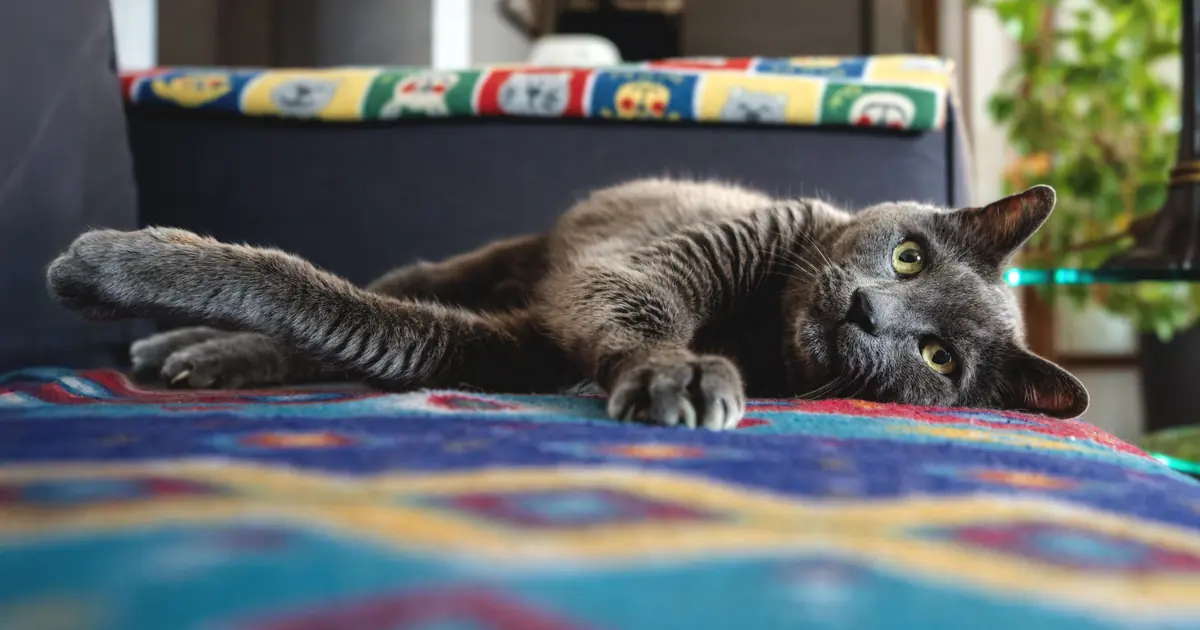
You know your cat better than anyone. So when the light in them starts to dim, you feel it before you can name it. Maybe they’ve stopped meeting you at the door. Maybe they’re tucked into a quiet corner they never used to choose. If you’re searching for the signs of a dying cat, I’m so sorry you’re here. This is one of the hardest parts of loving an animal, and your worry means everything about how much you care.
Let’s walk through this gently, together. Knowing what to look for won’t make it hurt less, but it can help you understand what your cat is telling you, keep them comfortable, and know when it’s time to lean on your vet. Take your time. There’s no rush in reading this.
- A dying cat often becomes very weak and sleepy, hides in quiet spots, stops eating and drinking, and slowly withdraws from the family.
- A body temperature below the normal 100.5 to 102.5°F, with cool paws and ears, is a strong sign a cat’s body is shutting down.
- These signs overlap with illnesses your vet can treat, so a check-up matters before you assume the worst.
- Comfort care means warmth, quiet, easy access to food, water, and litter, and gentle pain relief guided by your vet.
- A vet can help you weigh your cat’s quality of life and decide when euthanasia is the kindest, most loving choice.
What are the most common signs a cat is dying?
The most common signs a cat is dying are deep tiredness, hiding, refusing food and water, weight loss, a drop in body temperature, and pulling away from the people and routines they once loved. No single sign means the end for certain. It’s usually a cluster of changes, appearing together and getting slowly worse over days or weeks, that tells the fuller story.
Here are the signs cat parents most often notice as the end draws near:
- Extreme lethargy and weakness. Your cat sleeps almost all day and struggles to lift their head or stand.
- Hiding or seeking seclusion. Many cats retreat to a closet, under a bed, or a dark corner. It’s an old instinct to stay safe when they feel vulnerable.
- Little or no appetite and thirst. Food and water lose their pull. Near the very end, most cats stop eating and drinking altogether.
- Weight loss and a bony feel. Their spine, hips, and shoulders start to show, sometimes quickly.
- A low body temperature. Their paws, ears, and tail feel cool to the touch as circulation slows.
- A messy, greasy coat. When grooming stops, the fur looks dull, matted, or unkempt. For a cat, this is a big change.
- Changed breathing. Breaths may turn slow, shallow, or labored, sometimes with open-mouth effort or long pauses.
- Trouble moving. Wobbly legs, stumbling, or an unwillingness to jump or climb.
- Litter box accidents. Incontinence, or simply not making it to the box, is common as the body weakens.
- Dull, distant eyes. Their gaze can look glassy or faraway, less bright than the eyes you know.
- Withdrawal. Some cats grow quiet and detached. Others become unusually clingy. Both are ways of saying something has shifted.
If you want to understand more of what your cat may be experiencing, our guide on how to tell if a cat is in pain can help you read the quieter signals cats are so good at hiding.
Why does my cat hide when they’re dying?
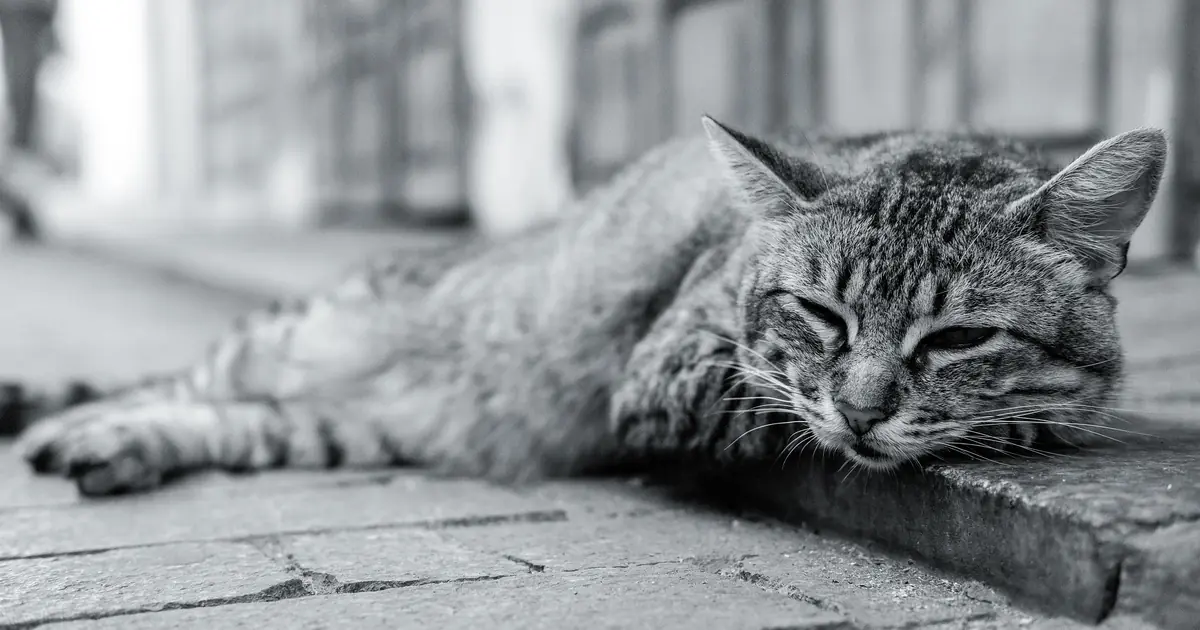
Cats hide when they’re dying because of a deep survival instinct, not because they want to be alone or are angry with you. In the wild, a sick or weak animal is a target. So cats are wired to tuck themselves somewhere quiet and hidden when they feel unwell or unsafe. Your dying cat isn’t rejecting you. They’re following an instinct older than any of us.
You might find your cat behind the couch, deep in a closet, or somewhere cool and dark they’ve never favored before. It can feel heartbreaking, like they’re slipping away from you on purpose. They aren’t. You can gently place a soft blanket nearby, keep the space calm, and let them know you’re close without forcing them into the open. Presence, not pressure, is the kindest gift here.
What does a cat’s body do in the final days?
In the final days, a cat’s body begins to slow and shut down in ways you can see and feel. Circulation drops, so the paws and ears turn cool. The heart and breathing may become irregular. Appetite fades, then thirst. The table below shows some of the changes cat parents often notice, and gently, what they tend to look like.
| Sign | What it often looks like |
|---|---|
| Low body temperature | Cool paws, ears, and tail; a cat who seeks warmth or feels cold to the touch, below the normal 100.5 to 102.5°F range |
| Breathing changes | Slow, shallow, or labored breaths, sometimes with pauses or open-mouth effort |
| Stopping grooming | A dull, greasy, or matted coat that no longer looks cared for |
| Not eating or drinking | Turning away from favorite foods and water, even treats |
| Weakness and stillness | Sleeping almost constantly, unable to stand or move easily |
| Withdrawal | Quiet detachment, or unusual clinginess and a need to be near you |
One tender thing to know: many cats purr even in their final hours. It doesn’t always mean they’re content. Purring can be a way cats self-soothe when they’re stressed or in pain. If you’d like to understand this better, we wrote about why cats purr when they are dying so this soft sound feels a little less confusing.
Could these signs mean something treatable instead?
Yes, and this matters more than almost anything else on this page. The signs of a dying cat overlap heavily with illnesses your vet can treat or manage. Kidney disease, diabetes, hyperthyroidism, infections, dental pain, and cancer can all cause weight loss, hiding, poor appetite, and low energy. A cat who looks like they’re fading may actually be treatable, and sometimes they bounce back beautifully with care.
That’s why this article helps you recognize signs, not diagnose your cat. Only a licensed veterinarian can examine your cat, run tests, and tell you whether you’re facing a treatable condition or a true end-of-life decline. Please don’t carry this alone or guess in the dark. A vet visit can bring answers, options, and sometimes relief you didn’t expect. Cats are famous for masking illness, so what looks like the end is sometimes a signal that help is still possible. You can read a little about typical cat lifespan for gentle context, but your own vet knows your cat’s story best.
Trusted resources like the Cornell Feline Health Center and International Cat Care also stress that sudden or worsening changes always deserve a professional look.
How can I keep my dying cat comfortable?
You can keep a dying cat comfortable with warmth, quiet, easy access to their needs, and lots of gentle, loving presence. Comfort care is about softening these last days, not curing what can’t be cured. And there’s so much you can still do that matters.
- Keep them warm. Offer a soft, warm bed away from drafts. A safe, low-heat warming pad or a warm blanket can help a cat whose body is running cold.
- Bring everything close. Place food, water, and a low-sided litter box within a few steps so they don’t have to struggle to reach them.
- Tempt gently, never force. Offer warmed, strong-smelling favorite foods. If they don’t want it, don’t push. Forcing food can cause distress.
- Keep them clean. Softly wipe their coat and face with a warm, damp cloth if they can no longer groom themselves.
- Protect the peace. Keep noise, kids, and other pets calm and low-key. A quiet, dim, safe space helps them relax.
- Manage pain with your vet. Ask your vet about safe pain relief. Never give human medications, which can be dangerous or fatal to cats.
For more tender, practical ideas, our guide on how to comfort a dying cat walks you through the small acts of love that mean the most now. Groups like VCA Animal Hospitals also offer gentle guidance on hospice and palliative care at home.
When should I call my vet or talk about euthanasia?
Call your vet whenever your cat’s signs are worsening, whenever they seem to be in pain, or whenever you simply feel unsure and afraid. You never need a “good enough” reason to reach out. And when your cat’s suffering can no longer be eased, it’s time to gently talk with your vet about euthanasia, the humane, peaceful goodbye that spares them further pain.
Please contact your vet right away if you notice any of these:
- Open-mouth breathing, gasping, or clear struggle to breathe
- Crying out, hiding from touch, or other signs of pain that won’t settle
- Repeated collapse, seizures, or an inability to stand or lift the head
- No food or water for more than a day, or ongoing vomiting
- A body that feels cold, or a cat who seems to be actively fading
Deciding when to say goodbye is one of the deepest acts of love you’ll ever give. Many vets use a simple quality-of-life scale, sometimes called the HHHHHMM scale, which looks at Hurt, Hunger, Hydration, Hygiene, Happiness, Mobility, and whether there are More good days than bad. When the bad days start to outnumber the good ones, that’s often the sign. Your vet can help you weigh it honestly and kindly. If a peaceful home goodbye feels right for your family, our guide on choosing to euthanize a cat at home explains this vet-guided option. This choice is never a failure. It’s the final gift of mercy you give the cat who gave you so much.
How can I be there for my cat at the end?
You can be there for your cat at the end simply by being near, calm, and loving. Cats often take comfort from a familiar voice, a gentle hand, and your quiet company. You don’t have to have the right words or hold it together perfectly. Just being present is enough.
Sit with them. Speak softly. Stroke them the way they’ve always liked, if touch still soothes them. Let them choose their spot, even if that spot is tucked away from you. Your scent and your voice are woven into their whole life, and that comfort doesn’t leave them now. Grief may come in waves, before and after, and every bit of it is a measure of the love you shared. Be as gentle with yourself as you are with your cat. You’re doing a hard, beautiful thing.
A gentle note on care
This article is here to help you recognize the signs of a dying cat and offer comfort, not to diagnose your cat or replace professional care. Please work closely with your veterinarian to confirm what’s happening, manage any pain, and decide together when euthanasia may be the kindest choice. You and your vet, as a team, will give your cat the softest possible ending. That’s all any of us can hope to do for the ones we love.
Frequently asked questions about the signs of a dying cat
Q: How long can a cat live once it stops eating and drinking?
A cat that has completely stopped eating and drinking is usually in a serious decline and may have only a few days left, though it varies with the underlying condition. Refusing food and water is a strong signal to call your vet promptly, both to rule out treatable causes and to plan comfort care.
Q: Do cats know when they are dying?
Cats likely don’t understand death the way people do, but they clearly sense when their body is failing and often respond by hiding, resting, and withdrawing. Rather than fear, they tend to seek safety and quiet. Your calm, loving presence still brings them comfort in these final days.
Q: Why is my dying cat’s body cold?
A dying cat’s body feels cold because circulation slows as the body shuts down, so warmth fades from the paws, ears, and tail first. A normal cat temperature is 100.5 to 102.5°F, and a drop below that is a serious sign. Offer a warm bed or safe low-heat pad, and contact your vet.
Q: Should I let my cat die naturally at home or choose euthanasia?
Both can be loving choices, but the guiding question is your cat’s comfort. If they are suffering and pain can no longer be eased, euthanasia offers a peaceful, painless goodbye. Natural death can involve distress, so talk openly with your vet about what a gentle passing looks like for your cat.
Q: Is my cat in pain while dying?
A dying cat may or may not be in pain, depending on their illness, and cats are experts at hiding discomfort. Watch for hiding, crying out, tense posture, fast breathing, or flinching at touch. Never give human pain medication. Ask your vet about safe, cat-specific relief to keep them comfortable.
Q: Why is my dying cat still purring?
Purring doesn’t always mean a cat is happy. Cats also purr to self-soothe when they’re stressed, in pain, or nearing the end. A dying cat’s purr can be a comforting reflex rather than a sign of contentment, so gently watch their other signs and your vet’s guidance too.
Q: My cat is suddenly hiding and not eating. Is she dying?
Not necessarily. Hiding and refusing food are common signs of a dying cat, but they’re also classic signs of treatable illness like kidney disease, infection, or dental pain. Because cats mask sickness so well, these changes always warrant a vet visit rather than assuming the worst.
Q: How can I tell if it’s time to say goodbye?
It’s often time when the bad days outnumber the good ones and your cat can no longer enjoy the things they love. Many vets use a quality-of-life scale measuring pain, appetite, hydration, hygiene, happiness, and mobility. Your vet can help you assess this honestly and choose with love.

Hello and welcome to The Ideal Cat!
We are some passionate cat owners from different professions. We love our cats and have a lot of experience in how to care for our pets. We are incredibly excited to share our knowledge, experience, and research with you. So you can take good care of your loving cat. We will answer most of the common questions about owning cats, taking care of them, etc. If you have any question contact with us. Thanks for visiting! Enjoy the content.
