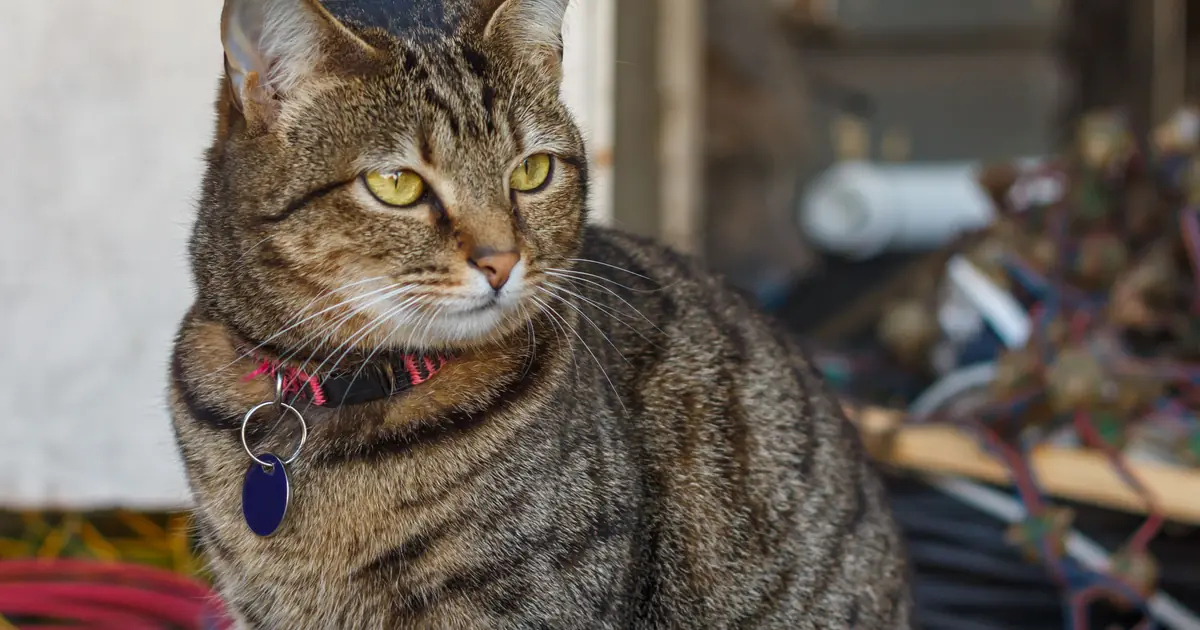
You reach down to scratch your cat’s belly, and out of nowhere you get a bite and a swat. Ten minutes later she’s curled up on your lap like nothing happened. So was she mad at you? Sort of, but not in the way you’re picturing.
Cats don’t sit around stewing over what you did an hour ago. Their emotional world runs on the present moment, and once the trigger is gone, so is the feeling. Understanding what your cat is actually feeling, instead of layering human emotions like spite onto her, is the fastest way to stop taking her moods personally.
- Cats experience real emotions, including fear, frustration, and annoyance, but there’s no evidence they feel complex, human-style anger or plot revenge against their owners.
- A “mad” cat is almost always an overstimulated, startled, or stressed cat reacting to something happening right now, not something from earlier in the day.
- Flattened ears, a swishing or thumping tail, dilated pupils, and hissing are the clearest signs a cat is upset and needs space.
- So-called “revenge pooping” outside the litter box is not payback; it’s almost always stress, illness, or a litter box problem.
- Sudden, out-of-character aggression can be a sign of pain or illness, so it’s worth a vet visit if your cat’s mood shifts abruptly.
Do cats actually get mad at you?
Cats can feel frustrated, scared, or annoyed with something you did, but they don’t experience anger the way people do, and they don’t stay mad. A cat that hisses when you trim her nails or swats when you pick her up too suddenly is reacting to that exact moment, not building a case against you. According to International Cat Care, feline emotional responses are tied closely to immediate triggers like fear, pain, or overstimulation rather than long-running grudges. Give your cat a few minutes of quiet, and that “mad” cat is usually back to normal, rubbing against your leg like nothing happened.
What emotions do cats actually feel?
Cats feel a real range of emotions: fear, frustration, anxiety, contentment, curiosity, and annoyance. What they almost certainly don’t feel is the complex, forward-looking anger that involves plotting or holding a grudge. Researchers who study animal behavior generally agree that cats experience primary emotions rooted in survival and comfort, not the layered social emotions like spite that require imagining someone else’s future and wanting to punish them for it later. Your cat can be annoyed that you moved her food bowl. She can’t be annoyed that you moved it three days ago and be waiting for the right moment to get you back.
How can you tell when a cat is upset or “mad”?
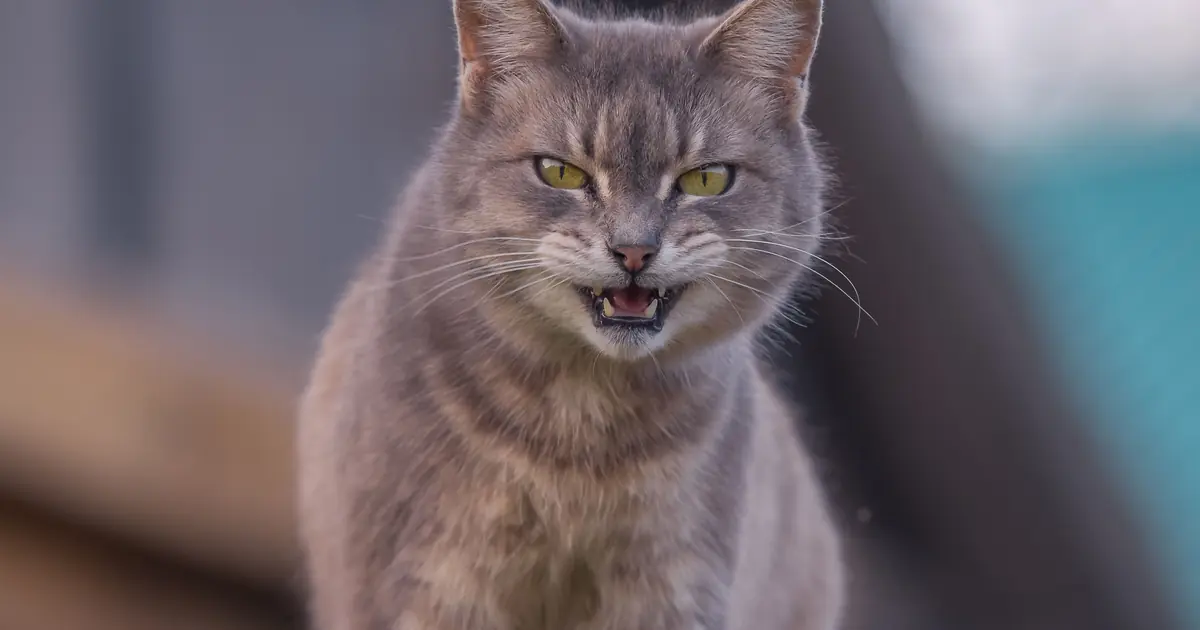
An upset cat tells you with her body before she ever needs to use teeth or claws. Watch for ears pinned back or rotated sideways (sometimes called “airplane ears”), a tail that’s swishing hard or thumping the floor, pupils that suddenly go wide, or a low growl and hiss. Some cats go the opposite direction and go still, flatten low to the ground, or bolt to hide under the bed. Learning to read cat body language before things escalate is the single best way to avoid getting bitten or scratched, because almost every cat gives a warning before she swats.
| Sign | What your cat is likely feeling |
|---|---|
| Ears flattened or turned back | Fear, irritation, or feeling threatened |
| Tail swishing or thumping | Growing frustration or overstimulation |
| Hiding or avoiding you | Anxiety, stress, or feeling overwhelmed |
| Swatting or biting | A clear “stop now” warning after being ignored |
| Hissing or growling | Fear or a strong desire to be left alone |
Why do cats act mad at their owners?
Cats usually act “mad” because something in their environment has crossed a line they can’t verbally explain to you. The most common triggers include:
- Overstimulation from petting. Long petting sessions can flip from pleasant to irritating fast, which is why so many cats bite after a few minutes of belly rubs.
- Being startled. A loud noise, sudden movement, or being woken up abruptly can trigger a defensive reaction.
- A dirty litter box. Cats are naturally clean animals, and a box that hasn’t been scooped can genuinely stress them out.
- Changes to routine or environment. New furniture, a moved food bowl, or a schedule shift can unsettle a cat who thrives on predictability.
- Pain or illness. A cat who suddenly doesn’t want to be touched in a spot she used to enjoy may be hurting there.
- A new pet or person in the house. Unfamiliar scents and competition for territory are classic stress triggers.
- Being picked up when she doesn’t want to be. Some cats simply don’t like being restrained, and they’ll say so with a squirm or a nip.
Once you know the trigger, most “mad” moments make a lot more sense, and they’re rarely about you personally.
Do cats hold grudges or seek revenge?
No, cats don’t hold grudges or seek revenge in any way that matches how people use those words. Their memory works well for associations (this person equals scary vet visits) but there’s no evidence they replay a wrong and plan payback later. If your cat seems cold to you after a trip to the vet, it’s more likely she’s picking up on unfamiliar smells clinging to you than nursing a grudge. We cover this in more detail in do cats hold grudges, including why some cats seem to avoid certain people for days.
The idea of “revenge pooping,” a cat supposedly peeing or pooping outside the box to get back at you, is a myth worth retiring. What’s actually happening is almost always stress, a medical issue, or a problem with the litter box itself: it’s dirty, it’s the wrong size, there aren’t enough boxes, or your cat associates it with pain from a past UTI. If this sounds familiar, our guide on why your cat is pooping on your bed walks through the real causes and fixes.
How do you tell if your cat is mad or in pain?
The line between “annoyed” and “hurting” comes down to how sudden and out-of-character the reaction is. A cat who’s mildly annoyed gives warning signs first (ears back, tail flick) and calms down once the trigger stops. A cat in pain often reacts explosively to a touch that never used to bother her, flinches away from normal handling, or starts avoiding activities she used to enjoy, like jumping or being brushed. Conditions like arthritis, dental disease, or an injury can all make a cat suddenly seem “grumpy” when she’s actually hurting. The Cornell Feline Health Center notes that behavior change is often one of the earliest and clearest signs cats give that something physical is wrong, since they’re wired to hide pain as a survival instinct.
How do you make peace with an upset cat?
The fastest way to make peace with an upset cat is to simply give her space and let her come back to you on her own terms. Don’t chase her down, don’t scoop her up to “make up,” and don’t raise your voice. Instead:
- Stop whatever triggered the reaction immediately.
- Walk away and let your cat decompress somewhere quiet.
- Restore her normal routine (same feeding time, same quiet spaces) as soon as you can.
- Offer a low-pressure positive moment later, like a treat or a favorite toy, without forcing interaction.
- Let her approach you first once she’s ready.
Never punish a scared or upset cat, including yelling, swatting back, or using a spray bottle. Punishment doesn’t teach cats what you want; it just teaches them to be afraid of you, which makes the whole cycle worse. The ASPCA recommends addressing the root cause of unwanted feline behavior rather than punishing the reaction itself.
When should you see a vet about a “mad” cat?
See a vet if your cat’s aggression or mood shows up suddenly and doesn’t match her usual personality, especially if it’s paired with other changes like reduced appetite, hiding more than normal, or reacting badly to being touched in a specific spot. A cat who was easygoing for years and suddenly starts hissing or swatting regularly is telling you something is off, and it’s often physical rather than behavioral. Our guide to why your cat is suddenly aggressive breaks down the medical and environmental causes worth ruling out. This article is educational and isn’t a substitute for a hands-on exam. If you’re worried, a licensed veterinarian is the right next call.
Does your cat still love you even when she seems mad?
Yes, a cat can be irritated with you in one moment and still be deeply bonded to you overall. Feline affection and momentary frustration aren’t opposites; they’re just different emotional states that pass at different speeds. If you want the fuller picture of how cats express attachment, our post on how to tell if your cat loves you covers the everyday signs, from slow blinks to head bumps. And if you’re noticing more frequent stress signals in general, not just occasional annoyance, it’s worth reading up on signs of stress in cats so you can catch it early.
Frequently Asked Questions
Q: Do cats remember when you make them mad?
Cats form associations rather than replaying specific memories the way people do. A cat might associate a certain person or event with a bad experience, like a carrier meaning a vet visit, but she isn’t recalling the exact moment you upset her days later and holding it against you.
Q: Why does my cat bite me when I pet her?
This is usually overstimulation, not anger. Repeated stroking can build up sensory input until it becomes uncomfortable, and a bite or nip is your cat’s way of saying “that’s enough now.” Our guide on why cats bite during petting covers how to spot the warning signs before it happens.
Q: How long does a cat stay mad at you?
Usually just minutes, not hours or days. Once the trigger is removed and your cat feels safe again, her mood typically resets. If a cat seems to avoid you for a full day or more, something else, like illness or ongoing stress, is more likely the cause.
Q: Can cats be passive aggressive?
Not in the human sense of deliberately being subtle to punish you. Behaviors that look passive aggressive, like knocking something off a shelf or ignoring you, are more often attention-seeking, stress responses, or normal exploratory behavior rather than a calculated message.
Q: Is it true cats poop outside the box out of spite?
No, this is a myth. So-called “revenge pooping” is almost always caused by a dirty litter box, a medical issue like a urinary tract infection, or stress from a change in the home. Ruling out these causes solves the problem far more often than assuming your cat is trying to get back at you.
Q: Should I punish my cat for being aggressive?
No. Punishing a scared or frustrated cat, including yelling or using a spray bottle, tends to increase fear and can make aggression worse over time. It’s more effective to remove the trigger, give your cat space, and address the underlying cause.
Q: What does it mean if my cat’s tail is thumping?
A thumping or hard-swishing tail is one of the clearest signs of rising irritation or overstimulation in cats. It’s usually a warning sign that a bite or swat could follow if the interaction, like petting, doesn’t stop.
Q: Can a change in routine make my cat act mad?
Yes. Cats are creatures of habit, and changes like a new feeding schedule, moved furniture, or a new pet in the home can genuinely stress them out. That stress often shows up as irritability, hiding, or short-tempered reactions until your cat adjusts.

Hello and welcome to The Ideal Cat!
We are some passionate cat owners from different professions. We love our cats and have a lot of experience in how to care for our pets. We are incredibly excited to share our knowledge, experience, and research with you. So you can take good care of your loving cat. We will answer most of the common questions about owning cats, taking care of them, etc. If you have any question contact with us. Thanks for visiting! Enjoy the content.
