
Waking up to find a mess on your comforter is enough to make anyone want to scream into a pillow. Your first thought is probably “why would she do this to me?” But here’s the thing: your cat isn’t mad at you, and she isn’t trying to ruin your favorite sheets on purpose.
Cats don’t poop outside the box for revenge. It’s a human way of reading an animal that’s telling you something is wrong, uncomfortable, or scary from her point of view. Figuring out what’s driving it, medical, environmental, or emotional, is the fastest way to get your bed (and your cat) back to normal.
- Cats do not poop on beds out of spite or revenge. It is almost always tied to a medical issue, a litter box problem, stress, or the comfort the bed provides.
- Medical causes like constipation, diarrhea, arthritis, or inflammatory bowel disease should be ruled out by a vet before you try behavior fixes.
- Beds are soft, absorbent, elevated, and covered in your scent, which can feel safer to an anxious or physically uncomfortable cat than a litter box.
- Cats generally need one litter box per cat plus one extra, kept clean, in a quiet and easily accessible spot.
- Punishing a cat for house soiling almost always makes the problem worse by adding more stress and fear.
Why Is My Cat Pooping on My Bed Instead of the Litter Box?
A cat pooping on the bed instead of the litter box is almost always a sign of a problem, not a personality flaw. It usually comes down to one of four things: a medical issue that makes the litter box painful or hard to reach, something about the litter box setup she doesn’t like, stress or a change in her environment, or the specific comfort your bed provides.
This is different from a cat pooping randomly on the floor in various rooms, which often points more toward litter box access or a medical flare-up in the moment. If your cat is going in several different spots, our guide on why cats poop outside the litter box covers the broader picture, and why a cat poops on the floor digs into that pattern specifically. This article zooms in on why the bed keeps becoming the target.
Could a Medical Problem Be Causing My Cat to Poop on My Bed?
Yes, a medical problem is often the first thing to rule out when a cat suddenly starts pooping on the bed. Constipation, diarrhea, arthritis, and inflammatory bowel disease (IBD) can all make the litter box painful or hard to use, pushing a cat toward somewhere softer and closer, like your bed.
A constipated cat may strain, sit in the box a long time without producing much, or associate the box with discomfort after one too many painful trips. If you’re not sure that’s what’s going on, how to tell if your cat is constipated covers the signs, and how to help a constipated cat covers safe next steps.
Diarrhea works the other way around: a cat with an upset stomach may not make it to the box in time, especially if it’s upstairs, downstairs, or behind a closed door. Arthritis is sneakier. Older cats with sore joints struggle to climb into a high-sided or hooded box, so they pick the bed instead, since it’s soft, low-effort, and easy to get on and off. According to the Cornell Feline Health Center, any condition that interferes with normal elimination, including urinary tract issues, kidney disease, or diabetes, can lead a cat to associate the box with pain and avoid it altogether.
Is a Litter Box Problem the Real Reason?
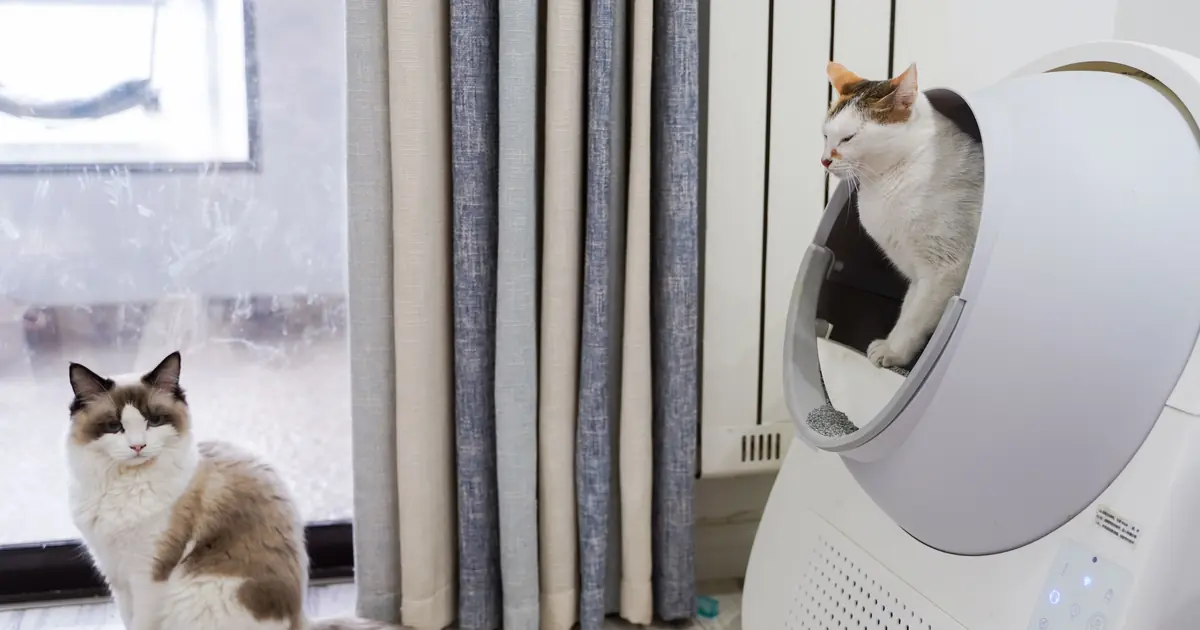
Yes, litter box problems are a leading cause of cats pooping outside the box, including on the bed. Cats are particular about where they go, and a box that’s dirty, hard to reach, or filled with the wrong litter can push a cat to look elsewhere entirely.
- A dirty box: Most cats want it scooped at least once a day. A box left a day or two can smell strong enough that she’d rather skip it.
- A covered or hooded box: These trap odor inside, unpleasant for a cat with a far stronger sense of smell than ours.
- The wrong litter type: Scented litter, a sudden brand switch, or a texture that feels odd on sensitive paws can all be dealbreakers. See the best cat litter options for most homes if you’re not sure what to try.
- A bad location: A box in a noisy laundry room or a spot she has to pass another pet to reach can feel unsafe.
- Not enough boxes: In a multi-cat home especially, too few boxes means competition and stress around using them.
The general rule, per International Cat Care, is one litter box per cat plus one extra, placed in a quiet, low-traffic spot. Our guide on how many litter boxes you need per cat breaks this down room by room.
Could Stress or Anxiety Be Why My Cat Is Pooping on My Bed?
Yes, stress and anxiety are common triggers for house soiling, and the bed often becomes the target because it’s the one place that still smells calm and familiar. A new pet, a move, houseguests, or even rearranged furniture can be enough to unsettle a cat and change her bathroom habits.
Cats are creatures of routine. When their environment shifts, some respond by eliminating in places that feel emotionally safer, and your bed, soaked in your scent, often tops that list. VCA Animal Hospitals notes that stress-related house soiling often clears up once the source of anxiety is identified and addressed. If you’re seeing other signs like hiding or a change in appetite, our article on signs of stress in cats can help you connect the dots.
Why Does My Cat Choose the Bed Specifically?
Cats often choose the bed because it’s soft, absorbent, elevated, and covered in your scent, all of which can feel safer to an anxious or physically uncomfortable cat than a plastic litter box. It isn’t random. The bed checks nearly every box an insecure cat is looking for.
Your scent matters most. To a stressed or unwell cat, the smell of the person she trusts can be reassuring, almost like seeking you out while avoiding the box. The mattress is also gentler on sore paws than a hard plastic tray, and a quiet bedroom feels more private than a box out in the open.
How Do I Stop My Cat From Pooping on My Bed?
Stopping the behavior starts with a vet visit, followed by fixing the litter box setup and lowering your cat’s stress level. Skipping straight to punishment or air fresheners rarely works long term.
- Get a vet check first. Especially if the pooping started suddenly or comes with straining, diarrhea, or appetite changes.
- Clean the box daily. Scoop once a day and do a full litter change on a regular schedule.
- Add a box if needed. Follow the one-per-cat-plus-one rule, in calm, accessible spots.
- Try an uncovered, larger box. Some cats simply need more room to turn and dig.
- Use an enzyme cleaner on the bed. Regular detergent won’t break down the odor, and lingering scent pulls her right back.
- Reduce stress where you can. Keep routines predictable and offer a few safe, quiet retreats.
- Temporarily block bed access. A closed door or fitted mattress cover breaks the habit while you address the cause.
- Never punish your cat. It adds fear and stress, which tends to make house soiling worse, not better.
| Possible Cause | Other Signs to Watch For | What to Do |
|---|---|---|
| Constipation | Straining, small hard stools, visits to the box with little result | Vet check; see a guide on helping a constipated cat |
| Diarrhea or IBD | Loose stool, urgency, weight loss, vomiting | Vet visit to identify the cause and treatment |
| Arthritis or pain | Reluctance to jump, stiffness, hesitating at the box | Vet exam; consider a low-sided, easy-access box |
| Dirty or disliked box | Sniffing and leaving without going, standing at the edge | Scoop daily; try unscented litter or a different box style |
| Not enough boxes | Guarding behavior between cats, hesitancy near the box | Add boxes using the one-per-cat-plus-one rule |
| Stress or change | Hiding, over-grooming, appetite changes, marking | Identify the stressor; keep routines steady; ask a vet about calming support |
When Should I Worry and Call the Vet?
Call the vet if the bed pooping starts suddenly, happens repeatedly, or comes with diarrhea, straining, blood in the stool, vomiting, or other signs your cat feels unwell. These can point to a medical condition that needs treatment, not just a behavior fix.
This article is meant to help you understand common reasons behind the behavior, not replace a professional diagnosis. A licensed veterinarian can run the right tests to confirm or rule out a medical cause, and catching a problem early is usually easier to treat.
Frequently Asked Questions
Q: Is my cat pooping on my bed out of spite?
No, cats don’t poop out of spite or revenge. It’s almost always tied to a medical issue, a litter box problem, stress, or the comfort your bed provides, and she’s responding to something physically or emotionally uncomfortable.
Q: Why does my cat poop on my bed even though the litter box is clean?
A clean box doesn’t rule out medical causes, stress, or a litter type your cat simply doesn’t like. Constipation, arthritis, and anxiety can all lead a cat to avoid an otherwise clean box.
Q: Can stress really cause a cat to poop on the bed?
Yes. Stress from a new pet, a move, houseguests, or a schedule change is a well-documented cause of house soiling in cats. The bed often becomes the target because it’s soaked in your familiar scent, which can feel calming to an anxious cat.
Q: Should I punish my cat for pooping on my bed?
No, punishment should never be used for house soiling. Yelling or rubbing a cat’s nose in it adds fear and stress, and tends to make the underlying problem worse instead of solving it.
Q: How do I clean cat poop off my bed and stop the smell from drawing her back?
Remove solid waste first, then treat the area with an enzyme-based cleaner made for pet stains, not regular laundry detergent. Leftover scent is one of the biggest reasons cats return to the same spot.
Q: Why has my older cat suddenly started pooping on my bed?
Sudden house soiling in an older cat is often linked to arthritis, constipation, or another age-related medical issue that makes climbing into the litter box painful or difficult. A vet visit is the right first step for any senior cat with a new bathroom habit.
Q: How many litter boxes should I have to help prevent this?
The general rule is one litter box per cat in the home, plus one extra. So a single-cat household should ideally have two boxes, placed in quiet, easy-to-reach locations.

Hello and welcome to The Ideal Cat!
We are some passionate cat owners from different professions. We love our cats and have a lot of experience in how to care for our pets. We are incredibly excited to share our knowledge, experience, and research with you. So you can take good care of your loving cat. We will answer most of the common questions about owning cats, taking care of them, etc. If you have any question contact with us. Thanks for visiting! Enjoy the content.
