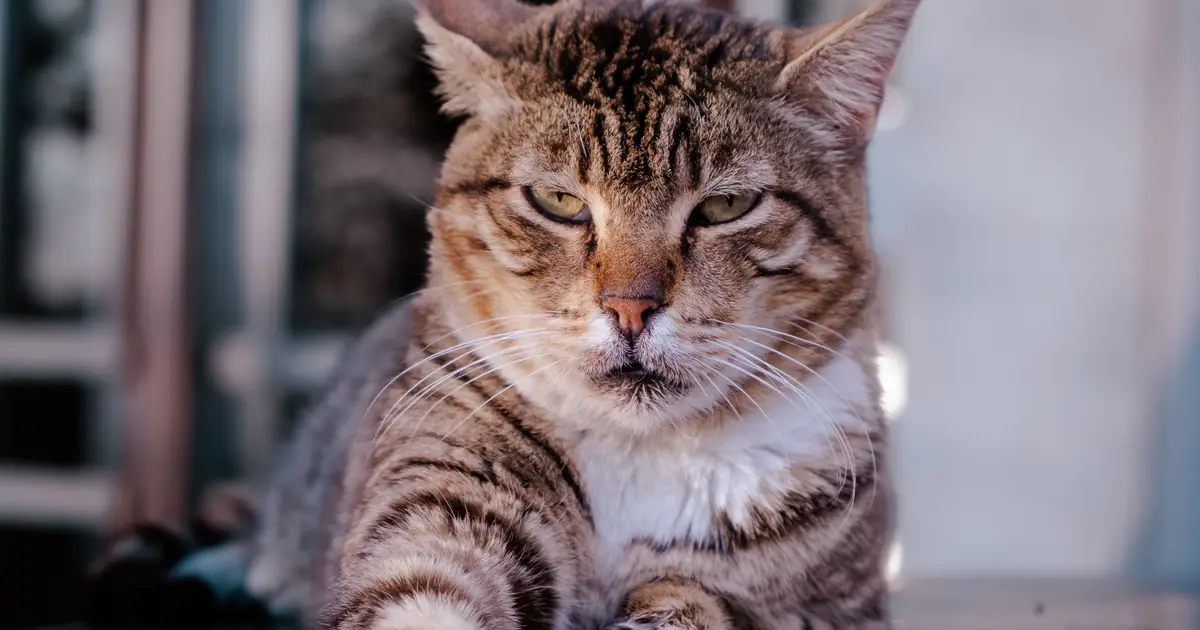
You bring your cat home from the vet, and suddenly you’re the enemy. She won’t sit on your lap. She side-eyes you from across the room. Maybe she even hides under the bed for the rest of the day. It feels personal. It feels like she’s punishing you.
Here’s the thing: she’s not plotting anything. Cats don’t sit around replaying your betrayals in their heads, waiting for the right moment to get even. But something real is happening in that furry little brain, and understanding it will help you get your cat back to normal a lot faster than sulking about the cold shoulder.
- Cats don’t hold grudges out of spite. They form associative memories, linking a person, place, or object with fear or pain.
- A cat’s avoidance after a stressful event like a vet visit is usually fear, not punishment aimed at you.
- Cats have both short-term and long-term memory, and a strongly negative association can last for weeks, months, or longer.
- Rebuilding trust after a bad experience usually takes a few days to a few weeks of calm, positive, low-pressure interaction.
- A sudden personality change that doesn’t fade is worth a vet visit. It can signal pain or illness rather than a lingering grudge.
Do Cats Actually Hold Grudges?
No, cats don’t hold grudges in the human sense of nursing a resentment on purpose. A grudge requires the kind of ongoing, deliberate ill will that needs abstract reasoning about fairness and intent, and there’s no evidence cats think that way. What cats do have is a sharp memory for cause and effect: if something scared them or hurt them, they remember the trigger and avoid it. The Cornell Feline Health Center describes most feline behavior problems as rooted in fear, stress, or an unmet need, not spite or intentional payback.
So when your cat gives you the silent treatment after a nail trim or a trip to the vet, she’s not thinking “I’ll show him.” She’s thinking, in cat terms, “that thing led to something scary, so I’m being careful around it right now.” The result looks a lot like a grudge from the outside. The motivation underneath it is completely different.
How Does a Cat’s Memory Actually Work?
A cat’s memory runs on two tracks: short-term memory that fades within minutes to hours, and long-term associative memory that can stick for years. Cats are especially good at remembering things tied to strong emotion, whether that’s the sound of a treat bag or the smell of a vet’s exam room.
Researchers who study feline cognition point out that cats learn primarily through association and repetition, not through reasoning about someone’s intentions. According to veterinary neurologists at VCA Animal Hospitals, a cat’s brain is capable of both short-term and long-term memory, and emotionally charged events tend to stick around longer than neutral ones. That’s why a single traumatic carrier ride can shape how your cat feels about carriers for years, while she forgets what she had for breakfast an hour later.
This is also part of why cats understand more of your words and tone than most people expect. Memory and association work together: a cat links a word, a sound, or a face with what happened right after it.
Why Does It Look Like My Cat Is Holding a Grudge?
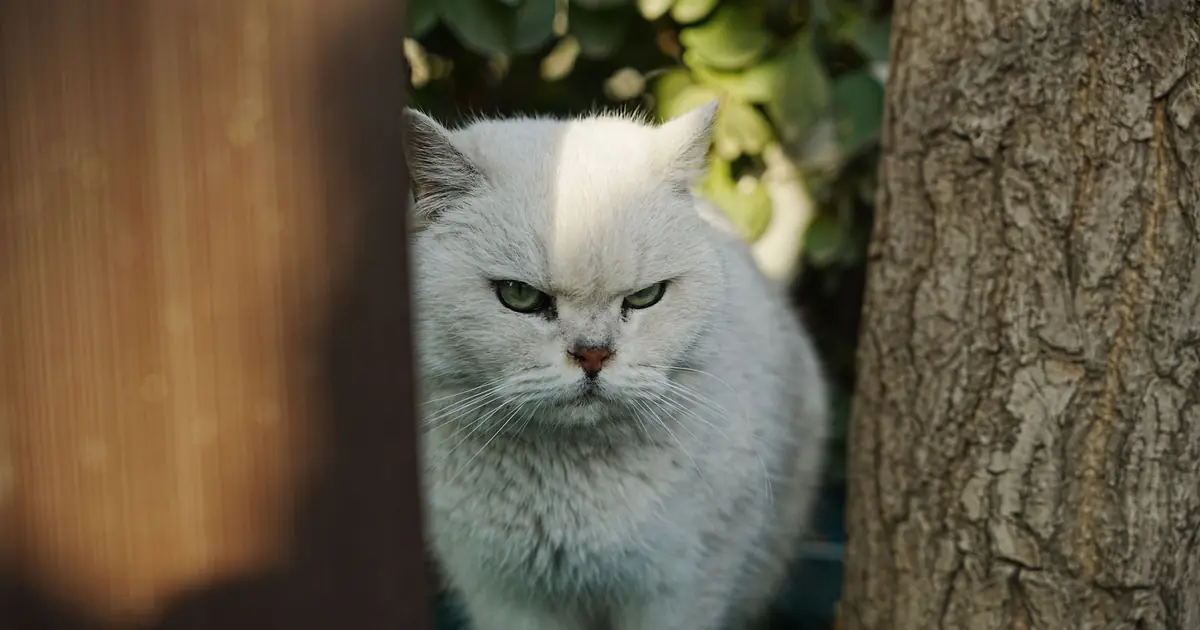
It looks like a grudge because your cat is avoiding you or acting distant, but the real driver is a fear or stress association, not resentment. Cats generalize quickly. If you were the one who put her in the carrier, held her down for a nail trim, or brought her home smelling like the vet’s office, she may lump you in with the unpleasant event itself.
A few common “grudge” triggers cat parents run into:
- Vet visits. The carrier, the car ride, and the exam table all get bundled into one stressful memory, and you’re standing right there in it.
- Medication or nail trims. Being restrained, even gently, is scary for a cat, and she may connect your hands with that feeling for a while.
- A new pet or baby in the house. This isn’t really a grudge either. It’s often jealousy or territorial stress from a change in resources and attention.
- A loud noise or accidental injury. Step on her tail by accident, and she may flinch around your feet for days, not because she’s angry, but because she’s learned your feet can hurt.
None of this is revenge. It’s a smart survival instinct doing exactly what it evolved to do: avoid things that were scary or painful last time.
How Long Does a Cat Remember a Bad Experience?
A cat can remember a strongly negative experience for weeks, months, or even years, depending on how intense and how repeated the event was. A single, mild scare (like being startled by a vacuum) might fade from a cat’s caution within a few days. A repeated or severe stressor, like frequent painful medical procedures, can build a much longer-lasting association.
This is why some cats never fully relax about car rides no matter how many years pass, while others bounce back from a single bad grooming session within a week. Age, personality, and how many good experiences follow the bad one all play a role. A cat who gets calm, positive handling most of the time recovers from a single scare faster than a cat who was already stressed to begin with. If you notice ongoing tension in your home, it’s worth reading up on the signs of stress in cats, since chronic stress and a single bad memory can look similar but need different fixes.
Do Cats Forgive?
Cats don’t “forgive” in the sense of consciously deciding to let something go. What actually happens is that new, positive experiences overwrite or soften the old negative association. Every calm, safe interaction you have with your cat after a scary event chips away at the fear response, until the trigger stops predicting anything bad.
So the cold shoulder does end, not because your cat decided to move on, but because you’ve slowly proven, through repetition, that you’re not a threat anymore. It’s less “forgiveness” and more “the data has been updated.”
How Do I Rebuild Trust After I’ve Upset My Cat?
You rebuild trust by going slow, letting your cat set the pace, and pairing yourself with good things instead of pressure. Here’s what actually works:
- Give her space first. Don’t chase her out from under the bed. Let her come out when she’s ready.
- Sit near her without touching. Read a book on the floor nearby. Let her get used to your presence again on her own terms.
- Use food as a bridge. Hand-feed a few treats, or sit nearby during mealtime. Food is one of the fastest ways to rebuild a positive association.
- Let her approach you. Resist scooping her up for reassurance cuddles. A cat who initiates contact herself rebuilds trust faster than one who’s cornered for affection.
- Keep the routine predictable. Consistent feeding times, play sessions, and quiet evenings help her feel safe again.
- Avoid repeating the scary event too soon. If it was the carrier, don’t drag it out again right away. Let a calm period pass first.
Most cats bounce back within a few days to a couple of weeks with this approach. Reading your cat’s body language, like a tail held low, flattened ears, or a tense crouch, will tell you exactly how she’s feeling at each stage, so you’re not guessing.
How Can I Tell If My Cat Is Wary, Stressed, or Actually Unwell?
A wary cat avoids a specific trigger but otherwise acts normal, while a stressed or sick cat shows broader changes like appetite loss, hiding all the time, or new aggression. If your cat only flinches at the sight of the carrier or gives you a wide berth for a day or two after the vet, that’s ordinary trigger avoidance. If she stops eating, stops using the litter box normally, hides constantly regardless of what’s happening, or lashes out with no clear trigger, something else is going on.
| Sign | Likely Just Wary | Worth a Vet Visit |
|---|---|---|
| Avoidance | Only around one specific trigger (carrier, one person) | Hiding from everyone, all the time |
| Appetite | Normal within a day | Reduced or skipped meals for 24+ hours |
| Duration | Fades within days to a couple weeks | Lasts weeks with no improvement, or worsens |
| Body language | Tense but resolves once trigger is gone | Constant tension, flinching at touch, sudden aggression |
If you’re dealing with a cat who suddenly seems hostile rather than just standoffish, it’s worth reading about why cats become suddenly aggressive, since pain is a common hidden cause. International Cat Care explains that chronic stress in cats is often subtle and shows up as changes to eating, grooming, or litter box habits rather than obvious drama, since cats are naturally good at masking illness and distress.
This article is for general information and isn’t a substitute for veterinary care. If your cat’s withdrawal, wariness, or personality change doesn’t ease up after a couple of weeks, or if you notice appetite loss, litter box changes, or new aggression, get her checked by a licensed veterinarian. Sudden, lasting behavior shifts are often a health issue wearing a grudge’s disguise.
Does My Cat Still Love Me If She’s Acting Distant?
Yes, a temporary cold shoulder doesn’t mean your cat has stopped loving you. Cats show affection in bursts tied to how safe and calm they feel in the moment, not as a constant, unwavering display. A cat who’s wary after a stressful event is protecting herself, not withdrawing her bond with you permanently. Once the fear fades, the affection usually comes right back, often within days. If you want a fuller picture of how cats express attachment, the signs that your cat loves you go well beyond cuddling on command, and most of them are still there even during a sulky phase.
Frequently Asked Questions
Q: Do cats hold grudges against specific people?
Not in the sense of deliberate resentment. A cat can become wary of a specific person if that person was involved in a scary or painful event, like restraining her for medication. This wariness is an association with the event, not a grudge with intent behind it.
Q: How long will my cat ignore me after a vet visit?
Most cats return to normal within a few hours to a couple of days after a vet visit. The lingering smell of the clinic and the stress of travel are usually the cause, and both fade quickly once your cat has a chance to groom and settle back into her routine.
Q: Can a cat hate you forever?
It’s very unlikely. Cats don’t sustain hatred the way people do. A strong negative association can last a long time if it’s reinforced repeatedly, but with consistent calm, positive interactions, most cats soften their wariness within weeks, not forever.
Q: Why does my cat avoid me after I yelled at her?
Your cat likely associates your raised voice with feeling threatened, so she’s avoiding the trigger, not punishing you. Cats respond strongly to tone, and a loud voice can read as a warning signal even if you didn’t mean it that way. Speaking calmly and offering treats afterward helps rebuild her sense of safety.
Q: Do cats remember who hurt them?
Yes, cats can remember a person or situation connected to pain, especially if it happened more than once. This is associative memory at work: the cat links the person, sound, or place with the painful event and stays cautious around it going forward.
Q: Will bringing my cat treats after a bad experience help?
Yes, pairing yourself with something your cat enjoys, like a favorite treat or a calm play session, helps rebuild a positive association. Go at her pace and let her choose to approach rather than forcing contact, since pressure can slow the process down.
Q: Is my cat’s grudge actually a sign of stress or illness?
It can be. If the wariness spreads beyond one trigger, lasts more than a couple of weeks, or comes with appetite loss, hiding, or new aggression, it’s worth a veterinary check. Cats are skilled at hiding pain, and sudden personality changes are one of the few outward clues owners get.
Q: How do I know if my cat has actually forgiven me?
You’ll see her body language relax around you again: a raised tail, slow blinks, sitting close by choice, or seeking out your lap. These are signs the negative association has faded and replaced with a sense of safety, which is as close to “forgiveness” as cats get.

Hello and welcome to The Ideal Cat!
We are some passionate cat owners from different professions. We love our cats and have a lot of experience in how to care for our pets. We are incredibly excited to share our knowledge, experience, and research with you. So you can take good care of your loving cat. We will answer most of the common questions about owning cats, taking care of them, etc. If you have any question contact with us. Thanks for visiting! Enjoy the content.
