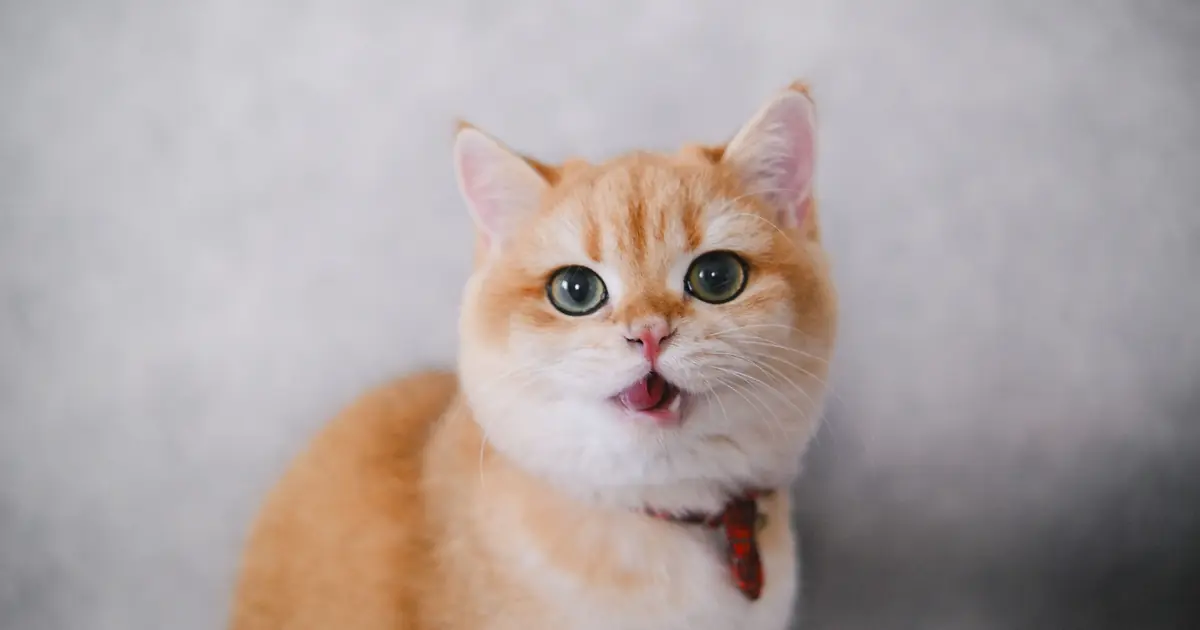
Picture this. Your cat just finished a wild chase around the living room, and now they’re sitting there with their mouth open, breathing fast. Your stomach drops. Is this okay? Or the quieter, scarier version: your cat is lying still and their mouth is open with each breath. That second one should get you moving.
So, can cats breathe through their mouths? Yes, they physically can. But cats are built to breathe through their noses, and open-mouth breathing is almost always a warning sign. Unlike dogs, cats don’t pant to cool off as a habit. When a cat mouth-breathes at rest, it usually means the nose alone isn’t getting enough air, and that’s serious.
- Cats are obligate nose-breathers, meaning they breathe through their nose by default and rarely use their mouths.
- A healthy cat at rest breathes quietly through its nose at about 20 to 30 breaths per minute; over 40 at rest warrants a vet call.
- Brief open-mouth breathing or panting can be normal right after intense play, extreme heat, or acute stress, but only if it settles within a few minutes.
- Open-mouth breathing or panting at rest, or that does not resolve quickly, is a veterinary emergency and usually points to asthma, heart disease, fluid around the lungs, pain, or overheating.
- Blue, gray, or pale gums, labored or fast breathing, hiding, and collapse are red flags that need an emergency vet immediately.
Can cats breathe through their mouths at all?
Yes, cats can breathe through their mouths, but they are obligate nose-breathers, so they rely on their nose almost all the time. Obligate nose-breather means an animal is wired to breathe through its nostrils by default and only switches to mouth breathing when it has no other option. A cat’s nose warms, filters, and humidifies air, and feeds their strong sense of smell.
Because cats are built this way, a cat opening its mouth to breathe is a red flag in a way it isn’t for dogs. When a cat starts mouth-breathing, take it seriously. It usually means the body is working hard to pull in more oxygen than the nose can supply. If you’ve noticed other breathing oddities, our guide on why your cat is wheezing pairs well with this one.
When is brief mouth-breathing or panting actually normal?
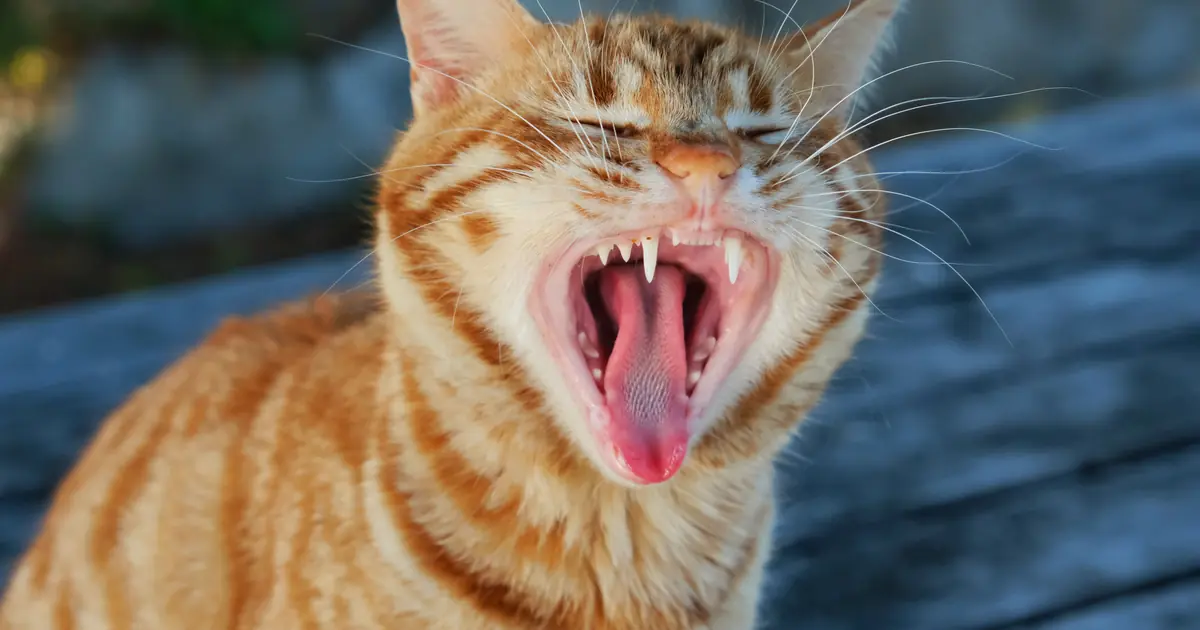
Brief mouth-breathing or panting in cats can be normal in a few situations, but only when it settles within a few minutes. The key word is short. If the open mouth doesn’t close back up quickly and breathing doesn’t return to quiet nose-breathing, it stops being normal. The rare times a quick pant can be okay:
- Right after intense play or exercise. The pre-dinner zoomies or a hard toy session can leave a cat briefly panting. It should ease within a couple of minutes of rest.
- Extreme heat. On a very hot day, a cat may pant to cool down. Get them somewhere cool with fresh water, and it should stop fast.
- Acute stress or fear. A scary car ride, a loud noise, or a big fright can trigger short open-mouth breathing. It should resolve once your cat calms down.
Even then, keep watching. A healthy cat that pants for a minute after chasing a feather wand is different from a cat panting at rest for no reason. When in doubt, count the breaths and call your vet.
When is open-mouth breathing in cats an emergency?
Open-mouth breathing in cats is an emergency any time it happens at rest, doesn’t resolve within a few minutes, or comes with other warning signs. A cat lying around and breathing through its mouth is not okay. Minutes matter here, so treat it as urgent. Call an emergency vet right away if you see any of these red flags:
- Open-mouth breathing or panting while resting or sleeping, not right after exertion
- Fast or labored breathing that doesn’t settle after a minute or two
- Gums or tongue that look blue, gray, or very pale (a sign oxygen isn’t getting through)
- Belly and chest heaving with each breath, or elbows pushed out
- Hiding, unusual stillness, or refusing to move
- Coughing, wheezing, or raspy noises along with the open mouth
- Sudden collapse, weakness, or an inability to get up
Cats are masters at hiding illness, so by the time you notice open-mouth breathing at rest, the problem is often already advanced. If you’re unsure whether your cat is uncomfortable, our guide on how to tell if a cat is in pain helps you read the subtle signs. Don’t wait it out.
Normal breathing vs emergency breathing: how to tell the difference
The difference between normal and emergency breathing in cats comes down to when it happens, how long it lasts, and how the rest of your cat looks. Normal breathing is quiet, through the nose, and effortless. Emergency breathing is open-mouthed, effortful, and happens at rest.
| Normal (usually fine) | Emergency (vet now) |
|---|---|
| Quiet nose-breathing at rest | Open-mouth breathing at rest |
| Brief pant after hard play or heat | Panting that doesn’t stop within minutes |
| About 20 to 30 breaths per minute at rest | Over 40 breaths per minute at rest |
| Smooth, effortless chest movement | Belly and chest heaving, elbows pushed out |
| Pink gums | Blue, gray, or pale gums |
| Relaxed, normal behavior | Hiding, collapse, or extreme weakness |
Reading your cat’s posture helps too. A stressed but healthy cat looks different from a cat in true distress. To get better at spotting it, our breakdown of cat body language is worth a read on a calm day.
What causes open-mouth breathing in cats?
Open-mouth breathing in cats is usually caused by a serious problem with the lungs, heart, airways, or oxygen supply. When a cat breathes through its mouth at rest, the body is trying to grab more air because something is in the way. The common culprits vets see:
- Feline asthma. Inflamed, narrowed airways make it hard to move air, often with coughing and wheezing.
- Heart disease. Hypertrophic cardiomyopathy is the most common heart disease in cats, and it can cause fluid to build up in or around the lungs.
- Fluid in or around the lungs. Pleural effusion or pulmonary edema physically limits how much the lungs can expand.
- Pneumonia and other lung infections. Infection fills lung tissue and makes oxygen exchange difficult.
- Upper respiratory infections. A stuffed-up nose can force a cat to mouth-breathe. If your cat is congested, see our guide for when a cat won’t stop sneezing.
- Pain, trauma, or blood loss. Severe pain or injury can drive fast, open-mouth breathing.
- Overheating (heatstroke). Dangerous body temperatures can push a cat into panting.
Only a vet can pin down the cause, often with an exam, X-rays, or ultrasound. The takeaway at home is simpler: open-mouth breathing at rest means get help. Sources like the Cornell Feline Health Center and the Merck Veterinary Manual agree: breathing changes in cats are urgent.
What should you do right now if your cat is mouth-breathing?
If your cat is mouth-breathing at rest, stay calm, minimize stress, and get to an emergency vet as fast as you safely can. A stressed cat breathes harder, so how you handle the next minutes matters. What to do, in order:
- Keep your cat calm. Speak softly, move slowly, and don’t chase or wrestle your cat. Stress makes oxygen demand worse.
- Cool the environment if it’s hot. Move your cat somewhere cool and quiet, and offer water, but never force it.
- Skip the DIY fixes. Don’t give human medicine or try to look down the throat. That only adds stress.
- Call the emergency vet as you go. Phone ahead so they’re ready. Describe the breathing, the gum color, and how long it’s lasted.
- Transport gently. Use a well-ventilated carrier and keep the car cool and quiet.
If breathing looks labored and the gums are blue, gray, or pale, treat every second as urgent. That combination means oxygen isn’t reaching the body, and it can’t wait until morning.
How do you check your cat’s breathing rate?
To check your cat’s breathing rate, count how many times the chest rises and falls in one minute while your cat is calm and resting. One full breath is one rise plus one fall. A resting cat should breathe about 20 to 30 times per minute. Anything over 40 breaths per minute at rest, even without an open mouth, is a reason to call your vet.
Count when your cat is relaxed or asleep, not right after play. Watch the chest or belly, count for 30 seconds, and double it. Knowing your cat’s normal number ahead of time helps. The team at VCA Hospitals recommends tracking resting breathing rate, especially for cats with heart or lung conditions. A steady climb in that number is an early warning worth catching.
🚨 Call the vet now if: your cat is breathing with an open mouth at rest, panting that won’t stop, breathing fast (over 40 breaths a minute at rest) or with heaving effort, or the gums look blue, gray, or pale. Also go immediately for collapse, extreme weakness, or hiding with labored breathing. This is a true emergency, don’t wait and see.
This article is educational and isn’t a substitute for veterinary care. Cats hide illness well, so with any breathing change, err on the side of caution and let a licensed vet make the call. If your cat is breathing through its mouth at rest, the safest assumption is that something is wrong.
Frequently asked questions
Q: Is it normal for cats to breathe through their mouths after playing?
A brief pant after intense play can be normal for cats if it settles within a few minutes of rest. Cats are nose-breathers, so any open-mouth breathing should be short and self-resolving. If the panting continues, comes with heaving effort, or your cat seems tired out, contact your vet.
Q: Why do cats breathe through their nose and not their mouth?
Cats are obligate nose-breathers, meaning they are built to breathe through their nose by default. The nose warms, filters, and humidifies air and supports their strong sense of smell. Cats only switch to mouth breathing when the nose can’t move enough air, which is why open-mouth breathing is a warning sign.
Q: What is a normal breathing rate for a cat?
A healthy cat at rest breathes about 20 to 30 times per minute. Count one full breath as one chest rise plus one fall. A resting rate consistently over 40 breaths per minute, even without an open mouth, is a reason to call your vet promptly.
Q: Can stress cause a cat to breathe with its mouth open?
Yes, acute stress like a car ride, a loud noise, or a big fright can cause brief open-mouth breathing in cats. It should stop once your cat calms down. If panting continues after your cat settles, or happens at rest for no clear reason, treat it as a medical emergency and see a vet.
Q: My cat is breathing with its mouth open but seems fine, should I worry?
Yes, take it seriously. Cats hide illness well, so a cat can look calm while its body struggles for oxygen. Open-mouth breathing at rest is not normal and often signals asthma, heart disease, or fluid around the lungs. Call an emergency vet rather than waiting to see if it passes.
Q: Do cats pant like dogs to cool down?
No, cats do not routinely pant to cool down the way dogs do. Cats mostly regulate temperature by grooming and finding cool spots. Occasional panting in extreme heat can happen, but it should be brief. Persistent panting in a cat is abnormal and needs veterinary attention.
Q: How can I tell if my cat is having trouble breathing?
Signs a cat is having trouble breathing include open-mouth breathing at rest, fast or labored breaths, heaving of the belly and chest, elbows pushed out, blue or pale gums, and hiding. A resting rate over 40 breaths per minute is also a red flag. Any of these warrant an emergency vet visit.

Hello and welcome to The Ideal Cat!
We are some passionate cat owners from different professions. We love our cats and have a lot of experience in how to care for our pets. We are incredibly excited to share our knowledge, experience, and research with you. So you can take good care of your loving cat. We will answer most of the common questions about owning cats, taking care of them, etc. If you have any question contact with us. Thanks for visiting! Enjoy the content.
