
You hear the thud before you see it: your cat missed the jump from the bookshelf, or slipped off the balcony railing chasing a moth. Your heart drops. She’s already trotting away like nothing happened, but something about that landing still worries you.
Here’s the thing: cats are remarkable athletes, built to survive falls that would seriously hurt most animals. But “built to survive” is not the same as “immune to injury.” Vets see cats every week with broken bones, cracked teeth, and bruised lungs from falls their owners assumed were harmless. Let’s talk about what actually happens when a cat falls, and what to do if it happens to yours.
- Cats have a righting reflex that lets them twist mid-fall and land feet-first, and it usually develops by around 6 to 7 weeks of age.
- Landing on their feet does not mean landing safely. Falls still cause broken legs, fractured jaws, shattered teeth, and chest trauma, a group of injuries vets call high-rise syndrome.
- Falls from very high up sometimes cause fewer injuries than mid-height falls because cats can reach terminal velocity and relax their bodies, but that is not a reason to consider any fall safe.
- Indoor cats near open windows and balconies are at the highest risk of high-rise syndrome, especially in warmer months when screens come out.
- Any cat that falls from a height, even a short one, should be examined by a vet, since injuries like internal bleeding or a fractured palate are not always obvious right away.
Do Cats Actually Get Hurt When They Fall?
Yes. Cats get hurt when they fall far more often than people assume. The idea that cats simply bounce and walk away is a myth that has caused real harm, since owners skip the vet visit that could catch a hidden injury. Vets have a name for the injuries cats suffer from falling out of windows and off balconies: high-rise syndrome, and it covers everything from a chipped tooth to a collapsed lung. Emergency clinics see a spike in cases every spring and summer, when windows open and screens come off.
How Does a Cat’s Righting Reflex Work?
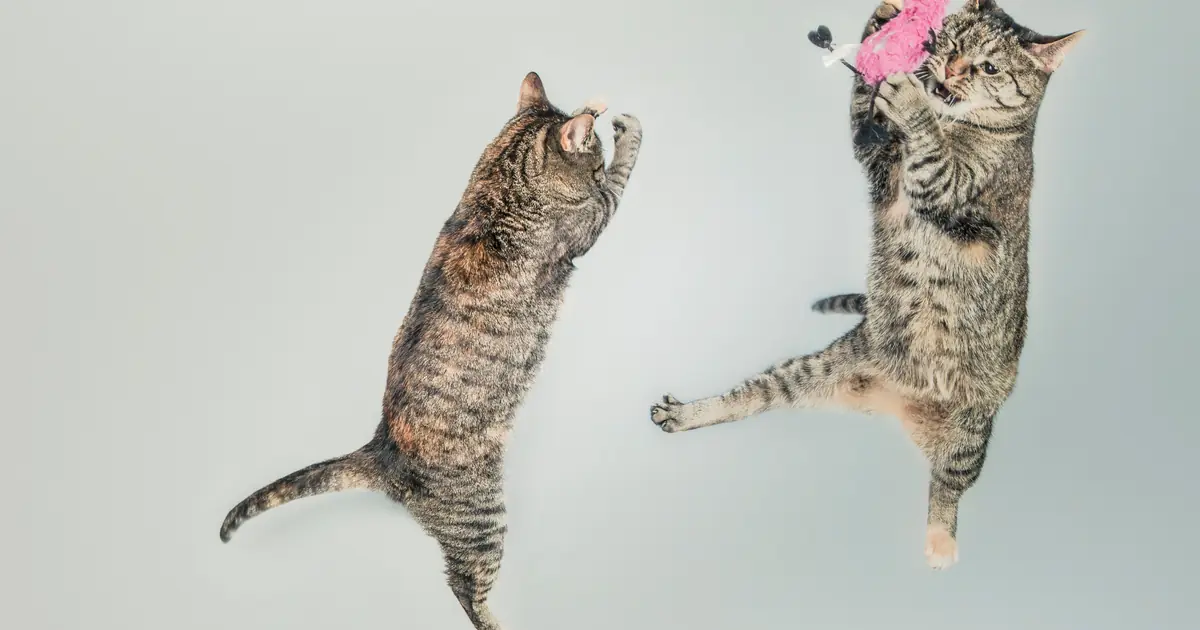
A cat’s righting reflex is an automatic, split-second twisting motion that rotates a falling cat’s body so its feet point toward the ground before it lands. It relies on a sensitive inner ear that tracks which way is up, plus an unusually flexible spine with no rigid collarbone in the way, so the front half of the body twists first, followed by the back half a fraction of a second later. According to the Cornell Feline Health Center, kittens start showing it around 3 to 4 weeks old, and it’s fully developed by about 6 to 7 weeks. It’s an amazing piece of biology. It’s just not the same thing as a soft landing.
Does “Cats Always Land on Their Feet” Mean They’re Safe?
No. Cats usually do land feet-first, but that still sends all the force of the fall straight up through the legs, chest, and jaw. Picture jumping off a wall onto pavement, feet-first, from two stories up. You’d still break something. The legs absorb the initial shock, which is why fractured limbs are one of the most common high-rise syndrome injuries, and the chin often hits the ground too, which is why fractured jaws and shattered teeth show up so often in fall cases. Landing on your feet beats landing on your back or head. It’s just not a free pass.
What Is High-Rise Syndrome and What Injuries Does It Cause?
High-rise syndrome is the set of injuries vets see in cats that have fallen from windows, balconies, or fire escapes, usually from the second floor or higher. A well-known 1987 study by veterinarians Wayne Whitney and Cheryl Mehlhaff, published in the Journal of the American Veterinary Medical Association, reviewed 132 cats treated after falls and documented the pattern of injuries that gave the syndrome its name. Common injuries include:
- Broken or fractured legs, especially the front limbs
- Fractured jaw or a split hard palate (the roof of the mouth)
- Shattered or knocked-out teeth
- Chest trauma, including bruised lungs and a collapsed lung
- Internal bleeding and organ damage, which is not visible from the outside
- Pelvic fractures
Some cats walk away with minor scrapes. Others need surgery, chest tubes, or extended hospital care, especially after falls of five stories or more.
| Injury Type | Signs to Watch For | Urgency |
|---|---|---|
| Broken legs | Limping, not putting weight on a leg, a leg held at an odd angle | Vet visit same day |
| Fractured jaw or palate | Drooling, blood from the mouth, trouble closing the mouth, not eating | Urgent, same day |
| Chest trauma | Rapid or labored breathing, open-mouth breathing, blue-tinged or pale gums | Emergency, go now |
| Internal bleeding | Pale gums, weakness, lethargy, a swollen or painful belly | Emergency, go now |
Do Falls From Higher Up Really Cause Less Damage?
Sometimes, but this fact gets misused constantly, so read it carefully. The Whitney and Mehlhaff study found that cats falling from higher floors (up to 9 stories in that sample) didn’t always have worse injuries than cats falling from lower floors, and severity leveled off at the greatest heights. The theory is that a cat reaches terminal velocity and can then relax its body and spread out like a parachute, spreading the impact more evenly instead of concentrating it in the legs.
Here’s the part that matters for you: this is a statistical pattern from one dataset, not a safety net. A fall from any height above roughly two stories can still badly injure or kill a cat, and short falls from one or two floors, when a cat has less time to reach that relaxed state, are actually linked to some of the most severe leg and jaw fractures. No height makes a fall “fine.” Treat every fall from a window or balcony as a real emergency.
Which Cats Are Most at Risk of Falling?
Indoor cats living in apartments with open windows or balconies face the highest risk of high-rise syndrome, and the danger climbs every spring and summer when screens come off. A cat doesn’t have to be clumsy to fall. Most falls happen because a cat is intensely focused on something outside, a bird or a squirrel, and takes one step too many chasing it. Curiosity, not carelessness, is usually the cause. If you’ve ever wondered why cats love windows so much, it’s the same instinct that puts them at risk near an open one. Kittens and senior cats are extra vulnerable too, since kittens have less body control and lighter bones, and older cats often have arthritis or vision changes that make it harder to catch themselves.
What Should You Do If Your Cat Falls?
Stay calm, move your cat as little as possible, and get to a vet right away, even if she seems okay. Here’s what to do, step by step:
- Approach calmly. A scared or hurting cat may bite or scratch, even if she’s normally gentle.
- Check breathing and gum color. Labored breathing or pale, bluish gums mean go to the emergency vet immediately.
- Limit movement. If you suspect a broken bone, slide her gently onto a towel rather than picking her up under the arms.
- Transport in a carrier, ideally a soft one or a towel-lined box, so she can’t move around in the car.
- Go to the vet the same day, no exceptions. Internal bleeding often shows no symptoms for hours, even in a cat that’s walking normally.
- Watch closely for 24 to 48 hours if sent home, for changes in appetite, breathing, or litter box habits.
A cat’s quick reflexes are exactly why so many falls look harmless in the moment. Adrenaline can mask pain for hours, which is part of why the “she seems totally fine” cat is still worth an exam.
How Can You Prevent Your Cat From Falling?
The best prevention is blocking access to open windows and balconies rather than trusting a cat to be careful, since curiosity beats caution every time a bird flies by. A few changes make a real difference:
- Install sturdy, cat-proof window screens, not the flimsy kind that pops out under pressure.
- Never leave a window open with no screen, even “just a crack,” even on upper floors.
- Add balcony netting or mesh. Regular railings aren’t enough of a barrier for a cat that jumps or squeezes through gaps.
- Consider a “catio,” an enclosed outdoor space that gives your cat fresh air and a view without any fall risk.
- Keep tall furniture away from windows so cats aren’t tempted to leap from a bookshelf onto a sill.
These same instincts explain why cats jump so high in the first place, and why a windowsill that looks out of reach to you is an easy target for them.
When Should You See a Vet After a Fall?
See a vet after any fall from a height, even one that looks minor, because injuries like internal bleeding or a fractured palate aren’t always visible right away. This article is educational, not a diagnosis, and doesn’t replace an exam from a licensed veterinarian. Treat these signs as an emergency and go straight to a vet or emergency animal hospital:
- Labored, rapid, or open-mouth breathing
- Limping, dragging a leg, or refusing to put weight on a leg
- Visible bleeding, or blood in the mouth or nose
- Pale, white, or bluish gums
- Not eating or drinking within a few hours of the fall
- Hiding, unusual lethargy, or collapse
The ASPCA and emergency vets agree: when in doubt after a fall, get your cat checked. Hearing “she’s fine” from a vet beats missing an injury that gets worse overnight.
Frequently Asked Questions
Q: Can a cat survive a fall from a high floor?
Yes, many cats survive falls from several stories up, thanks to their righting reflex and light, flexible bodies. Survival isn’t guaranteed though, and cats that survive often still need treatment for broken bones or internal injuries.
Q: What is high-rise syndrome in cats?
High-rise syndrome is the term vets use for the injuries cats suffer after falling from windows, balconies, or other elevated spots, typically the second floor or higher. It commonly includes broken legs, a fractured jaw or palate, shattered teeth, and chest trauma.
Q: At what age do kittens develop the righting reflex?
Kittens begin showing the righting reflex around 3 to 4 weeks old, and it’s generally fully developed by 6 to 7 weeks. Before that age, kittens have little ability to orient themselves during a fall.
Q: Is it true that cats are safer falling from higher floors?
A classic 1987 veterinary study found injury severity sometimes leveled off at greater heights, possibly because cats reach terminal velocity and relax their bodies. That’s not a safety guarantee, and falls from any height, including short ones, can cause serious injury.
Q: My cat fell but seems totally fine, do I still need a vet?
Yes. Adrenaline can hide pain for hours, and injuries like internal bleeding or a hairline fracture aren’t always obvious right after a fall. Vets recommend an exam the same day for any real fall, even if your cat looks normal.
Q: What are the first signs of internal injury after a cat falls?
Watch for pale or white gums, rapid or labored breathing, weakness, a painful or swollen belly, and unusual lethargy or hiding. Any of these after a fall calls for an emergency vet visit right away.
Q: How can I stop my cat from falling out of a window?
Install sturdy cat-proof screens on every window your cat can access, add balcony netting if needed, and never leave a window open without a secure screen. A “catio” enclosure is another safe way to give her outdoor time with zero fall risk.
Q: Do indoor cats fall more often than outdoor cats?
Indoor cats face a specific fall risk tied to open windows and balconies, especially in spring and summer when screens come off. Outdoor cats face different hazards, but high-rise syndrome is most associated with apartment and multi-story living.

Hello and welcome to The Ideal Cat!
We are some passionate cat owners from different professions. We love our cats and have a lot of experience in how to care for our pets. We are incredibly excited to share our knowledge, experience, and research with you. So you can take good care of your loving cat. We will answer most of the common questions about owning cats, taking care of them, etc. If you have any question contact with us. Thanks for visiting! Enjoy the content.
