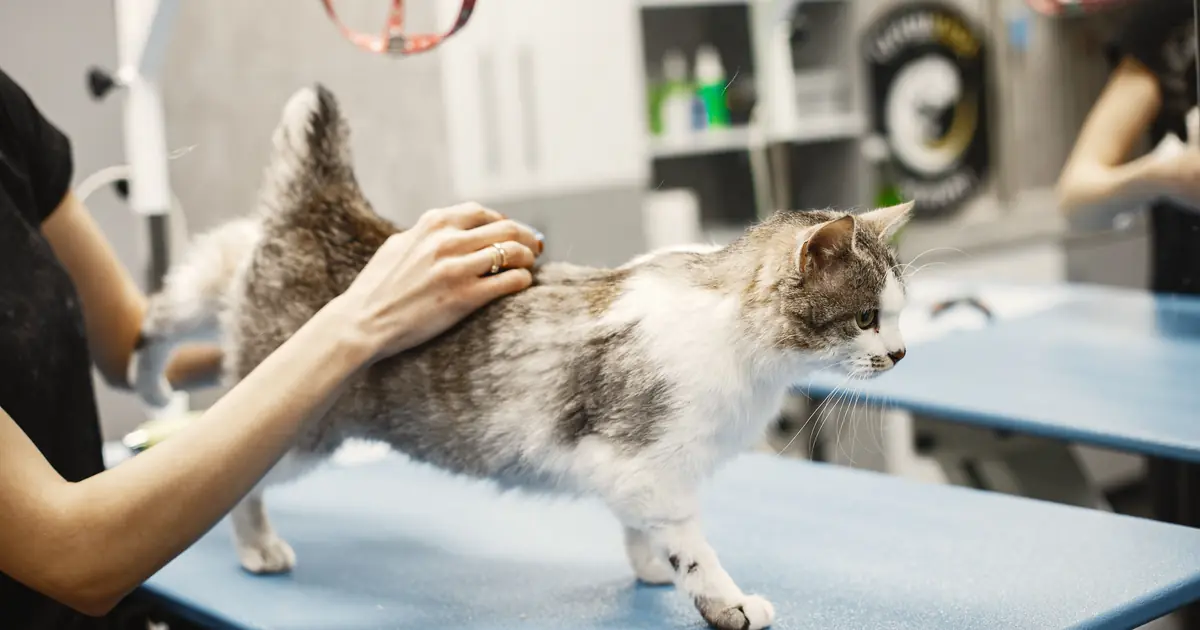
Picture this. The vet says your cat needs bloodwork, and your brain instantly jumps to the worst image: your calm little companion pinned down, wide-eyed, hating every second. It’s a normal fear. Nobody likes handing their cat over for something that sounds a bit medical and mysterious.
Here’s the reassuring truth. How do vets draw blood from cats? Quickly, gently, and far more calmly than you’re imagining. A trained tech steadies your cat, a small needle goes into one good vein, and it’s usually over in under a minute. Most cats tolerate it better than their humans do. Let’s walk through exactly what happens, so the mystery (and the worry) goes away.
- Vets draw blood from cats using three main veins: the jugular (neck), the cephalic (front leg), and the saphenous (back leg).
- The jugular vein is the most common site because it gives a larger, high-quality sample quickly.
- Vets typically use a small 22-gauge or 25-gauge needle, and the actual draw usually takes under a minute.
- A vet tech gently restrains the cat, often with a soft towel wrap known as a “kitty burrito,” to keep everyone safe and calm.
- Blood draws are a routine, low-risk procedure, and aftercare is minimal beyond a little pressure and maybe a small shaved patch.
How do vets draw blood from cats, step by step?
Vets draw blood from cats in a few quick, practiced steps that take just a couple of minutes from start to finish. The process is standardized, gentle, and designed to get a clean sample with the least fuss for your cat.
Here’s what usually happens:
- A vet tech places your cat on a non-slip mat or soft towel on the exam table.
- The tech gently holds your cat in a comfortable position, steadying the chosen leg or the head.
- The fur over the vein may be clipped, and the skin is wiped with alcohol to keep things clean.
- A small needle attached to a syringe slides into the vein, and the sample is drawn.
- The needle comes out, and someone applies light pressure for a few seconds to stop any bleeding.
And that’s it. The blood goes into labeled tubes and off to the lab or the in-house machine. Your cat, meanwhile, is often already plotting their next nap. If you want a sense of what these visits cost, our guide to cat vet costs and bloodwork pricing breaks it down.
Which veins do vets use to draw blood from a cat?
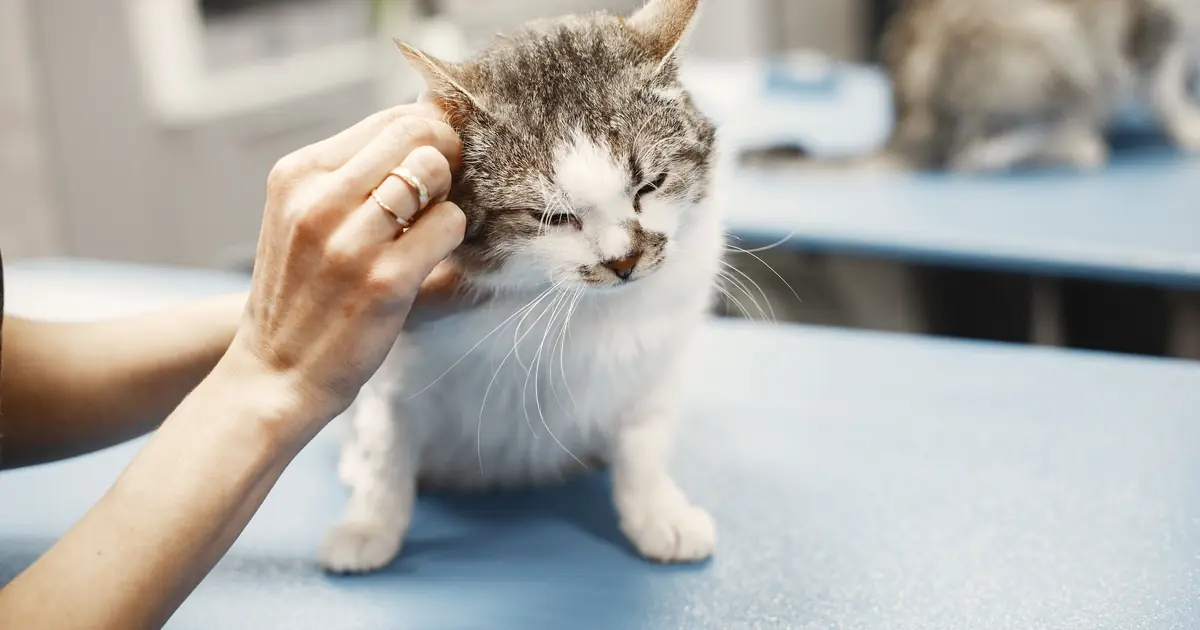
Vets use three main veins to draw blood from a cat: the jugular vein in the neck, the cephalic vein in a front leg, and the saphenous vein in a back leg. The vet picks the site based on how much blood is needed, your cat’s temperament, and the test being run.
Each vein has its moment. The jugular is the go-to for a good-sized sample because it’s large and easy to find. The cephalic works well for smaller, routine tests. The saphenous is often a kinder pick for a nervous cat who tolerates a back leg better than their neck.
| Vein | Location | When it’s chosen |
|---|---|---|
| Jugular | Front of the neck | Most common; best for larger, high-quality samples and full blood panels |
| Cephalic | Front of a front leg | Easy to access; good for smaller, routine tests |
| Saphenous | Inside or outside of a back leg | Gentle option for nervous cats; needs minimal restraint |
How do vets hold a cat still for a blood draw?
Vets hold a cat still for a blood draw using gentle, low-stress restraint, often a soft towel wrap called a “kitty burrito.” The goal is calm control, not force, and it keeps both your cat and the tech safe while the needle is in.
A vet tech usually does the holding while the vet or a second tech draws the blood. For a jugular draw, the tech gently cradles your cat’s head and tips it slightly upward to expose the neck. For a leg vein, they steady the leg and lightly “hold off” the vein with a thumb so it plumps up and is easier to hit.
The towel wrap does a lot of quiet magic here. Snugly wrapping a cat helps them feel secure, keeps the paws tucked away, and often relaxes a jumpy patient. Many clinics now train in Fear Free and Low Stress Handling methods, using non-slip mats, soft voices, treats, and sometimes calming pheromones to take the edge off. According to the Cornell Feline Health Center, gentle handling and a calm environment make routine procedures easier on cats. Learning to read your cat’s stress signals during handling can help you spot when they’re relaxing again.
Does drawing blood hurt a cat?
Drawing blood causes a cat a quick pinch as the needle goes in, but it’s usually well tolerated and over in seconds. Cats feel the poke much like we do during a blood test, a brief sting rather than lasting pain.
The small needle size helps a lot. Vets often use a 22-gauge or 25-gauge needle, and research on healthy cats found no meaningful drop in sample quality with the thinner option, so many vets reach for the less painful one. Some clinics also apply a numbing cream to the skin beforehand for extra-sensitive patients.
Honestly, most of a cat’s stress comes from being handled and being somewhere unfamiliar, not from the needle itself. That’s why the calm-handling approach matters so much. If you’re worried your cat is uncomfortable during or after any procedure, our guide on how to tell if a cat is in pain can help you read the subtle signs.
What does aftercare look like once the blood is drawn?
Aftercare after a cat’s blood draw is minimal. Someone holds gentle pressure on the site for a few seconds to stop bleeding, and your cat is usually ready to go home right away with no special treatment needed.
You might notice a small shaved patch of fur where the vein was, especially after a jugular draw. That’s completely normal, and the fur grows back. Now and then a tiny bruise appears at the site, which fades on its own within a few days.
At home, just keep an eye on the spot. Watch for swelling, ongoing bleeding, or signs of soreness, though these are rare. Give your cat a quiet, cozy place to settle, and let them decompress after the trip. The VCA pet care library notes that most cats bounce back from routine venipuncture quickly, with mild tenderness at most.
This article is educational and not a substitute for veterinary advice. If your cat seems unwell after a blood draw, or the site keeps bleeding or swells, call your vet.
How can I make vet visits and blood draws less stressful?
You can make vet visits and blood draws less stressful by preparing your cat before the trip, mainly through carrier training and calming aids. A relaxed arrival often means a calmer blood draw, since much of a cat’s stress starts before the needle ever appears.
A few things genuinely help:
- Carrier training. Leave the carrier out at home with a cozy blanket and treats inside, so it stops being a scary once-a-year object. A good, secure carrier makes the whole trip smoother. Our pick guide to the best cat carrier for less stressful trips is a solid place to start.
- Bring the familiar. A blanket or towel that smells like home in the carrier can be reassuring.
- Calming pheromones. Spraying a synthetic feline pheromone in the carrier ahead of time can help some cats feel more secure.
- Ask about Fear Free clinics. Practices trained in low-stress handling design their whole visit around keeping cats calm.
If your cat is extremely anxious, ask your vet about pre-visit calming medication. It’s common, safe when prescribed, and can make a world of difference. The Cat Friendly Homes resource from the American Association of Feline Practitioners has more tips for calmer vet trips.
Frequently asked questions about cat blood draws
Q: How much blood do vets take from a cat?
Vets usually take only a small amount, often a few milliliters, which is safe for a healthy cat. The exact volume depends on which tests are needed, but it’s a tiny fraction of your cat’s total blood and is replaced quickly.
Q: How long does a cat blood draw take?
The actual blood draw usually takes under a minute once your cat is positioned. The whole visit takes longer because of check-in, the exam, and letting your cat settle, but the needle part itself is very fast.
Q: Why do vets shave a cat’s neck for a blood draw?
Vets sometimes clip fur over the jugular vein so they can see and clean the site clearly. It helps them get a clean, accurate sample and reduces infection risk. The small shaved patch is harmless and grows back within a few weeks.
Q: Is drawing blood from a cat dangerous?
Drawing blood from a cat is a routine, low-risk procedure done safely in clinics every day. Complications like bruising or minor bleeding are uncommon and usually mild. Serious problems are rare, especially with gentle, experienced handling.
Q: Can I stay with my cat during a blood draw?
It depends on the clinic. Some let owners stay, while others prefer to take the cat to a treatment area, where many cats are actually calmer without picking up on their owner’s nerves. Ask your vet what works best for your cat.
Q: Do cats need to fast before a blood test?
Some blood tests require a cat to fast for several hours beforehand, while many routine panels do not. Your vet will tell you if fasting is needed for the specific test. Always follow their instructions, since food can affect certain results.
Q: Why does my cat need bloodwork if they seem healthy?
Bloodwork helps catch hidden problems early, before your cat shows symptoms. Cats are experts at hiding illness, so routine panels can reveal issues with kidneys, thyroid, or blood sugar while they’re still easy to manage.
Q: Will my cat be sore after a blood draw?
Most cats show little to no soreness after a blood draw. You might notice mild tenderness or a small bruise at the site, which fades within a few days. If your cat seems very sore or the area swells, contact your vet.

Hello and welcome to The Ideal Cat!
We are some passionate cat owners from different professions. We love our cats and have a lot of experience in how to care for our pets. We are incredibly excited to share our knowledge, experience, and research with you. So you can take good care of your loving cat. We will answer most of the common questions about owning cats, taking care of them, etc. If you have any question contact with us. Thanks for visiting! Enjoy the content.
