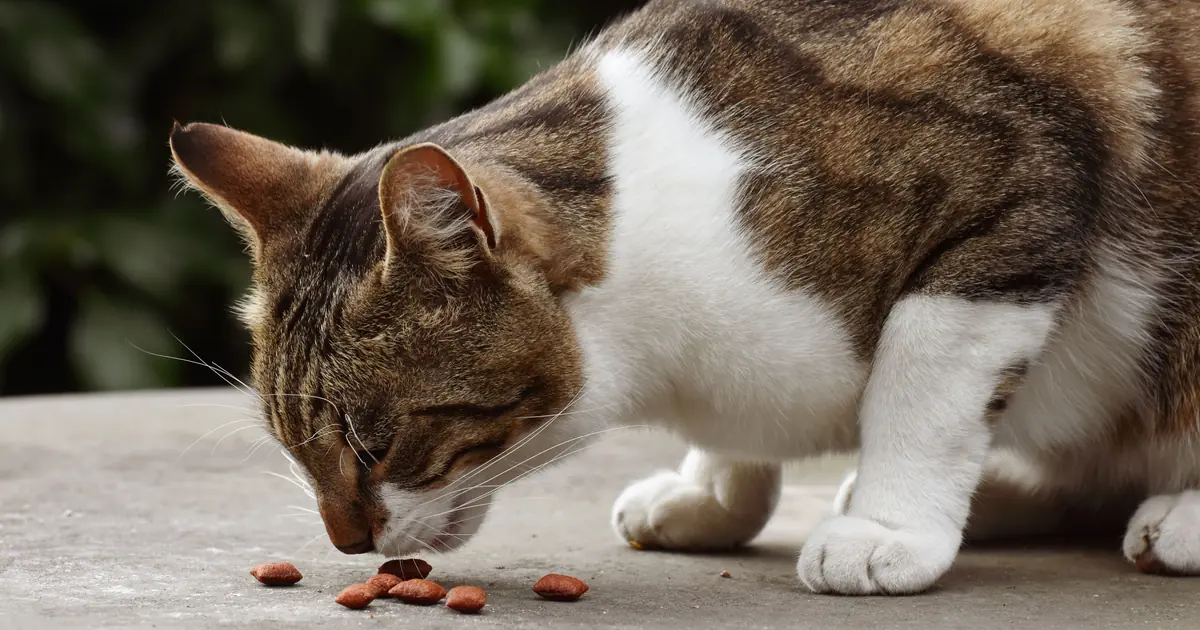
Ever watched your cat inhale their breakfast in about six seconds flat, then wondered how long that food actually sticks around? You’re not alone. Cat parents ask this more than you’d think, especially after a bout of vomiting or a skipped litter box visit has them staring at the clock.
The good news is that a cat’s digestive system runs on a pretty predictable schedule. Once you know the basic timeline, it gets a lot easier to tell normal digestion from something worth a phone call to your vet.
- Cats fully digest a meal in about 10 to 24 hours, from first bite to final elimination.
- Food typically leaves a cat’s stomach within 2 to 5 hours of eating.
- Wet food moves through the digestive tract faster than dry kibble because it already contains moisture and needs less breaking down.
- Cats are obligate carnivores with a short digestive tract built to process meat efficiently, not to sit with food for long stretches.
- Most healthy cats have a bowel movement once or twice a day, usually within 12 to 24 hours of eating.
How Long Does It Take Cats to Digest Food?
A cat takes about 10 to 24 hours to move a meal all the way through their digestive system, from the first bite to the litter box. That’s the full journey, not just the stomach part. Food spends the shortest stretch in the stomach, around 2 to 5 hours, then a longer stretch moving through the small and large intestine before it’s ready to leave the body.
This window can shift a bit depending on what your cat ate, how active they are, and their overall health. A young, healthy cat eating wet food on a regular schedule tends to sit at the faster end of that range. An older cat, a cat eating a lot of dry kibble, or one dealing with a digestive issue can run slower.
What Happens to Food at Each Stage of Digestion?
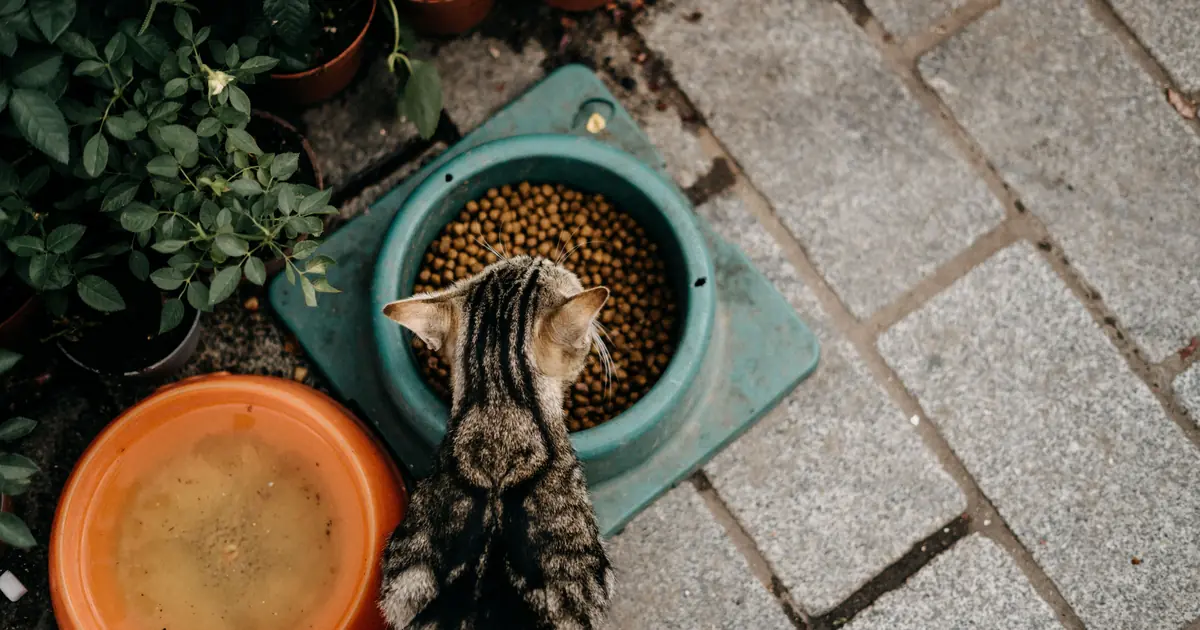
Digestion in a cat happens in three main stages: the stomach breaks food down first, the small intestine absorbs nutrients next, and the large intestine finishes the job by absorbing water and forming stool. Each stage has its own rough timeline, and knowing them helps you spot when something’s off.
Here’s how that breaks down in practice:
| Stage | Approximate Time | What Happens |
|---|---|---|
| Stomach | 2 to 5 hours | Stomach acid and enzymes break food into a liquid-like mixture called chyme |
| Small intestine | Several hours (roughly 6 to 15 hours after leaving the stomach) | Nutrients, fats, and proteins get absorbed into the bloodstream |
| Large intestine and full transit | Complete within about 10 to 24 hours total | Water gets reabsorbed, waste is compacted into stool, ready for elimination |
According to the Merck Veterinary Manual, gastrointestinal transit time in cats generally falls within this same range, though individual cats vary based on diet, age, and health status.
Does Wet Food Digest Faster Than Dry Food?
Yes, wet food digests faster than dry food. Canned or pouch food already contains around 75 to 80% moisture, so your cat’s stomach doesn’t have to work as hard to soften it before moving it along. Dry kibble sits closer to 10% moisture, which means the stomach needs more time and more digestive fluid to break it down.
This is one reason cats prone to sensitive stomachs sometimes do better on wet food. If your cat regularly seems uncomfortable after meals, it’s worth reading up on what’s normal when a cat throws up after eating, since food type can play a real role. Vets who work with picky or sensitive cats often recommend trying a quality wet cat food to see if digestion smooths out.
What Factors Affect How Fast a Cat Digests Food?
Several things speed up or slow down digestion in cats: age, activity level, hydration, food type, and overall health. None of these work in isolation, so a change in one area can shift your cat’s whole digestive rhythm.
- Age: Kittens and young adult cats generally digest food faster than senior cats, whose gut motility naturally slows with age.
- Activity level: An active, playful cat tends to move food through the gut more efficiently than a cat who sleeps most of the day (which, let’s be honest, is most cats most of the time).
- Hydration: A well-hydrated cat has an easier time moving stool through the large intestine. Dehydration is a common hidden cause of slow digestion and constipation.
- Food type: Wet food, dry kibble, and treats all digest at different speeds because of their moisture and fiber content.
- Underlying health conditions: Hyperthyroidism, inflammatory bowel disease, and pancreatic issues can all speed up or slow down normal digestion.
Why Is a Cat’s Digestive System Built for Meat?
Cats are obligate carnivores, which means their bodies are built to run almost entirely on animal protein and fat, not plants. That single fact shapes everything about how fast and how efficiently they digest food.
A cat’s digestive tract is short compared to an omnivore’s, about three to six times their body length, which is efficient for breaking down and absorbing meat but not built for fermenting large amounts of plant fiber. Their stomach also produces highly acidic gastric juice, ideal for breaking down protein and killing off bacteria in raw meat. The International Cat Care organization notes that this obligate carnivore biology is exactly why cats need high-protein diets and struggle to thrive on food heavy in carbohydrates or fillers.
How Long After Eating Does a Cat Usually Poop?
Most healthy cats have a bowel movement once or twice a day, typically within 12 to 24 hours after a meal. That timing lines up neatly with the full digestion window, since stool doesn’t form and move out until the large intestine has finished its job.
If your cat goes more than 48 hours without pooping, or seems to be straining without much result, that’s a sign worth paying attention to. Learning how to tell if your cat is constipated can help you catch the problem early, before it turns into a bigger discomfort.
When Do Digestion Problems Show Up, and When Should You See a Vet?
Digestion problems in cats usually show up as vomiting undigested food, diarrhea, constipation, or a sudden food sensitivity. Any of these, especially if they stick around for more than a day or two, are worth mentioning to your vet.
Here’s what tends to signal an actual problem rather than a one-off:
- Vomiting whole or undigested food more than once, especially soon after eating.
- Diarrhea that lasts more than 24 to 48 hours or comes with lethargy.
- No bowel movement for over 48 hours, along with straining or visible discomfort.
- A sudden change in appetite, stool consistency, or how quickly your cat needs to eliminate after meals.
The VCA Animal Hospitals point out that occasional vomiting can be normal, but repeated vomiting of undigested food is a signal that something in the digestive process isn’t working the way it should. If you’re noticing this pattern, our guide on why your cat keeps vomiting walks through the most common causes. And if the issue seems tied to gas or bloating rather than vomiting, it’s worth reading about why cats fart more than usual too, since both point back to how well food is moving through the gut.
This article is educational and isn’t a substitute for a hands-on exam. Repeated vomiting of undigested food, going more than 48 hours without a bowel movement, or ongoing diarrhea can all point to a real digestive problem, so it’s best to have your vet take a look rather than wait it out.
Frequently Asked Questions
Q: How long does dry food take to digest in a cat?
Dry food generally takes closer to the longer end of the 10 to 24 hour digestion window because it contains much less moisture than wet food, roughly 10% compared to 75 to 80% in canned food. That lower moisture content means the stomach needs more time and effort to break it down.
Q: Why does my cat throw up food hours after eating?
A cat throwing up food several hours after eating may be dealing with slow stomach emptying, eating too fast, or an underlying digestive issue like inflammatory bowel disease. If food comes back up looking barely digested and this happens more than once, it’s worth a vet visit to rule out a medical cause.
Q: Is it normal for a cat to not poop for a whole day?
Yes, going a full day without a bowel movement can be normal since full digestion takes up to 24 hours. Most healthy cats poop once or twice a day, but going past 48 hours without one is a sign to check in with your vet.
Q: Does eating too fast affect a cat’s digestion?
Yes, cats who eat too fast often swallow air along with their food, which can lead to vomiting shortly after the meal, sometimes before real digestion even starts. Slow feeder bowls or smaller, more frequent meals can help cats who tend to inhale their food.
Q: How long does it take a kitten to digest food?
Kittens generally digest food a bit faster than adult cats because their metabolism runs higher and their gut motility is quicker. Even so, kittens should still eat several small meals a day rather than one or two large ones, since their stomachs are small and their energy needs are high.
Q: Can stress slow down a cat’s digestion?
Yes, stress can slow gut motility in cats and sometimes leads to a temporary loss of appetite, softer stool, or constipation. A stressed cat’s digestive system reacts a lot like a person’s does, so a calmer routine at mealtimes can genuinely help.
Q: What foods are hardest for cats to digest?
Foods high in plant fiber, dairy, and heavily processed carbohydrates tend to be hardest for cats to digest, since a cat’s obligate carnivore digestive system is built around animal protein. Table scraps like bread, pasta, or dairy products can also cause an upset stomach in cats who aren’t used to them.
Q: Should I switch my cat to wet food if they have digestion problems?
Wet food can help some cats with digestion problems because of its higher moisture content and generally easier breakdown in the stomach, but it isn’t a fix for every issue. If digestion problems continue after a diet change, a vet visit is the right next step to rule out an underlying condition.

Hello and welcome to The Ideal Cat!
We are some passionate cat owners from different professions. We love our cats and have a lot of experience in how to care for our pets. We are incredibly excited to share our knowledge, experience, and research with you. So you can take good care of your loving cat. We will answer most of the common questions about owning cats, taking care of them, etc. If you have any question contact with us. Thanks for visiting! Enjoy the content.
