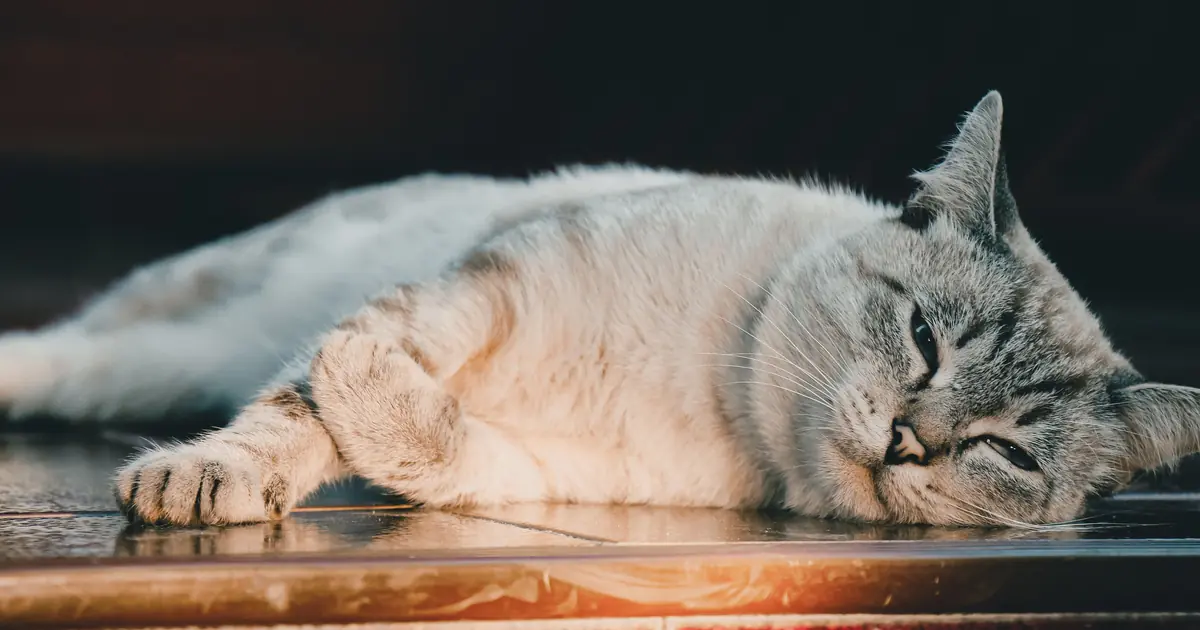
You’re curled up on the couch, cat on your lap, everything’s peaceful. Then it happens. A smell rolls in that has no business coming from something so small and fluffy. You look at your cat. Your cat looks back at you, completely unbothered.
Nobody warns you about cat farts when you bring a kitten home. Most of the time it’s nothing, just normal digestion. But if it’s happening a lot or clearing the room, it’s worth figuring out why, and when it’s actually worth a vet visit.
- Occasional cat gas is normal and comes from bacteria fermenting food in the large intestine.
- Diet is the most common trigger: eating too fast, sudden food switches, high-fiber diets, dairy, and low-quality fillers all increase gas production.
- Cats are lactose intolerant as adults, so milk or cream can cause noticeably smelly gas and loose stool.
- Frequent, very foul-smelling gas can point to intestinal parasites, a bacterial imbalance, food allergies, or inflammatory bowel disease (IBD).
- See a vet if gas comes with diarrhea, vomiting, weight loss, appetite loss, or a swollen, painful belly.
Why Does My Cat Fart So Much?
Cats fart a lot mostly because of what and how they eat, not because something is seriously wrong. Gas forms in the large intestine when bacteria break down undigested food, especially fiber and certain carbs. Every cat produces some gas as a normal part of digestion. If yours farts often, the likely culprits are eating too fast, a recent food change, or a diet that doesn’t agree with their gut. Genuinely frequent, foul-smelling gas out of nowhere is less common and worth watching, but it’s the exception, not the rule.
What Foods Cause Gas in Cats?
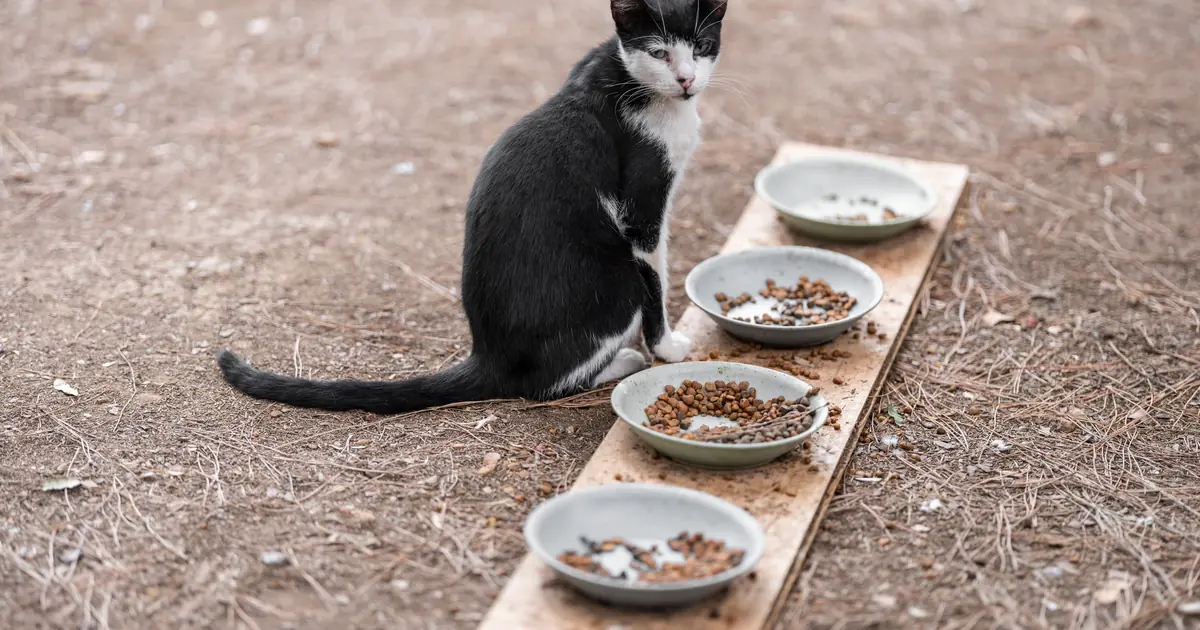
Diet causes most excess gas in cats. Here’s what tends to be the trigger.
- Eating too fast: Inhaling food means swallowing air along with it, and that extra air has to go somewhere.
- Sudden food changes: Switching foods overnight throws off the gut bacteria used to the old diet, leading to days of gassiness.
- Low-quality food with fillers: Cheap fillers like soy, wheat, and corn are harder to digest cleanly, and the leftovers ferment into gas.
- High-fiber diets: Fiber helps digestion in the right amount, but too much (common in some weight-management or hairball formulas) overloads the gut.
- Dairy and lactose: Most adult cats lose the ability to digest lactose after kittenhood, so milk or cheese can mean bloating and smelly gas.
- Spoiled food or table scraps: Food left out too long, or rich human leftovers, upset the gut fast, gas being one of the milder symptoms.
Curious why cats crave dairy in the first place even though it doesn’t agree with them? Read more on why cats like milk and what happens in their gut afterward.
Can Swallowing Air Cause Cat Farts?
Yes, swallowing air (called aerophagia) is a real, common cause of gas in cats. It usually happens during fast, gulping eating, especially in multi-cat households where cats compete for food. That swallowed air travels through the digestive tract and eventually comes out as gas, sometimes with a bit of burping too. It’s one of the easiest causes to fix, since slowing down mealtime solves most of it.
What Medical Conditions Cause Excessive Gas in Cats?
Excessive, persistent gas can point to an underlying digestive issue rather than just diet. If gas is frequent, unusually foul, or paired with other symptoms, consider these.
- Intestinal parasites: Roundworms, hookworms, and tapeworms irritate the gut lining and disrupt digestion, often causing gas along with a pot-bellied look in kittens.
- Bacterial imbalance: An overgrowth of certain gut bacteria, sometimes after antibiotics or illness, increases gas production.
- Inflammatory bowel disease (IBD): Chronic inflammation in the intestinal lining interferes with digestion and often shows up as gas, vomiting, and weight loss together.
- Food allergies or intolerances: A cat reacting to an ingredient, often a specific protein, may show gas alongside itchy skin or diarrhea.
- Pancreatic issues: Problems digesting fat properly lead to greasy stool and noticeably worse gas.
Parasites are more common than most cat parents realize, especially in kittens or cats that spend time outdoors. If you’re wondering how your cat could have picked up worms, this guide on how cats get tapeworms covers the usual sources, including fleas. The Merck Veterinary Manual lists parasites, dietary intolerance, and intestinal disease among the main drivers of excess flatulence in cats.
How Can I Reduce My Cat’s Gas?
Slow down mealtime, switch foods gradually, and pick a diet that’s genuinely easy to digest. Here’s how, step by step.
- Slow down fast eaters. A slow-feeder or puzzle feeder stops your cat from gulping a whole meal in ten seconds, which fixes a lot of aerophagia-related gas.
- Transition foods over 7 to 10 days. Mix a little more new food into the old food each day so gut bacteria have time to adjust.
- Choose a quality food with real, named protein. Look for actual meat as the first ingredient, not fillers. A good wet cat food is often gentler on digestion than carb-heavy kibble.
- Skip the dairy entirely. No milk, cream, or cheese as treats. Not worth the gassy aftermath.
- Watch portion sizes. Overfeeding, even with good food, overwhelms digestion and produces more gas.
Does Frequent Farting Mean My Cat Has Worms?
Not necessarily, but it’s worth ruling out, especially in kittens or cats overdue for deworming. Intestinal parasites are a common cause of gas that also comes with a swollen belly, visible worm segments near the tail, or weight loss despite a normal appetite. A stool sample checked by your vet is the only reliable way to confirm parasites, since some don’t show up to the naked eye. If your kitten has been gassy since day one, that’s genuinely common: many kittens are born with, or pick up, worms early on. This piece on whether kittens are born with worms explains why, and what treatment looks like.
Common Causes of Cat Gas at a Glance
| Cause | Sign or Context | What to Do |
|---|---|---|
| Eating too fast | Gassy after every meal, especially in multi-cat homes | Use a slow-feeder bowl; feed cats separately |
| Sudden food change | Started after switching brands or flavors | Transition foods gradually over 7 to 10 days |
| Low-quality or high-fiber food | Ongoing gas regardless of feeding speed | Switch to a food with named meat as the first ingredient |
| Dairy or lactose | Gas after milk, cream, or cheese treats | Cut dairy out completely |
| Intestinal parasites | Bloated belly, weight loss, visible worm segments | Vet stool test and deworming treatment |
| Food allergy or intolerance | Gas plus itchy skin or chronic diarrhea | Vet-guided elimination diet trial |
| IBD or bacterial imbalance | Frequent foul gas with vomiting or weight loss | Vet exam, possible bloodwork or biopsy |
When Does Cat Gas Mean I Should See a Vet?
Cat gas needs a vet visit when it’s frequent and paired with diarrhea, vomiting, weight loss, appetite loss, or a swollen or painful belly. On its own, occasional gas is not a red flag. But gas alongside these other signs usually means the digestive system is dealing with more than a food that doesn’t quite agree with your cat. Get your cat checked if you notice:
- Diarrhea lasting more than a day or two
- Repeated vomiting
- Noticeable weight loss
- Loss of appetite
- A visibly bloated, hard, or painful abdomen
- Lethargy alongside the gas
Any of these together with cat diarrhea or ongoing vomiting is worth a same-week appointment rather than a wait-and-see approach. According to the Cornell Feline Health Center, sudden digestive changes in cats are almost always a sign the gut is reacting to something, whether that’s diet, parasites, or an underlying illness needing proper diagnosis. VCA Hospitals also notes that gas paired with vomiting or diarrhea warrants a full veterinary workup rather than a wait-and-see approach at home.
A quick, calm note: This article is educational and isn’t a substitute for veterinary care. Occasional gas is normal cat biology, nothing to lose sleep over. But frequent, very foul gas combined with diarrhea, vomiting, weight loss, or a swollen belly is your cue to call your vet. Never give your cat any medication or supplement for gas without your vet’s guidance first.
Frequently Asked Questions
Q: Is it normal for cats to fart a lot?
A little gas is normal for every cat since it’s a natural part of digestion. Frequent or very smelly gas isn’t typical, though, and usually points to diet, a fast eating habit, or occasionally a digestive issue worth checking with your vet.
Q: Why does my cat’s gas smell so bad?
Especially foul gas often comes from high-fat or low-quality food, dairy, or a diet the gut is struggling to fully digest. Bacterial overgrowth and food intolerances can also make gas noticeably worse smelling than usual.
Q: Can changing my cat’s food stop the farting?
Yes, in a lot of cases. Switching to a food with real, named meat protein instead of fillers, and transitioning gradually over 7 to 10 days, resolves diet-related gas for most cats within a couple of weeks.
Q: Can milk give my cat gas?
Yes. Most adult cats are lactose intolerant, meaning they lack enough of the enzyme needed to digest milk sugar properly. Milk, cream, or cheese can cause bloating, gas, and diarrhea within hours.
Q: Do worms cause cats to fart?
Intestinal parasites like roundworms and tapeworms can cause gas along with a bloated belly, weight loss, or visible worm segments. A vet stool test is the reliable way to confirm or rule out parasites.
Q: Should I be worried if my cat farts every day?
Daily mild gas usually isn’t a concern, especially if your cat is eating, playing, and using the litter box normally. Worry if the gas is frequent and smelly and comes with diarrhea, vomiting, weight loss, or appetite loss.
Q: What foods should I avoid to prevent cat gas?
Skip dairy, table scraps, rich or fatty human food, and low-quality diets padded with corn, soy, or wheat fillers. These are the most common everyday triggers for excess gas in cats.
Q: Can stress cause a cat to fart more?
Stress can affect digestion in cats and sometimes contributes to gas, diarrhea, or appetite changes, similar to how stress affects human digestion. It’s usually a secondary factor rather than the main cause, though, so diet is still the first thing to check.

Hello and welcome to The Ideal Cat!
We are some passionate cat owners from different professions. We love our cats and have a lot of experience in how to care for our pets. We are incredibly excited to share our knowledge, experience, and research with you. So you can take good care of your loving cat. We will answer most of the common questions about owning cats, taking care of them, etc. If you have any question contact with us. Thanks for visiting! Enjoy the content.
