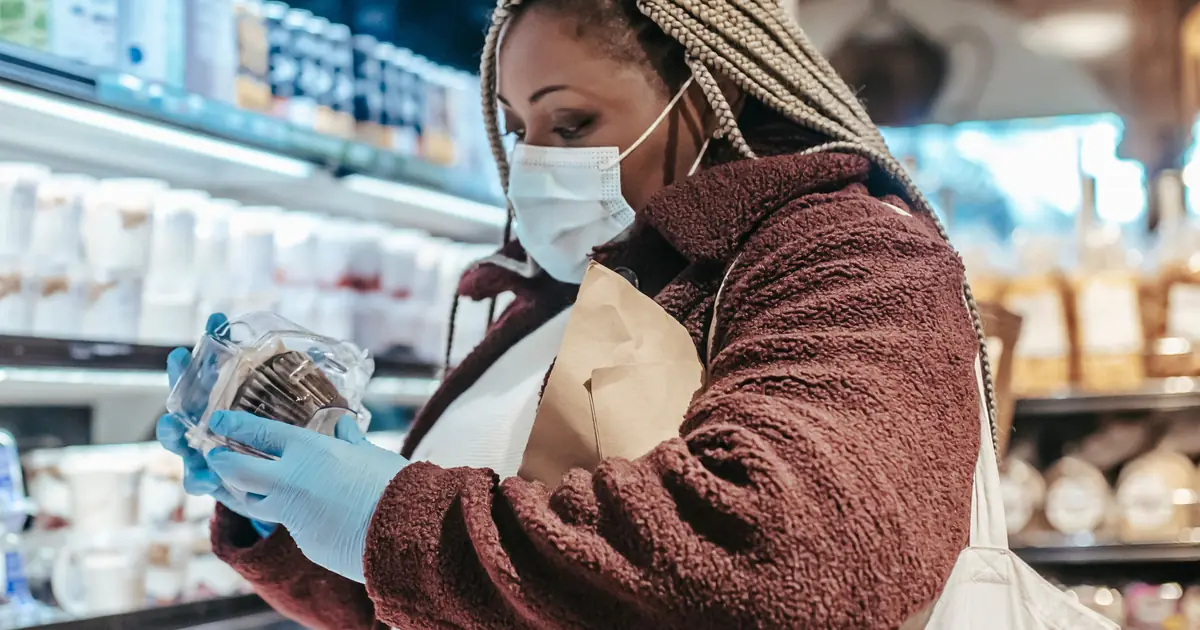
You’re halfway through pouring breakfast when a headline catches your eye: another cat food recall. Your stomach drops. Is that the bag in your pantry? Is your cat okay?
Take a breath. Most cats never eat a recalled food, and most recalls are caught before anyone’s cat gets sick. But knowing how recalls work, and exactly where to check, turns that panic into a two-minute safety check. Here’s everything a cat parent needs to know.
This article is educational and isn’t a substitute for veterinary care. If your cat is unwell, call your vet.
- A cat food recall removes a product from sale because it may be contaminated, mislabeled, or nutritionally unsafe.
- The most common recall causes are salmonella and listeria, aflatoxin (a grain mold toxin), vitamin or mineral errors like excess vitamin D or low thiamine, and foreign material.
- The FDA’s “Recalls & Withdrawals” page and the AVMA recall list are the two official places to check for current cat food recalls.
- If your food is recalled, stop feeding it immediately, save the packaging and lot number, and call your vet if your cat shows any signs of illness.
- You can report a suspect pet food to the FDA through its online Safety Reporting Portal, even anonymously.
What is a cat food recall, exactly?
A cat food recall is a formal action to remove a specific product from the market because it may be unsafe or violates FDA rules. It’s the manufacturer, sometimes at the FDA’s request or order, saying: stop selling this, and don’t feed it. A recall almost always targets certain lot numbers, flavors, or “best by” dates, not an entire brand forever.
Here’s the reassuring part. Most recalls are voluntary. A company finds a problem in its own testing, or gets reports from vets and owners, and pulls the product before more bags go out. The FDA can also request a recall or, under the Food Safety Modernization Act, order one when a company won’t act.
Recalls come in three official grades, and the grade tells you how worried to be.
| Recall class | What it means | Example |
|---|---|---|
| Class I | Reasonable chance the product causes serious harm or death | Salmonella contamination, or dangerous vitamin D levels |
| Class II | May cause temporary or reversible health problems, serious harm unlikely | A minor nutrient shortfall or low-level contaminant |
| Class III | Unlikely to cause harm, but the product breaks a labeling or FDA rule | An undeclared ingredient or packaging error |
So a Class I recall on the food in your bowl is a “stop right now” moment. A Class III is more of a paperwork fix. The recall notice itself will list the class.
Why does cat food get recalled? The most common causes
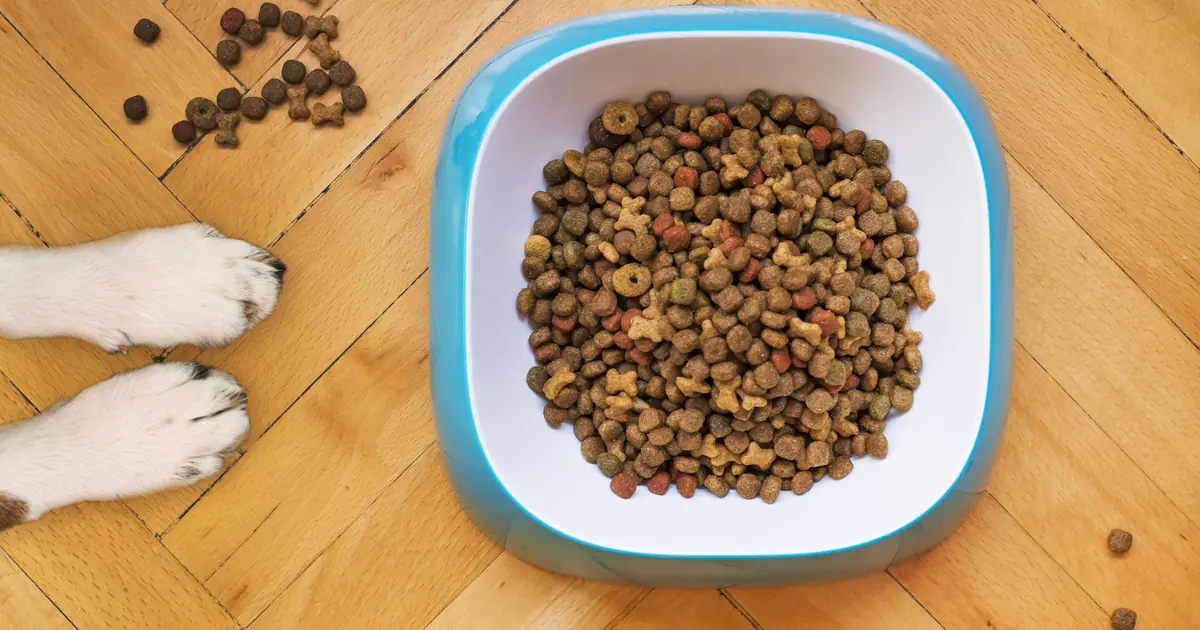
Cat food gets recalled for a handful of recurring reasons, and contamination leads the list. Below are the usual culprits and what each one actually does. If you love the deep end, our guide to what makes the best cat food covers quality and safety in more detail.
| Recall cause | What it is | Why it’s a problem |
|---|---|---|
| Salmonella | Bacteria that can contaminate meat, kibble, or raw and freeze-dried food | Sickens cats and can spread to people handling the food or bowl |
| Listeria | Bacteria that survives cold, often flagged in raw and refrigerated products | Causes gut and, rarely, whole-body illness in pets and humans |
| Aflatoxin | A toxin from mold that grows on improperly stored grains like corn | Damages the liver and can be deadly at high levels |
| Excess vitamin D | A formulation or mixing error that adds too much vitamin D3 | Causes vomiting, appetite loss, and kidney damage |
| Low thiamine (vitamin B1) | Not enough B1, from a recipe error or processing loss | Triggers neurological signs; cats need about three times more than dogs |
| Foreign material | Bits of metal, plastic, glass, or rubber from the production line | Choking, mouth injury, or gut damage risk |
Bacteria: salmonella and listeria
Bacterial contamination is the single most common reason pet foods get recalled. Salmonella and listeria can slip into food during processing, and they don’t just threaten your cat. Anyone scooping the food or washing the bowl can get sick too, which is why these recalls often make the news. Raw and freeze-dried diets carry a higher bacterial risk, so if you feed those, our look at fresh cat food safety is worth a read.
Aflatoxin and other mold toxins
Aflatoxin is a poison made by mold that grows on grains, especially corn, that were stored in warm or damp conditions. It’s a periodic problem in grain-based foods and it targets the liver. This is one reason storing your cat’s food properly, sealed, cool, and dry, matters even after it leaves the factory.
Nutrient errors: too much vitamin D, too little thiamine
Sometimes the danger isn’t a contaminant, it’s the recipe. A mixing mistake can leave a food with far too much vitamin D, which cats can’t safely process in large amounts. On the flip side, a food can end up short on thiamine (vitamin B1), a nutrient cats burn through fast. Both trigger recalls because both make cats genuinely ill, and getting your cat’s overall nutrition right starts with feeding the correct amount of a complete, balanced food.
How do I check if my cat food is recalled?
To check for a current cat food recall, search the FDA’s official recall page and the AVMA recall list, then match the brand, flavor, and lot number against the notice. These two sources are the gold standard because they’re updated in real time and cover every recall, not just the big-name ones.
Here’s your two-minute safety check:
- Check the FDA recall page. The FDA’s Recalls & Withdrawals page for animal products lists every current pet food recall and keeps them posted for three years. You can search by brand or company name.
- Check the AVMA list. The AVMA’s recalls and alerts page collects FDA and manufacturer recalls in one searchable spot, which vets rely on too.
- Match the details. A recall usually applies to specific lot numbers, “best by” dates, and package sizes. Find those codes on your bag or can and compare. Your exact product may not be included.
- Sign up for alerts. You can subscribe to FDA recall emails so new notices land in your inbox. Many brands also let you register your food for direct recall alerts.
One habit worth building: snap a phone photo of the lot number and “best by” date when you open a new bag. If a recall hits, you’ll have the info in seconds instead of digging through the trash.
What should I do if my cat’s food is recalled?
If your cat’s food is recalled, stop feeding it right away, hold onto the packaging and lot number, and watch your cat closely for signs of illness. Don’t panic-toss everything, though. That packaging holds the codes you’ll need if you report the problem or your cat gets sick.
- Stop feeding it immediately. Seal the food away where your cat, and any other pets, can’t reach it.
- Read the full notice. Confirm your exact flavor, size, and lot number are covered. Recalls are often narrow, so yours may be fine.
- Save the packaging and a sample. Keep the bag or can, the lot number, and the “best by” date. If you can, save a little of the food itself in a sealed container.
- Switch to a safe food, gently. Move your cat to an unaffected food, ideally something with similar ingredients so you don’t upset their stomach. If your cat has a touchy gut, a sensitive-stomach cat food can ease the change.
- Watch for symptoms. The recall notice usually lists the specific signs to watch for. Monitor your cat for a few days.
- Call your vet if anything seems off. Bring the packaging and lot number to the appointment.
- Report it to the FDA. File a complaint through the FDA’s online Safety Reporting Portal, which you can do even without giving your name. Your report helps the FDA spot problems and protect other cats.
Not sure what to feed next? Our roundup of solid everyday cat foods is a good place to start while you regroup.
What are the signs of food-related illness in cats?
Signs of food-related illness in cats depend on the cause, but vomiting, diarrhea, and loss of appetite are the most common early clues. Because different recall causes hit the body differently, the specific symptoms vary, and some are true emergencies.
General signs of a food problem:
- Vomiting or diarrhea
- Loss of appetite or refusing to eat
- Low energy, hiding, or acting “off”
- Drooling or signs of mouth pain (possible with foreign material)
Signs tied to specific recall causes:
- Vitamin D toxicity: vomiting, appetite loss, increased thirst and urination, and drooling. It can become serious fast, so don’t wait it out.
- Thiamine deficiency: neurological signs like wobbliness, falling or leaning, a tucked-down head, dilated pupils, tremors, or seizures. These can appear within weeks on a deficient food and get worse quickly.
- Salmonella or listeria: vomiting, diarrhea (sometimes bloody), fever, and lethargy.
Call your vet right away if you see: repeated vomiting or diarrhea, blood, seizures or stumbling, collapse, or a cat that won’t eat or drink. When neurological signs show up, treat it as an emergency. According to the ASPCA Animal Poison Control Center, quick action matters with any suspected food poisoning, and you can reach their 24/7 hotline at (888) 426-4435.
How can I lower the risk of feeding recalled cat food?
You can’t prevent recalls, but you can shrink the odds that a bad batch ever reaches your cat’s bowl, and catch it faster if it does. A few simple habits do most of the work.
- Sign up for FDA recall email alerts and, where offered, brand alerts.
- Photograph the lot number and “best by” date each time you open a new bag or case.
- Buy from brands with a clear recall history and responsive customer service.
- Store food sealed, cool, and dry to keep mold and aflatoxin from forming after purchase.
- Wash food bowls and scoops regularly, especially with raw or freeze-dried diets.
- Don’t feed food that smells off, looks discolored, or is past its “best by” date.
- Keep your cat on a complete, balanced food and check in with your vet about their diet.
None of this means living in fear of your cat’s dinner. It means a little awareness, so a recall becomes a quick swap instead of a scary surprise.
Cat food recall FAQ
Q: How often is cat food recalled?
Cat food recalls happen a handful of times most years in the United States, usually over contamination or a nutrient error. Most target specific lots rather than an entire brand, and many are caught before any cat gets sick. Check the FDA and AVMA recall pages for the current list.
Q: Where can I find the current list of recalled cat foods?
The two official sources are the FDA’s “Recalls & Withdrawals” page for animal products and the AVMA’s recalls and alerts page. Both are updated in real time and searchable by brand or company name. The FDA keeps recall notices posted for three years.
Q: My cat already ate the recalled food. What should I do?
Stop feeding the food, save the packaging and lot number, and watch your cat closely for vomiting, diarrhea, appetite loss, or neurological signs. Call your vet if you notice anything off, and mention the recall. If your cat seems fine after a few days, that’s a good sign, but keep monitoring.
Q: What are the most common reasons cat food gets recalled?
The most common causes are bacterial contamination like salmonella and listeria, aflatoxin from moldy grains, nutrient errors such as too much vitamin D or too little thiamine, and foreign material like metal or plastic. Bacterial contamination is the single most frequent reason.
Q: How do I report a problem with my cat’s food to the FDA?
File a complaint through the FDA’s online Safety Reporting Portal, linked from its “How to Report a Pet Food Complaint” page. You can report as a guest without giving your name. Having the packaging, lot number, and “best by” date ready makes the report faster and more useful.
Q: Is a recalled cat food always dangerous to my cat?
Not always. Recalls come in three classes. Class I means a real chance of serious harm, while Class III is often a labeling or paperwork issue unlikely to hurt your cat. The recall notice lists the class and the exact lots affected, so your specific product may not even be included.
Q: Can I get sick from handling recalled cat food?
Yes, with some recalls. Salmonella and listeria can spread to people who handle contaminated food, bowls, or scoops. Wash your hands after feeding, clean bowls regularly, and keep recalled food sealed away from children and other pets until you dispose of it.
Bottom line: a cat food recall sounds scary, but it’s really the safety system working. Know the two official pages to check, keep your cat’s lot numbers handy, and you can turn any recall headline into a calm, quick decision. Your cat’s dinner, and your peace of mind, are worth the two-minute check.

Hello and welcome to The Ideal Cat!
We are some passionate cat owners from different professions. We love our cats and have a lot of experience in how to care for our pets. We are incredibly excited to share our knowledge, experience, and research with you. So you can take good care of your loving cat. We will answer most of the common questions about owning cats, taking care of them, etc. If you have any question contact with us. Thanks for visiting! Enjoy the content.
)