
If your vet mentioned a “distemper shot” at your cat’s last checkup, you probably pictured the dog disease. Fair enough, the name is confusing and honestly kind of a leftover from decades ago. But feline distemper is its own thing, and the vaccine that guards against it does a lot more heavy lifting than the name suggests.
Here’s the good news: this shot is cheap insurance against three nasty viruses, and it’s one of the safest, most well-studied vaccines your cat will ever get. Let’s break down exactly what’s in it, why vets push so hard for it, and what to expect when your cat gets one.
- The cat distemper shot is the FVRCP vaccine, covering feline panleukopenia, rhinotracheitis, and calicivirus in one injection.
- Feline panleukopenia is the true “feline distemper” and is often fatal in unvaccinated kittens.
- FVRCP is a core vaccine, meaning every cat should have it, including indoor-only cats.
- Kittens usually start the FVRCP series around 6 to 8 weeks old, with boosters every 3 to 4 weeks until about 16 weeks.
- Side effects are usually mild, like brief soreness or low energy; serious reactions are rare.
What does a distemper shot actually do for a cat?
The distemper shot trains your cat’s immune system to recognize and fight off three specific viruses before they ever cause real illness. Vets call it the FVRCP vaccine, and the letters stand for Feline Viral Rhinotracheitis, Calicivirus, and Panleukopenia. Instead of getting three separate shots, your cat gets all three protections combined into one injection.
Think of it like a bundle deal for your cat’s immune system. Each virus in the bundle attacks a different part of the body, respiratory tract, mouth, and gut, and each one spreads easily between cats. Because the shot is combined, your cat builds antibodies against all three at once, which means fewer vet visits and faster protection overall.
Why is it even called “distemper” if it’s not the same as dog distemper?
It’s called distemper purely out of old habit, not because it’s related to canine distemper. Feline panleukopenia and canine distemper are caused by completely different viruses and don’t spread between species. Decades ago, vets noticed that panleukopenia caused a similar wasting, listless illness to what they saw in dogs with distemper, so the name stuck around even after science figured out the two diseases aren’t connected.
These days, most vets just say “FVRCP” or “the distemper combo,” but you’ll still hear “feline distemper” used interchangeably with panleukopenia. If you ever see it written out, panleukopenia comes from “pan” (all) and “leuko” (white blood cells), because the virus causes a dangerous drop in white blood cell counts. That’s the real name worth remembering.
What are the three diseases the FVRCP vaccine actually covers?
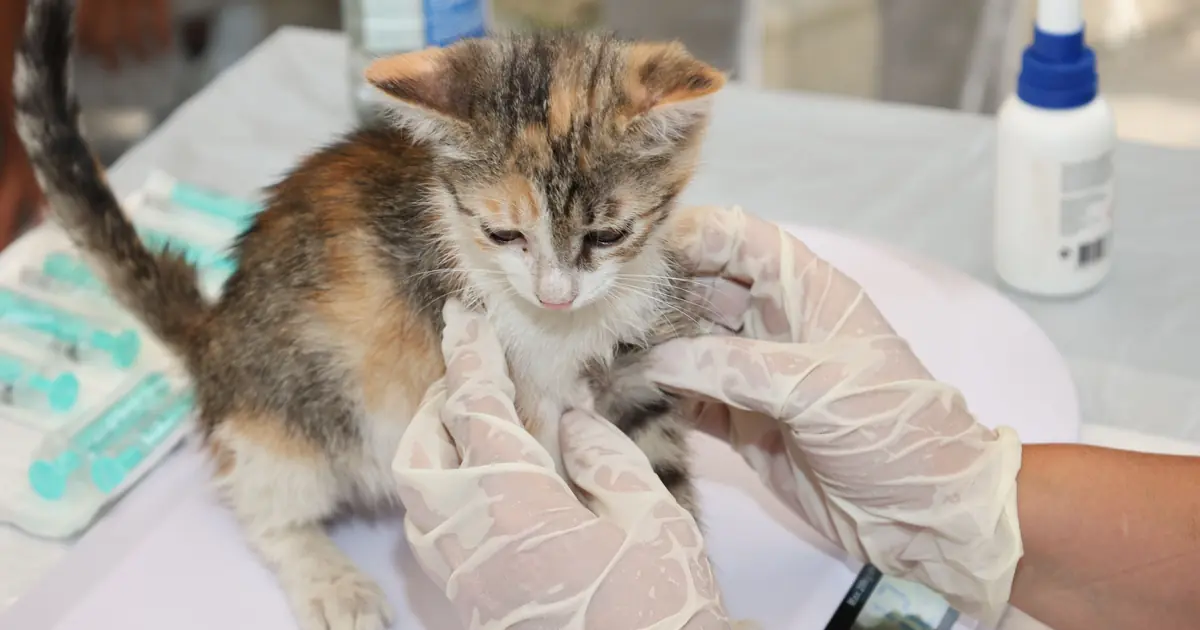
FVRCP protects against panleukopenia, rhinotracheitis, and calicivirus, and each one causes a distinctly different kind of illness. Here’s a side-by-side look at what each part of the vaccine is guarding against.
| FVRCP Component | What It Causes | Why It Matters |
|---|---|---|
| Panleukopenia (feline distemper) | Severe vomiting, diarrhea, dehydration, and a crash in white blood cells that wrecks the immune system | Often fatal in kittens and unvaccinated cats; spreads through bodily fluids and contaminated surfaces |
| Rhinotracheitis (feline herpesvirus) | Sneezing, congestion, eye discharge, and fever, basically severe “cat flu” | Highly contagious and can lead to lifelong intermittent flare-ups, especially during stress |
| Calicivirus | Respiratory symptoms plus painful mouth and tongue ulcers, sometimes joint soreness | Spreads fast in multi-cat households and shelters; some strains can be severe |
Panleukopenia is the one that worries vets most. It attacks rapidly dividing cells in a cat’s gut lining and bone marrow, which is why kittens hit hardest by it can decline within days. According to the Cornell Feline Health Center, the virus survives for long stretches on surfaces, bedding, and food bowls, so it doesn’t take direct cat-to-cat contact to spread.
Why is the distemper shot considered a core vaccine for every cat?
FVRCP is a core vaccine because the viruses it targets are common, highly contagious, and can cause serious illness in any cat, regardless of lifestyle. Vets group vaccines into “core” and “non-core” categories. Core means the risk is high enough and the disease severe enough that essentially every cat needs it, the way rabies vaccination is required almost everywhere.
The AAHA and AAFP feline vaccination guidelines list FVRCP as core for all cats, and that includes cats who never step a paw outside. These viruses are tough. Panleukopenia can hitch a ride on shoes, clothing, or hands, and calicivirus and herpesvirus spread through sneezes, shared bowls, or even a person petting an infected cat and then petting yours. Indoor cats aren’t in a bubble.
Do indoor-only cats really need the distemper shot?
Yes, indoor cats need FVRCP just as much as outdoor cats do, because these viruses travel on objects and people, not just through direct contact between cats. It’s easy to assume a cat who never leaves the house is safe from contagious disease, but panleukopenia in particular can survive on surfaces for months and doesn’t need cat-to-cat contact to spread.
Add in the fact that plans change (a new foster cat, a boarding stay, a move to a home with other pets) and it’s clear why vets don’t make exceptions for indoor cats on this one. If your cat ever ends up at a groomer, boarding facility, or vet clinic, unvaccinated status becomes a real liability. This is the same logic behind staying current on the rabies vaccine, another core shot that protects cats no matter where they sleep at night.
What’s the typical vaccine schedule for FVRCP?
Kittens typically start the FVRCP series around 6 to 8 weeks old, then get boosters every 3 to 4 weeks until they’re roughly 16 weeks old. This staggered schedule exists because kittens still carry some maternal antibodies early on, and those can interfere with a single shot working properly. Multiple doses close that gap.
After the kitten series, most adult cats get a booster around one year later, and then boosters every 1 to 3 years depending on lifestyle, health, and your vet’s protocol. Your vet is the one who decides the exact timing for your cat, since factors like age, health conditions, and exposure risk all play into it. This article explains what the vaccine does, but your vet tailors the schedule.
If you’re also weighing other early kitten health questions, it’s worth reading up on whether kittens are born with worms and what fading kitten syndrome looks like, since the first few months of a kitten’s life involve juggling several protective steps at once.
Is the distemper shot safe, and what side effects should I expect?
The FVRCP vaccine is considered very safe, and most cats only experience mild, short-lived side effects. The most common ones are a little soreness at the injection site, mild lethargy, or a slightly reduced appetite for a day or so. Some cats sleep more than usual right after, which is normal and nothing to panic about.
Serious reactions are rare but not impossible. Watch for facial swelling, hives, repeated vomiting, or trouble breathing shortly after the shot, and call your vet right away if you see any of those. A firm lump at the injection site that lingers for more than a few weeks is also worth a vet visit. The VCA Hospitals notes that true adverse reactions to core feline vaccines are uncommon relative to how many cats safely receive them every year.
What does the distemper shot NOT protect against?
FVRCP does not cover rabies, feline leukemia (FeLV), or other cat illnesses outside the panleukopenia, rhinotracheitis, and calicivirus trio. Rabies is legally required in most places and given as its own separate vaccine. FeLV is typically recommended for kittens and cats with outdoor access or exposure to unknown cats, and it’s also a separate shot your vet may suggest based on your cat’s risk level.
It’s also worth knowing that FVRCP reduces the severity and frequency of respiratory illness, but it doesn’t guarantee your cat will never sneeze or catch a cold-like bug again. If your cat is dealing with ongoing sneezing or nasal symptoms, take a look at what causes a runny nose in cats or whether it could be something like kennel cough in cats, since a vaccinated cat can still pick up mild versions of respiratory bugs.
A quick note before the FAQ: this article is meant to help you understand what the distemper shot does, not replace a conversation with your vet. Vaccine timing, boosters, and any exceptions for your cat’s specific health history should always be decided with your veterinarian, who knows your cat’s full picture.
Frequently Asked Questions
Q: Is the cat distemper shot the same as FVRCP?
Yes. “Distemper shot” is just the common nickname for the FVRCP vaccine, which protects against feline panleukopenia, rhinotracheitis, and calicivirus in one combined injection.
Q: Can indoor cats skip the distemper vaccine?
No, vets don’t recommend skipping it. FVRCP is a core vaccine because panleukopenia and calicivirus can travel indoors on shoes, hands, and other objects, so indoor-only cats still face real exposure risk.
Q: How often does a cat need a distemper booster?
After the kitten series and a one-year booster, most adult cats get an FVRCP booster every 1 to 3 years, depending on their vet’s recommendation and individual risk factors.
Q: What are the side effects of the FVRCP vaccine in cats?
Most cats show only mild, short-term effects like soreness at the injection site, slight tiredness, or a smaller appetite for a day. Serious reactions like facial swelling or difficulty breathing are rare and need immediate vet attention.
Q: Is feline panleukopenia the same as dog distemper?
No. Feline panleukopenia and canine distemper are caused by different viruses and don’t spread between cats and dogs. The shared “distemper” nickname comes from similar-looking symptoms, not a shared disease.
Q: How dangerous is panleukopenia for unvaccinated kittens?
Panleukopenia is often fatal in unvaccinated kittens because the virus attacks fast-dividing cells in the gut and bone marrow, causing severe vomiting, diarrhea, and a collapse of the immune system.
Q: Does the distemper shot protect against rabies or FeLV?
No. FVRCP only covers panleukopenia, rhinotracheitis, and calicivirus. Rabies and feline leukemia are separate vaccines your vet may recommend based on your cat’s age, lifestyle, and exposure risk.
Q: When do kittens start the distemper vaccine series?
Kittens typically begin the FVRCP series around 6 to 8 weeks old, with follow-up boosters roughly every 3 to 4 weeks until about 16 weeks, since maternal antibodies can interfere with earlier single doses.

Hello and welcome to The Ideal Cat!
We are some passionate cat owners from different professions. We love our cats and have a lot of experience in how to care for our pets. We are incredibly excited to share our knowledge, experience, and research with you. So you can take good care of your loving cat. We will answer most of the common questions about owning cats, taking care of them, etc. If you have any question contact with us. Thanks for visiting! Enjoy the content.
