
You’re admiring your cat and notice little black flecks on its lips or gums that weren’t there before. Usually it’s a totally benign “cat freckle,” but it’s worth knowing the difference.
Here’s what causes black lips in cats, and the rare times to get them looked at.
- Black spots or dark lips in cats are usually lentigo, a harmless buildup of pigment cells.
- Lentigo is most common in orange, calico, and tortoiseshell cats, like freckles.
- It appears as flat black spots on the lips, gums, nose, or eyelids and needs no treatment.
- Some cats simply have naturally dark lip pigment based on their coat and genetics.
- See a vet if a dark spot is raised, growing, changing, bleeding, or causing discomfort.
Why do cats have black lips?
Cats most often have black lips or dark spots because of lentigo, a harmless increase in the pigment-producing cells (melanocytes) in the skin. This creates flat black spots on the lips, gums, nose, and eyelids, essentially cat freckles. It’s especially common in orange, calico, and tortoiseshell cats and typically appears and spreads slowly as a cat ages. Lentigo is completely benign and needs no treatment. Some cats also just have naturally dark lip pigmentation from birth based on their genetics.
What is lentigo in cats?
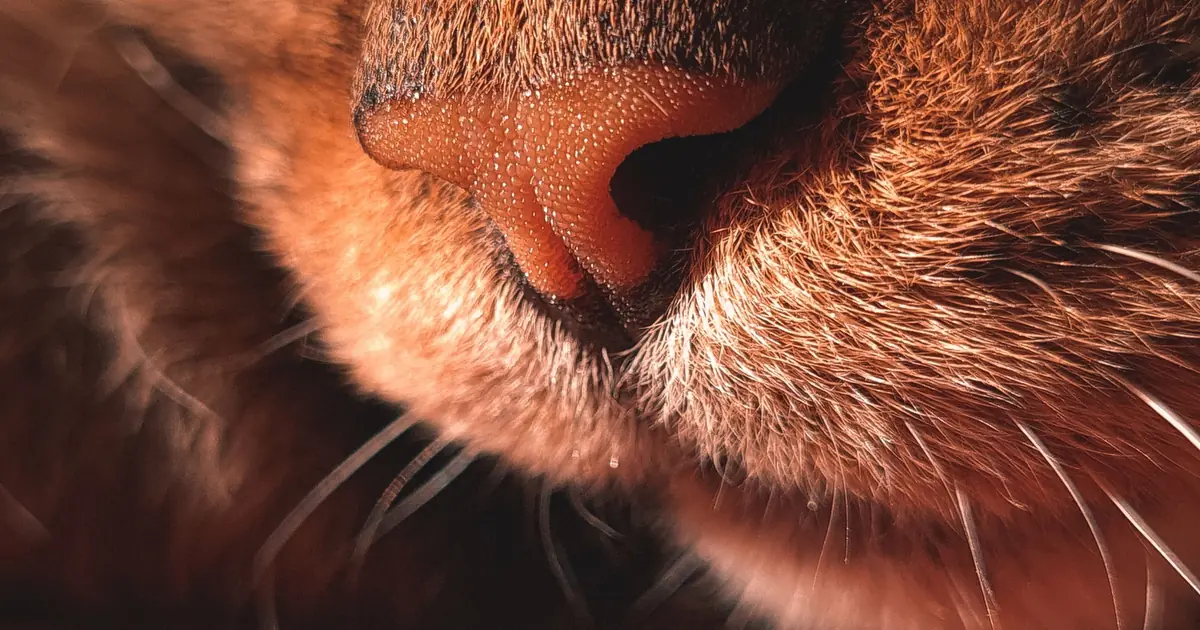
Lentigo is a benign condition where extra pigment cells create small, flat, dark spots on a cat’s skin. The spots usually show up on the lips, nose, gum line, and eyelid rims, and they can start small and gradually increase in number over time. Lentigo is harmless, painless, and cosmetic only, there’s no health risk and nothing to treat. It’s often called “lentigo simplex” and is basically the feline version of freckles, most striking on orange-toned cats where the black really stands out.
Which cats get black lip spots most?
Lentigo is most common in orange, ginger, calico, and tortoiseshell cats. The gene that produces their warm coat colors is linked to this tendency to develop dark pigment spots, so these cats frequently get black flecks on the lips, nose, and gums as they mature. It can appear in cats of other colors too, but it’s most noticeable, and most expected, in orange-based coats. If you have a ginger cat, black lip spots are almost a rite of passage and nothing to worry about.
Lentigo vs something to worry about
Here’s how to tell harmless freckles from a spot that needs a vet.
| Harmless (likely lentigo) | Get it checked |
|---|---|
| Flat, smooth black spots | Raised, lumpy, or thickened spots |
| Stable or slowly increasing freckles | Rapidly growing or changing spots |
| No bleeding or irritation | Bleeding, oozing, or ulcerated areas |
| Cat eats and acts normally | Swelling, pain, drooling, or bad breath |
When should you see a vet?
See a vet if a dark spot on the lips is raised, growing quickly, changing shape or color, bleeding, or causing your cat discomfort. While lentigo is harmless, other conditions, including infections, inflammation, and rarely tumors like melanoma, can also cause dark or abnormal spots, so anything that looks or behaves differently deserves a professional look. Swelling, ulceration, drooling, difficulty eating, or bad breath alongside lip changes also warrant a visit, and can tie into oral health, covered in cat dental care. This article is educational and not a substitute for veterinary care. For related mouth topics, see whether cats have lips and why cats lick their lips. Trusted background comes from the Cornell Feline Health Center and VCA Hospitals.
Frequently Asked Questions
Q: Why does my cat have black spots on its lips?
Usually lentigo, a harmless increase in pigment cells that creates flat black freckles on the lips, gums, nose, and eyelids. It’s most common in orange, calico, and tortoiseshell cats and needs no treatment.
Q: Is lentigo in cats dangerous?
No. Lentigo is a benign, cosmetic condition, essentially cat freckles, with no health risk and nothing to treat. The spots are flat and painless. Only raised, growing, bleeding, or changing spots need a vet’s evaluation.
Q: Why do orange cats get black lips?
The genetics behind orange, ginger, and calico coats are linked to lentigo, so these cats commonly develop dark pigment spots on the lips, nose, and gums as they age. The black flecks stand out most against their warm coats.
Q: Should I worry about a black spot on my cat’s lip?
Not if it’s flat, smooth, and stable, that’s typical lentigo. Worry and see a vet if the spot is raised, growing fast, changing, bleeding, or paired with swelling, drooling, or trouble eating, which can indicate other conditions.
Q: Do black lip spots in cats go away?
Lentigo spots are permanent and may slowly increase over time, but they’re harmless and don’t need removal. They won’t disappear on their own. There’s no reason to treat them unless a spot changes and a vet advises otherwise.
Q: Can black lips be a sign of cancer in cats?
Rarely. Most dark lip spots are harmless lentigo, but tumors like melanoma can occasionally cause abnormal pigment. That’s why any raised, rapidly changing, bleeding, or ulcerated spot should be examined by a vet to be safe.

Hello and welcome to The Ideal Cat!
We are some passionate cat owners from different professions. We love our cats and have a lot of experience in how to care for our pets. We are incredibly excited to share our knowledge, experience, and research with you. So you can take good care of your loving cat. We will answer most of the common questions about owning cats, taking care of them, etc. If you have any question contact with us. Thanks for visiting! Enjoy the content.
