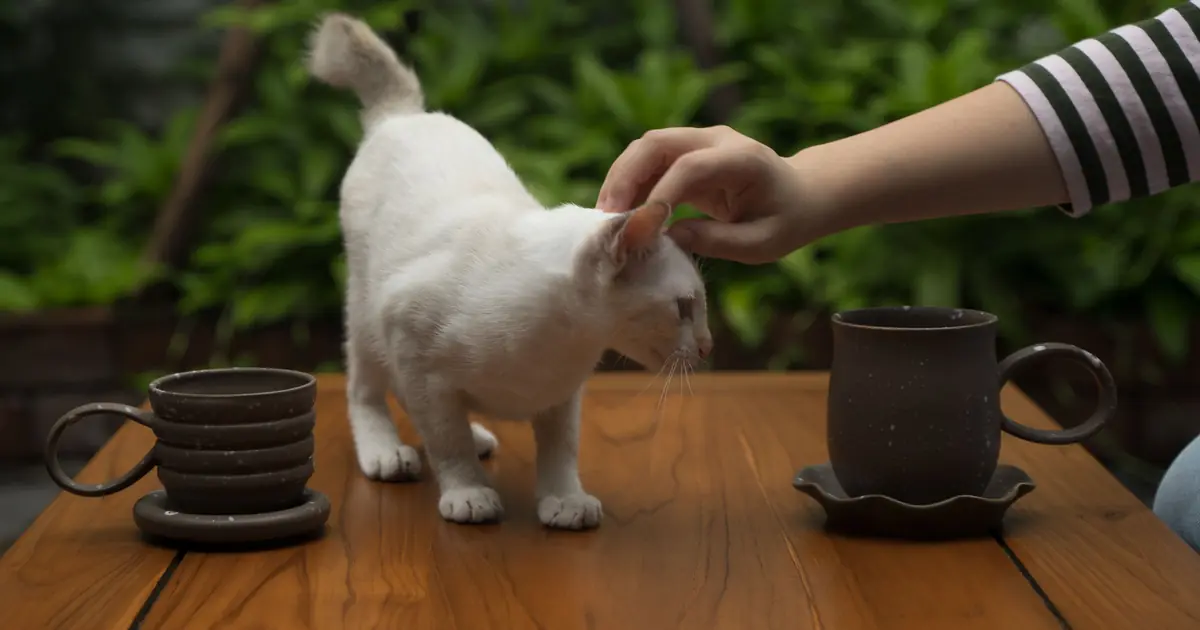
Picture this. It’s 6am, the coffee maker just gurgled to life, and before you’ve had a single sip, your cat hops onto the counter and starts sniffing your mug. Cats are curious like that. Some are drawn to the warmth, some to the milk swirled on top, and a few just want whatever you have. So can cats drink coffee? The short answer is a firm no.
Coffee is one of those everyday human drinks that’s genuinely risky for cats. The caffeine that gives you your morning jolt is toxic to your cat, and cats are small, which means it doesn’t take much. Here’s the thing though: a quick accidental lap of watered-down leftover coffee usually isn’t a crisis. Eating coffee grounds or beans is a different story. Let’s walk through exactly what happens, what to watch for, and what to do if your cat gets into it.
- Caffeine is a methylxanthine that’s toxic to cats, and coffee in every form (brewed, grounds, beans, espresso) contains it.
- Cats can’t process caffeine the way people do, so a small amount affects a cat far more than the same amount affects you.
- Signs of caffeine poisoning usually appear within 1 to 2 hours and can include restlessness, a rapid heart rate, vomiting, tremors, and seizures.
- Coffee grounds, whole beans, espresso, and caffeine pills are far more concentrated and more dangerous than a sip of brewed coffee.
- If your cat eats grounds, beans, or a caffeine pill, call your vet or a pet poison helpline right away instead of waiting for symptoms.
Can cats drink coffee?
No, cats cannot safely drink coffee, and you should never offer it on purpose. Coffee contains caffeine, and caffeine is toxic to cats even in small doses. Your cat’s body simply can’t break down caffeine efficiently, so it lingers and builds up, over-stimulating the heart and nervous system.
People sometimes assume a little coffee is harmless because we drink it all day. But your cat weighs a fraction of what you do. A dose that barely registers for you can push a 9-pound cat into real trouble. There’s no nutritional reason a cat needs coffee, no benefit to it, and no “cat-safe” version. Fresh water is the only drink your cat actually needs, and if yours seems obsessed with your mug, a running cat water fountain often satisfies that urge for moving liquid.
Why is caffeine toxic to cats?
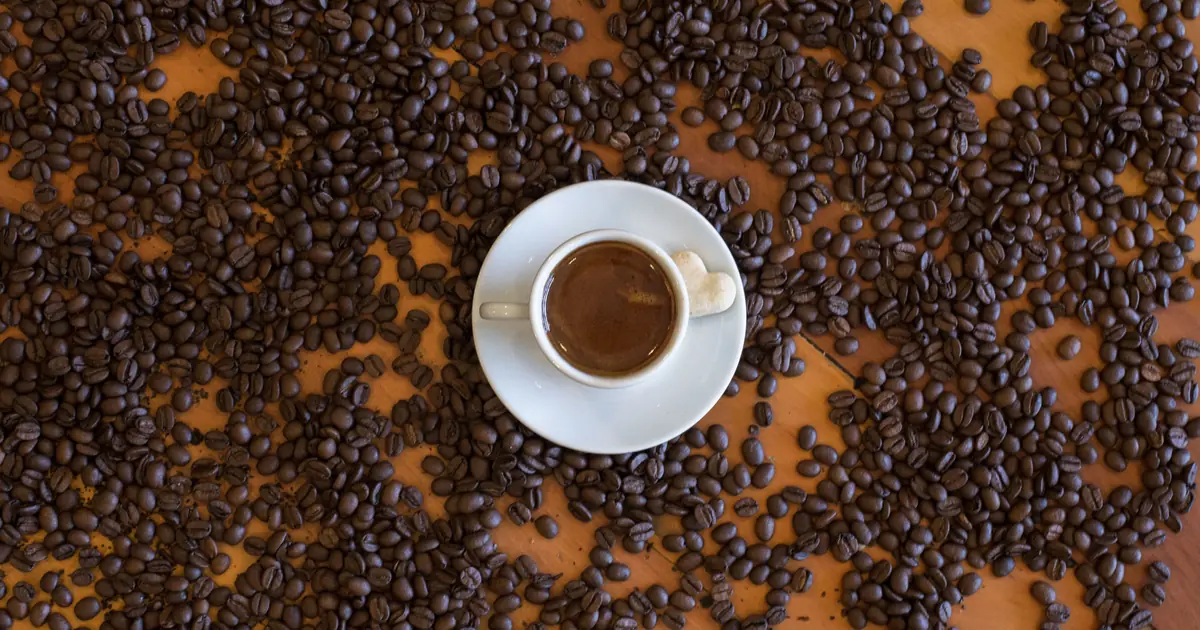
Caffeine is toxic to cats because it’s a methylxanthine, the same class of stimulant found in chocolate and tea. Methylxanthines rev up the central nervous system and the heart, and cats are especially sensitive to them.
In people, the liver breaks caffeine down fairly quickly. In cats, that process is slow and inefficient, so the caffeine keeps circulating and keeps stimulating. The result is an overworked heart, jittery nerves, and a body that can’t calm itself down. According to the ASPCA Animal Poison Control Center, caffeine-containing products are a common household poison for pets, which is why so many spilled-coffee panic calls come in every morning.
Coffee isn’t the only offender in your kitchen, either. Tea carries caffeine too, so it’s worth knowing why you should keep tea away from your cat for the same reasons.
What are the symptoms of caffeine poisoning in cats?
Caffeine poisoning in cats usually shows up within 1 to 2 hours of ingestion, and the first signs are often restlessness and vomiting. From there, symptoms can escalate depending on how much caffeine got in. Vomiting can be one of the earliest red flags, and if your cat throws up after eating or drinking something it shouldn’t have, treat it as a warning sign, not a shrug.
Watch for these signs of caffeine toxicity in cats:
- Restlessness, pacing, or hyperactivity
- Excessive vocalizing (yowling or crying)
- A rapid or abnormal heart rate
- High blood pressure
- Vomiting and diarrhea
- Panting or fast breathing
- Muscle tremors or twitching
- An elevated body temperature
- Seizures, and in severe cases, collapse or death
Symptoms can last anywhere from 12 to 36 hours because the caffeine leaves a cat’s system so slowly. That’s a long, scary stretch, which is exactly why early vet care matters so much. PetMD’s guidance on poisoning in cats stresses that the sooner a toxin is addressed, the better the outcome tends to be.
A quick note: this article is educational and isn’t a substitute for veterinary care. If you think your cat swallowed caffeine, call a professional.
Which forms of coffee are most dangerous for cats?
Concentrated coffee is the most dangerous for cats, and that means grounds, whole beans, espresso, and caffeine pills top the list. The more concentrated the caffeine, the smaller the amount it takes to cause harm. A cat crunching on a few coffee beans is getting a much bigger hit than a cat that licked some milky drip coffee.
Here’s how common coffee sources in your home stack up:
| Coffee source | Caffeine concentration | Risk to cats |
|---|---|---|
| Milky, watered-down leftover coffee | Low | A small lick is usually low risk for a healthy adult cat, but still not okay |
| Regular brewed black coffee | Moderate | A few laps can make a small cat sick |
| Espresso and espresso beans | High | Dangerous, small amounts can cause toxicity |
| Ground coffee (used or fresh) | High | Very dangerous, easy for cats to swallow a toxic amount |
| Whole coffee beans | High | Very dangerous, especially chocolate-covered beans (double toxin) |
| Caffeine pills or energy supplements | Very high | Extremely dangerous, an emergency even in tiny amounts |
Chocolate-covered espresso beans deserve a special warning. They combine caffeine with theobromine from chocolate, so your cat gets hit with two methylxanthines at once. Keep those well out of reach.
What if my cat only had a tiny lick of coffee?
If your cat took one small lick of milky, cooled-down coffee, a healthy adult cat is most likely going to be fine, but you should still keep a close eye on it. A tiny, diluted taste is a very different situation from your cat eating coffee grounds or beans. The amount of caffeine in a single lap of watered-down coffee is usually small.
Still, “probably fine” isn’t the same as “safe.” Kittens, senior cats, small cats, and cats with heart conditions are more vulnerable, so even a lick warrants extra caution for them. Watch for restlessness, a racing heart, or vomiting over the next couple of hours, and call your vet if anything seems off.
A real ingestion (grounds, beans, espresso, or a caffeine pill) is not a wait-and-see moment. Don’t hold off for symptoms in those cases. Call for help immediately, because it’s much easier to prevent poisoning from taking hold than to reverse it once your cat is in distress.
What should I do if my cat drank coffee or ate coffee grounds?
If your cat ate coffee grounds, beans, or a caffeine pill, call your veterinarian or a pet poison helpline right away, before symptoms even start. Time is your biggest advantage with caffeine, so acting fast genuinely changes the outcome.
Here’s what to do, step by step:
- Take the coffee source away and check how much your cat may have gotten into.
- Note the details: what form (brewed, grounds, beans, pills), roughly how much, and when it happened.
- Call your vet, a local emergency animal hospital, or a pet poison control line right away.
- Have your cat’s weight ready if you know it, since that helps them assess the risk.
- Do not try to make your cat vomit at home unless a professional tells you to. Home remedies can cause more harm.
- Follow the guidance you’re given, and get your cat seen quickly if they recommend it.
There’s no specific antidote for caffeine, so vets treat it with supportive care: IV fluids, medications to steady the heart rate, and drugs to control tremors or seizures. Cats often need monitoring for a day or more because the caffeine clears so slowly. You can reach the ASPCA Animal Poison Control Center or the Pet Poison Helpline at any hour, and reputable resources like the Cornell Feline Health Center are worth bookmarking for general feline health questions.
What should cats drink instead of coffee?
Cats should drink fresh, clean water, and that’s really the whole list. Water is the only drink a cat needs, and most cats do best when it’s clean, cool, and easy to get to. If your cat keeps eyeing your mug, it’s often curiosity or a taste for moving water rather than a craving for coffee itself.
To keep your cat hydrated and away from your drinks, refresh the water bowl daily, place bowls away from the litter box and food, and consider a fountain if your cat prefers running water. Good hydration also pairs with a solid diet, so feeding a complete and balanced cat food covers the rest of your cat’s needs. Keep coffee mugs, grounds, and beans off counters and out of reach, and you’ll skip the morning scare entirely.
Frequently asked questions about cats and coffee
Q: Can a cat die from drinking coffee?
Yes, in severe cases caffeine toxicity can be fatal to cats, though death is uncommon with a small accidental lick. The real danger comes from concentrated sources like coffee grounds, beans, espresso, and caffeine pills. Severe poisoning can cause seizures and heart failure, so treat any real ingestion as an emergency and call your vet.
Q: How much coffee is toxic to a cat?
There’s no safe amount of coffee for a cat, and even small amounts can cause symptoms because cats are so sensitive to caffeine. A few laps of strong brewed coffee can make a small cat sick, and eating grounds or beans is far more dangerous. Rather than guessing an amount, contact your vet if your cat ingests any coffee.
Q: Why is my cat obsessed with my coffee?
Many cats are drawn to coffee because of the warmth, the milk or cream on top, or simply the movement of the liquid, not the coffee itself. Cats are naturally curious about whatever their humans consume. Offer fresh water or a cat water fountain to redirect that interest, and keep your mug covered or out of reach.
Q: Can cats drink decaf coffee?
No, cats should not drink decaf coffee either. Decaffeinated coffee still contains a small amount of caffeine, and it offers no benefit to your cat. It can also contain additives, milk, or sweeteners that upset a cat’s stomach. Stick to fresh water as the only drink for your cat.
Q: How long does caffeine stay in a cat’s system?
Caffeine clears a cat’s system slowly, and symptoms of poisoning can last 12 to 36 hours. Because cats process caffeine so inefficiently, the effects linger far longer than they would in a person. This slow clearance is why vets often monitor affected cats for a day or more with supportive care.
Q: What are the first signs my cat drank coffee?
The first signs of caffeine ingestion in cats usually appear within 1 to 2 hours and often include restlessness and vomiting. You may also notice a racing heart, pacing, excessive vocalizing, or panting. If you spot these signs after your cat got near coffee, call your vet right away rather than waiting to see if they pass.
Q: Are coffee grounds dangerous if my cat walks in them?
Coffee grounds are dangerous mainly if your cat eats them or licks them off its paws or fur after contact. Grounds are highly concentrated in caffeine, so even a small amount swallowed can cause toxicity. If your cat stepped in spilled grounds, wipe its paws before it grooms and clean up the spill promptly.
Q: Can kittens have coffee?
No, kittens should never have coffee, and they’re at even greater risk than adult cats. Kittens are tiny, so a small amount of caffeine represents a much larger dose for their body weight. Any coffee ingestion in a kitten is a veterinary emergency, so call your vet or a pet poison helpline immediately.
Bottom line: cats can’t drink coffee, because the caffeine in every form of it is toxic to them. Keep your mug, your grounds, and your beans out of paw’s reach, offer fresh water instead, and if your cat ever gets into coffee, call your vet or a pet poison helpline without waiting. Your morning routine and your cat can happily coexist, just on opposite sides of the counter.

Hello and welcome to The Ideal Cat!
We are some passionate cat owners from different professions. We love our cats and have a lot of experience in how to care for our pets. We are incredibly excited to share our knowledge, experience, and research with you. So you can take good care of your loving cat. We will answer most of the common questions about owning cats, taking care of them, etc. If you have any question contact with us. Thanks for visiting! Enjoy the content.
