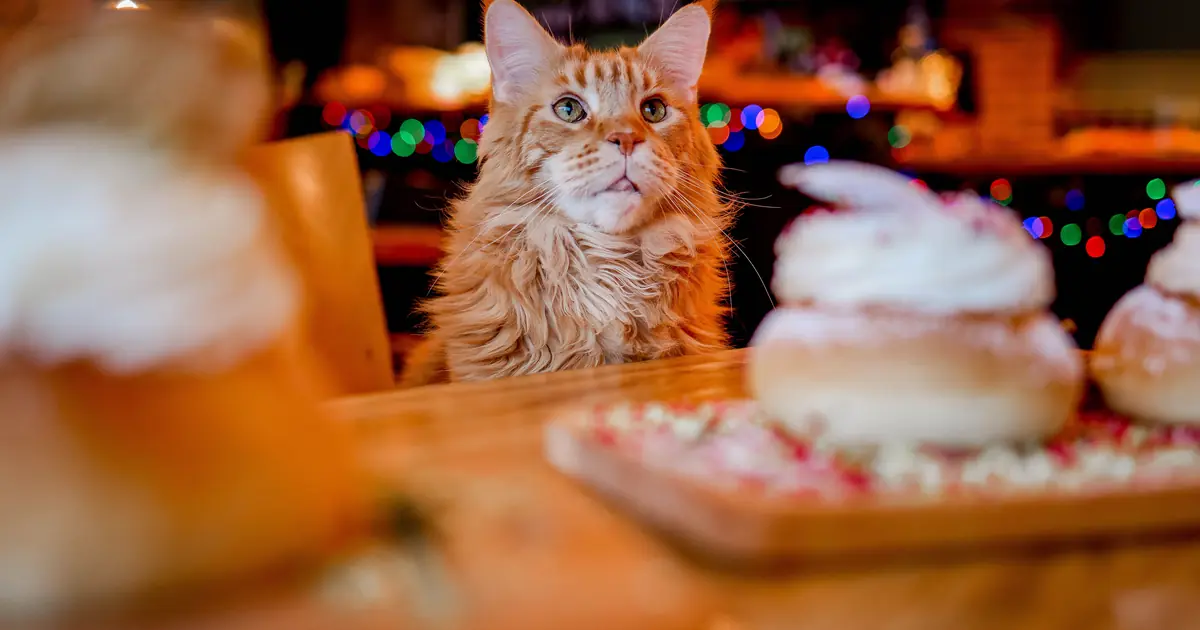
Picture this. You’re handing out biscuits to the dog, and a furry little opportunist appears at your ankle, staring you down. Your cat wants in. So you toss a dog treat their way, they gobble it, and now you’re wondering if you just made a mistake.
Here’s the honest answer on whether cats can have dog treats: an occasional nibble usually won’t hurt, but dog treats are the wrong food for a cat. Cats and dogs have very different bodies and very different diets. One stray dog biscuit is not an emergency. Making it a regular thing, though, is a genuinely bad idea, and I’ll walk you through exactly why.
- A plain dog treat or two is unlikely to harm a healthy adult cat, so a stray biscuit is not cause for panic.
- Dog treats lack taurine, an essential amino acid cats must get from their diet, and long-term deficiency causes heart and eye disease.
- Cats are obligate carnivores who need animal protein, while dog treats are often carb-heavy and formulated for dogs, not cats.
- Avoid dog treats containing onion or garlic powder, xylitol, propylene glycol, or heavy salt, since these ingredients are risky for cats.
- Real cat treats are the safer choice because they match feline nutrition, come in cat-sized pieces, and reduce choking risk.
Can cats eat dog treats safely?
Cats can eat a plain dog treat once in a while without harm, but dog treats should never be a regular part of a cat’s diet. A single biscuit from a healthy dog-treat bag is not toxic to most cats. The problem is what happens when it becomes routine, because dog treats simply don’t meet a cat’s nutritional needs.
Think of dog treats like a candy bar for your cat. One won’t do lasting damage. A steady diet of them slowly crowds out the nutrients your cat actually needs. Cats have specific dietary requirements that dog food and dog treats are not designed to cover. The same logic applies to the main bowl, which is why cats should not live on dog food. If you want to reward your cat, reach for proper cat treats made for their needs instead.
Why do cats and dogs have different nutritional needs?
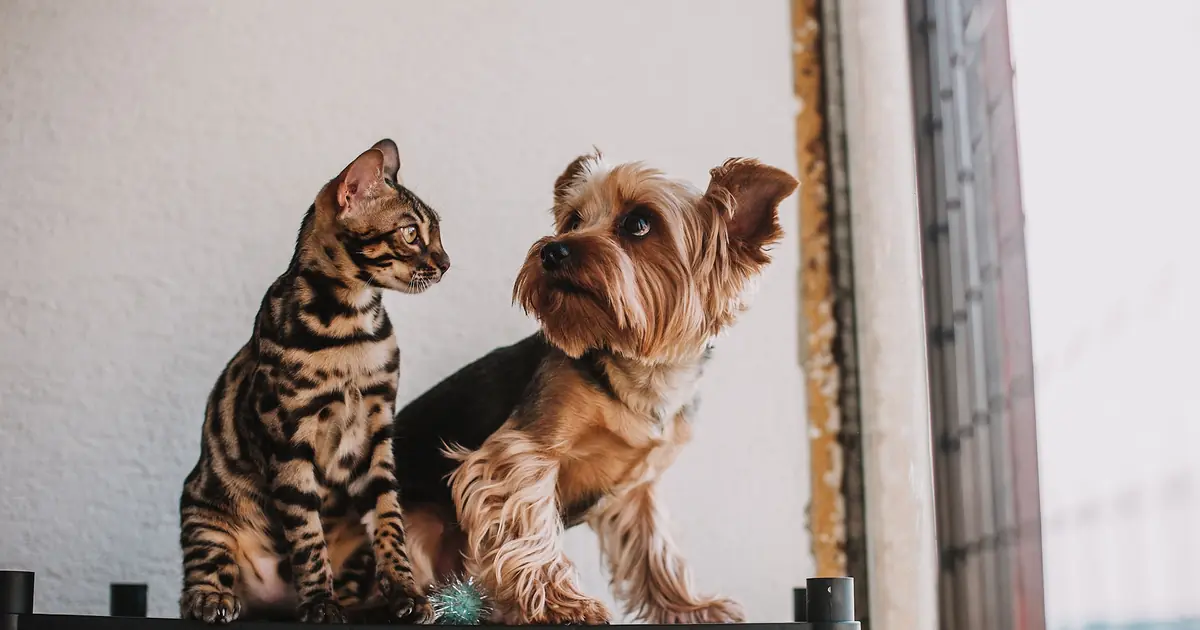
Cats and dogs need different food because cats are obligate carnivores and dogs are omnivores. An obligate carnivore is an animal whose body is built to run almost entirely on nutrients from animal tissue. Dogs can get by on a more mixed diet, so their treats often lean on grains, starches, and plant ingredients that a cat’s system isn’t designed to thrive on.
The biggest gap is taurine. Taurine is an essential amino acid that cats cannot make in useful amounts on their own, so they have to get it from their food. When cats don’t get enough taurine over time, they can develop a serious heart condition called dilated cardiomyopathy and even go blind from retinal damage. Dog treats aren’t formulated with feline taurine needs in mind, which is a big reason they fall short. The ASPCA notes taurine is a required nutrient for cats that dog products don’t reliably provide.
Protein matters too. Cats need more animal-based protein than dogs, and they use it as their main fuel source. Many dog treats are heavier on carbs and lower on the meat protein a cat depends on. A treat built for a dog just isn’t speaking your cat’s nutritional language. For the full picture on feline nutrition, it helps to understand what goes into a complete feline diet.
Which dog treat ingredients are dangerous for cats?
Some dog treat ingredients are genuinely risky for cats, so the label is worth a quick scan before you share. A few additives that are tolerated by dogs, or simply not designed with cats in mind, can cause real problems in a feline body. Cats are smaller and more sensitive to certain compounds.
- Onion and garlic powder: These flavorings damage a cat’s red blood cells and can cause anemia. They show up in some meaty and jerky-style dog treats.
- Xylitol: This sugar substitute appears in a few soft or dental dog products. It’s best kept away from cats, and it’s outright dangerous to dogs, so treat it as off-limits for both.
- Propylene glycol: Used to keep some semi-moist dog treats soft, this additive is banned from cat food because it can harm feline red blood cells.
- High salt and heavy seasonings: Cats are tiny, so a salt load that’s nothing to a big dog can upset a cat’s stomach and stress the kidneys.
The guidance from PetMD on cat nutrition is a good reminder that species-specific food exists for a reason. Just as you’d think twice before sharing another human or processed food to be careful with, dog treats deserve the same caution.
Are dog treats a choking or size hazard for cats?
Yes, dog treats can be a choking or dental hazard for cats because they’re sized and shaped for bigger mouths. A large, hard biscuit meant for a Labrador is a lot for a cat to handle. Cats tend to gulp rather than chew thoroughly, and an oversized chunk can lodge in the throat or crack a tooth.
Hard dental chews and big bones are the main worry. They’re dense, they’re large, and they’re built for a dog’s jaw strength. If your cat somehow got hold of one, watch for gagging, pawing at the mouth, or trouble swallowing. Small, soft, cat-sized pieces are always the safer format for a feline.
How do dog treats and cat treats actually compare?
Cat treats beat dog treats for cats on every measure that counts, from taurine to portion size. The table below lays out why a treat made for your cat is the better pick, and why a dog treat is only ever an occasional accident.
| Feature | Dog Treats | Cat Treats |
|---|---|---|
| Taurine | Not formulated for feline needs | Included for feline requirements |
| Protein source | Often carb-heavy, lower meat protein | Higher animal protein |
| Piece size | Often large and hard | Small, cat-mouth friendly |
| Risky additives | May contain onion, garlic, xylitol, propylene glycol | Formulated to avoid cat-toxic ingredients |
| Best use for a cat | Rare accident only | Everyday reward in moderation |
What should I do if my cat ate a dog treat?
If your healthy cat ate a plain dog treat, stay calm, because one treat rarely causes trouble. Check the ingredient list for onion, garlic, or xylitol, offer fresh water, and keep an eye on your cat for the next day or so. Most cats are completely fine after a stray biscuit.
Watch for vomiting, diarrhea, drooling, lethargy, or loss of appetite. Mild tummy upset can happen when a cat eats something unfamiliar, and if your cat throws up after eating the wrong food, it’s usually short-lived. But if you saw a toxic ingredient on the label, if your cat ate a large amount, or if symptoms don’t clear up quickly, call your vet.
A quick note: this article is educational and not a substitute for veterinary care. If your cat swallowed a dog treat with onion, garlic, or xylitol, or is showing signs like repeated vomiting, weakness, or trouble breathing, contact your veterinarian or an emergency animal hospital right away. When you’re unsure, the Cornell Feline Health Center is a trustworthy starting point for cat health questions.
FAQ: Cats and dog treats
Q: Will one dog treat hurt my cat?
One plain dog treat is very unlikely to hurt a healthy adult cat. The main risks come from repeated feeding or from treats containing onion, garlic, or xylitol. Check the label, offer water, and watch for any stomach upset.
Q: Can kittens have dog treats?
Kittens should not have dog treats. Growing kittens have high needs for animal protein and taurine that dog treats don’t meet, and their tiny mouths make large biscuits a real choking risk. Stick to kitten-appropriate cat treats.
Q: Why can’t cats just eat dog food and dog treats?
Cats are obligate carnivores who need taurine and high animal protein from their diet, and dog products aren’t formulated to supply enough. Long-term taurine deficiency can cause heart disease called dilated cardiomyopathy and vision loss. Dog food and treats simply don’t cover feline needs.
Q: Are dog dental chews safe for cats?
Dog dental chews are not a good choice for cats. They’re large, hard, and built for a dog’s jaw, which makes them a choking and tooth-fracture risk for a smaller feline mouth. Use cat-specific dental treats instead.
Q: What dog treat ingredients are toxic to cats?
Onion and garlic powder can damage a cat’s red blood cells and cause anemia, and xylitol should be kept away from cats entirely. Propylene glycol, used in some soft dog treats, is banned from cat food because it harms feline red blood cells. High salt is also a concern.
Q: Can dog treats make a cat sick?
Dog treats can cause mild stomach upset like vomiting or diarrhea, especially if the treat is rich, salty, or unfamiliar. Serious illness usually only happens with toxic ingredients or frequent feeding. If symptoms last more than a day, call your vet.
Q: How often can my cat have a dog treat?
Ideally, never as a routine. A plain dog treat as a rare accident is fine, but it shouldn’t be a habit because dog treats lack the taurine and animal protein cats need. Choose real cat treats for regular rewards.
Q: Are cat treats really that different from dog treats?
Yes, cat treats and dog treats are formulated differently. Cat treats include taurine, use more animal protein, come in cat-sized pieces, and avoid cat-toxic additives. Dog treats are built for a dog’s very different diet, so they fall short for cats.

Hello and welcome to The Ideal Cat!
We are some passionate cat owners from different professions. We love our cats and have a lot of experience in how to care for our pets. We are incredibly excited to share our knowledge, experience, and research with you. So you can take good care of your loving cat. We will answer most of the common questions about owning cats, taking care of them, etc. If you have any question contact with us. Thanks for visiting! Enjoy the content.
