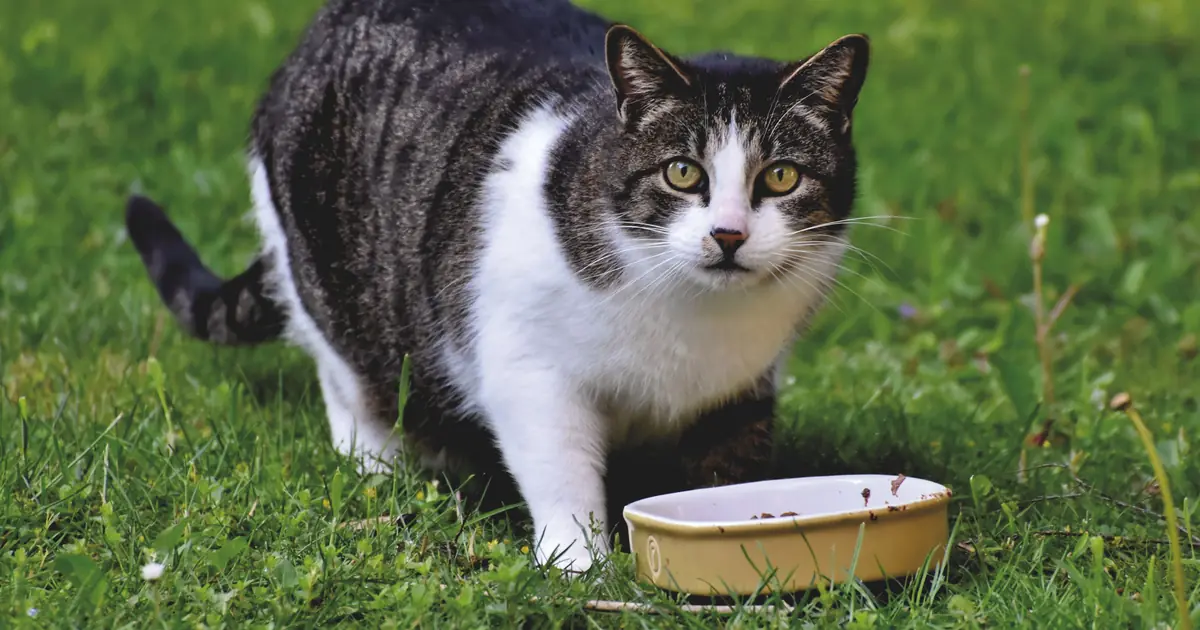
Your cat won’t stop scratching. There’s a bald patch behind the ears, maybe a few scabs on the chin, and the litter box has been telling its own story lately. You’ve swapped foods twice and nothing’s changed.
Here’s the thing: food allergies in cats are almost always a reaction to a protein, not a grain. The right food can genuinely calm the itching and settle the gut, but only if you pick the right type and give it time to work. Let’s break down what actually helps and how to do it properly.
This article is educational and isn’t a substitute for veterinary care. Food allergies are diagnosed and managed with your vet, so loop them in before making big diet changes.
- The most common feline food allergens are beef, fish, chicken, and dairy, all animal proteins rather than grains.
- Three food types help with allergies: limited-ingredient diets, novel-protein diets, and vet-prescribed hydrolyzed-protein diets.
- Food allergy signs are usually year-round itching around the head, neck, face, and ears, plus overgrooming and sometimes vomiting or diarrhea.
- Grain-free is mostly marketing; true grain allergy in cats is rare, so protein is the usual culprit.
- An 8 to 12 week elimination diet trial, with no treats or flavored medications, is the only reliable way to confirm a food allergy.
What kind of cat food helps with allergies?
Cat food that helps with allergies works by removing or breaking down the protein your cat’s immune system overreacts to. Three types do this well: limited-ingredient diets, novel-protein diets, and hydrolyzed-protein prescription diets. Each takes a different route to the same goal, which is feeding your cat a protein their body no longer sees as a threat.
None of these is a magic bag of kibble you grab off the shelf and win. The food is only half of it. The other half is feeding it exclusively, long enough for your cat’s skin and gut to calm down. More on that below.
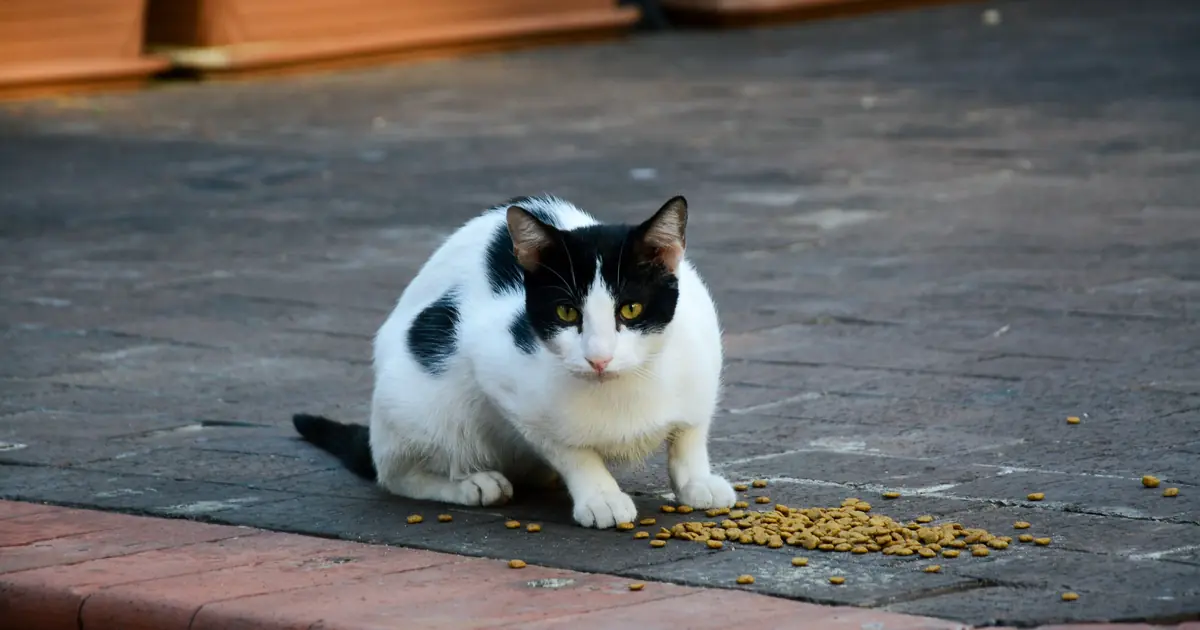
Comparing the food types that help with allergies
Here’s how the main options stack up, so you can see which one fits your cat and your budget.
| Food type | How it helps | Best for | Prescription needed? |
|---|---|---|---|
| Limited-ingredient diet (LID) | Uses one protein and one carb source, so there are fewer possible triggers | Mild sensitivities and simple trials at home | No, over the counter |
| Novel-protein diet | Uses a protein the cat has never eaten, like rabbit, venison, or duck, so there’s no built-up reaction | Cats with a known short food history | Some OTC, some prescription |
| Hydrolyzed-protein diet | Proteins are cut into pieces too small for the immune system to recognize | Confirmed allergies and strict diagnostic trials | Yes, vet prescription |
| Grain-free food | Removes grains, which are rarely the actual problem | Usually not the answer for food allergies | No |
If you’d rather see specific bags we’d actually feed, our roundup of the best cat food for allergies walks through real products by type. This article is the “why” behind those picks.
Food allergy vs food intolerance vs environmental allergy
A food allergy is an immune system reaction to a specific protein, while a food intolerance is a digestive problem with no immune response, and an environmental allergy is a reaction to things like pollen, dust, or fleas. They can look alike from the outside, which is exactly why cats get misdiagnosed and put on the wrong food.
Food intolerance usually shows up as gut trouble: gas, vomiting, or diarrhea after certain meals, a bit like how most adult cats react to dairy. A true food allergy more often shows up on the skin, and it sticks around all year. Environmental allergies, by contrast, tend to flare with the seasons.
Telling them apart matters because the fix is different. According to PetMD’s vet-reviewed guide, food allergies are diagnosed by ruling other causes out with a strict diet trial, not by a quick blood or saliva test. If the itching is seasonal or your cat has fleas, food might not be the culprit at all. Our guide on easing cat allergies naturally covers the environmental side.
What food allergy signs actually look like
The classic sign of a feline food allergy is persistent, year-round itching around the head, neck, face, and ears. A lot of cat parents first notice overgrooming, thinning fur, or scabs on the chin and cheeks. Recurring ear infections are common too.
The gut side is real as well. Some allergic cats vomit or have loose stools, and food is a frequent trigger there. If your cat’s stool has been soft or watery, our piece on cat diarrhea causes and fixes helps you sort out whether food is the reason.
What are the most common cat food allergens?
The most common food allergens in cats are beef, fish, chicken, and dairy. All four are animal proteins, and all four are extremely common in everyday cat food, which is exactly why cats develop reactions to them. A cat has to be exposed to a protein to become allergic, so the ingredients they eat most are the ones they react to most.
This is the part that trips people up. Cats aren’t usually allergic to something exotic. They’re allergic to the chicken or fish that’s been in their bowl for years. That’s why simply switching from one chicken food to another chicken food almost never helps.
- Beef is one of the top reported triggers in cats.
- Fish is a frequent culprit, despite its “healthy” reputation.
- Chicken shows up in most commercial diets, so exposure is high.
- Dairy causes trouble for many cats, though that’s often intolerance rather than true allergy.
Is grain-free cat food better for allergies?
No, grain-free food is not a reliable fix for cat allergies, because true grain allergy in cats is rare. The offending ingredient in the vast majority of feline food allergies is a protein, not wheat, corn, or rice. Grain-free is mostly a marketing angle, and a grain-free bag can still be loaded with chicken or fish, which are far more likely to be the actual problem.
So if your cat reacts to a grain-free chicken formula, the grain was never the issue. The chicken was. Focus on the protein source, not the “grain-free” badge on the front of the bag. A cat with a genuinely sensitive gut may still do better on a gentle recipe, and our guide to the best sensitive-stomach cat food covers that separate need.
How does an elimination diet trial work?
An elimination diet trial means feeding your cat one carefully chosen diet, and nothing else, for 8 to 12 weeks to see if the symptoms clear. It’s the diagnostic gold standard for food allergies, and honestly, there’s no shortcut. Blood and saliva “allergy tests” aren’t reliable for diagnosing food allergies in cats, which is why vets lean on the trial instead.
Your vet picks either a novel-protein or a hydrolyzed-protein diet, then you feed only that. The trial usually runs like this:
- Pick the diet with your vet. They’ll choose a hydrolyzed or novel-protein food based on your cat’s history.
- Feed it exclusively for 8 to 12 weeks. Skin and gut need weeks to calm down and reset, so shorter trials give false results.
- Cut everything else. No treats, no table scraps, no flavored medications or supplements, and no dental chews. One cheat can blow the whole trial.
- Watch for improvement. Track the itching, grooming, and stool. Many cats improve noticeably by the end.
- Rechallenge to confirm. Your vet reintroduces the old food. If symptoms come back, you’ve confirmed a food allergy and found what to avoid.
The “no treats” rule is the one people underestimate. A single flavored dewormer or a lick of the old food restarts the clock. The Cornell Feline Health Center and the International Cat Care team both stress the same thing: strictness is what makes the trial work. If parasites might be part of the itching picture, rule those out too with proper cat parasite treatment.
Why the prescription diets are stricter
Prescription hydrolyzed and novel-protein diets exist because over-the-counter foods can be contaminated with traces of other proteins. Studies have found “limited-ingredient” store foods that contained proteins not listed on the label, which can quietly sabotage a diet trial. For the actual diagnostic phase, a vet-prescribed diet gives you a cleaner, more trustworthy result. Once you know the trigger, some cats can move to a well-chosen over-the-counter food for the long haul.
Working with your vet is the real key
The single most important step for a cat with food allergies is partnering with your vet, not guessing at the bowl. Food allergies overlap with fleas, environmental allergies, parasites, and gut disease, and only a vet can help you tell them apart and run a proper trial. Trying random “allergy” foods on your own usually wastes months and money.
Bring your vet the full picture: when the itching started, what you’ve fed, what treats sneak in, and whether the stool has changed. That history shapes which diet they choose. Then you commit to the trial and give it the full 8 to 12 weeks. That’s how you actually fix it, instead of chasing symptoms bag after bag.
Cat food and allergies FAQ
Q: What is the best cat food for a cat with allergies?
The best food is one that removes your cat’s specific trigger protein, usually a hydrolyzed-protein or novel-protein diet chosen with your vet. There’s no single best bag for every cat, since it depends on which protein your cat reacts to. A vet-guided elimination trial is how you find the right one.
Q: How long does it take for allergy cat food to work?
Allergy food usually takes 8 to 12 weeks to show its full effect during an elimination diet trial. Skin and gut symptoms need weeks to settle, so patience is part of the process. Many cats improve noticeably by the end if the diet is fed strictly with no other foods.
Q: What are the most common food allergens in cats?
The most common feline food allergens are beef, fish, chicken, and dairy. All are animal proteins found in everyday cat food, and cats become allergic to the proteins they eat most often. Grains are a rare cause of true food allergy in cats.
Q: Is grain-free cat food good for allergies?
Grain-free food is rarely the answer, because true grain allergy in cats is uncommon. Most feline food allergies come from a protein like chicken or fish, and a grain-free food can still contain those. Focus on the protein source rather than the grain-free label.
Q: What is a novel-protein cat food?
A novel-protein cat food uses a protein your cat has never eaten before, such as rabbit, venison, or duck. Because the immune system hasn’t reacted to that protein before, it’s less likely to trigger allergy symptoms. Vets often use novel-protein diets for elimination trials.
Q: What is a hydrolyzed-protein diet?
A hydrolyzed-protein diet contains proteins broken into pieces so tiny the immune system can’t recognize them as allergens. These are prescription diets used to diagnose and manage food allergies. They’re considered the strictest option for a reliable elimination diet trial.
Q: Can food allergies cause diarrhea in cats?
Yes, food allergies and intolerances can cause vomiting and diarrhea in some cats, alongside or instead of skin symptoms. If your cat has ongoing loose stools tied to certain foods, mention it to your vet. Persistent diarrhea always deserves a veterinary check.
Q: Do allergy tests work for diagnosing cat food allergies?
No, blood and saliva allergy tests are not reliable for diagnosing food allergies in cats. The proven method is an 8 to 12 week elimination diet trial supervised by your vet. Skipping the trial in favor of a test often leads to wrong answers and wasted money.
Bottom line: cat food that helps with allergies isn’t about grabbing a grain-free or “hypoallergenic” bag off the shelf. It’s about removing the protein your cat reacts to, then feeding the right limited-ingredient, novel-protein, or hydrolyzed diet strictly for two to three months. Do that with your vet, and you give your itchy, uncomfortable cat a real shot at relief.

Hello and welcome to The Ideal Cat!
We are some passionate cat owners from different professions. We love our cats and have a lot of experience in how to care for our pets. We are incredibly excited to share our knowledge, experience, and research with you. So you can take good care of your loving cat. We will answer most of the common questions about owning cats, taking care of them, etc. If you have any question contact with us. Thanks for visiting! Enjoy the content.
