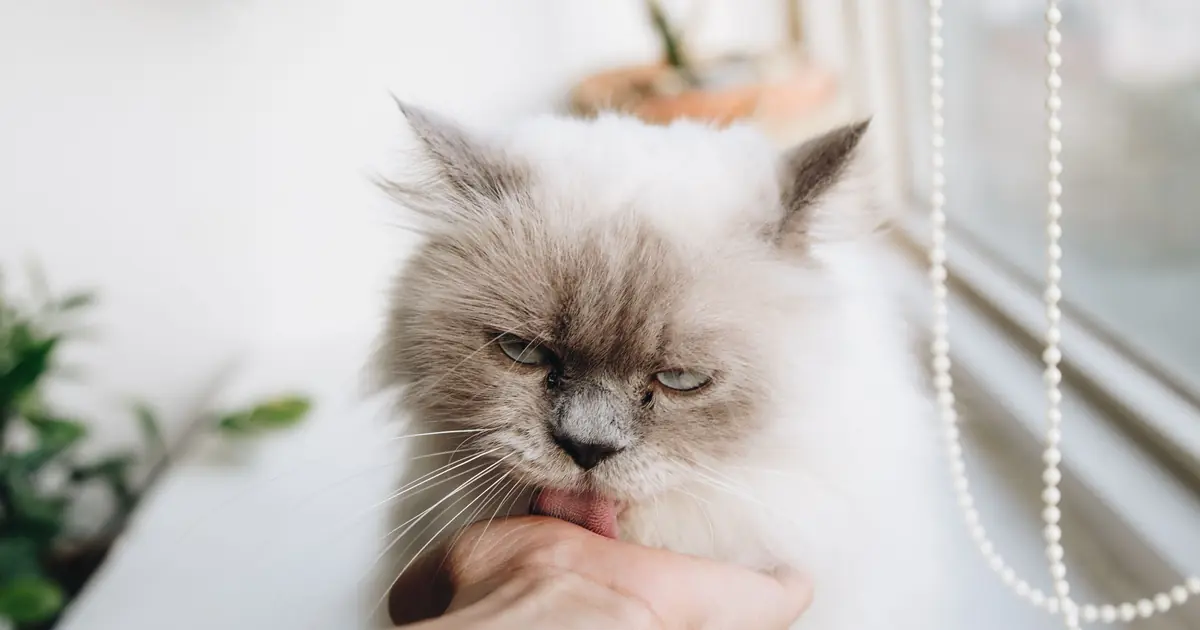
You lean down to say hi and your cat’s whole face goes to work. Nose twitching, whiskers forward, eyes half-closed in concentration. It looks intense. It’s not. This is just how your cat says hello and checks in on your day.
Cats experience the world nose-first. A quick sniff of your hand, your hair, or your coffee breath tells your cat more than a long stare ever could. If you’ve ever wondered whether this is affection, curiosity, or something to worry about, here’s exactly what’s going on in that little pink nose.
- Cats have around 200 million scent receptors in their nose, compared to roughly 5 million in humans, which makes smell their primary way of identifying you.
- Cats recognize their favorite people mostly by scent and sound, not by sight, which is why a fresh sniff after a shower or a workout is so common.
- Sniffing your face and breath is a close-range, trusting greeting, and it can also be your cat clocking food or dairy smells left behind.
- Cats process certain scents through a second smell organ called the vomeronasal organ, which is why they sometimes freeze, open-mouth, or make a “stink face” after a big sniff.
- Constant sniffing is normal cat behavior, but a sudden, obsessive fixation on one spot paired with excessive licking is worth mentioning to your vet.
Why does my cat sniff me so much?
Your cat sniffs you constantly because scent is its main information channel about the world, and you are the biggest, most interesting source of new information it has. Every time you leave the house and come back, you’re carrying a fresh report: where you went, what you touched, who you pet, and what you ate. Your cat’s nose reads that report the second you sit down.
A cat’s nose holds about 200 million scent receptors, according to International Cat Care, while humans get by with around 5 million. That’s not a small gap. It means your cat is picking up layers of smell you’ll never notice: the dog you petted at the park, the sandwich you had at lunch, even a whiff of stress sweat from a rough day. Sniffing isn’t nosiness. It’s just how cats read the room, and you’re the room.
How does my cat recognize me by scent?
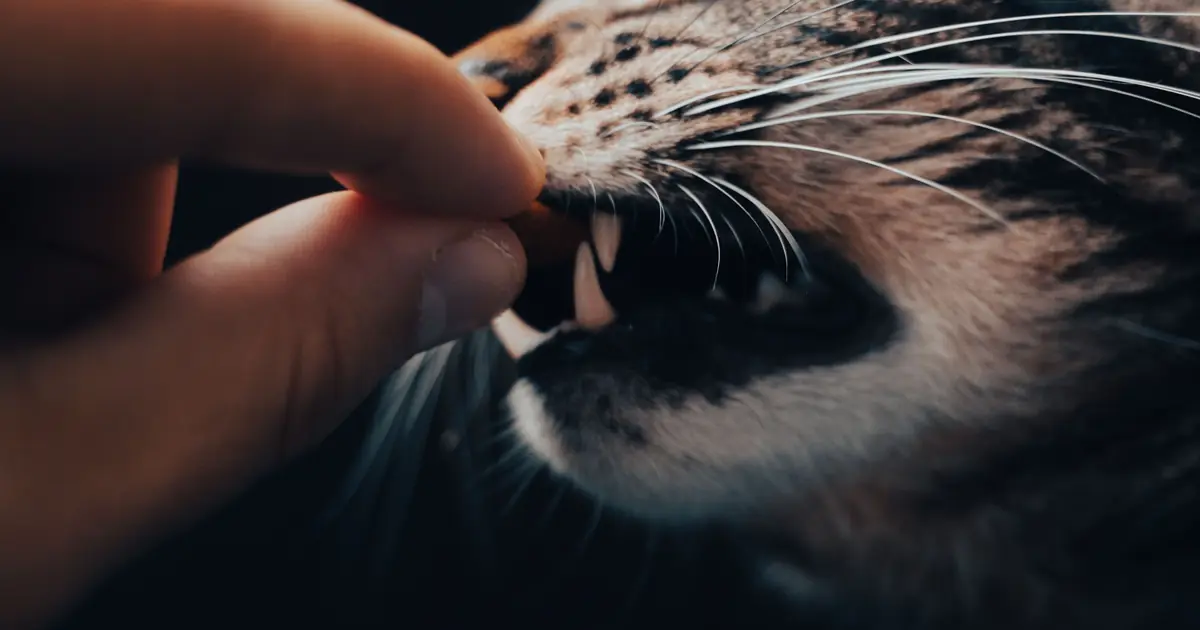
Your cat identifies you mainly through smell and voice, not through your face. Cat vision is decent up close but not built for fine detail at a distance, so scent does the heavy lifting for recognition. That’s why a cat will confidently sniff a stranger’s outstretched hand before deciding whether to trust them, and why your own cat gives you a re-sniff after a shower, a swim, or a trip to the gym.
You smell slightly different every day, and your cat notices. New lotion, new laundry detergent, a different deodorant, all of it registers as data. This is also part of why cats bond so strongly through scent rather than through eye contact the way dogs often do.
Why does my cat sniff me right after I’ve been outside?
A thorough sniff-down after you’ve been out is your cat running a quick background check on your day. Cats are territorial by nature, and any new smell entering their space, including the ones riding home on your clothes and skin, gets investigated. Other animals, unfamiliar people, outdoor smells, and food are the biggest triggers for this kind of detailed sniffing.
If you’ve pet another cat or dog, expect an extra-long sniff, sometimes followed by a slightly cool reaction. That’s not jealousy exactly, it’s your cat processing “who is this and why are they on my human.” Curious how far this sense of smell actually reaches? Cats can detect food from a surprising distance, which says a lot about how sensitive that nose really is.
Why does my cat sniff my face and breath specifically?
Face and breath sniffing is one of the most trusting things a cat does, since it means putting its nose right next to your teeth. Cats reserve close facial contact for people and animals they feel safe around, so a nose-to-nose or nose-to-mouth sniff is a compliment, not an inspection. Cats also gravitate toward breath because it often carries traces of food, milk, or dairy, all smells that grab their attention fast.
This same trust is behind other close-contact habits, like when a cat starts licking your face after a good sniff. Both behaviors come from the same place: you smell like family, so your cat treats you like family.
Is sniffing a form of affection or bonding?
Yes, sniffing you is one of the clearest bonding rituals a cat has. Watch two cats that get along and you’ll see them touch noses briefly before deciding whether to headbutt, groom, or curl up together. When your cat does this to you, it’s using the same greeting it uses on trusted cats, just adapted for a much taller, less furry friend.
This ritual often shows up alongside other affectionate habits, like rubbing against your legs to swap scent, or a gentle headbutt once the sniff-check is done. Sniff, rub, headbutt. That’s basically a cat’s version of a hug.
Can my cat smell my mood or if I’m sick?
Some cats do seem to notice changes in your scent tied to stress, illness, or big shifts in hormones, since sweat and skin chemistry shift under those conditions. This is an area researchers are still exploring, and it’s worth being careful not to overstate it. What’s fair to say: cats are sensitive enough that a change in your normal smell can prompt extra sniffing, more clinginess, or a bit of distance, depending on the cat.
This ties into the broader question of whether cats can sense danger or distress in their environment. Their nose is a real tool for that, even if it’s not a diagnostic one. If you’re feeling unwell, don’t read too much into your cat’s reaction either way, cats have plenty of quirky moods unrelated to your health.
Why does my cat sniff me, then make a weird face or walk away?
That odd, open-mouthed “stink face” after a deep sniff is called the flehmen response, and it’s completely normal. Cats have a second scent organ, the vomeronasal organ, tucked in the roof of the mouth, and opening their mouth slightly helps push extra scent particles toward it for a more detailed read. According to VCA Animal Hospitals, this response is common when cats encounter strong or unfamiliar scents, including on their favorite person.
Walking away right after isn’t rejection. Your cat has usually just gotten the information it needed and moved on to the next thing, the same way you’d glance at a text and go back to what you were doing.
What your cat sniffs versus what it’s learning
| What your cat sniffs | What it’s likely learning |
|---|---|
| Your face and breath | Confirms who you are, checks for food or dairy smells, close trust greeting |
| Your hands | What you touched, ate, or petted recently, including other animals |
| Your clothes and shoes | Where you’ve been, outdoor smells, other households you visited |
| Your hair after a shower | Re-identifying you through new soap or shampoo scent |
Is it normal for my cat to sniff me constantly?
Yes, frequent sniffing is completely normal cat behavior and just means your cat is an attentive, engaged member of the household. Cats that greet you at the door, sniff your bags, or check your hands throughout the day are simply staying on top of their environment, and you’re the biggest part of it.
The one time to pay attention is if sniffing turns obsessive, meaning your cat fixates on one specific spot on your body repeatedly, paired with excessive licking, chewing, or unusual restlessness. This article is meant to help you understand normal behavior, not replace veterinary advice, so if you notice a sudden change like that, it’s worth a quick mention to your vet.
How can I bond with my cat through scent?
You can build trust with a cat by offering your scent calmly instead of reaching straight for a pet. Follow these steps:
- Hold out one finger or the back of your hand at your cat’s nose level, staying still.
- Let your cat approach and sniff on its own time, don’t push your hand toward its face.
- Once your cat sniffs and relaxes its whiskers, offer a slow blink, cats read this as a friendly, non-threatening signal.
- Follow with gentle petting only if your cat leans in or rubs against your hand.
- Repeat this greeting consistently, especially with a shy or new cat, so your scent becomes reliably linked to safety.
Small rituals like this add up. A cat that sniffs your finger every morning and gets a slow blink back is building the same trust that keeps it sniffing your face for years to come.
FAQ: Common Questions About Cats Sniffing People
Q: Why does my cat sniff my mouth?
Your cat is checking your breath for food, dairy, or other interesting smells, and getting a close-range confirmation of your identity. This is one of the highest-trust greetings a cat gives, since it means putting its nose right up to your teeth.
Q: Why does my cat sniff my feet?
Your feet carry some of the strongest scent on your body, including sweat and whatever you’ve walked through that day. Cats often sniff feet and shoes specifically to catch up on outdoor smells and other animals you may have encountered.
Q: Why does my cat sniff me and then bite or lick me?
A sniff followed by a gentle lick is typically an extension of the same greeting, cats use licking to exchange scent and show affection toward trusted people. A sniff followed by a soft nip is usually playful or a sign of overstimulation, especially if your cat’s tail starts flicking.
Q: Do cats sniff you to see if you’ve been with another cat?
Yes, cats can pick up on unfamiliar cat or animal scent on your hands and clothes, and they often give it extra attention. This is normal territorial curiosity rather than jealousy, even though it can look a lot like it.
Q: Why does my cat sniff my hair?
Your hair holds a mix of your natural scent plus shampoo, styling products, and anything you’ve been near, all of which change often enough to interest your cat. It’s one more way your cat keeps its scent-based profile of you up to date.
Q: Why does my cat open its mouth after sniffing me?
That open-mouthed pause is called the flehmen response, and it helps your cat route extra scent to the vomeronasal organ on the roof of its mouth for a more detailed read. It looks dramatic, but it’s a completely normal part of feline smell processing.
Q: Why does my cat sniff me and then walk away?
Once your cat gathers the scent information it wants, there’s often nothing more to investigate, so it simply moves on. This isn’t rejection, it’s just an efficient cat finishing its check-in.
Q: Should I be worried if my cat sniffs me nonstop?
No, frequent sniffing on its own is normal and just reflects how cats gather information about their world. Only mention it to your vet if the sniffing becomes obsessive and fixated on one spot, especially alongside excessive licking or a sudden behavior change.

Hello and welcome to The Ideal Cat!
We are some passionate cat owners from different professions. We love our cats and have a lot of experience in how to care for our pets. We are incredibly excited to share our knowledge, experience, and research with you. So you can take good care of your loving cat. We will answer most of the common questions about owning cats, taking care of them, etc. If you have any question contact with us. Thanks for visiting! Enjoy the content.
