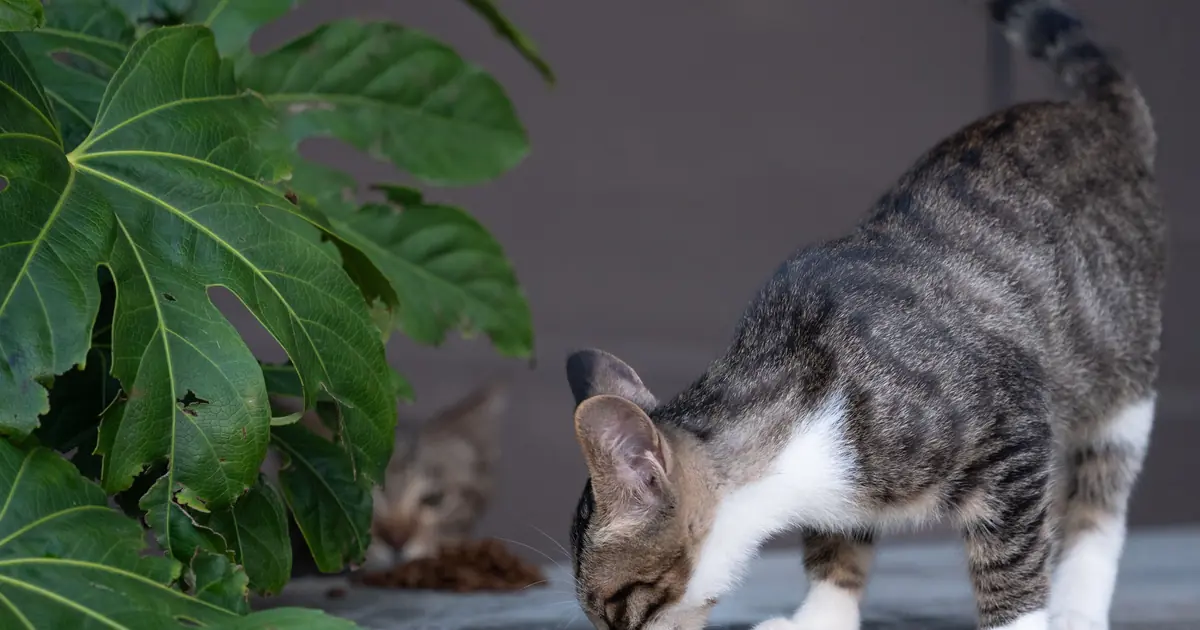
Picture this. You pour your first cup of the morning, turn away for one second, and there’s a paw hovering over the rim. Your cat leans in, sniffs hard, and gives you that look. The one that says, “What is this magic potion, and why don’t I have any?”
So do cats like coffee? Sort of, but not the way you’d think. Your cat isn’t secretly craving a latte. That nosy interest is mostly curiosity, the bold smell, the warm mug, and (let’s be honest) the splash of cream you added. The coffee part? Most cats couldn’t care less about the actual flavor. And here’s the thing you need to know upfront: however interested they seem, coffee is off-limits, because caffeine is genuinely toxic to cats.
- Cats are drawn to coffee mostly by curiosity, the strong aroma, the warm mug, and any milk or cream in it, not by the coffee itself.
- Cats cannot taste sweetness and actively avoid bitter flavors, so very few cats genuinely enjoy the taste of coffee.
- Caffeine is toxic to cats, and the toxic dose is roughly 36 to 68 mg per pound of body weight.
- Sniffing coffee is harmless, but drinking coffee or eating coffee grounds and beans can cause caffeine poisoning.
- If your cat swallows coffee, grounds, or beans, call your vet or a pet poison hotline right away.
Do cats actually like coffee, or just your mug?
Cats like the idea of your coffee more than the coffee itself. What pulls them in is a mix of curiosity, the powerful aroma, the cozy warmth of the mug, and whatever dairy you splashed on top. Take away the cream and the warm cup, and most cats lose interest fast.
Think about how your cat behaves. It’s not just coffee. It’s your cereal bowl, your grocery bag, the box the shoes came in. Cats investigate anything new, strong-smelling, or off-limits. Your mug ticks every box. A hot drink with a rich scent that you clearly value and won’t share? That’s catnip for a nosy cat’s brain. Reading whether it’s real hunger or plain nosiness is easier once you understand what your cat’s body language is telling you.
Why is my cat so attracted to the smell of coffee?
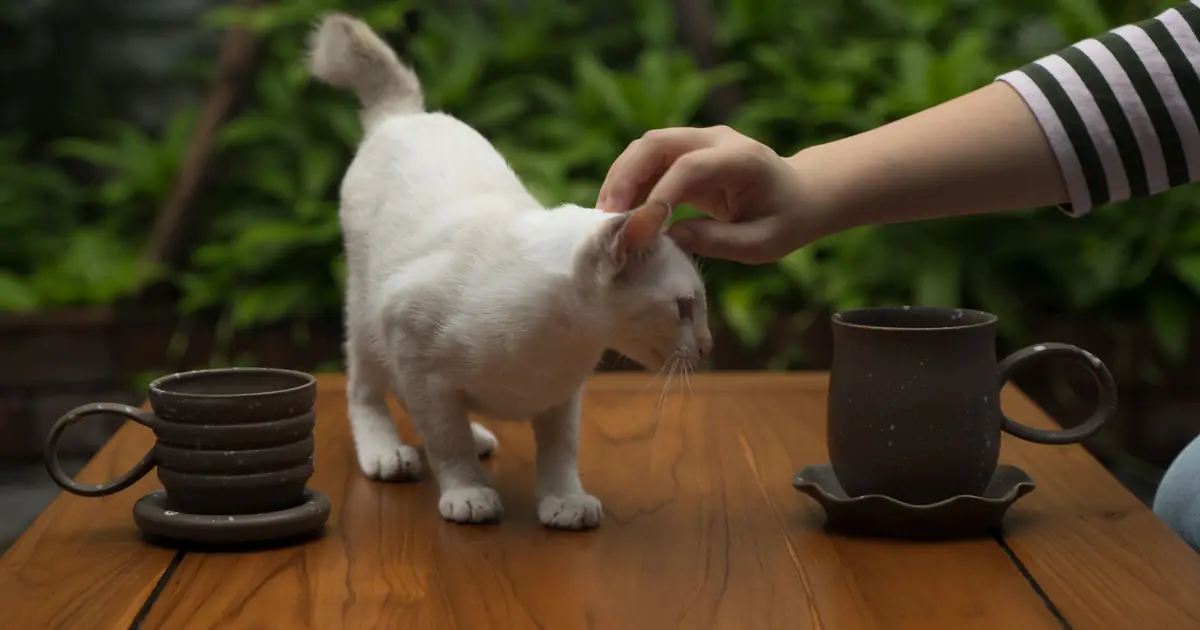
Cats are drawn to the smell of coffee because their sense of smell is far sharper than ours, and coffee is one of the most intense aromas in your kitchen. A cat has roughly 200 million scent receptors, compared to about 5 million in people. A fresh, dark roast basically shouts at them.
Now, not every cat loves it. Some find the smell fascinating and lean right in. Others sniff once, wrinkle their nose, and walk off like you offended them. Both reactions are normal. Strong scents like coffee, citrus, and mint can go either way with cats. The strong aroma grabs their attention, but attention isn’t the same as appetite. Your cat is gathering information, not planning to chug your espresso.
Do cats like the taste of coffee?
No, most cats do not like the taste of coffee. Coffee is bitter, and cats are wired to avoid bitter flavors. On top of that, cats can’t taste sweetness at all, so the sugary sweetness that makes coffee drinks appealing to us does nothing for them.
Here’s the science. Cats lack a working sweet-taste receptor. The gene for it is broken, so sugar and sweeteners simply don’t register on a cat’s tongue, a quirk confirmed by feline nutrition research. Meanwhile, cats do detect bitterness, and bitter usually signals “spit that out” in the animal world. So a bitter drink your cat can’t even taste as sweet? Not exactly a treat. If your cat laps at your coffee, it’s almost always the cream or milk they’re after, not the brew underneath.
Does my cat’s interest mean coffee is safe? (No)
Your cat’s curiosity does not make coffee safe, not even a little. Caffeine is toxic to cats, and their bodies process it far more slowly than ours do. What perks you up can seriously harm them.
Caffeine belongs to a group of stimulants called methylxanthines (the same family as the theobromine in chocolate). In cats, the toxic dose sits around 36 to 68 mg per pound of body weight, so for an average 8 to 10 pound cat, it doesn’t take a huge amount. And the most dangerous sources are the concentrated ones: coffee grounds, whole beans, tea bags, and caffeine pills pack far more punch than a diluted cup. The same warning applies to tea, another common caffeine source, and you can read the full breakdown of why coffee is toxic to cats in our dedicated guide.
| What your cat is really after | The reality |
|---|---|
| The strong aroma | Fascinating to a cat’s powerful nose, but smelling it is harmless |
| The warm mug | Cats love warmth; the cup is cozy, the coffee inside is not for them |
| The milk or cream | The real draw for most cats, though many adult cats are lactose intolerant |
| The coffee itself | Bitter and unsweet to a cat, rarely wanted, and toxic if swallowed |
How do I keep coffee and grounds away from my cat?
Keeping coffee away from your cat comes down to treating it like any other household toxin: out of sight, sealed up, and cleaned up fast. Cats are climbers and counter-surfers, so “up high” isn’t always enough on its own.
- Never leave a full mug unattended on a low table or counter, even for a minute.
- Store beans and grounds in sealed, cat-proof containers, not open bags on the counter.
- Empty used grounds and coffee pods straight into a lidded trash can. Cats dig in the bin.
- Wipe up spills right away so there’s nothing to lap up off the floor or counter.
- Keep caffeine pills, energy drinks, and pre-workout powders locked away entirely.
Want to give your curious cat something better to sip? Give them fresh, moving water instead. Many cats drink more from a cat water fountain, which redirects that “I want what’s in the cup” energy toward something that’s actually good for them.
What should I do if my cat drinks coffee?
If your cat drinks coffee or eats grounds or beans, call your veterinarian or a pet poison hotline immediately, even if your cat seems fine. Caffeine toxicity can take 30 minutes to a couple of hours to show up, and acting early gives your cat the best outcome.
Watch for these red-flag signs of caffeine poisoning:
- Restlessness, pacing, or sudden hyperactivity
- Rapid or pounding heartbeat and fast breathing
- Muscle tremors or twitching
- Vomiting and diarrhea
- Seizures or collapse in severe cases
Don’t try to treat this at home or wait it out. Have your cat’s weight and a rough idea of how much they ingested ready when you call. In the US, you can reach the ASPCA Animal Poison Control Center around the clock, and your regular vet can advise too. For general feline health guidance, the Cornell Feline Health Center is a trustworthy starting point.
A quick note: this article is educational and isn’t a substitute for veterinary care. Coffee and caffeine are toxic to cats, so any suspected ingestion is a call-your-vet situation, not a wait-and-see one.
Frequently asked questions about cats and coffee
Q: Do cats like the smell of coffee?
Some cats are fascinated by the smell of coffee and some are put off by it. Coffee has an intense aroma, and cats have around 200 million scent receptors, so a strong roast really grabs their attention. Smelling coffee is harmless; drinking it is not.
Q: Can cats taste coffee?
Cats can taste the bitterness in coffee, but not any sweetness, since cats lack a working sweet-taste receptor. Because they’re wired to avoid bitter flavors, most cats don’t enjoy the taste of coffee at all.
Q: Why does my cat try to drink my coffee?
Most cats going for your coffee are after the milk or cream on top, the warmth of the mug, or plain curiosity, not the coffee itself. The drink smells strong and you clearly value it, which makes it irresistible to a nosy cat.
Q: Is a tiny lick of coffee dangerous for a cat?
A single small lick of milky coffee is unlikely to cause serious harm to a healthy adult cat, but caffeine is still toxic and there’s no truly safe amount. Concentrated sources like grounds and beans are far more dangerous. When in doubt, call your vet.
Q: Why is my cat attracted to coffee grounds?
Coffee grounds have an even stronger, more concentrated smell than brewed coffee, which draws a curious cat in. Grounds are especially risky because they pack a lot of caffeine into a small amount, so keep them sealed and dispose of them in a lidded bin.
Q: How much caffeine is toxic to cats?
The toxic dose of caffeine in cats is roughly 36 to 68 mg per pound of body weight. For an 8 to 10 pound cat, it doesn’t take much, especially from concentrated sources like grounds, beans, or caffeine pills. Symptoms can appear within 30 minutes to two hours.
Q: Can cats have decaf coffee?
Decaf coffee still contains small amounts of caffeine, plus other compounds cats don’t need, so it’s best avoided. If your cat wants something to sip, offer fresh water instead of any coffee, decaf included.
Q: What are the signs my cat drank coffee?
Signs of caffeine poisoning in cats include restlessness, a racing heart, rapid breathing, tremors, vomiting, diarrhea, and in severe cases seizures or collapse. If you notice these, or you know your cat ingested coffee, contact your vet or a pet poison hotline right away.

Hello and welcome to The Ideal Cat!
We are some passionate cat owners from different professions. We love our cats and have a lot of experience in how to care for our pets. We are incredibly excited to share our knowledge, experience, and research with you. So you can take good care of your loving cat. We will answer most of the common questions about owning cats, taking care of them, etc. If you have any question contact with us. Thanks for visiting! Enjoy the content.
