
Cats can’t say “no,” but trust us, they have plenty of ways to make their objections crystal clear. Learning to read their refusals means fewer scratches and a happier cat.
Here’s how cats tell you “no” in their own language.
- Cats say “no” mainly through body language and behavior, not a single sound.
- Common refusals: walking away, turning the head, flattened ears, and tail flicking.
- Stronger “no” signals include hissing, growling, swatting, and biting.
- Ignoring or eating around something, or refusing to move, is also a clear “no.”
- Respecting a cat’s “no” builds trust; pushing past it damages your bond.
How do cats say no?
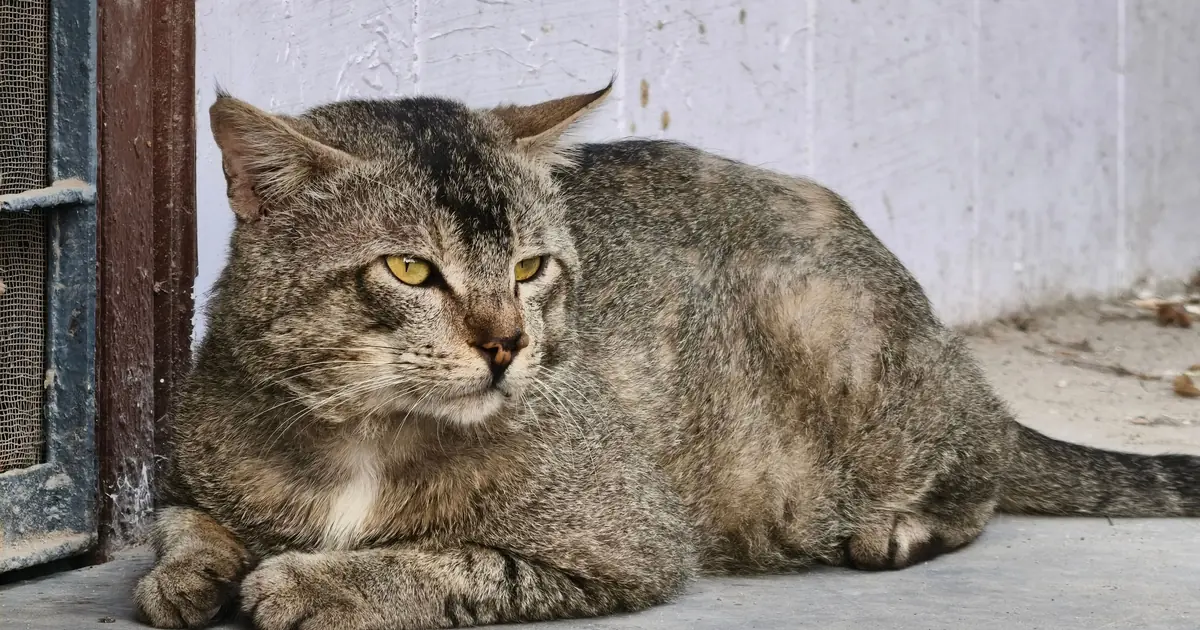
Cats say “no” through body language and behavior rather than a specific word or sound. When a cat wants to refuse or object, it uses cues like walking away, turning its head, flattening its ears, flicking or thumping its tail, and, if pushed, hissing, growling, swatting, or biting. Cats also “say no” by simply not cooperating, ignoring you, refusing food, or planting themselves in place. Learning to read these signals lets you respect your cat’s boundaries and avoid conflict.
What body language means “no”?
A cat’s “no” is written all over its body, and the signals escalate. Watch for these:
- Walking or turning away, the polite “no thanks.”
- Flattened or sideways ears, irritation or discomfort.
- Tail flicking or thumping, growing annoyance.
- Tense body, skin rippling, or freezing, “back off.”
- Hissing, growling, swatting, or biting, a firm, final “no.”
These are the same escalation cues behind overstimulation while petting, and reading ear position is especially useful, covered in why cats turn their ears back.
Do cats use sounds to say no?
Cats don’t have a single “no” word, but certain sounds clearly signal refusal or displeasure. A hiss or growl is an unmistakable “stop” or “stay away,” while a sharp meow, yowl, or a low grumble can express protest or annoyance. Some cats give a short, irritated chirp or a grumbly mutter when they don’t want something. But sound is only part of it, cats rely far more on body language, so a silent turn of the head or walk-away is just as much a “no” as a hiss. Cats mostly reserve vocalizing for us, part of how they communicate with people.
How cats say “no” to different things
The “no” looks a little different depending on the situation.
| Situation | How the cat says “no” |
|---|---|
| Petting it doesn’t want | Tail flick, ears back, skin ripple, then swat |
| Being picked up | Stiffening, squirming, pushing away, meowing |
| Food it dislikes | Sniff and walk away, or covering/burying it |
| Another cat or pet | Hissing, growling, flattened ears, swatting |
| Being moved or disturbed | Going limp, planting itself, or ignoring you |
Why respecting your cat’s “no” matters
Respecting your cat’s “no” is essential for trust and a strong bond. When you notice the early, polite signals, turning away, ears back, tail flicking, and stop or back off, your cat learns you’re safe and listens to it. Pushing past those cues (forcing petting, handling, or interaction) escalates to swatting or biting and erodes trust over time. So treat the subtle “no” as seriously as the loud one. This article is educational; if your cat suddenly says “no” to normal handling it used to accept, or seems irritable or in pain, consult your vet, since a behavior change can signal a health issue. For more on reading your cat, see where cats like to be petted and how cats talk. Trusted body-language guidance comes from the ASPCA and International Cat Care.
Frequently Asked Questions
Q: How do cats say no?
Through body language and behavior: walking away, turning the head, flattening the ears, flicking the tail, and, if pushed, hissing, growling, swatting, or biting. They also refuse by ignoring you or not moving. Cats don’t use a single “no” sound.
Q: What sound does a cat make to say no?
There’s no single “no” sound, but a hiss or growl clearly means “stop” or “stay away,” and a sharp meow, yowl, or grumble can signal protest. Body language, though, carries most of a cat’s “no.”
Q: How does a cat say no to being petted?
Early signs include a flicking tail, ears turning back, skin rippling, and tensing, then turning toward or swatting your hand. Stop when you see these cues. Respecting them prevents escalation to biting and keeps your cat trusting you.
Q: Do cats understand the word “no”?
Cats don’t grasp “no” as a concept, but they can learn to associate a firm, consistent tone with stopping a behavior, especially paired with redirection. They respond to your tone and body language more than the word itself.
Q: Why is it important to respect a cat’s “no”?
Respecting your cat’s refusal builds trust and a strong bond. Heeding early cues and backing off teaches your cat you’re safe. Ignoring them escalates to swatting or biting and erodes trust, making your cat more defensive over time.
Q: My cat suddenly says “no” to handling it used to like, why?
A sudden change can signal pain, illness, or stress, cats often object to touch when something hurts. If your cat newly resists handling it once accepted, or seems irritable or withdrawn, have your vet check for an underlying issue.

Hello and welcome to The Ideal Cat!
We are some passionate cat owners from different professions. We love our cats and have a lot of experience in how to care for our pets. We are incredibly excited to share our knowledge, experience, and research with you. So you can take good care of your loving cat. We will answer most of the common questions about owning cats, taking care of them, etc. If you have any question contact with us. Thanks for visiting! Enjoy the content.
