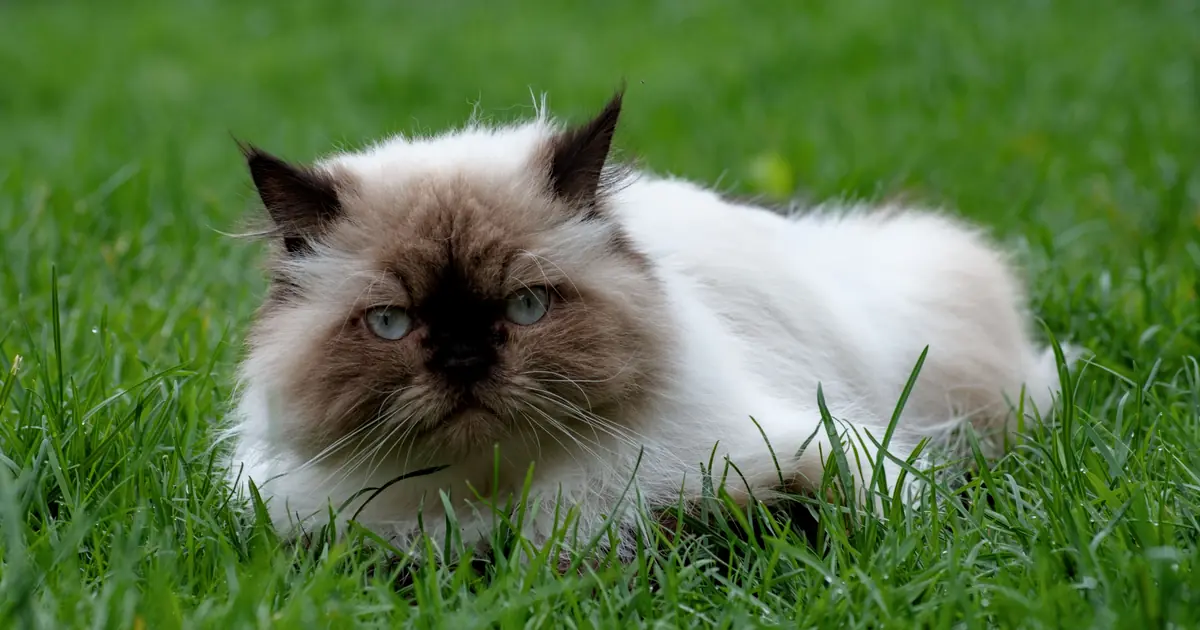
Those flat little faces and that impossibly plush coat come at a price, and it’s not just the sticker on the kitten. If you’ve been scrolling breeder listings wondering why one Himalayan kitten costs $600 and another costs $2,500, you’re not imagining things. The gap comes down to pedigree, color, and how much work went into producing that kitten.
Here’s the thing: the purchase price is the easy part. A Himalayan cat, sometimes called a “Himmy,” is a Persian-type breed with striking blue eyes and a color-point coat pattern similar to a Siamese. That gorgeous long fur and flat face mean ongoing costs a lot of first-time owners don’t see coming. Let’s walk through what you’ll actually pay, from the first invoice to the grooming brush you’ll be using every day.
- A pet-quality Himalayan kitten from a breeder typically costs $500 to $1,500, while show-quality kittens with championship bloodlines can run $2,000 to $3,000 or more.
- Adopting an adult Himalayan from a shelter or breed rescue usually costs $75 to $200, and often includes spay/neuter and vaccines.
- Himalayans are prone to polycystic kidney disease (PKD), so a responsible breeder will genetically test parent cats and provide proof.
- Daily grooming is close to mandatory for this breed; skipping it leads to painful mats and can mean $50 to $100+ per professional grooming session.
- Because Himalayans are brachycephalic (flat-faced), many owners budget extra for eye cleaning supplies and monitor breathing more closely than they would with a shorthair breed.
How Much Does a Himalayan Cat Cost?
A Himalayan cat costs anywhere from $75 for a shelter adoption to $3,000 for a show-quality breeder kitten with a rare color pattern. Most families looking for a pet-quality Himalayan end up paying somewhere between $500 and $1,500. Where you land in that range depends heavily on the breeder’s reputation, the kitten’s lineage, and where you live.
| Source / Quality | Typical Price | Notes |
|---|---|---|
| Shelter or rescue | $75 – $200 | Usually adult cats; spay/neuter, vaccines, and microchip often included |
| Backyard breeder / unregistered | $300 – $600 | Lower cost but higher risk of skipped health testing; proceed carefully |
| Pet-quality registered breeder | $500 – $1,500 | Healthy, well-socialized kitten without show-ring standards; most common price point |
| Show-quality registered breeder | $2,000 – $3,000+ | Championship bloodlines, rare colors, breeding rights sometimes included |
If you’re comparing breeds before you decide, it’s worth checking what a Siamese cat typically sells for or what calico cats cost, since coat pattern and rarity move the price in similar ways across breeds.
What Makes a Himalayan Cat’s Price Vary So Much?
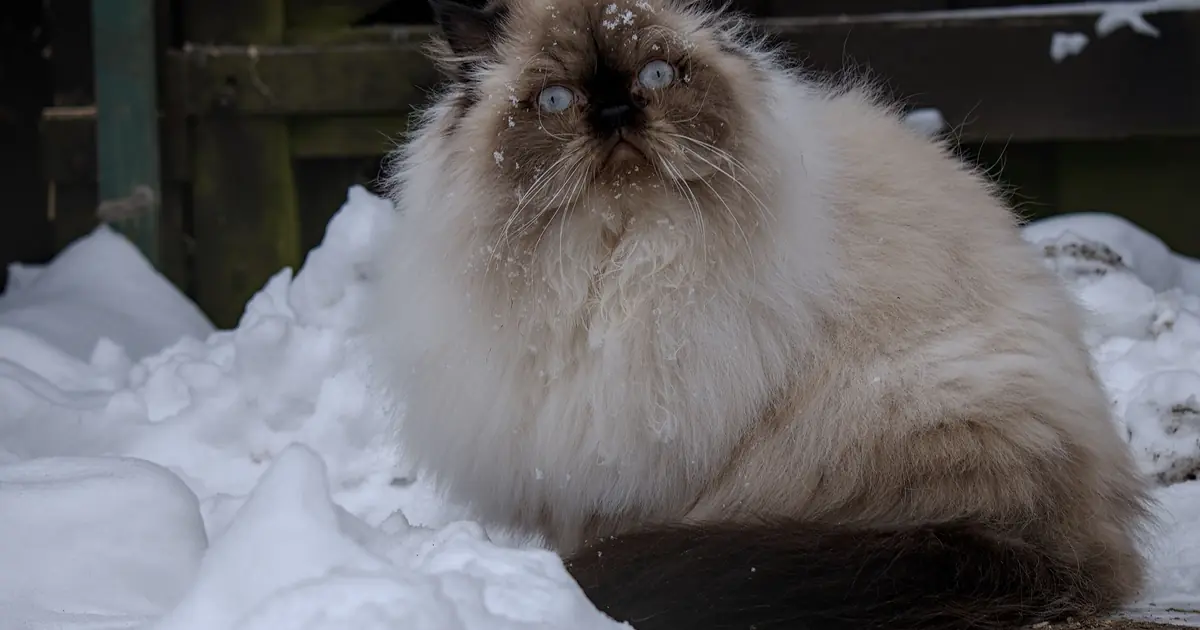
A Himalayan kitten’s price mainly comes down to pedigree, coat color, age, and the breeder’s reputation. Two kittens from the same litter can carry different price tags once a breeder evaluates their coat and conformation against the breed standard.
- Pedigree and registration: A kitten registered with a group like The Cat Fanciers’ Association (CFA) with documented lineage costs more than one without papers.
- Show quality vs. pet quality: Show-quality kittens meet strict standards for face shape, coat, and eye color, so they cost more than pet-quality littermates with a minor cosmetic flaw.
- Coat color and point pattern: Seal point and blue point are common and affordable. Rarer colors like flame (red) point or lynx (tabby) point often sell for a premium.
- Age: Young kittens cost the most. Retired breeding cats or older kittens are frequently discounted, sometimes with breeding rights withheld.
- Bloodline: Kittens from champion or grand champion parents carry a higher price because of the proven traits behind them.
- Breeder reputation and location: Breeders who health test and raise kittens in the home charge more than casual hobby breeders. Prices also run higher in major metro areas than rural ones.
Is It Cheaper to Adopt a Himalayan Than Buy One from a Breeder?
Yes, adopting a Himalayan is almost always cheaper than buying from a breeder. Adoption fees at shelters and rescues typically run $75 to $200, compared to $500 or more for a breeder kitten. That fee usually covers spaying or neutering, vaccinations, and sometimes a microchip, which would otherwise cost you extra on top of a breeder’s price.
Purebred Himalayans do show up in shelters and rescues more often than you’d think, since their grooming needs cause some owners to give them up. According to the ASPCA, adoption fees generally run far below the cost of a purebred kitten while offering the same lifetime of companionship. If you’re open to an adult cat instead of a kitten, adoption is the better deal almost every time. Breed-specific rescues exist too, and they’re worth searching before committing to a breeder waitlist.
What One-Time Startup Costs Come With a New Himalayan Cat?
Beyond the purchase or adoption fee, plan to spend $300 to $600 on one-time startup costs for a new Himalayan. These are the essentials that get your cat healthy, identified, and set up in your home from day one.
- Spay or neuter surgery: $50 to $300, depending on your vet and location (often included if you adopt).
- Initial vaccines and vet exam: $100 to $200 for the first wellness visit and core vaccinations.
- Microchip: $25 to $50 if not already done.
- Litter box, carrier, bed, and bowls: $80 to $150 for basic supplies.
- Grooming tools: $40 to $100 for a quality slicker brush, metal comb, and cat-safe shampoo, since you’ll need these from week one.
What Are the Ongoing Costs of Owning a Himalayan Cat?
Grooming is where Himalayan ownership gets expensive, and it never really stops. This breed’s long, dense coat needs brushing every single day to prevent mats, and many owners pay for professional grooming every 4 to 8 weeks when daily brushing falls behind.
- Daily brushing: Free if you do it yourself, but it’s a real time commitment, not a once-a-week chore.
- Professional grooming: $50 to $100+ per session for a bath, blow-dry, and de-matting when needed.
- Eye cleaning: Himalayans have flat faces and tend to have watery eyes that stain the fur. Daily wiping with a damp cloth costs nothing, but tear-stain wipes run $10 to $15 a bottle.
- Breathing and heat sensitivity: As a brachycephalic breed, Himalayans can struggle in heat and during exertion. Keep them indoors in air conditioning during hot months.
- Health screening for PKD: Polycystic kidney disease is common in Persian and Himalayan lines. Ask your vet about ultrasound screening, and budget for ongoing kidney monitoring as your cat ages. The UC Davis Veterinary Genetics Laboratory offers a DNA test that identifies the gene responsible for PKD.
- Food, litter, and routine vet care: Budget the same as you would for any indoor cat, roughly $50 to $80 a month combined.
How Much Does a Himalayan Cat Cost Per Month?
Expect to spend roughly $80 to $150 a month on a Himalayan cat once you factor in food, litter, routine vet visits, and grooming supplies. That’s higher than the average shorthair cat, mostly because of the grooming line item and the pet insurance many owners add given the breed’s PKD and breathing risks. For a full monthly breakdown that applies to any cat, our guide on how much a cat costs per month walks through food, litter, and vet care line by line, which you can then layer the Himalayan-specific grooming costs on top of.
How Do You Avoid Kitten Mills and Buy a Himalayan Responsibly?
Buy a Himalayan responsibly by choosing a breeder who health tests for PKD, lets you visit in person, and answers questions without pressuring you to decide fast. A legitimate breeder wants the kitten to go to the right home just as much as you want a healthy cat.
- Ask for proof of PKD testing (via ultrasound or the DNA test) on both parent cats before you pay a deposit.
- Meet the kitten in person, or at minimum via video call, and ask to see the kitten interacting with its mother.
- Walk away from anyone who ships kittens sight unseen, sells through classified ads with no history, or has multiple breeds and litters available at once.
- Check registration with the CFA or a similar registry, and ask for a written health guarantee.
- Compare a few breeders in your area rather than committing to the first listing you find, and trust your gut if something feels rushed.
The Cat Fanciers’ Association maintains breed standards and can point you toward breeders who show their cats and follow ethical practices. And if a Himalayan’s grooming demands or price gives you pause, it’s worth browsing how rare white cats and other striking coat types compare; our piece on how rare white cats really are is a good place to see how genetics affect both price and availability across breeds. You might also like our full Himalayan cat guide for everything on temperament, health, and daily care before you bring one home.
A quick, honest note: Himalayans are a high-maintenance, flat-faced breed prone to polycystic kidney disease and eye or breathing issues. Buy only from a breeder who screens for PKD, and budget seriously for grooming and vet care. Adopting is a wonderful option if you’re open to it. This article is educational and isn’t a substitute for advice from your own veterinarian.
Frequently Asked Questions About Himalayan Cat Cost
Q: Are Himalayan cats expensive to own?
Yes, Himalayans rank among the pricier cat breeds to own long-term. Beyond a $500 to $1,500 purchase price, daily grooming and professional grooming sessions of $50 to $100 make their monthly upkeep higher than most shorthair breeds.
Q: What is the rarest and most expensive Himalayan cat color?
Flame point and lynx (tabby) point Himalayans are among the rarest colors and often sell for a premium over the more common seal point and blue point varieties, sometimes adding several hundred dollars to the price.
Q: How much does it cost to adopt a Himalayan cat?
Adopting a Himalayan from a shelter or breed rescue typically costs $75 to $200, which often includes spay or neuter surgery, vaccinations, and a microchip already done.
Q: Why do some Himalayan kittens cost $2,000 or more?
Kittens priced at $2,000 to $3,000 are usually show-quality, meaning they meet strict breed standards for coat, face shape, and eye color, and they often come from champion bloodlines with full CFA registration.
Q: Do Himalayan cats need a lot of grooming?
Yes, Himalayans need daily brushing to prevent their long coat from matting. Many owners also schedule professional grooming every 4 to 8 weeks, which typically costs $50 to $100 per visit.
Q: What health problems make Himalayan cats more expensive to keep?
Polycystic kidney disease (PKD) is the biggest concern in Himalayans, since it’s common in Persian-derived lines and requires screening and monitoring. Their flat face also makes some prone to breathing difficulty and eye discharge, adding to routine care costs.
Q: Is a Himalayan cat cheaper than a Persian cat?
Himalayan and Persian cats are priced very similarly, typically $500 to $1,500 for pet-quality kittens, since Himalayans were developed by crossing Persians with Siamese and share most of the same care needs and breeder costs.
Q: How much should I budget monthly for a Himalayan cat?
Plan on roughly $80 to $150 a month for a Himalayan, covering food, litter, routine vet care, and grooming supplies. That’s somewhat higher than the average cat because of the extra grooming this breed requires.

Hello and welcome to The Ideal Cat!
We are some passionate cat owners from different professions. We love our cats and have a lot of experience in how to care for our pets. We are incredibly excited to share our knowledge, experience, and research with you. So you can take good care of your loving cat. We will answer most of the common questions about owning cats, taking care of them, etc. If you have any question contact with us. Thanks for visiting! Enjoy the content.
