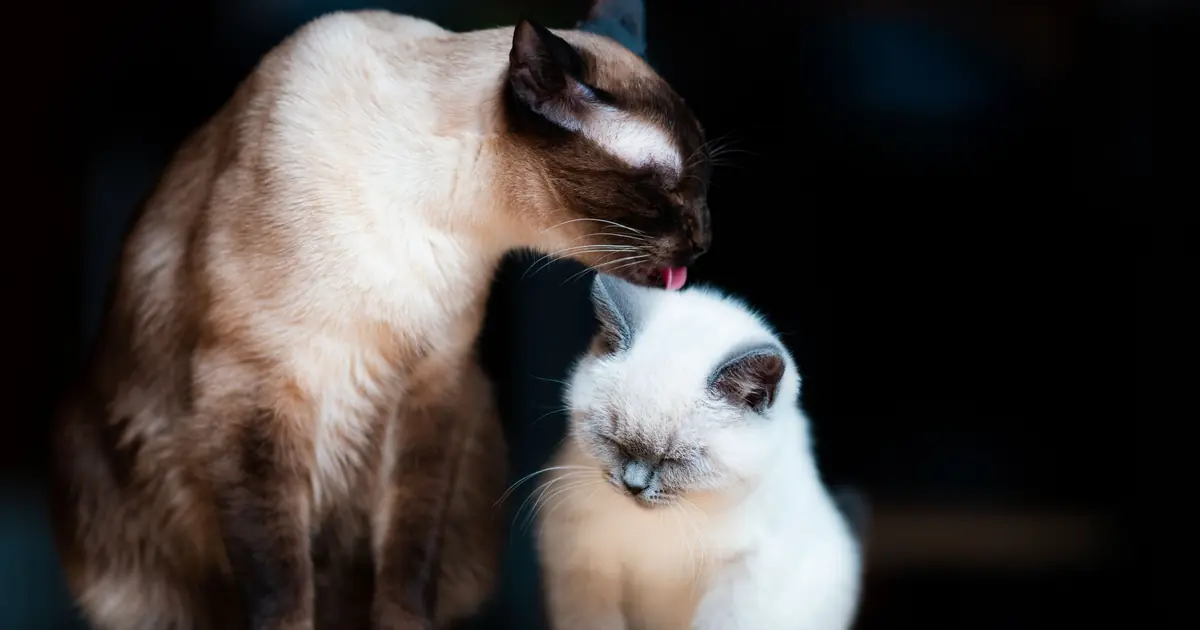
Ask five different breeders what a Siamese kitten costs and you’ll get five different numbers. That’s not a scam, it’s just how purebred pricing works. Pedigree, coat color, and where you live all pull the price in different directions.
If you’re picturing a sleek, blue-eyed cat chatting your ear off from across the room, you’re already picturing a Siamese. This breed is one of the oldest and most recognized in the cat world, and that recognition comes with a real price tag. Let’s break down exactly what you’d pay, whether you buy from a breeder or adopt, and where the hidden costs actually live.
How much is a Siamese cat actually worth?
A Siamese cat is worth anywhere from $50 at a shelter to $2,500 for a show-quality kitten from a top breeder. Most families land somewhere in the middle: a healthy, well-socialized pet-quality kitten from a reputable breeder runs $250 to $1,000. That range covers vet checks, first vaccinations, and papers proving the kitten really is a purebred Siamese.
Here’s how the price typically breaks down by source and quality level:
| Source / Quality | Typical Price | Notes |
|---|---|---|
| Animal shelter or rescue | $50 to $200 | Usually includes spay/neuter, first shots, and a microchip. Pedigree papers are rare. |
| Pet-quality breeder kitten | $250 to $800 | Registered but not intended for showing; small cosmetic traits keep the price lower. |
| Standard breeder kitten (seal or blue point) | $600 to $1,200 | Classic coloring, solid bloodline, health-tested parents. |
| Rare point color (flame, lynx, or lilac point) | $800 to $1,500 | Less common coat patterns command a premium among enthusiasts. |
| Show-quality kitten | $1,500 to $2,500+ | Champion bloodlines, breed-standard conformation, full registration papers. |
Prices also shift by region. Breeders in major metro areas or on the coasts tend to charge more than breeders in smaller towns, simply because demand and cost of living are higher there.
What makes a Siamese cat’s price vary so much?
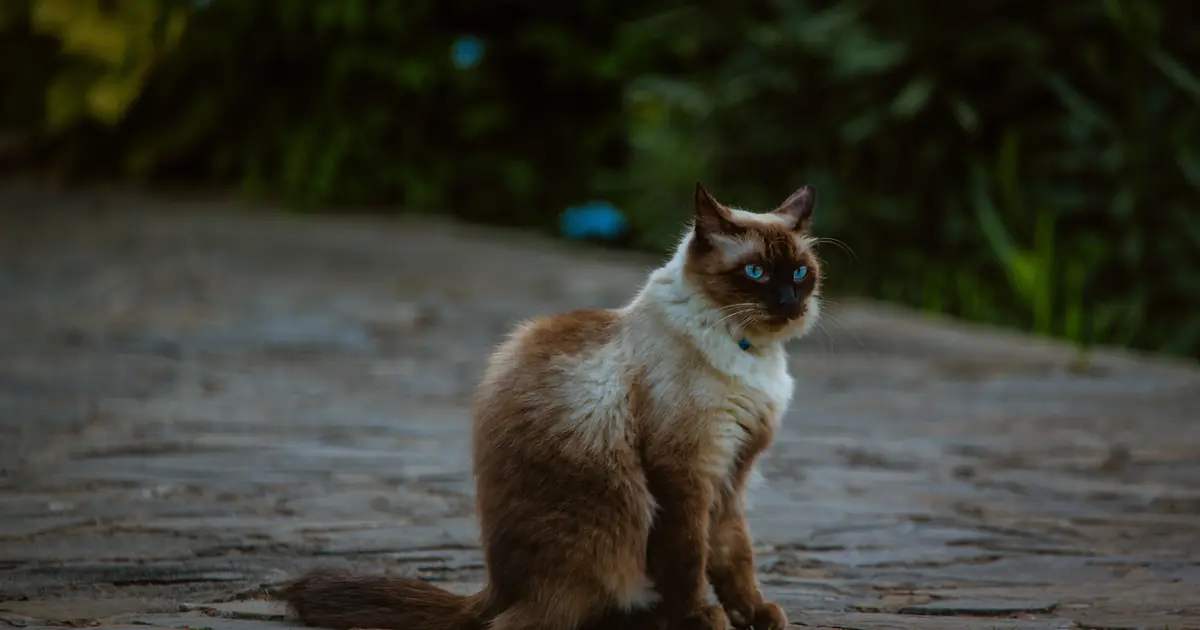
A Siamese cat’s price swings based on six main factors: pedigree and registration, breeder reputation, show quality versus pet quality, coat point color, age, and bloodline. Each one nudges the final number up or down, sometimes by hundreds of dollars.
- Pedigree and registration papers. A kitten registered with The Cat Fanciers’ Association or The International Cat Association costs more than an unregistered “Siamese-looking” cat, because the paperwork verifies the bloodline.
- Breeder reputation. Breeders who health-test their cats, limit litters, and raise kittens in the home rather than a cage charge more, and honestly, they’re worth it.
- Show quality vs. pet quality. Show-quality kittens meet the breed standard closely (ear shape, body type, eye color). Pet-quality kittens are just as healthy and lovable but might have a minor trait that would cost them points in the ring.
- Coat point color. Seal point and blue point are the classic, most common colors and sit at the lower end of pricing. Rarer colors like flame point and lynx point often cost more simply because fewer breeders produce them.
- Age. Kittens cost more than adult cats. Retired breeding cats or older Siamese looking for a home are frequently priced far lower, sometimes just a rehoming fee.
- Bloodline. A kitten descended from champion show cats costs noticeably more than one from an otherwise healthy but unremarkable lineage.
Curious what those color variations actually look like? Our full rundown of types of Siamese cats covers every recognized point color side by side, including flame and lynx points.
Is it cheaper to adopt a Siamese cat than to buy one?
Yes, adopting a Siamese is almost always cheaper than buying one from a breeder. Shelter and rescue adoption fees typically run $50 to $200, compared to $250 to $2,500 for a breeder kitten. That adoption fee usually already covers spay or neuter surgery, vaccines, and a microchip, which would otherwise cost you $300 or more out of pocket anyway.
Here’s the thing: purebred Siamese and Siamese mixes end up in shelters more often than people expect. Breed-specific rescues exist too, and they’re a great option if you want an adult cat with a known personality rather than a kitten that’s still a bit of a mystery box. The ASPCA notes that shelters put adoption fees toward veterinary care, spaying or neutering, vaccinations, and food, so that fee is doing a lot of work.
The one thing you give up with adoption is guaranteed pedigree. If you want a cat eligible for showing or breeding, a registered breeder is really your only path.
What one-time startup costs come with a new Siamese cat?
Beyond the purchase price, plan to spend $300 to $600 on one-time startup costs for a new Siamese cat. This covers spay or neuter surgery (if not already done), core vaccinations, a microchip, and basic supplies.
| Startup Item | Typical Cost |
|---|---|
| Spay or neuter surgery | $50 to $300 |
| Core vaccinations and vet exam | $100 to $200 |
| Microchip | $25 to $50 |
| Litter box, carrier, bed, bowls | $75 to $150 |
| Scratching post and toys | $40 to $100 |
Breeder kittens often come already spayed or neutered and fully vaccinated, which is baked into that higher upfront price. Shelter adoptions almost always include this too. It’s the private “Siamese kitten, $150, no papers” listings where you’ll likely pay for all of this yourself later.
What does a Siamese cat cost every month after that?
A Siamese cat typically costs $50 to $100 a month to feed and care for, covering food, litter, and routine health maintenance. That number climbs if your cat needs prescription food or ongoing treatment for a health condition.
Siamese cats are lean, active, and vocal, which doesn’t change their food costs much compared to other breeds, but their chattiness and people-focused nature mean they do best with enrichment toys and playtime built into the budget. For a full monthly breakdown by category (food, litter, vet visits, insurance), check out our guide on how much a cat costs per month.
How do you avoid scams and kitten mills when buying a Siamese?
Avoid Siamese kitten scams by insisting on meeting the kitten in person with its mother, asking for health records and registration papers, and walking away from any price that seems too low for what’s promised. Kitten mills and online scammers both rely on buyers skipping these steps.
- Red flag: no in-person visit. A legitimate breeder lets you visit and see the kitten with its mother. If a “breeder” only offers shipping and photos, walk away.
- Red flag: no health records. Reputable breeders test parent cats for hereditary conditions and give you vet records for the kitten.
- Red flag: always available. Responsible breeders often have waitlists. A seller with unlimited kittens ready to ship today is usually running a volume operation, not a careful one.
- Red flag: pressure and wire transfers. Scammers push urgency and ask for payment apps or wire transfers before you’ve seen the kitten. Never pay a deposit sight unseen.
- Green flag: registration paperwork. Ask whether the kitten is registerable with CFA or TICA, and verify the breeder is a member in good standing.
The Cat Fanciers’ Association’s Siamese breed standard is a useful reference if you want to confirm a kitten’s traits actually match the breed before you commit to a price.
Are Siamese cats expensive to own overall?
Siamese cats aren’t especially expensive to own day to day, but their personality does come with a few practical costs. They’re social, vocal, and bond closely with their people, so they tend to do poorly left alone for long stretches, which can mean extra spending on cat sitters or a second cat for company.
Health-wise, Siamese cats are prone to a handful of breed-specific issues, including dental disease, respiratory sensitivities, and certain hereditary conditions like progressive retinal atrophy (PRA), an inherited loss of vision. Research on feline retinal disease notes that the known PRA gene variants (in CEP290 and CRX) turn up mainly in Abyssinian and Siamese cats. None of these are guaranteed, and plenty of Siamese live long, healthy lives into their late teens. Still, it’s worth budgeting for routine dental cleanings and asking your vet about breed-specific screening. Ask any breeder whether the parents were DNA tested. A 2022 study of over 11,000 cats found evidence that DNA testing has already helped reduce disease-linked gene variants in some pedigreed cat populations.
Their short coat is genuinely low-maintenance if you’re worried about grooming costs. Take a look at our piece on whether Siamese cats shed if that’s a factor in your decision.
If you can, start your search at a shelter or breed-specific rescue. Siamese and Siamese mixes show up there more often than people assume, and adoption fees are a fraction of breeder prices. If you do go the breeder route, stick with a responsible, registered breeder who welcomes questions and a home visit, never a kitten mill or an unverified online seller. This article is educational, and if you’re evaluating a specific kitten’s health, a licensed veterinarian should always have the final say.
More Siamese cat price questions
Q: Why are Siamese cats so expensive?
Siamese cats can be expensive because of the costs behind responsible breeding: health testing parent cats, vet care for the litter, and raising kittens in a home environment. Registered pedigree and rare point colors also push the price higher.
Q: Can you get a free Siamese cat?
Occasionally, yes. Owners rehoming an adult Siamese, or shelters running fee-waived adoption events, sometimes offer Siamese cats at little to no cost. These are usually adult cats rather than kittens.
Q: Are flame point or lynx point Siamese cats more expensive?
Yes, flame point and lynx point Siamese cats typically cost $100 to $300 more than the classic seal point or blue point, simply because fewer breeders specialize in those patterns.
Want the full picture on this breed before you commit to a price? Our Siamese cat breed guide covers temperament, lifespan, and what daily life with one actually looks like.

Hello and welcome to The Ideal Cat!
We are some passionate cat owners from different professions. We love our cats and have a lot of experience in how to care for our pets. We are incredibly excited to share our knowledge, experience, and research with you. So you can take good care of your loving cat. We will answer most of the common questions about owning cats, taking care of them, etc. If you have any question contact with us. Thanks for visiting! Enjoy the content.
