Persians and Himalayans look so alike that many people can’t tell them apart, and for good reason. One is basically a colorful twist on the other. Here’s how to tell them apart and which might suit you.
- Himalayans are a color-point variety of Persian, in some registries a separate breed, in others a Persian division.
- Both share the flat face, long coat, stocky build, and calm, affectionate personality.
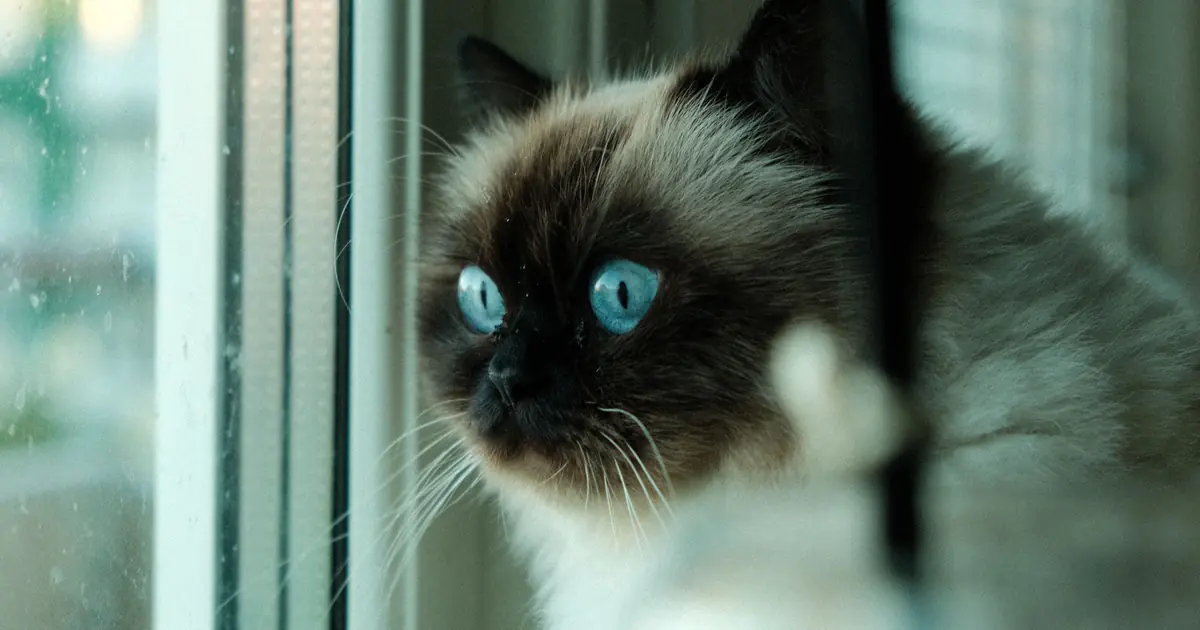
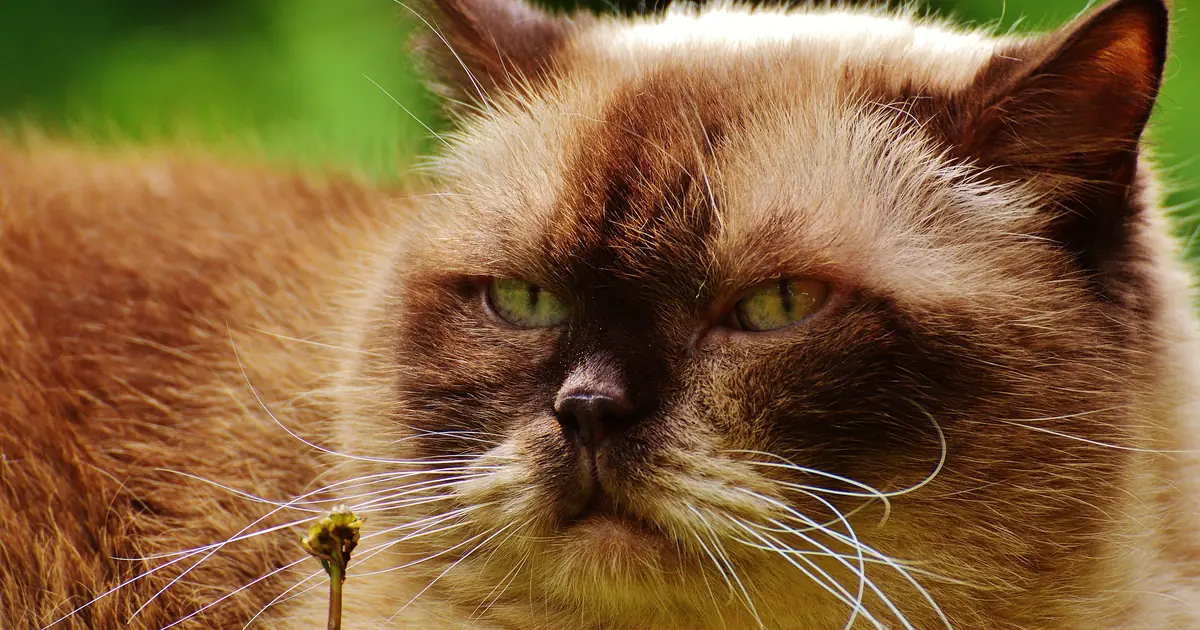
- Himalayans have Siamese-style points and blue eyes; Persians come in many colors and eye colors.
- Care is nearly identical, both need daily grooming and have flat-faced health considerations.
- Choose based on the look you love; temperament and care needs are essentially the same.
What’s the difference between Persian and Himalayan cats?
The main difference between Persian and Himalayan cats is coat pattern: Himalayans have the Siamese-style pointed coloring (a pale body with darker face, ears, legs, and tail) and blue eyes, while Persians come in a wide range of solid and other colors with varied eye colors. Otherwise they’re remarkably alike, the Himalayan was created by crossing Persians with Siamese to add the point pattern, so it shares the Persian’s flat face, long flowing coat, cobby build, and gentle temperament. In many registries the Himalayan is simply a color division of the Persian breed.
Are Himalayans just pointed Persians?
Essentially, yes. The Himalayan was developed by breeding Persians with Siamese to combine the Persian body and coat with the Siamese color-point pattern and blue eyes. The result looks like a Persian wearing Siamese coloring. Registries treat this differently: some (like CFA) consider the Himalayan a color variety within the Persian breed, while others recognize it as its own breed. Either way, a Himalayan is Persian in body, coat, and personality, with the distinctive points being the defining twist, and it shares the Persian’s care needs, covered in our Persian cat guide and Himalayan cat guide.
How do their looks and personalities compare?
In personality they’re nearly identical, both are calm, sweet, affectionate, and low-energy lap cats. The visible differences are all about color. Here’s a side-by-side.
| Feature | Persian | Himalayan |
|---|---|---|
| Coat pattern | Many colors (solid, tabby, etc.) | Color-point (like Siamese) |
| Eye color | Varies (copper, green, blue, odd) | Blue |
| Face and body | Flat face, stocky, long coat | Same flat face, stocky, long coat |
| Temperament | Calm, gentle, affectionate | Calm, gentle, affectionate |
| Energy level | Low, laid-back | Low, laid-back |
Both are famously mellow, which some people mistake for low intelligence, cleared up in are Persian cats dumb.
Do they need the same care?
Yes, Persians and Himalayans have essentially the same care needs. Both have long, dense coats that require daily brushing to prevent mats and reduce hairballs, and both are flat-faced (brachycephalic) breeds, so they can be prone to tear staining, breathing considerations, and dental crowding that need regular attention. Both shed and need eye cleaning and grooming upkeep. Neither is hypoallergenic. So whichever you choose, expect a commitment to grooming and flat-faced health care. For shedding specifics, see do Persian cats shed.
Which should you choose?
Choose based on the look you prefer, since temperament and care are basically the same. If you love the elegant Siamese-style points and blue eyes, the Himalayan is your cat; if you want a specific solid color or other pattern, a Persian offers more variety. Both give you a gentle, affectionate, calm companion that enjoys a quiet home and lots of grooming attention. This article is educational and not a substitute for veterinary advice; whichever you pick, choose a responsible breeder who health-tests, since flat-faced breeds share certain risks. For cost context, see why Persians are expensive and Himalayan cat cost. Breed standards are detailed by The Cat Fanciers’ Association and International Cat Care.
Frequently Asked Questions
Q: What’s the difference between a Persian and a Himalayan cat?
Mainly coat pattern. Himalayans have Siamese-style points and blue eyes; Persians come in many colors with varied eye colors. Otherwise they share the same flat face, long coat, build, and calm, affectionate temperament.
Q: Is a Himalayan cat a type of Persian?
Essentially yes. The Himalayan was created by crossing Persians with Siamese to add point coloring. Some registries call it a color variety of the Persian; others recognize it as its own breed. Either way, it’s Persian in body and personality.
Q: Do Persians and Himalayans have the same personality?
Yes, nearly identical. Both are calm, gentle, affectionate, low-energy lap cats that enjoy a quiet home. The differences between them are about coat color and eye color, not temperament.
Q: Do Himalayans need as much grooming as Persians?
Yes. Both have long, dense coats needing daily brushing to prevent mats and hairballs, plus eye cleaning and general grooming. Their care requirements are the same, so expect a real grooming commitment with either breed.
Q: Are Persians or Himalayans healthier?
They share the same flat-faced (brachycephalic) health considerations, tear staining, breathing, and dental issues, so neither is inherently healthier. Choosing a responsible breeder who health-tests matters more than the color variety you pick.
Q: Which is better, a Persian or a Himalayan?
Neither is “better”, it comes down to looks. Pick a Himalayan for Siamese-style points and blue eyes, or a Persian for other colors and patterns. Both offer the same gentle, affectionate companionship and grooming needs.

Hello and welcome to The Ideal Cat!
We are some passionate cat owners from different professions. We love our cats and have a lot of experience in how to care for our pets. We are incredibly excited to share our knowledge, experience, and research with you. So you can take good care of your loving cat. We will answer most of the common questions about owning cats, taking care of them, etc. If you have any question contact with us. Thanks for visiting! Enjoy the content.
