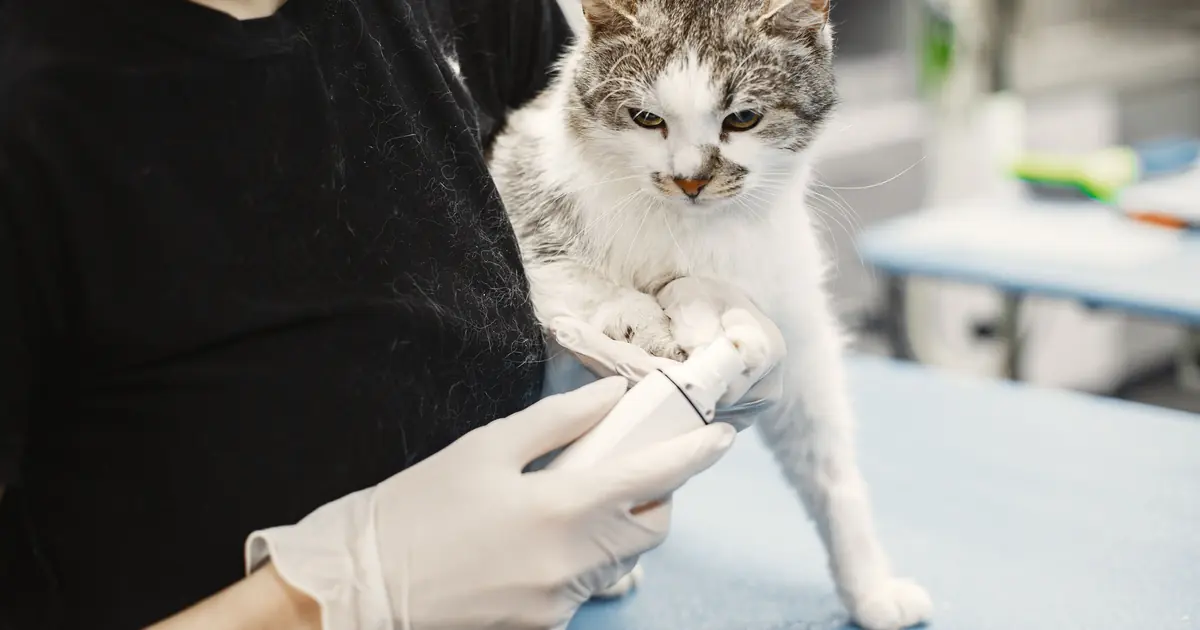
Hearing that your cat has an enlarged spleen is scary, especially since the causes range from treatable infections to serious disease. Understanding what it can mean helps you work with your vet.
Here’s a clear, calm look at what causes an enlarged spleen in cats and what to expect. This is educational information, not a diagnosis.
- An enlarged spleen (splenomegaly) is a sign of an underlying problem, not a disease itself.
- Causes include infections, inflammation, immune disorders, blood conditions, and tumors.
- Cancers like lymphoma and mast cell tumors are important causes to rule out in cats.
- Symptoms are often vague: lethargy, poor appetite, weight loss, or a swollen belly.
- Diagnosis needs a vet, with blood work, imaging, and sometimes a sample of the spleen.
What causes an enlarged spleen in cats?
An enlarged spleen in cats, medically called splenomegaly, has many possible causes because the spleen is involved in filtering blood and supporting the immune system. Common causes include infections, inflammation, immune-mediated diseases, blood disorders, and tumors (both benign and cancerous). The spleen can enlarge uniformly or develop masses. Importantly, an enlarged spleen is a symptom pointing to another condition, not a diagnosis on its own, so identifying the root cause is the job of a veterinarian.
What are the main categories of causes?
Vets group the causes of an enlarged spleen into several categories. The main ones:
- Infections: certain viral, bacterial, or blood-borne infections.
- Inflammation and immune conditions: immune-mediated diseases and inflammatory disorders.
- Blood disorders: conditions affecting red blood cells or clotting.
- Tumors: including lymphoma, mast cell disease, and other cancers.
- Congestion: issues affecting blood flow through the spleen.
Because these range from very treatable to serious, only a vet can determine which applies to your cat.
Is an enlarged spleen in cats serious?
It can be, so it should always be evaluated by a vet, though not every cause is dire. Some causes, like certain infections or inflammation, are treatable, while others, particularly cancers such as lymphoma or mast cell tumors, are serious and need prompt attention. The concern is that cats hide illness well and splenic symptoms are often subtle, so the underlying problem may be advanced by the time it’s noticed. Prompt diagnosis gives your cat the best chance, whatever the cause.
What are the symptoms of an enlarged spleen?
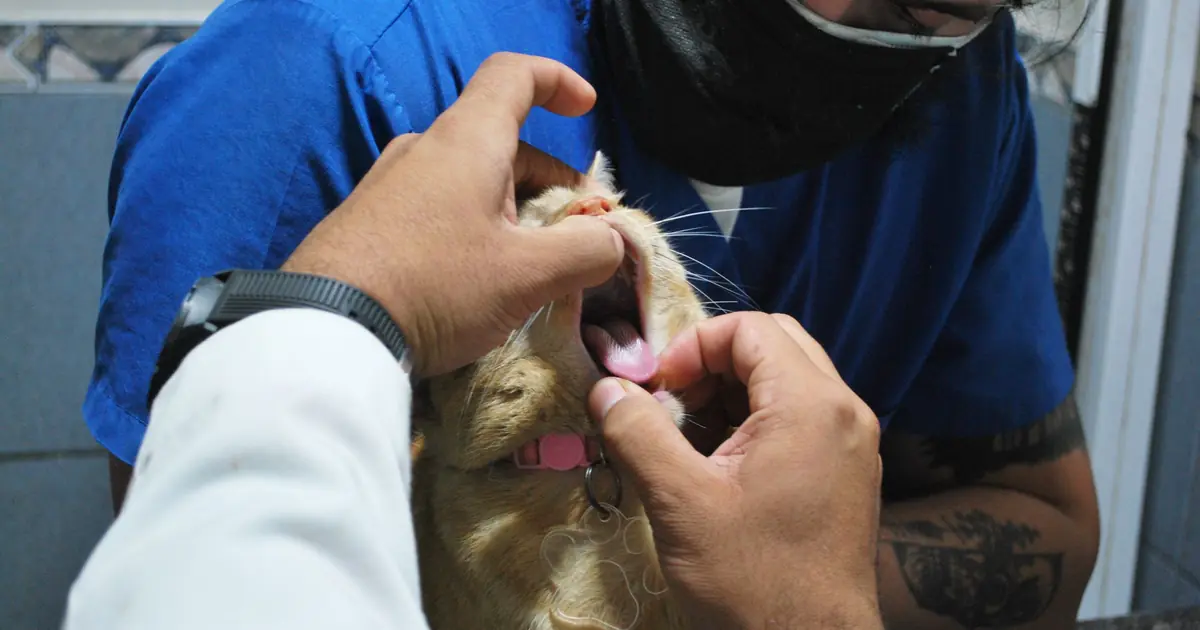
Symptoms are often vague and easy to miss, which is why vet exams matter. Possible signs include lethargy, reduced appetite, weight loss, vomiting, a distended or swollen belly, pale gums, weakness, or, if a splenic mass ruptures, sudden collapse. These overlap with many other illnesses, so they’re clues rather than proof. Any cat showing lethargy, appetite loss, or a swollen abdomen should see a vet, and these are the same red flags covered in why a cat hides and won’t eat and when to worry about cat vomiting.
How do vets diagnose and treat it?
Vets diagnose an enlarged spleen through a physical exam plus tests to find the cause. Here’s the typical path.
| Step | What it involves |
|---|---|
| Physical exam | Feeling the abdomen for an enlarged spleen or mass |
| Blood work | Checking blood cells, organ function, and infection markers |
| Imaging | Ultrasound or X-rays to assess the spleen and other organs |
| Sampling | Fine-needle aspirate or biopsy to identify the cause |
| Treatment | Targets the underlying cause (medication, surgery, or cancer care) |
Treatment depends entirely on the cause, from antibiotics or anti-inflammatories to spleen removal (splenectomy) or cancer treatment. This article is educational and not a substitute for veterinary care.
When should you see a vet?
See a vet promptly if your cat shows lethargy, appetite loss, weight loss, vomiting, or a swollen belly, and seek emergency care for sudden collapse, pale gums, or severe weakness, which can signal a bleeding splenic mass. Because an enlarged spleen reflects an underlying condition that can be serious, early evaluation is important, don’t wait to see if vague symptoms pass. This article is educational and not a substitute for professional veterinary diagnosis; your vet is the only one who can identify and treat the cause. Signs of serious illness are also outlined by the Cornell Feline Health Center and the VCA. For end-of-life illness signs, some readers also look at the signs of a dying cat.
Frequently Asked Questions
Q: What causes a cat’s spleen to enlarge?
Causes include infections, inflammation, immune-mediated diseases, blood disorders, and tumors like lymphoma or mast cell disease. An enlarged spleen is a symptom of an underlying problem, so a vet must run tests to find the specific cause.
Q: Is an enlarged spleen in cats always cancer?
No. While cancers like lymphoma and mast cell tumors are important causes to rule out, many other conditions, infections, inflammation, immune, and blood disorders, can enlarge the spleen too. Only a vet’s testing can tell which cause is present.
Q: What are the symptoms of an enlarged spleen in cats?
Often vague: lethargy, poor appetite, weight loss, vomiting, a swollen belly, pale gums, or weakness. A ruptured splenic mass can cause sudden collapse. These signs overlap with many illnesses, so a vet exam is needed to investigate.
Q: How is an enlarged spleen diagnosed in cats?
Through a physical exam, blood work, imaging (ultrasound or X-rays), and often a fine-needle aspirate or biopsy of the spleen. These tests identify the underlying cause so the vet can recommend the right treatment.
Q: Can an enlarged spleen in cats be treated?
Yes, treatment depends on the cause. Options range from antibiotics or anti-inflammatory medication to surgical spleen removal or cancer therapy. Some causes are very treatable; others are serious. Prompt diagnosis gives the best chance of effective treatment.
Q: Is an enlarged spleen an emergency?
It can be. Seek emergency care if your cat suddenly collapses, has pale gums, or is severely weak, which may mean a bleeding splenic mass. Even without emergencies, an enlarged spleen needs prompt veterinary evaluation to find the cause.

Hello and welcome to The Ideal Cat!
We are some passionate cat owners from different professions. We love our cats and have a lot of experience in how to care for our pets. We are incredibly excited to share our knowledge, experience, and research with you. So you can take good care of your loving cat. We will answer most of the common questions about owning cats, taking care of them, etc. If you have any question contact with us. Thanks for visiting! Enjoy the content.
