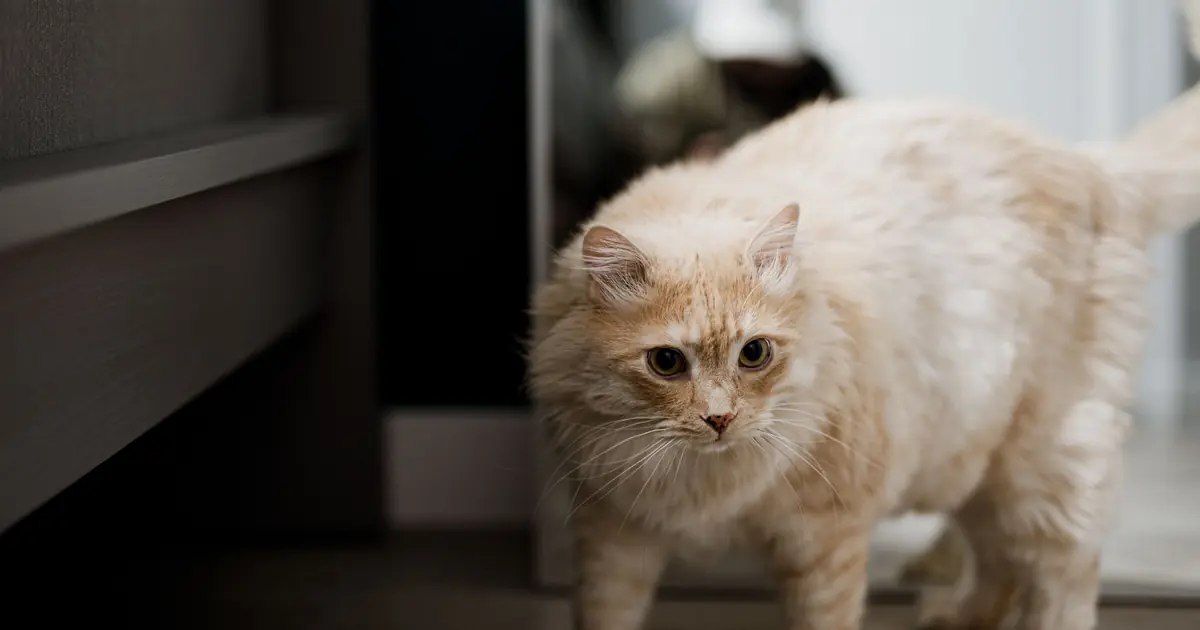
You glance over and your cat is trembling on the couch. Maybe it’s a little quiver in the back legs, maybe a full-body shake. Your stomach drops a little. I get it, watching your cat shake can be scary, especially when you have no idea why it’s happening.
Here’s the good news. A lot of cat shaking is harmless. But some of it is a real emergency, and the tricky part is telling the two apart. So let’s walk through why your cat is shaking, which signs mean “wait and watch,” and which mean “call the vet right now.”
- A cat’s normal body temperature is 100.5 to 102.5°F; anything above 102.5°F counts as a fever, and chills from fever can cause shaking.
- Low blood sugar (hypoglycemia) is one of the most common causes of sudden shaking, and it is most dangerous in diabetic cats and tiny kittens.
- Twitching during sleep is normal cat dreaming and is not a seizure if your cat wakes up calm and acts fine.
- Suspected poisoning, seizures, collapse, or shaking that comes with vomiting or trouble breathing are emergencies that need a vet immediately.
- If your cat is shaking and you cannot find an obvious reason like cold or fear, contact your veterinarian for guidance.
One quick note before we dig in: this article is here to help you understand cat shaking, not to replace your vet. Cats hide illness well, so when in doubt, a licensed veterinarian is always your safest call.
Why is my cat shaking? The 9 most common causes
Cats shake, tremble, or shiver for nine common reasons, ranging from totally harmless to genuinely serious. Shaking (also called tremors) is an involuntary, rhythmic movement of the body or a part of it. Some causes are no big deal, like a cat shivering because the room is cold. Others, like poisoning or low blood sugar, need fast veterinary care.
Here are the nine causes, sorted by how worried you should be.
| Cause of shaking | What it looks like | How worried to be |
|---|---|---|
| Cold | Shivering after a bath, in a cold room, or in winter | Low: warm your cat up |
| Fear, stress, or excitement | Trembling at the vet, during fireworks, or before a hunt | Low: usually passes |
| Dreaming (REM sleep) | Twitching paws, whiskers, or tail while asleep | Low: normal sleep behavior |
| Pain or injury | Trembling plus hiding, limping, or guarding a body part | Medium: see a vet soon |
| Fever | Shaking with warm ears, low energy, no appetite | Medium to high: vet visit |
| Low blood sugar (hypoglycemia) | Wobbliness, weakness, trembling, confusion | High: urgent, often emergency |
| Poisoning or toxins | Tremors, drooling, vomiting, twitching, seizures | Emergency: vet now |
| Low calcium | Muscle tremors, stiffness, often in nursing mother cats | High: urgent vet care |
| Neurological problems or seizures | Full-body shaking, collapse, loss of awareness | Emergency: vet now |
Now let’s break down the ones that worry cat parents the most.
Is my cat shaking because it’s cold or scared?
Yes, cold and fear are two of the most common and most harmless reasons a cat shakes. Just like us, a cat shivers to warm up when it’s cold, and a cat trembles when it feels frightened, stressed, or even super excited. Both kinds of shaking usually stop once the trigger goes away.
You’ll often see cold-related shivering after a bath, in a chilly room, or in older and very thin cats who lose heat faster. Fear-based trembling shows up at the vet’s office, during car rides, around fireworks or thunder, or when a new pet moves in.
Excitement can do it too. Some cats quiver right before they pounce on a toy or when you open a can of their favorite food. If your cat is shaking but eating, playing, and acting normal otherwise, cold or emotion is the likely answer. Warm your cat up or remove the stressor, and the shaking should ease.
Why does my cat shake or twitch in its sleep?
Cats shake and twitch in their sleep because they are dreaming, and this is completely normal. During REM sleep, the deep dreaming stage, a cat’s brain stays active and sends little signals to the muscles. That’s why you see paws paddling, whiskers flicking, and tails twitching while your cat is fast asleep.
Kittens twitch even more than adults. Their nervous systems are still developing, so they spend more time in REM sleep, and the movement helps build coordination. None of this is a cause for concern.
The key difference between dreaming and a seizure is how your cat wakes up. A dreaming cat wakes calmly and goes about its day. A seizure involves stiff, violent, full-body shaking, your cat cannot be woken, and afterward it may seem confused, drool, or lose bladder control. If sleep twitching ever looks like that, treat it as a possible seizure and call your vet.
Can pain make a cat shake?
Yes, pain is a common and easy-to-miss reason cats shake. A cat in pain may tremble, hunch up, hide more than usual, or guard a sore body part. Cats are wired to hide pain, so trembling is sometimes one of the few clues you get.
Pain that causes shaking can come from an injury, arthritis (very common in senior cats), dental disease, a urinary blockage, or an internal illness. If your older cat is shaking, especially in the back legs, arthritis or general age-related pain is a frequent culprit.
Look for pain partners: limping, reluctance to jump, flinching when touched, changes in litter box habits, or less grooming. If you spot shaking plus any of these, your cat needs a vet check. Pain rarely fixes itself, and there’s no safe over-the-counter painkiller for cats, so never give human medicine.
Is my cat shaking because of a fever?
Yes, a fever can make a cat shake, because the chills that come with a high temperature trigger shivering. A cat’s normal body temperature runs from 100.5 to 102.5°F. Once it climbs above 102.5°F, your cat has a fever, and a temperature above 106°F can start to damage organs.
Fever in cats usually points to an infection, a virus, or inflammation somewhere in the body. Alongside shaking, a feverish cat often feels warm to the touch, acts sluggish, stops eating, and hides away.
You cannot judge a fever by feeling your cat’s nose, and a rectal thermometer is the only reliable way to check at home. If you suspect a fever, do not give human fever reducers like acetaminophen or ibuprofen, which are toxic to cats. Call your vet instead. A fever that lasts more than a day or comes with other symptoms needs professional care.
What does it mean if my cat is shaking from low blood sugar?
Shaking from low blood sugar (hypoglycemia) means your cat’s glucose has dropped too low to fuel the body, and it can become an emergency fast. Hypoglycemia is one of the most common causes of sudden trembling in cats. It’s most dangerous in diabetic cats who got too much insulin and in tiny kittens who haven’t eaten.
Early signs include trembling, weakness, wobbly walking, intense hunger, and restlessness. As blood sugar keeps falling, a cat can get disoriented, then progress to seizures, collapse, and even coma. Untreated hypoglycemia can cause brain damage or death, so this one moves quickly.
If your cat is conscious and able to swallow, you can rub a little honey, corn syrup, or maple syrup on the gums while you head to the vet. Do not pour liquid into the mouth of a cat that’s unconscious or seizing, since it can choke. Then get to a vet or emergency clinic right away, even if your cat seems to perk up.
Can poisoning cause shaking in cats? (Emergency)
Yes, poisoning is a serious cause of shaking, and it counts as a true emergency. Many toxins attack the nervous system, which triggers tremors, twitching, and seizures. Common cat poisons include certain flea products meant for dogs (permethrin), rodent bait, antifreeze, lilies, human medications, and some houseplants.
Shaking from poisoning usually comes with other red flags: drooling, vomiting, diarrhea, dilated pupils, stumbling, hiding, or collapse. The combination of sudden tremors plus drooling or vomiting should put you on high alert.
If you think your cat ate or touched something toxic, do not wait to see if it passes, and do not try to make your cat vomit unless a professional tells you to. Call your veterinarian, an emergency animal hospital, or the ASPCA Animal Poison Control Center at (888) 426-4435 immediately. Bring the product or plant with you if you can.
Why is my cat shaking with no other symptoms?
If your cat is shaking with no other obvious symptoms, the usual suspects are cold, mild stress, excitement, or normal sleep twitching. A cat that’s trembling but still eating, drinking, playing, and using the litter box normally is far less worrying than one with extra symptoms stacked on top.
That said, “no other symptoms” can be tricky, because cats are experts at hiding illness. Early pain, a low-grade fever, or the first signs of low blood sugar can look like “just shaking” before anything else shows up.
Here’s a simple rule. If isolated shaking happens once and stops, and your cat seems fine, watch closely for 24 hours. If the shaking keeps coming back, lasts a long time, gets worse, or new symptoms appear, call your vet. Trust your gut; you know your cat’s normal better than anyone.
When should I worry about my cat shaking? Red-flag emergency signs
You should worry and seek emergency care when shaking comes with collapse, seizures, vomiting, trouble breathing, or a known toxin exposure. Mild, brief shaking from cold or fear is usually fine, but the warning signs below mean your cat needs a vet right now, not in the morning.
| Usually okay to monitor | Call the vet now (emergency) |
|---|---|
| Brief shivering when cold, then stops once warm | Seizures or violent, full-body shaking |
| Trembling at the vet or during fireworks | Collapse, fainting, or won’t wake up |
| Twitching during sleep, wakes up calm | Suspected poisoning or toxin exposure |
| A quick quiver of excitement before a meal | Shaking plus vomiting, drooling, or diarrhea |
| Cat is eating, drinking, and acting normal | Trouble breathing or pale or blue gums |
Other reasons to get prompt care: shaking that won’t stop, a diabetic cat showing weakness, a nursing mother cat with muscle tremors (a sign of low calcium called eclampsia), or any shaking in a young kitten. When you’re not sure which column your cat falls into, call. Vets would always rather hear from you early.
What to do if your cat is shaking: step by step
If your cat is shaking, your job is to figure out fast whether it’s harmless or an emergency, and act accordingly. Follow these steps.
- Stay calm and watch closely. Note when the shaking started, how long it lasts, and which body part is affected.
- Check the easy stuff. Is the room cold? Is your cat wet, scared, or excited? Warm your cat with a blanket or remove the stressor and see if the shaking stops.
- Scan for red flags. Look for vomiting, drooling, collapse, seizures, trouble breathing, or signs of poisoning. Any of these means skip to step 5.
- Think about your cat’s history. Is your cat diabetic, a nursing mom, a tiny kitten, or did it possibly get into a toxin? These raise the urgency a lot.
- Call your vet or an emergency clinic. Describe what you see. For suspected poisoning, also call ASPCA Animal Poison Control at (888) 426-4435.
- For a conscious cat with suspected low blood sugar, rub a little honey or corn syrup on the gums on the way to the vet, never into the mouth of an unconscious cat.
Never give human medications like acetaminophen, ibuprofen, or aspirin to a shaking cat. Many are toxic and can make things far worse.
If you want to know whether shaking is a fever or a chill before you call, a pet thermometer gives you a real number to share with your vet.
Vet-Temp Rapid Digital Dog & Cat Thermometer
This is a fast-reading digital rectal thermometer made for pets, accurate to about 0.2 degrees and giving a result in seconds. Knowing your cat’s actual temperature helps you tell a fever or low body temp from harmless trembling. Best kept in your cat first-aid kit for moments when something seems off.
The bottom line on cat shaking
So, why is your cat shaking? Most of the time it’s something mild like cold, fear, excitement, or a harmless dream twitch, and it passes on its own. But shaking can also signal pain, fever, low blood sugar, low calcium, poisoning, or a neurological problem, and those need a vet. When your cat is shaking along with vomiting, collapse, seizures, or a possible toxin, treat it as an emergency and get help immediately. When in doubt, your veterinarian is one quick phone call away.
Frequently asked questions about cat shaking
Q: Is it normal for a cat to shake while sleeping?
Yes, shaking or twitching during sleep is normal and usually means your cat is dreaming during REM sleep. You’ll see paws, whiskers, and the tail twitch. As long as your cat wakes up calm and acts normal, sleep twitching is harmless and not a seizure.
Q: Why is my old cat shaking in the back legs?
An old cat shaking in the back legs is often a sign of arthritis, muscle weakness, or general age-related pain. Senior cats also face higher rates of kidney disease and high blood pressure, which can cause trembling. Any new shaking in an older cat is worth a vet visit to find the cause.
Q: Why does my cat shake after eating?
A cat shaking after eating is often just excitement or a quirky reaction to a favorite food, especially canned food. But trembling after meals can also point to nausea, dental pain, or low blood sugar in diabetic cats. If it happens often or comes with other symptoms, ask your vet.
Q: Can stress or anxiety make my cat shake?
Yes, stress and anxiety commonly make cats shake or tremble. Fear of loud noises, vet visits, car rides, new pets, or separation can all trigger trembling. Stress-related shaking usually stops once your cat feels safe again, but ongoing anxiety is worth discussing with your vet.
Q: How can I tell the difference between shivering and a seizure in cats?
Shivering is mild, controlled trembling, and your cat stays aware and responsive. A seizure is intense, involuntary, full-body shaking where your cat loses awareness, may collapse, drool, or lose bladder control, and seems confused afterward. A seizure is always a reason to call your vet right away.
Q: What does it mean when a kitten is shaking?
A shaking kitten can simply be cold, dreaming, or excited, since kittens lose heat fast and twitch a lot in sleep. But kittens are also prone to low blood sugar, which causes weakness and trembling and can become an emergency quickly. If a kitten is shaking and seems weak or won’t eat, contact a vet right away.
Q: My cat is shaking but acting normal otherwise. Should I worry?
If your cat is shaking but eating, drinking, playing, and using the litter box normally, the cause is often mild, like cold or stress. Watch closely for 24 hours. If the shaking keeps returning, gets worse, or new symptoms appear, call your veterinarian to be safe.
Q: When is cat shaking an emergency?
Cat shaking is an emergency when it comes with seizures, collapse, vomiting, drooling, trouble breathing, pale gums, or any suspected poisoning. Sudden shaking in a diabetic cat, a kitten, or a nursing mother cat is also urgent. In these cases, go to a vet or emergency clinic immediately.
Watching your cat shake is unsettling, but now you know how to read it. Stay calm, check for red flags, and when something feels off, call your vet. Understanding why your cat is shaking is the first step to getting it the right help, fast.

Hello and welcome to The Ideal Cat!
We are some passionate cat owners from different professions. We love our cats and have a lot of experience in how to care for our pets. We are incredibly excited to share our knowledge, experience, and research with you. So you can take good care of your loving cat. We will answer most of the common questions about owning cats, taking care of them, etc. If you have any question contact with us. Thanks for visiting! Enjoy the content.
