
Watching your cat stumble across the living room, sway on its feet, or fall over trying to jump onto the couch is scary. One minute they’re their normal graceful self, the next they look almost drunk, and your brain jumps straight to the worst-case scenario.
Here’s the thing: a wobbly cat is always worth taking seriously, but not every cause is a disaster. Some causes clear up fast with treatment. Others, like a birth condition some kittens have from day one, never get better or worse and cats live full, happy lives with them. This guide walks through what makes a cat wobbly, what’s an emergency, and what a vet visit usually looks like.
- Wobbliness in cats is called ataxia, a loss of muscle coordination that can come from the inner ear, the brain, or the spinal cord.
- Vestibular disease, an inner-ear or balance-system problem, is one of the most common causes of sudden wobbliness in cats.
- Cerebellar hypoplasia, sometimes called “wobbly cat syndrome,” is a birth condition that causes lifelong wobbliness but is not painful and does not get worse over time.
- Kittens and diabetic cats can turn wobbly fast from low blood sugar (hypoglycemia), which can become an emergency within hours.
- Sudden wobbliness paired with vomiting, collapse, seizures, or trouble breathing means an emergency vet visit, not a wait-and-see approach.
What Does It Mean When a Cat Is Wobbly?
A wobbly cat is showing ataxia, the medical term for a loss of coordination in movement. Instead of walking with their usual smooth, confident gait, a wobbly cat sways, staggers, crosses its legs oddly, or falls to one side.
Vets generally sort ataxia into three types, and figuring out which one fits helps narrow down the cause:
- Vestibular ataxia: comes from the balance system in the inner ear or brainstem. Cats often lean or fall to one side, and may have a head tilt or flicking eye movements.
- Cerebellar ataxia: comes from the cerebellum, the part of the brain that fine-tunes movement. It causes exaggerated, high-stepping, “drunk” looking steps, but cats usually stay strong and alert.
- Sensory (proprioceptive) ataxia: comes from the spinal cord or nerves and affects a cat’s sense of where its own paws are in space, so they may knuckle over or drag their feet.
This is different from a cat simply walking in circles, which usually points more specifically to one-sided inner-ear or neurological issues, or from a cat that seems dizzy without an obvious loss of coordination. Wobbliness is the broader, more visible symptom: legs that sway, buckle, or give out.
What Causes a Cat to Be Wobbly or Unsteady on Its Feet?
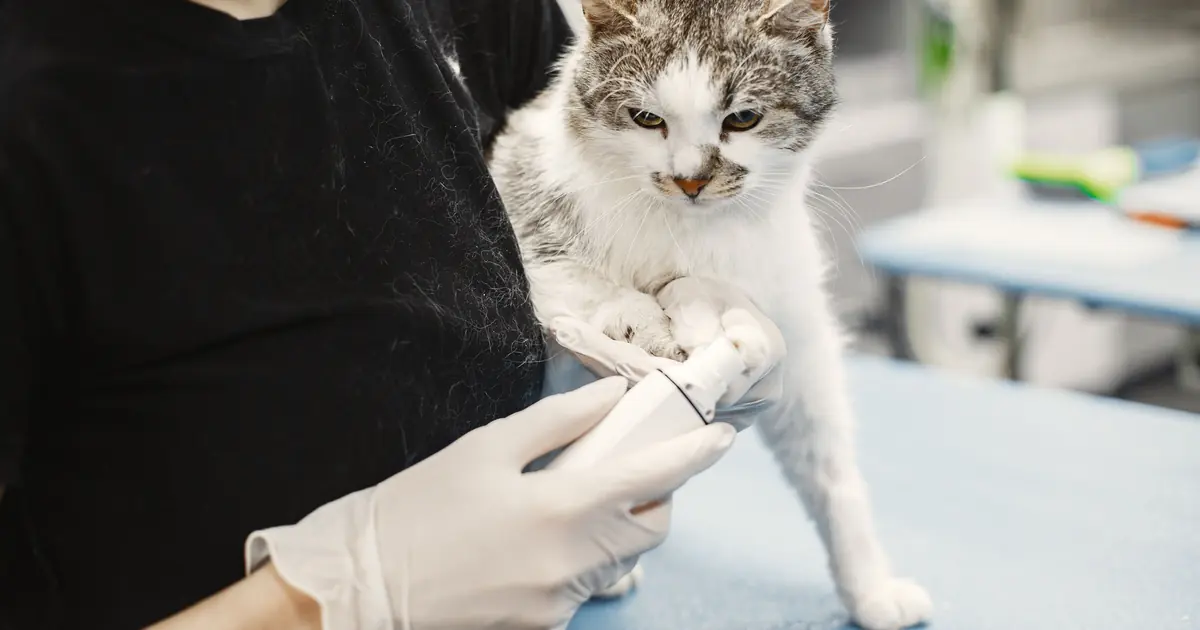
A cat can turn wobbly for a long list of reasons, and the fastest path to an answer is a vet exam rather than guessing at home. Common causes include:
- Vestibular disease: a sudden inner-ear or brainstem balance problem that can strike cats of any age, described by the Cornell Feline Health Center as one of the more common causes of sudden loss of balance. It frequently comes with a head tilt and darting eye movements.
- Ear infections or ear mites: an infection deep in the ear can throw off balance the same way vestibular disease does. Left untreated, ear mites or a cat ear infection can spread and affect the inner ear.
- Cerebellar hypoplasia: a birth condition where the cerebellum did not fully develop, present since kittenhood and non-progressive (more on this below).
- Injury or head trauma: a fall, a car accident, or even a hard jump gone wrong can bruise or injure the brain or spinal cord.
- Low blood sugar (hypoglycemia): common in very young kittens who haven’t eaten recently and in diabetic cats on insulin. Wobbliness from low blood sugar can escalate to collapse quickly.
- Poisoning or toxins: lilies, certain essential oils, some houseplants, antifreeze, and human medications can all cause sudden neurological symptoms including wobbliness. The ASPCA Animal Poison Control Center can help if you suspect exposure.
- High blood pressure: often linked to kidney disease or an overactive thyroid, and can affect balance and vision.
- Neurological disease or stroke: tumors, infections of the brain or spine, or a stroke-like event can all show up as sudden incoordination, per the Merck Veterinary Manual.
- Thiamine (vitamin B1) deficiency: rare, but can occur with certain diets or prolonged appetite loss, and affects the nervous system.
- General weakness from illness: severe anemia, dehydration, organ disease, or pain from another problem can all make a cat look unsteady even without a true neurological cause.
Why Are Some Kittens Born Wobbly?
Kittens born wobbly usually have cerebellar hypoplasia, a condition where the cerebellum didn’t fully develop before birth. It’s most often caused by the mother cat being infected with feline panleukopenia virus during pregnancy, though it isn’t contagious to other cats or spreadable after birth.
This condition is sometimes nicknamed “wobbly cat syndrome.” Affected kittens show tremors and an exaggerated, bouncy, high-stepping walk from the moment they start moving around, and it doesn’t cause pain. The good news: cerebellar hypoplasia does not get worse over time, and it doesn’t shorten a cat’s life. Many “wobbly cats” live happy, playful, completely normal-length lives, they just need a safer, padded home setup (lower furniture, no unguarded stairs or balconies) since their coordination stays permanently affected. VCA Animal Hospitals notes it’s one of the most recognizable and manageable causes of lifelong ataxia in cats.
Does Sudden Wobbliness Mean Something Different Than Gradual Wobbliness?
Yes. Sudden wobbliness is generally more urgent than wobbliness that creeps in slowly over weeks or months. A cat that was walking normally an hour ago and is now staggering could be dealing with vestibular disease, a toxin, low blood sugar, a stroke-like event, or an injury, all of which can move fast and need same-day veterinary attention.
Gradual wobbliness that builds slowly is more often tied to things like developing arthritis, early kidney disease, high blood pressure, or a slow-growing mass. It still deserves a vet visit, just not necessarily an emergency-room trip the same afternoon. When in doubt about the timeline or the cause, treat it as urgent and call your vet.
Is a Wobbly Cat in Pain?
Sometimes, but not always. A cat with cerebellar hypoplasia or simple inner-ear vestibular disease usually isn’t in pain, just off balance. But wobbliness caused by an injury, a spinal problem, an ear infection, or a toxin can absolutely come with real pain or discomfort your cat can’t tell you about directly.
Since you can’t be sure which situation you’re dealing with just by watching your cat sway, the safest move is a vet exam. A vet can check for signs of pain, like flinching, guarding a body part, or a hunched posture, that you might miss at home.
What Will a Vet Do to Find Out Why My Cat Is Wobbly?
A vet will start with a full physical and neurological exam to figure out which type of ataxia your cat has and where the problem is coming from. Expect the visit to include:
- A thorough ear exam, looking for infection, mites, or inflammation deep in the ear canal.
- A neurological exam checking reflexes, eye movements, head position, and how your cat places its paws.
- Bloodwork to check blood sugar, organ function, and thyroid levels.
- A blood pressure check, especially in older cats.
- Imaging such as X-rays, ultrasound, or in more complex cases a CT or MRI, if a tumor, injury, or spinal problem is suspected.
Treatment depends entirely on the cause, from antibiotics for an ear infection to supportive care for vestibular disease to management plans for kidney disease or high blood pressure. Never guess at a diagnosis or give any medication at home before you know what you’re treating.
When Should I Take My Wobbly Cat to the Vet Right Away?
Any new wobbliness in a cat deserves a vet visit, but some signs mean don’t wait, go now. Treat these as an emergency:
- Wobbliness that came on suddenly, within minutes to hours
- Collapse or inability to stand at all
- Vomiting along with the wobbliness
- Seizures or tremors
- A sudden head tilt paired with rapid eye movements
- Not eating or drinking
- Known or suspected exposure to a toxin, plant, or medication
- Difficulty breathing
This article is educational and isn’t a substitute for a hands-on veterinary exam. If your cat shows any of the red flags above, or you’re simply not sure how serious it is, call your vet or the nearest emergency animal hospital right away rather than waiting to see if it passes.
Wobbliness Causes at a Glance
| Cause | Other Signs to Watch For | Urgency |
|---|---|---|
| Vestibular disease | Head tilt, darting eye movements, leaning to one side | Same-day vet visit |
| Cerebellar hypoplasia | Present since kittenhood, tremors, bouncy walk, otherwise bright and alert | Vet diagnosis once, then routine care |
| Hypoglycemia (low blood sugar) | Weakness, trembling, glassy stare, collapse | Emergency |
| Toxin exposure | Drooling, vomiting, seizures, dilated pupils | Emergency |
| Injury or trauma | Limping, pain when touched, visible wounds | Emergency |
Frequently Asked Questions
Q: Why is my cat suddenly wobbly and falling over?
Sudden wobbliness with falling most often points to vestibular disease, an inner-ear infection, a toxin, low blood sugar, or an injury. Because several of these can get worse fast, a cat that suddenly can’t stay upright needs a same-day vet visit.
Q: Is a wobbly cat an emergency?
It can be. Sudden wobbliness paired with vomiting, collapse, seizures, or trouble breathing is a true emergency and needs immediate veterinary care. Gradual wobbliness still needs a vet visit, just not necessarily the same hour.
Q: What is cerebellar hypoplasia in cats?
Cerebellar hypoplasia is a birth condition where a kitten’s cerebellum, the brain region that coordinates movement, didn’t fully develop, usually because the mother was infected with feline panleukopenia virus during pregnancy. It causes a lifelong wobbly, high-stepping walk that is not painful and does not worsen with age.
Q: Can low blood sugar make a cat wobbly?
Yes. Hypoglycemia is a common cause of sudden wobbliness in young kittens who haven’t eaten recently and in diabetic cats receiving insulin. It can progress to collapse or seizures within a short time, so it needs urgent attention.
Q: Do ear infections cause wobbliness in cats?
Yes. An infection deep in the ear canal can affect the balance organs of the inner ear, causing the same kind of swaying, head tilt, and unsteadiness seen in vestibular disease. Treating the underlying infection often resolves the wobbliness.
Q: Will my cat’s wobbliness go away on its own?
Some cases, like mild vestibular episodes, do improve within one to three weeks with veterinary supportive care. Others, like cerebellar hypoplasia, are permanent but stable. Because you can’t tell which one you’re dealing with without an exam, don’t assume it will resolve on its own.
Q: Can poisoning make a cat wobbly?
Yes. Lilies, certain essential oils, some houseplants, antifreeze, and human medications can all cause sudden wobbliness, along with drooling, vomiting, or seizures. Suspected poisoning is always an emergency, so contact your vet or an animal poison control hotline right away.
Q: Can old age cause a cat to get wobbly?
Older cats can develop wobbliness from arthritis affecting their gait, high blood pressure, kidney disease, or age-related neurological changes. It’s still worth a vet visit rather than writing it off as “just getting old,” since several of these causes are manageable once diagnosed.
A wobbly cat is unsettling to watch, but most causes have a clear path forward once a vet takes a look. Whether it turns out to be a treatable ear infection, a manageable condition like cerebellar hypoplasia, or something that needs more urgent care, getting an accurate diagnosis is what actually helps your cat, and helps you stop worrying.

Hello and welcome to The Ideal Cat!
We are some passionate cat owners from different professions. We love our cats and have a lot of experience in how to care for our pets. We are incredibly excited to share our knowledge, experience, and research with you. So you can take good care of your loving cat. We will answer most of the common questions about owning cats, taking care of them, etc. If you have any question contact with us. Thanks for visiting! Enjoy the content.
