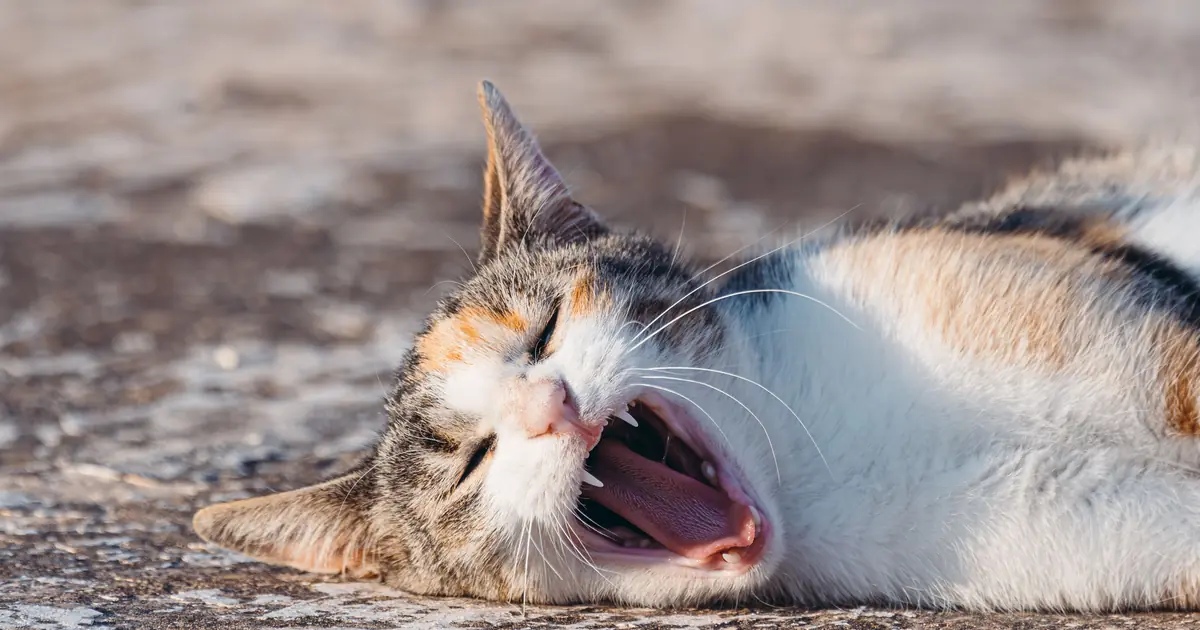
You go in for a chin scratch and something looks off. Your cat’s lip is puffy, maybe a little pink or crusty along the edge, and you’re running through every worst-case scenario in your head. Take a breath. Most swollen lips in cats trace back to a handful of well-understood causes, and none of them are things you caused.
Still, a swollen lip is your cat’s body telling you something isn’t right, whether that’s an allergy flaring up, a bite from something that crawled by, or a tooth root gone bad under the gumline. This guide walks through the real causes, what to watch for at home, and when it’s time to call the vet.
- The single most common cause of a swollen cat lip is an eosinophilic granuloma (rodent ulcer), an allergic or immune skin reaction that usually appears on the upper lip.
- Eosinophilic granulomas are frequently linked to underlying allergies to fleas, food, or environmental triggers like pollen or dust mites.
- Feline acne and contact reactions to plastic food bowls typically show up as swelling, blackheads, or bumps on the chin and lower lip, not just the upper lip.
- A swollen lip paired with drooling, bad breath, or reluctance to eat often points to dental disease or a mouth injury and needs a vet exam.
- Sudden swelling after being outside, especially with hives or breathing changes, can signal an insect sting or allergic reaction and counts as an emergency.
Why Is My Cat’s Lip Swollen?
A cat’s lip swells when the tissue reacts to irritation, allergy, infection, injury, or an immune response, and the exact cause usually shows itself through where the swelling sits and what else comes with it. Swelling on the upper lip near the nose leans toward an eosinophilic granuloma or allergic reaction. Swelling low on the chin or lower lip points more toward feline acne or a plastic bowl reaction. Swelling that comes with drooling, pawing at the mouth, or bad breath usually means something dental is going on underneath.
You won’t diagnose this for certain just by looking. Cats have thin, hair-covered skin around the mouth (yes, cats do have lips, just harder to spot under all that fur), so a granuloma, an abscess, and a bad allergic reaction can look fairly similar at first glance. That’s why a vet visit matters here, not a wait-and-see approach.
What Is an Eosinophilic Granuloma (Rodent Ulcer) and Is It the Most Common Cause?
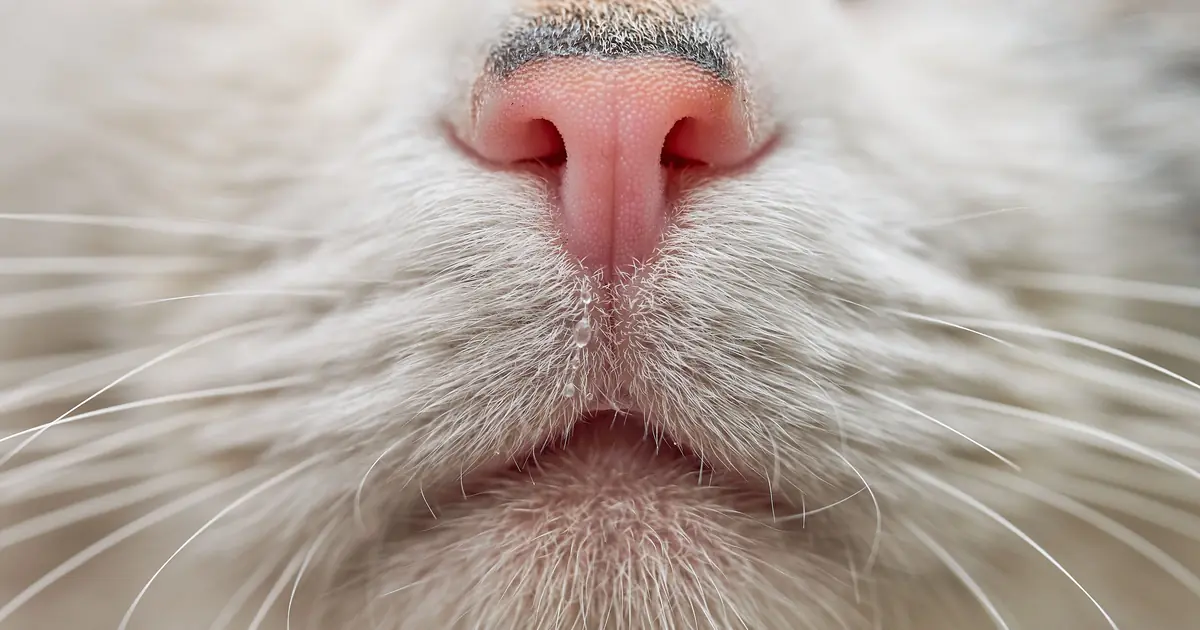
Yes, an eosinophilic granuloma, also called a rodent ulcer or indolent ulcer, is the condition vets diagnose most often when a cat comes in with a swollen lip. It’s part of a group of skin reactions called eosinophilic granuloma complex, where the immune system overreacts and eosinophils (a type of white blood cell tied to allergies) build up in the skin, causing swelling, thickening, and sometimes an open sore.
These lesions almost always show up on the upper lip, often right where it meets the nose, and can look like a raised, glistening, yellow-pink patch that may or may not be painful. According to the VCA Hospitals overview of eosinophilic granuloma complex, the condition is thought to be driven by an underlying hypersensitivity in most cats, even when the trigger isn’t obvious. The good news: with the right diagnosis, it’s manageable, though it usually needs ongoing care rather than a one-time fix.
Can Allergies Cause a Swollen Lip in Cats?
Yes, allergies are one of the biggest drivers behind swollen lips in cats, and they’re the reason eosinophilic granulomas keep coming back if the trigger isn’t found. Cats can react to fleas (even a single bite in a flea-allergic cat), specific proteins in food, or environmental allergens like pollen and dust mites.
A true acute allergic reaction, like anaphylaxis from a sting or new medication, can swell the lips, face, and eyelids within minutes to hours. That sudden, whole-face swelling is different from the slower-building granuloma type and needs urgent care. Your vet may recommend a strict food trial, flea control, or allergy testing to track down the actual trigger once the swelling itself is treated.
Could an Insect Bite or Sting Be Behind the Swelling?
Yes, a bite or sting from a bee, wasp, spider, or ant can cause sudden lip swelling, especially in cats that like to bat at bugs with their face. This swelling comes on fast, within minutes to a couple of hours, and is usually localized to one spot rather than spread evenly across the lip.
Mild sting reactions often settle down on their own within a day. But if the swelling spreads to the whole face, your cat starts drooling heavily, has trouble breathing, or seems weak or wobbly, that’s a serious allergic reaction and needs an emergency vet visit right away.
Is It Feline Acne or a Plastic Bowl Reaction?
It could be, especially if the swelling and bumps are on the chin or lower lip rather than the upper lip. Feline acne shows up as blackheads, small bumps, or swelling along the chin, and it can get inflamed if bacteria get into the follicles. Plastic bowls are a well-known trigger, since plastic is porous, holds bacteria, and can cause contact irritation on sensitive skin.
Honestly, this is the easiest fix on this list. Switch to a stainless steel or ceramic bowl, wash bowls daily, and keep the chin clean. Mild cases often clear up within a week or two. If the chin stays swollen, gets crusty, or starts oozing, it’s worth a vet visit to rule out infection.
Could Dental Disease or a Mouth Injury Be Causing the Swelling?
Yes, dental disease and mouth injuries are common, often overlooked, causes of lip swelling. A cracked tooth, an abscessed tooth root, or advanced periodontal disease can all cause swelling right over the affected tooth. According to the Merck Veterinary Manual’s guide to dental disease in cats, tooth root abscesses can cause visible facial and lip swelling that owners often mistake for a simple bump.
A mouth injury, like biting down wrong on something hard or getting scratched during a scuffle with another cat, can also swell the lip within hours. If your cat suddenly won’t eat, drools more than usual, paws at their mouth, keeps licking their lips more than usual, or has breath that’s gotten noticeably worse, dental disease is a strong suspect and deserves a vet exam and likely dental X-rays.
Could the Swelling Be an Abscess or Infection?
Yes, an abscess (a pocket of infection under the skin) can form on a cat’s lip after a bite wound, a puncture, or an infected tooth, and typically feels warm, firm, and sometimes fluctuant (soft and fluid-filled). Cat bite wounds are especially prone to abscessing because cat mouths carry bacteria that gets sealed under the skin when the puncture closes over.
Abscesses often come with pain, warmth, and sometimes fever, and an affected cat may seem quieter or less interested in food. These need veterinary treatment, usually draining and antibiotics, and won’t resolve with home care alone.
Could It Be a Tumor?
Rarely, yes, a persistent or growing lump on a cat’s lip can be a tumor rather than an allergy or infection, though it’s far less common than the causes above. Squamous cell carcinoma is the type most often found around a cat’s mouth and lips, and it tends to look like a firm, non-healing sore rather than a soft, puffy swelling. Any lip lesion that doesn’t respond to treatment, keeps growing, or keeps coming back should get a biopsy to rule this out.
What Other Symptoms Should I Watch For?
Alongside the visible swelling, keep an eye out for signs that point to how serious the underlying cause might be. These symptoms, seen together with a swollen lip, help your vet narrow down the cause faster.
- An open sore, crust, or ulcer on the lip surface
- Drooling more than normal, or drool with a foul odor
- Reluctance to eat, or eating very slowly and carefully
- Pawing at the mouth or rubbing the face on furniture
- Noticeably bad breath that’s new or worsening
- Swelling that spreads to the whole face or eyes
- Lethargy, hiding, or a general change in behavior
If your cat has stopped eating along with the swelling, or is hiding and not eating at all, treat that as urgent. Cats that skip meals for more than a day or two are at real risk of a liver problem called hepatic lipidosis, on top of whatever caused the original swelling.
Cause, Other Signs, and Urgency at a Glance
| Cause of Swollen Lip | Other Signs to Watch For | Urgency |
|---|---|---|
| Eosinophilic granuloma (rodent ulcer) | Raised, pink-yellow patch on upper lip, sometimes ulcerated | See a vet soon, not usually an emergency |
| Allergic reaction (food, environmental, flea) | Itching, hair loss, recurring swelling | Vet visit soon, urgent if whole face swells fast |
| Insect bite or sting | Sudden localized swelling, possible hives | Urgent if spreading, breathing changes, or weakness |
| Feline acne / plastic bowl reaction | Blackheads and bumps on chin, mild swelling | Routine, try a bowl swap first |
| Dental disease or tooth abscess | Drooling, bad breath, not eating, pawing at mouth | Vet visit soon, urgent if not eating |
| Mouth injury (bite, trauma) | Visible wound, pain, blood | Vet visit same day |
| Abscess or infection | Warm, firm swelling, possible fever, lethargy | Vet visit soon, drains and antibiotics needed |
| Tumor (rare) | Firm, non-healing sore that keeps growing | Vet visit soon for biopsy |
What Will the Vet Do to Figure Out the Cause?
Your vet starts with a physical exam of the lip, mouth, and teeth, checking size, texture, and location of the swelling. From there, the workup depends on what they suspect.
- A close oral exam, sometimes under sedation, to check teeth and see the full extent of the swelling
- Dental X-rays if a tooth root abscess or periodontal disease is suspected
- A skin scrape or cytology sample if a granuloma or infection is likely
- A biopsy if the lesion looks unusual, isn’t healing, or keeps coming back
- Flea checks and a diet discussion to screen for allergy triggers
- Bloodwork if your cat seems unwell, feverish, or hasn’t been eating
Once the cause is confirmed, treatment might include anti-inflammatory medication for a granuloma, antibiotics for infection, a tooth extraction, or a hypoallergenic food trial. The Cornell Feline Health Center’s guide to eosinophilic granuloma complex notes these cases often need long-term management alongside controlling the underlying allergy, not just treating the visible lesion once.
Why Shouldn’t I Wait or Try to Treat This Myself?
Because a swollen lip can come from causes that need very different treatments, and guessing wrong wastes time your cat’s comfort depends on. Human topical creams, antihistamines, and pain relievers aren’t safe to give a cat without a vet’s direction, and some common human medications are outright toxic to cats. Waiting also lets treatable problems get worse: a granuloma can ulcerate further, an abscess can rupture, and a cracked tooth can turn into a full-blown infection.
Vet Note
This article is educational and isn’t a substitute for a hands-on veterinary exam. A swollen lip always needs a vet to figure out the real cause, since granulomas, allergies, infections, dental disease, and (rarely) tumors can look alike from the outside. Never give your cat human medications, including topical creams, antihistamines, or pain relievers, unless a vet specifically tells you to and tells you the dose. If a plastic bowl is a suspect, switch to ceramic or stainless steel right away, it’s a simple, safe first step while you wait for your appointment.
Treat these as red flags that need urgent, same-day care: your cat won’t eat or drink at all, the swelling is spreading fast across the face, there’s any trouble breathing, or your cat seems weak, wobbly, or collapsed after a suspected sting or bite.
Frequently Asked Questions
Q: Why is my cat’s upper lip swollen but not the rest of the mouth?
Swelling limited to the upper lip, especially near the nose, is the classic pattern for an eosinophilic granuloma, an allergy-driven skin reaction that’s the most common cause of isolated lip swelling in cats. A vet exam confirms it, since other conditions can look similar.
Q: Will a swollen cat lip go away on its own?
Some mild reactions, like a small insect sting, can fade within a day or two without treatment. But eosinophilic granulomas, infections, and dental problems typically don’t resolve on their own and often get worse without diagnosis and treatment.
Q: Is a swollen lip in cats painful?
It depends on the cause. Eosinophilic granulomas are often not very painful, while abscesses, dental infections, and injuries usually are. A cat pawing at its mouth or refusing to eat is a strong sign the swelling hurts.
Q: Can food allergies cause a swollen lip in cats?
Yes, food allergies are one of the underlying triggers behind eosinophilic granulomas and other allergic skin reactions on a cat’s lip. A vet may recommend a strict elimination diet trial, usually 8 to 12 weeks, to identify the culprit protein.
Q: How do vets treat eosinophilic granulomas in cats?
Treatment usually involves anti-inflammatory or immune-modulating medication prescribed and dosed by a vet, along with identifying and managing the underlying allergy trigger, whether that’s fleas, food, or environmental allergens. Many cats need ongoing management rather than a single treatment.
Q: When is a swollen cat lip an emergency?
Treat it as an emergency if the swelling spreads quickly across the face, your cat has trouble breathing, seems weak or collapses, or the swelling followed a known insect sting. Refusal to eat for more than a day alongside lip swelling also warrants urgent attention.

Hello and welcome to The Ideal Cat!
We are some passionate cat owners from different professions. We love our cats and have a lot of experience in how to care for our pets. We are incredibly excited to share our knowledge, experience, and research with you. So you can take good care of your loving cat. We will answer most of the common questions about owning cats, taking care of them, etc. If you have any question contact with us. Thanks for visiting! Enjoy the content.
