
Maine Coons have a reputation as loving “gentle giants,” so it’s disappointing if yours acts aloof. The good news: most Maine Coons are affectionate in their own way, and a distant one usually has a fixable reason.
Here’s why your Maine Coon might seem standoffish and how to build the bond.
- Maine Coons are affectionate but independent, they often prefer being near you to being held.
- Some show love “dog-style”: following you, sitting close, and chatting rather than cuddling.
- Aloofness can stem from personality, stress, poor socialization, or too little bonding time.
- Build the bond with play, routine, patience, and letting the cat set the pace.
- A sudden loss of affection can signal illness or pain, so rule that out with a vet.
Why is my Maine Coon not affectionate?
If your Maine Coon seems unaffectionate, it’s usually because the breed shows love differently, or because something is affecting its comfort. Maine Coons are known as affectionate but independent “gentle giants” that often prefer to be near their people rather than cuddled or carried. So a cat that follows you around but doesn’t want to be held is still being affectionate, in Maine Coon fashion. Genuine distance can also come from individual personality, stress, limited early socialization, or not enough bonding time, and a sudden change may point to a health issue.
How do Maine Coons usually show affection?
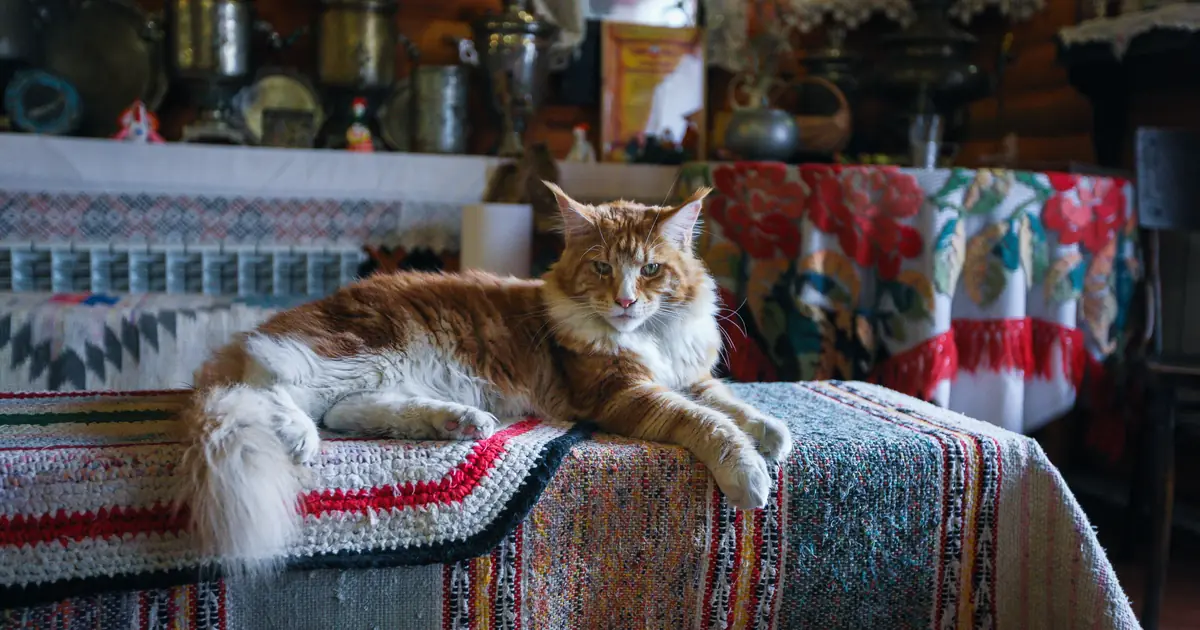
Maine Coons typically show affection in a “dog-like,” low-key way rather than by being lap cats. Common signs include following you from room to room, sitting or lying near you (not necessarily on you), greeting you with chirps and trills, gentle head bumps, and wanting to be involved in what you’re doing. Many enjoy petting and closeness but dislike being scooped up or restrained. So if you were expecting a clingy lap cat, a Maine Coon’s calmer, companionable style can read as “not affectionate” when it’s really just different, part of the temperament in our Maine Coon cat guide.
What can make a Maine Coon act distant?
Beyond breed style, several things can make any cat, including a Maine Coon, seem aloof. Common causes:
- Individual personality, some cats are simply more independent.
- Stress or change, a move, new pet, or disrupted routine.
- Limited early socialization, making a cat more reserved.
- Not enough bonding time or engagement.
- Illness or pain, which causes withdrawal, especially if sudden.
Because affection often grows with time and trust, patience matters, and many cats become cuddlier as they mature, covered in whether cats get more affectionate with age.
How do you bond with a Maine Coon?
Build affection with a Maine Coon through play, routine, and respecting its independence. Use interactive play (wand toys, fetch) to connect on its terms, keep feeding and attention consistent, and let the cat approach you rather than forcing handling. Reward closeness with gentle petting where it likes (usually the head and cheeks) and treats, and simply spend calm time in the same room. Avoid picking it up if it dislikes that. Over time, trust deepens and your Maine Coon will seek you out more. This article is educational; if a normally affectionate Maine Coon suddenly becomes withdrawn, or shows appetite loss, hiding, or lethargy, see your vet, sudden aloofness can signal pain or illness. For a sudden bond change, see affection patterns and general loneliness in do cats get lonely. Trusted behavior guidance comes from the ASPCA and International Cat Care.
Frequently Asked Questions
Q: Are Maine Coons supposed to be affectionate?
Yes, but independently. Maine Coons are affectionate “gentle giants” that often show love by being near you, following you, and chatting, rather than cuddling in your lap. A cat that stays close but dislikes being held is still being affectionate.
Q: Why won’t my Maine Coon cuddle?
Many Maine Coons prefer companionship over cuddling, they’d rather sit beside you than be held. That’s normal breed behavior. Distance can also come from personality, stress, or limited socialization. Forcing cuddles usually backfires; let it come to you.
Q: How do Maine Coons show they love you?
In dog-like ways: following you around, sitting or lying nearby, greeting you with chirps and trills, head bumps, and wanting to be involved in your activities. Many enjoy petting but not being picked up. Closeness is their love language.
Q: How can I get my Maine Coon to be more affectionate?
Use interactive play to bond, keep a consistent routine, let the cat approach you, and reward closeness with gentle petting and treats. Respect its dislike of being held. Trust and affection build over time with patience.
Q: Can a Maine Coon’s personality change over time?
Yes. Many cats grow more affectionate with age and trust, so an aloof young Maine Coon may warm up as it matures and settles in. Consistent, positive interaction helps. Sudden changes, though, warrant a vet check.
Q: When is a distant Maine Coon a health concern?
When the change is sudden, or paired with hiding, appetite loss, lethargy, or other symptoms. Cats hide illness, so a normally affectionate Maine Coon that abruptly withdraws may be in pain or unwell. Have your vet examine it.

Hello and welcome to The Ideal Cat!
We are some passionate cat owners from different professions. We love our cats and have a lot of experience in how to care for our pets. We are incredibly excited to share our knowledge, experience, and research with you. So you can take good care of your loving cat. We will answer most of the common questions about owning cats, taking care of them, etc. If you have any question contact with us. Thanks for visiting! Enjoy the content.
