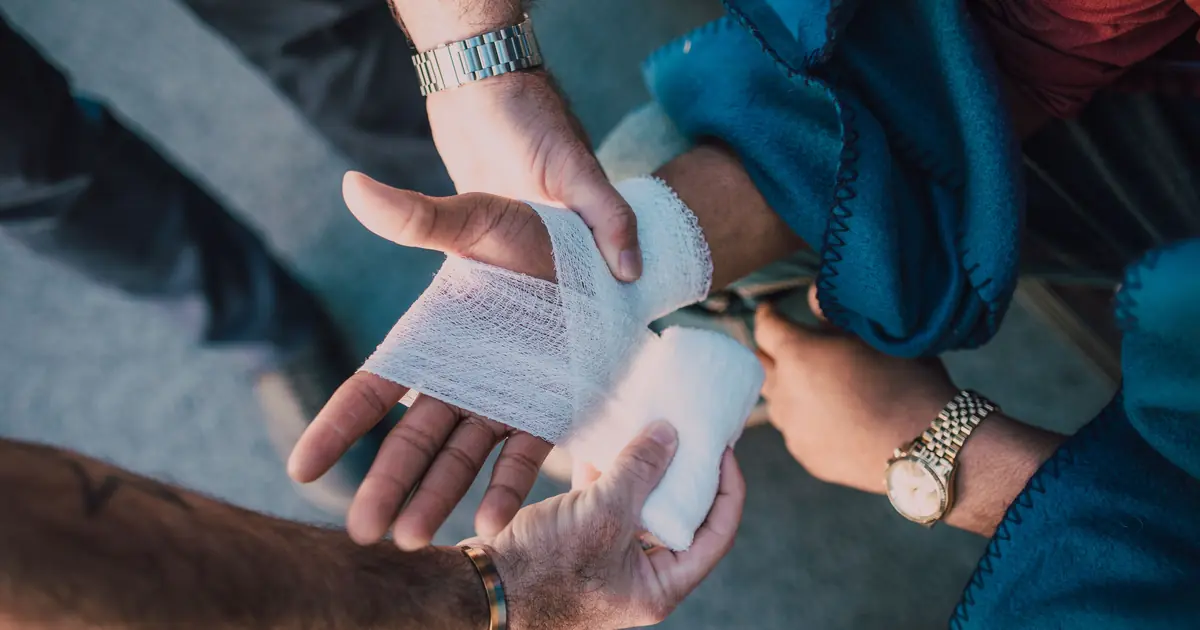
You get nipped by your cat, or you spot a tender lump on your cat’s leg, and a few hours later something looks off. The skin is puffy, warm, and sore. Here’s the thing: with cat bites, swelling is rarely “just a bruise.” It’s usually the first sign that bacteria are setting up shop under the skin.
Cat bites are sneaky. The wound on the surface can look tiny, almost harmless. But those needle-sharp teeth act like little syringes, injecting bacteria deep into muscle and joints where the body struggles to fight back. This guide covers both sides of the problem: what swelling means when a cat bites you, and what it means when your cat gets bitten by another cat.
This article is educational and isn’t a substitute for medical or veterinary care. For a human bite, contact a doctor. For your cat, contact your vet.
- Swelling after a cat bite is a warning sign of infection, because cat teeth inject bacteria deep into tissue where it multiplies fast.
- Pasteurella bacteria live in the mouths of 70% to 90% of cats, and 20% to 50% of cat bites in humans get infected.
- In humans, infection often appears within 12 to 24 hours as spreading redness, warmth, throbbing pain, and swelling.
- Any cat bite to the hand, a deep puncture, spreading redness, or a fever needs same-day medical care, ideally within 8 hours.
- In cats, a painful swelling 2 to 7 days after a fight is usually an abscess that needs a vet to drain it and prescribe antibiotics.
Why does a cat bite swell up?
A cat bite swells because bacteria from the cat’s mouth get trapped deep under the skin and start an infection. Cat teeth are thin and sharp, so they make small, deep puncture wounds that seal over quickly on the surface. That traps bacteria inside, with no easy way out. The body responds with inflammation, which shows up as swelling, warmth, and redness around the bite.
The main troublemaker is a bacterium called Pasteurella multocida, which lives in the mouths of roughly 70% to 90% of cats. It’s harmless in a cat’s mouth but nasty once it’s pushed into human or feline tissue. Pasteurella spreads fast, which is exactly why swelling can appear so quickly and why cat bites have a reputation among doctors and vets alike.
So if you notice swelling after any cat bite, don’t wait to “see if it settles.” Swelling is the early signal that the wound is turning into an infection.
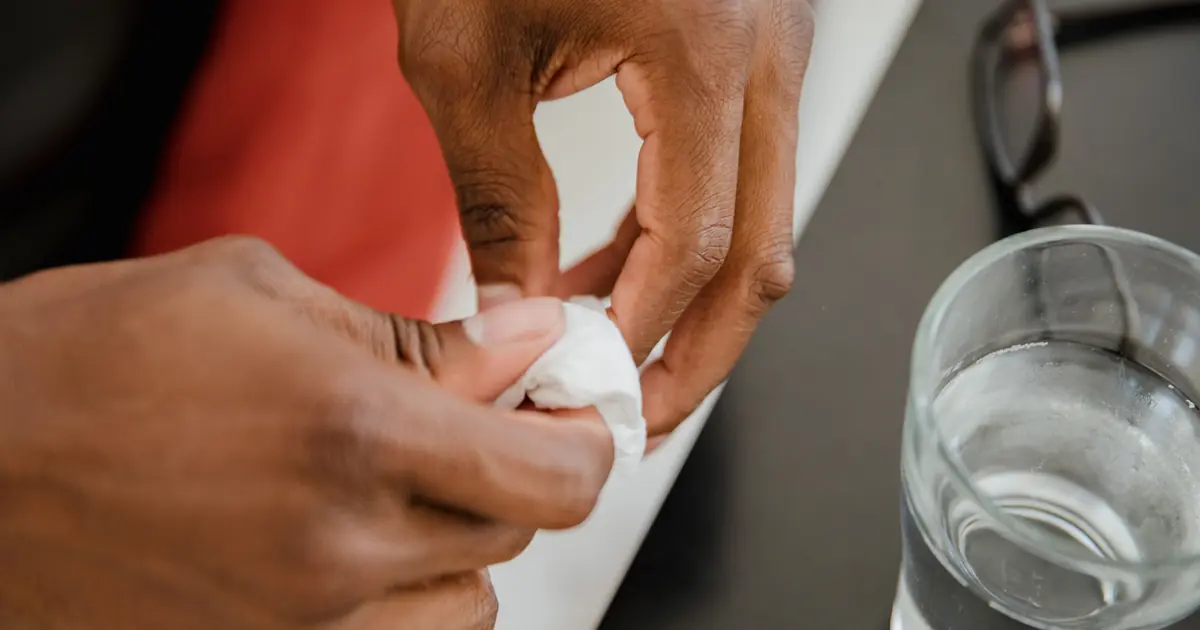
Part A: A human bitten by a cat, why cat bites swell and infect fast
When a cat bites a person, swelling is one of the earliest signs of infection and should be taken seriously. Cat bites become infected far more often than dog bites, with studies estimating 20% to 50% of cat bites in humans develop an infection. The small puncture looks minor, but the risk underneath is high.
How fast does a cat bite get infected?
A cat bite can become infected within 12 to 24 hours, and sometimes even faster. Pasteurella can trigger cellulitis (a spreading skin infection) within just 3 to 6 hours in some cases. That speed is what catches people off guard. A bite that seemed fine at bedtime can be red, swollen, and throbbing by morning. This is why doctors recommend being seen the same day rather than waiting to watch it.
What are the signs a cat bite is infected?
The signs of an infected cat bite are redness, swelling, warmth, throbbing pain, and pus, often spreading outward from the puncture. Early Pasteurella infection typically shows as a growing area of redness around the wound, with pain that feels worse than the small mark suggests. Watch for these warning signs:
- Swelling that grows around the bite
- Redness spreading outward, sometimes as red streaks moving up the limb
- Warmth and throbbing, aching pain
- Pus or cloudy fluid draining from the wound
- Fever, chills, or feeling generally unwell
- Reduced movement in a nearby finger or joint
When should I see a doctor for a cat bite?
See a doctor the same day for any cat bite that breaks the skin, and ideally within 8 hours to cut your infection risk. Don’t wait for symptoms to prove it’s serious. Go urgently if any of these apply:
- Any bite to the hand, wrist, or finger. Hand bites are the most dangerous. Bacteria can reach tendons and joints, causing septic arthritis or a tendon-sheath infection that may need surgery.
- A deep puncture wound, even a small-looking one, since depth is the real danger with cat teeth.
- Spreading redness, red streaks, or growing swelling.
- Fever or feeling unwell.
- A bite over any joint, or near an implant or prosthetic.
- You’re immunocompromised, diabetic, or your tetanus shot is out of date.
Left untreated, a cat bite infection can develop into cellulitis, a spreading tissue infection, or even septic arthritis within 24 to 48 hours. Doctors often prescribe antibiotics after a cat bite as a precaution, and may check whether you need a tetanus booster. The Mayo Clinic’s animal-bite first aid guidance stresses seeing a doctor promptly for any deep bite or signs of infection.
First aid for a cat bite before you get to the doctor
Good first aid lowers your infection risk, but it doesn’t replace a doctor’s visit for a cat bite. While you arrange care, do this:
- Wash it well. Rinse the wound under running water with soap for at least 5 minutes.
- Let it bleed a little. Gentle bleeding helps flush bacteria out. Don’t scrub hard.
- Apply pressure with a clean cloth if it’s bleeding, until it slows.
- Dab on antibiotic ointment and cover with a clean bandage.
- Call your doctor or an urgent care clinic the same day, especially for a hand bite.
Curious why your cat bit you in the first place, whether it was play, fear, or overstimulation? Our guide on why your cat bites you explains the triggers, and what to do if your cat bites you walks through the response step by step.
Part B: A cat bitten by another cat, why the swelling is usually an abscess
When a cat is bitten by another cat, a painful swelling that appears a few days later is almost always an abscess. An abscess is a pocket of pus that forms when bacteria get trapped under the skin. During a cat fight, sharp teeth puncture the skin, then the small wounds close over quickly, sealing bacteria inside. Over the next few days, the trapped infection builds into a swollen, tender lump.
How soon does an abscess form after a cat fight?
A cat bite abscess usually develops 2 to 7 days after the fight. You often won’t even see the original bite, since the puncture is tiny and hidden under fur. What you’ll notice instead is a soft or firm swelling, heat in the area, and a cat who flinches when you touch that spot. Common bite sites are the head, face, front legs, and the base of the tail, the places cats get nipped while fighting or fleeing.
What are the signs of an abscess in cats?
The signs of a cat bite abscess are a painful swelling, heat around the area, limping, and often a fever or low energy. Many cats hide these signs well, so a sudden change in behavior after time outdoors is a clue. Watch for:
- A swollen, tender lump under the skin, often warm to the touch
- Limping or guarding a leg
- A cat who’s suddenly quiet, hiding, or off their food
- Fever (a normal cat runs about 100.5 to 102.5°F)
- A foul-smelling discharge if the abscess bursts and drains
- A scab or matted patch of fur over the bite
Do cat bite abscesses need a vet?
Yes. A cat bite abscess almost always needs a vet, because the trapped pus has to be drained and the infection treated with antibiotics. Home care alone rarely clears it. Your vet will typically clip and clean the area, lance or open the abscess to drain it, flush the pocket, and sometimes place a small drain to keep it open while it heals. They’ll also prescribe antibiotics and pain relief. According to VCA Animal Hospitals, most drained abscesses heal within about 5 to 7 days with proper treatment. International Cat Care notes that fight-related bites are one of the most common reasons cats need veterinary wound care.
Wondering what a visit like this runs? Our breakdown of typical cat vet costs can help you plan before you go.
Home first aid vs. when it’s beyond home care
Home care for a cat’s bite wound is only appropriate for a fresh, minor scratch with no swelling yet, and even then a vet call is wise. If you catch a fresh bite before it swells, you can gently clean the area with warm water and watch it closely for 24 to 48 hours. But once swelling, a lump, pus, limping, or a fever appear, it’s beyond home care and needs a vet. Never try to squeeze or lance an abscess yourself, and don’t use human antibiotic creams or medications on your cat, as some are toxic to them.
Human vs. cat: how cat-bite swelling compares
Cat-bite swelling means the same core thing in both people and cats, an infection is taking hold, but the timeline and next step differ. Here’s a side-by-side look.
| Factor | Human bitten by a cat | Cat bitten by another cat |
|---|---|---|
| Main bacteria | Pasteurella multocida and others | Pasteurella and mixed mouth bacteria |
| When swelling appears | Often within 12 to 24 hours | Usually 2 to 7 days after the fight |
| What it looks like | Redness, warmth, throbbing pain, pus | Painful lump, heat, limping, fever |
| Biggest risk area | Hands, wrists, joints | Head, face, legs, tail base |
| Who to see | A doctor, same day | A veterinarian, promptly |
| Typical treatment | Wound cleaning, oral antibiotics | Drainage plus antibiotics |
Normal healing vs. infected: what swelling tells you
A little tenderness right after a bite can be normal, but growing swelling is not. Here’s how to tell ordinary healing from a wound that’s turning bad.
| Sign | Normal early healing | Infected, needs care |
|---|---|---|
| Swelling | Minimal, stays the same or shrinks | Growing, spreading outward |
| Redness | Small, right at the puncture | Expanding, with possible red streaks |
| Pain | Mild, easing over a day or two | Throbbing, worsening, out of proportion |
| Warmth | Little to none | Hot to the touch |
| Drainage | None, or a tiny bit of clear fluid | Pus or cloudy, smelly discharge |
| Whole-body signs | None | Fever, chills, feeling unwell |
The rule of thumb for both people and cats: if the swelling is getting bigger instead of smaller, get it seen. Cat bites are one of those situations where acting early prevents a much bigger problem.
Can a cat bite make you seriously sick?
Yes, an untreated cat bite can cause serious infections in people, which is why swelling should never be ignored. Beyond local cellulitis, cat bites can lead to septic arthritis (joint infection), tenosynovitis (an infection of the tendon sheath, especially in the hand), and in rare cases the infection can spread through the bloodstream. Cat bites can also transmit cat scratch disease, caused by a different bacterium. If you have swollen lymph nodes, a lingering sore, or flu-like symptoms after a bite or scratch, read up on the signs of cat scratch disease. Rabies is very rare in pet cats but is a reason doctors ask about the biting animal’s vaccination status.
Cat bite swelling FAQ
Q: Is it normal for a cat bite to swell?
No, swelling after a cat bite is not normal and usually signals infection. Cat teeth inject bacteria deep under the skin, so swelling, redness, and warmth are early warning signs. For a human bite, see a doctor the same day. For a cat, contact your vet.
Q: How long after a cat bite does swelling and infection start?
In humans, swelling and infection often appear within 12 to 24 hours, and sometimes as fast as 3 to 6 hours. In cats, a bite abscess usually swells 2 to 7 days after a fight. Either way, fast-growing swelling means it’s time for medical or veterinary care.
Q: Should I go to the doctor for a small cat bite that’s swelling?
Yes. Even a small cat bite that’s swelling needs same-day medical care, because the wound is deeper than it looks and infects quickly. Bites to the hand are especially urgent, since infection can reach tendons and joints. Doctors often prescribe antibiotics as a precaution.
Q: Why is my cat’s face or leg swollen after being outside?
A swollen face or leg after your cat has been outdoors is most often a bite abscess from a fight. The puncture seals over and bacteria build up into a painful, warm lump over a few days. This needs a vet to drain it and prescribe antibiotics.
Q: Can I treat a cat bite abscess at home?
No, a cat bite abscess should be treated by a vet, not at home. The trapped pus needs to be drained and the infection treated with antibiotics. Never squeeze or lance it yourself, and don’t use human medications on your cat, since some are toxic to them.
Q: What antibiotics are used for cat bites?
Doctors and vets often use amoxicillin-clavulanate for cat bites because it targets Pasteurella and other mouth bacteria. The exact medication and dose must come from a professional. Never use leftover or human antibiotics on yourself or your cat without guidance.
Q: How do I know if a cat bite is healing or getting worse?
A healing bite has shrinking swelling, fading redness, and less pain each day. A worsening bite has growing swelling, spreading redness, throbbing pain, pus, or fever. If it’s getting bigger instead of smaller, seek care right away for you or your cat.
Q: Do all cat bites need antibiotics?
Most cat bites that break the skin are treated with antibiotics because their infection rate is so high, often 20% to 50% in people. Cat bite abscesses in cats also need antibiotics after drainage. Your doctor or vet decides based on the wound’s depth, location, and signs of infection.
Bottom line: with cat bites, swelling is the warning light on the dashboard. In people, it can flare within a day and hit the hand hardest, so see a doctor the same day. In cats, it shows up days after a scuffle as a tender lump that needs a vet to drain. Either way, don’t wait it out. Catching a cat bite infection early is the difference between a quick course of antibiotics and a much harder fix.

Hello and welcome to The Ideal Cat!
We are some passionate cat owners from different professions. We love our cats and have a lot of experience in how to care for our pets. We are incredibly excited to share our knowledge, experience, and research with you. So you can take good care of your loving cat. We will answer most of the common questions about owning cats, taking care of them, etc. If you have any question contact with us. Thanks for visiting! Enjoy the content.
