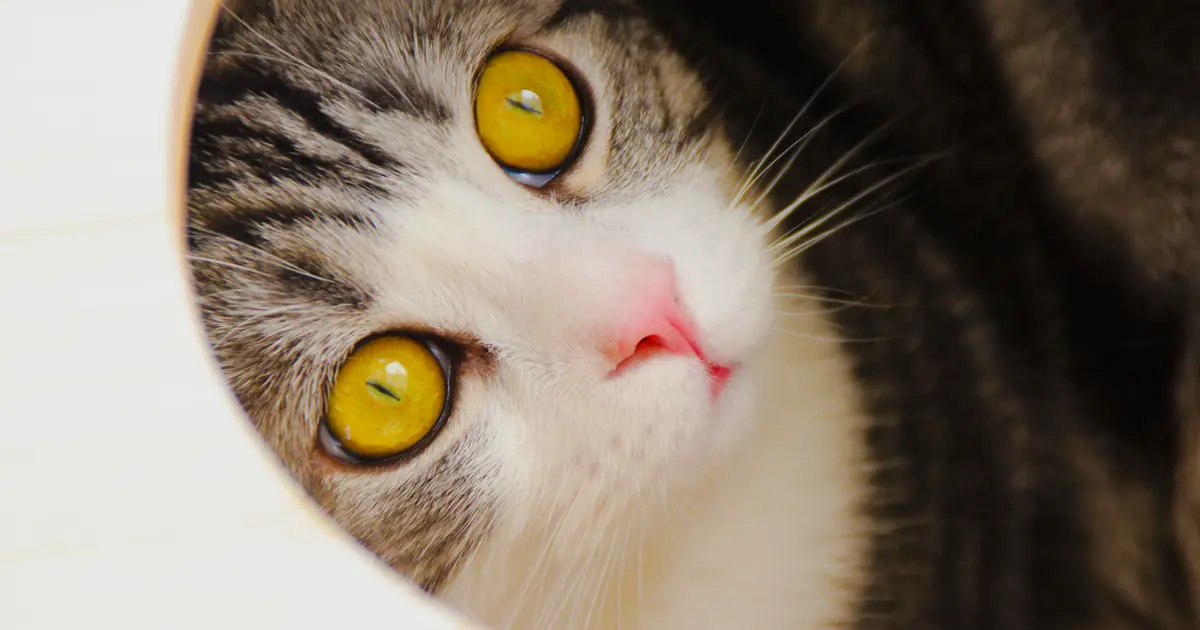
Your cat looks up at you with watery eyes and your heart breaks a little. Is your cat actually crying? Sad about something?
The truth is sweeter and simpler, and also a reminder to check those eyes. Here’s what teary cat eyes really mean.
- Cats have tear ducts and make tears, but they don’t shed tears from emotion like humans do.
- Cats express feelings through body language and sounds, not by crying tears.
- Watery or teary eyes in cats usually mean a physical issue, not sadness.
- Common causes include irritation, allergies, infections, and blocked or narrow tear ducts.
- Persistent tearing, discharge, redness, squinting, or pawing at the eye warrants a vet visit.
Can cats cry with tears?
Cats can make tears, but they don’t cry with tears out of emotion. A cat’s eyes produce tears constantly to keep the surface moist, clean, and protected, the same basic function as human tears. What cats don’t do is well up and weep because they’re sad, lonely, or in pain. So while a cat’s eyes can look watery or teary, that’s a physical response, not an emotional one.
Do cats cry emotional tears like humans?
No, cats do not shed emotional tears the way people do. Humans are unusual in crying tears when we feel sad or overwhelmed; cats simply don’t express emotion that way. A cat that’s upset, anxious, or hurting shows it through behavior and vocalization instead, hiding, changes in appetite, or vocal “crying” sounds. If your cat seems distressed, look at what its body and voice are telling you, not its tear production.
How do cats actually show sadness or pain?
Cats show sadness, stress, or pain through body language and behavior, not tears. Watch for these signs instead:
- Hiding more than usual or withdrawing from you.
- Changes in appetite or drinking.
- Vocal “crying,” yowling, or excessive meowing, covered in why cats cry like babies.
- A hunched posture, squinting, or reduced grooming.
- Less play, energy, or interest in normal activities.
Why does my cat have watery or teary eyes?
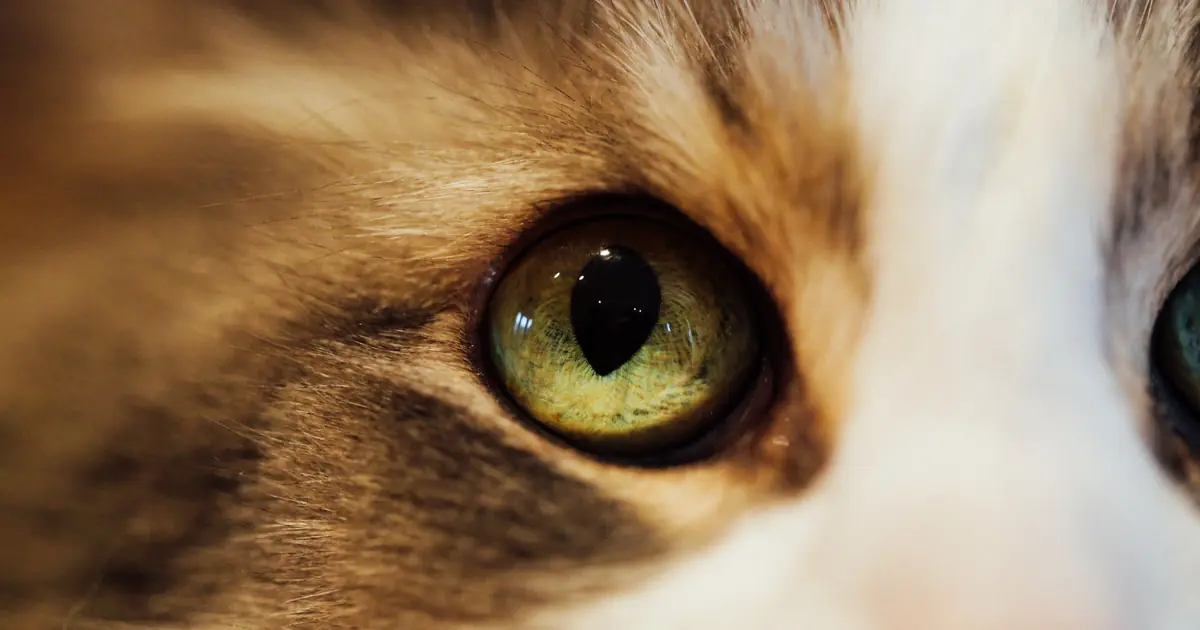
Watery eyes in cats almost always point to a physical cause, not crying. Excess tearing (called epiphora) happens when the eyes are irritated or when tears can’t drain properly. Common reasons include dust or irritants, allergies, wind, eye infections, feline upper respiratory viruses, and blocked or naturally narrow tear ducts, which flat-faced breeds like Persians are prone to. Since watery eyes signal an eye issue rather than sadness, they’re worth watching and, if persistent, checking with a vet.
Emotional “crying” vs a medical eye problem
Here’s how to tell what teary eyes really mean.
| What you notice | What it likely means |
|---|---|
| Clear tears, no other symptoms, occasional | Normal tearing or mild irritation |
| Constant watering, tear-stained fur | Blocked/narrow tear ducts or ongoing irritation |
| Thick, colored, or crusty discharge | Possible infection, see a vet |
| Redness, squinting, pawing at the eye | Pain or injury, see a vet promptly |
| Hiding, appetite loss, vocal crying | Emotional or physical distress, assess behavior |
When should you see a vet about your cat’s eyes?
See a vet if your cat’s eye watering is persistent or comes with other symptoms. Red flags include thick or colored discharge, redness, swelling, squinting, cloudiness, pawing at the eye, or a change in the eye’s appearance. These can signal infection, injury, or other conditions that need treatment. This article is educational and not a substitute for veterinary care. For related eye concerns, see why cats get eye boogers and why a cat squints one eye. Trusted background on feline eye health is available from the ASPCA and VCA Hospitals.
Frequently Asked Questions
Q: Do cats cry tears when they’re sad?
No. Cats produce tears to keep their eyes moist, but they don’t shed tears from emotion like humans. A sad or stressed cat shows it through hiding, appetite changes, and vocalizing, not by crying tears.
Q: Why are my cat’s eyes watering?
Watery eyes usually mean a physical issue: irritation, allergies, wind, an infection, or blocked or narrow tear ducts. Flat-faced breeds tear more due to their eye shape. If it’s persistent or has discharge, see your vet.
Q: Can cats feel sad or cry emotionally?
Cats do experience emotions like stress, fear, and contentment, but they don’t cry emotional tears. They communicate feelings through body language, behavior changes, and sounds, so watch how your cat acts rather than looking for tears.
Q: What does it mean when a cat has tear-stained fur?
Reddish-brown tear staining below the eyes usually means chronic tearing, often from blocked or narrow tear ducts or ongoing irritation. It’s common in flat-faced breeds. Ask your vet if the tearing is heavy or the eye looks irritated.
Q: Is a cat crying sound a sign of pain?
It can be. Vocal “crying,” yowling, or persistent meowing may signal pain, distress, hunger, or attention-seeking. Emotional or medical crying shows up in behavior and sound, not tears. If it’s new or constant, have your vet check your cat.
Q: Should I wipe my cat’s watery eyes?
You can gently wipe away discharge with a clean, damp cloth, using a fresh area for each eye. But wiping treats the symptom, not the cause. If watering is persistent or the eye looks irritated, see your vet for proper care.

Hello and welcome to The Ideal Cat!
We are some passionate cat owners from different professions. We love our cats and have a lot of experience in how to care for our pets. We are incredibly excited to share our knowledge, experience, and research with you. So you can take good care of your loving cat. We will answer most of the common questions about owning cats, taking care of them, etc. If you have any question contact with us. Thanks for visiting! Enjoy the content.
