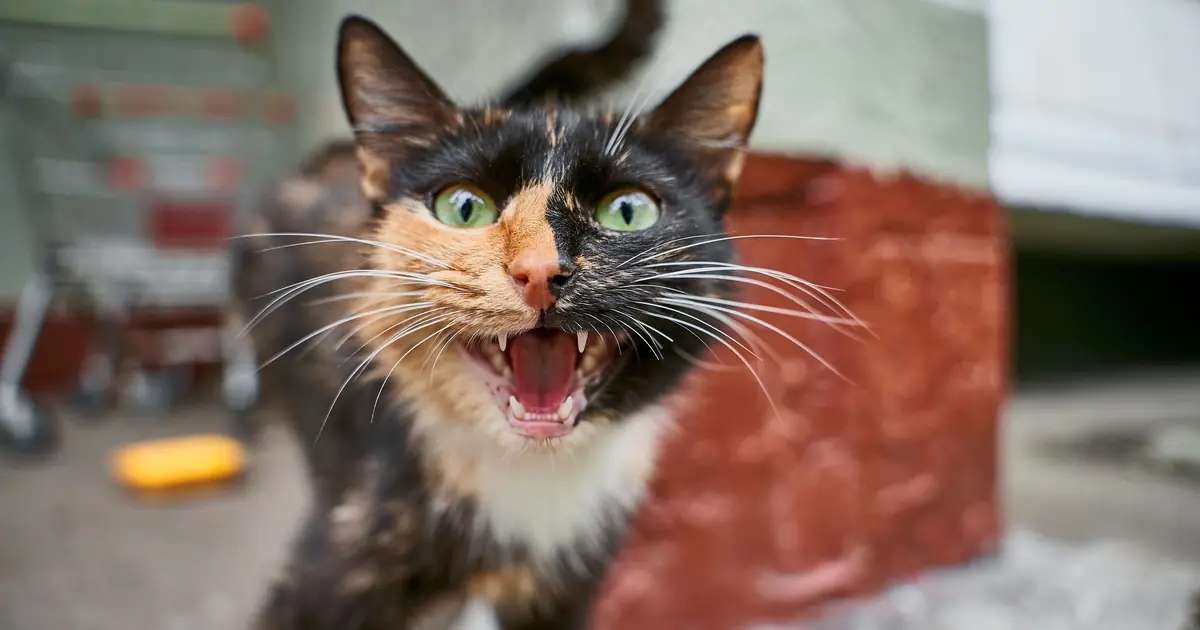
If you’ve ever heard cats mating, you don’t forget it. That blood-curdling shriek sounds like a fight to the death. It’s not, but there’s a very real (and kind of wild) reason behind it.
Here’s the honest biology of why mating cats scream, and what it means.
- The mating scream is caused by pain: the male cat’s barbed penis scrapes the female on withdrawal.
- Those barbs (penile spines) also stimulate the female and trigger her to ovulate.
- The female often screams, then turns and swats or attacks the male right after mating.
- The loud yowling before mating is calling behavior from a female in heat, not the same as the scream.
- The behavior is normal in intact cats; spaying and neutering prevents it (and unwanted litters).
Why do cats scream when they mate?
Cats scream when they mate primarily because mating is painful for the female. The male cat’s penis is covered in small backward-facing barbs called penile spines, and when he withdraws, these barbs scrape the walls of the female’s reproductive tract. That sudden discomfort makes the female cry out sharply, and she’ll often whip around to swat or bite the male. The scream is dramatic, but it’s a normal part of how cats reproduce.
What causes the painful scream, exactly?
The scream comes from the male cat’s barbed penis raking the female during withdrawal. These penile spines aren’t there to hurt for no reason, they serve a purpose. As they scrape, they stimulate the female’s body to release eggs. Without that stimulation, ovulation may not happen, so the very thing that causes the yell is also what makes mating successful. It’s uncomfortable but biologically important.
Why do the barbs matter for reproduction?
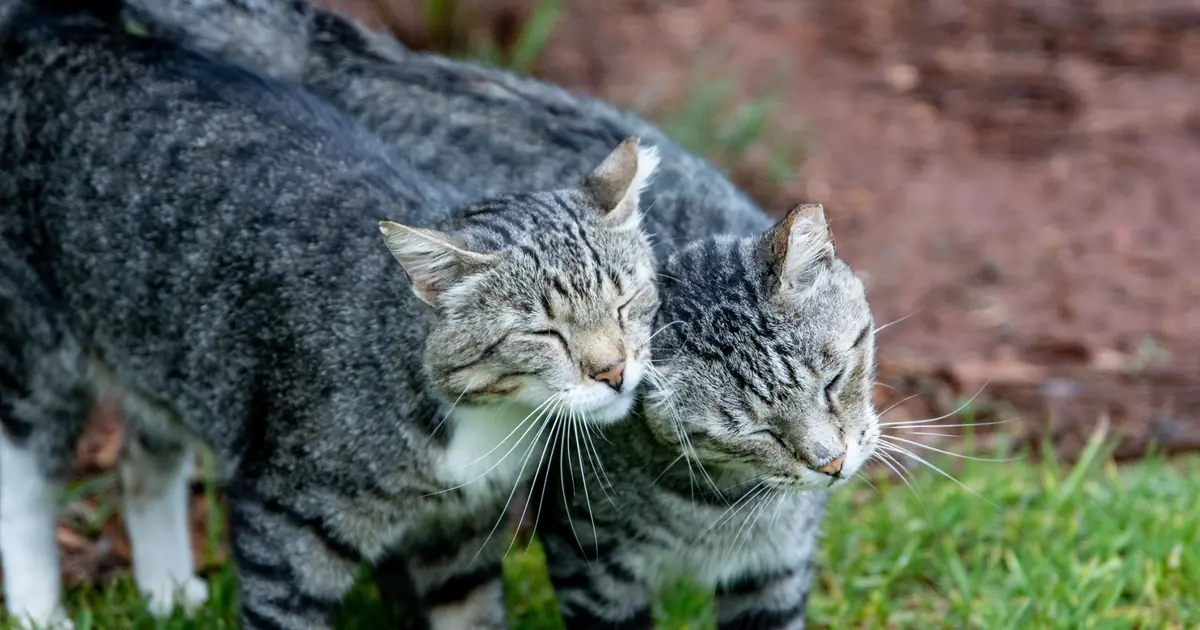
The barbs matter because female cats are “induced ovulators,” meaning they only release eggs in response to mating. The scraping of the penile spines triggers a hormonal signal that causes ovulation, often after several matings in a short period. This is why free-roaming cats mate repeatedly and why a single female in heat can attract and mate with multiple males, sometimes producing a litter with more than one father. It’s an efficient, if uncomfortable, system.
Is the mating scream the same as the heat yowl?
No, the pre-mating yowl and the mating scream are different sounds. Before mating, an intact female in heat produces loud, drawn-out calling yowls to advertise she’s ready and attract males, which can sound distressing but is normal heat behavior. The sharp scream happens during the act of mating itself, at withdrawal. Both are loud, but one is calling and the other is a reaction to the barbs.
Mating sounds and behaviors at a glance
Here’s how the common mating-related sounds and actions break down.
| Sound or behavior | When it happens | Why |
|---|---|---|
| Loud, repeated yowling | Female in heat, before mating | Calling to attract males |
| Sharp scream or cry | During mating, at withdrawal | Pain from the barbed penis |
| Swatting or attacking the male | Right after mating | Reaction to the discomfort |
| Rolling and grooming | After mating | Normal post-mating behavior |
How do you stop the mating screaming?
The reliable way to prevent mating screams and yowling is to spay or neuter your cats. Spaying a female stops heat cycles and the calling that goes with them, and neutering males reduces roaming and mate-seeking. Beyond ending the noise, it prevents unwanted litters and offers real health benefits. This article is educational and not a substitute for veterinary advice. To learn more, see our guides on whether cats mate for life and how long male cats roam, and consult reputable sources like the ASPCA and VCA on feline heat cycles. If you’re worried about intact males around kittens, read will male cats kill kittens.
Frequently Asked Questions
Q: Why do cats scream during mating?
Because the male cat’s penis has backward-facing barbs that scrape the female as he withdraws, causing pain. The female cries out and often swats at the male. It’s a normal, if dramatic, part of feline mating.
Q: Does mating actually hurt female cats?
Yes, briefly. The barbed penis (penile spines) scrapes the female’s reproductive tract on withdrawal, causing sharp discomfort. This same scraping triggers ovulation, so the pain, though real, plays a key role in successful reproduction.
Q: Why does the female attack the male after mating?
The sudden pain from the barbs at withdrawal makes the female turn and swat or bite the male. It’s a reflexive reaction to the discomfort. Experienced males jump back quickly to avoid the swipe.
Q: Is the loud yowling before mating the same as the scream?
No. The drawn-out yowling is heat calling, a female in heat advertising she’s ready and attracting males. The sharp scream happens during mating itself, at withdrawal, and is caused by the barbed penis.
Q: How can I stop my cats from screaming when mating?
Spay or neuter your cats. Spaying ends heat cycles and calling, and neutering reduces roaming and mating behavior. It stops the noise, prevents unwanted litters, and provides health benefits. Talk to your vet about the timing.
Q: Why do cats mate so many times?
Female cats are induced ovulators, releasing eggs only in response to mating. Repeated matings help ensure ovulation, which is why cats mate multiple times and a female may mate with several males, sometimes producing a mixed-father litter.

Hello and welcome to The Ideal Cat!
We are some passionate cat owners from different professions. We love our cats and have a lot of experience in how to care for our pets. We are incredibly excited to share our knowledge, experience, and research with you. So you can take good care of your loving cat. We will answer most of the common questions about owning cats, taking care of them, etc. If you have any question contact with us. Thanks for visiting! Enjoy the content.
