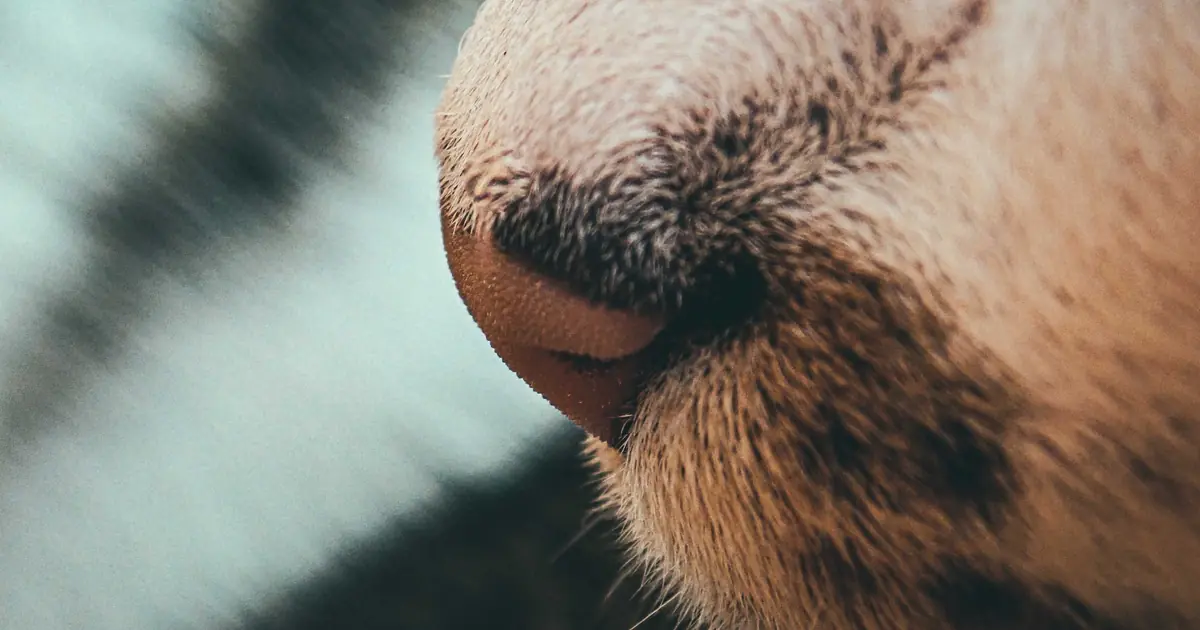
You lean in for a nose boop and there it is: a dark, flaky patch sitting right on your cat’s nose. It wasn’t there yesterday, or maybe it’s been building up slowly for a week. Either way, your brain jumps straight to the worst case.
Take a breath. Most of the time, black crust on a cat’s nose is nothing more than dried gunk, the same way a scraped knee scabs over on you. But because a nose lesion can occasionally point to something more serious, it’s worth knowing exactly what you’re looking at, what’s harmless, and what actually needs a vet visit.
- Black crust on a cat’s nose is most often dried nasal discharge, oxidized blood, or trapped dust and litter dirt.
- Dark red-black crust usually points to old, dried blood, while yellow or greenish crust usually points to infection.
- White and light-pink-nosed cats are more prone to sunburn and, over time, to squamous cell carcinoma, a skin cancer that starts as a scab that won’t heal.
- A small crust that wipes off with a warm damp cloth and doesn’t come back is rarely a concern.
- Crust that persists past a week, grows, bleeds, or comes with sneezing or appetite loss needs a veterinary exam.
What Is the Black Crust on a Cat’s Nose?
Black crust on a cat’s nose is dried material sitting on top of the skin, usually made of old nasal discharge, dried blood, or plain dirt and dust that got trapped in the moisture on your cat’s nose. Cat noses are naturally a little damp, and that dampness acts like glue for anything floating in the air. When that mix dries out, it darkens and hardens into a crust or scab.
The color comes from oxidation. Blood turns from red to reddish-brown to black as it dries and is exposed to air, the same reason a scab on your own skin darkens over a few days. Mucus does something similar when it dries and picks up dust or litter particles along the way.
What Causes Black Crust on a Cat’s Nose?
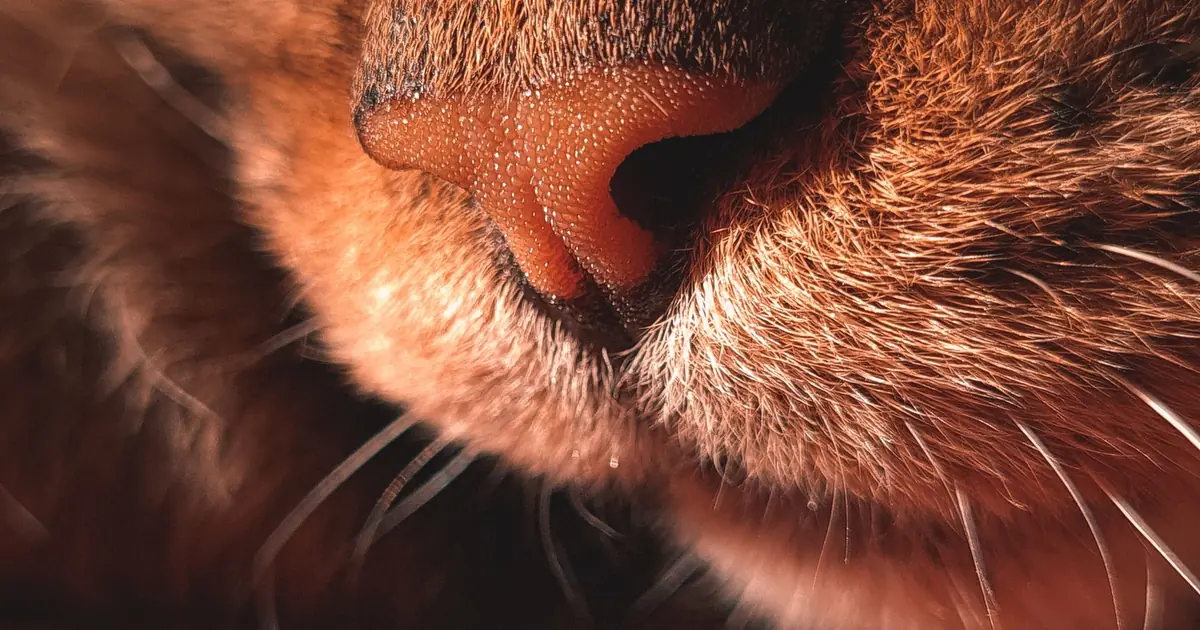
A handful of everyday causes account for most cases of nose crust in cats, ranging from completely harmless to worth a vet visit.
- Upper respiratory infection: A cold-like infection causes nasal discharge that dries into crust around the nostrils. If your cat also has a runny nose or has been sneezing more than usual, this is the most likely cause.
- Allergies and irritants: Dust, pollen, strong candles, or scented litter can irritate the nasal lining, leading to extra discharge that dries dark.
- Dried blood from sneezing or scratching: A hard sneeze, a scuffle with the water bowl, or a cat rubbing an itchy nose against furniture can cause tiny scratches that bleed just a little and dry into a dark crust.
- Feline acne that spreads to the nose: Feline acne usually shows up as blackheads and crusty bumps on the chin, but it can sometimes extend up onto the bridge of the nose. Check out how to get rid of cat acne for a full rundown of causes and care.
- Sunburn and healing scabs: Cats with white or light pink noses can get sunburned, especially if they like to nap in a sunny window. According to the Merck Veterinary Manual, repeated sun exposure on unpigmented noses can eventually lead to skin damage, so a scabby, sun-exposed nose deserves attention over time, not just a one-off shrug.
- Everyday dirt and litter dust: Some litters kick up fine dust every time your cat digs. That dust settles on the damp nose, mixes with natural moisture, and dries into a dark crust that usually wipes right off.
Is a Black Crusty Nose Normal for Cats?
A small, occasional crust that wipes away easily and doesn’t come back is usually normal and not something to worry about. Cat noses go through a natural cycle of dry and damp throughout the day, and a little dried gunk from grooming, dust, or sleep is common, similar to the crust you might find in the corner of your own eyes some mornings.
What isn’t normal is crust that keeps reappearing in the same spot, grows larger over days or weeks, or comes back within hours of being cleaned off. A dry nose on its own is also usually harmless (cats’ noses are dry and warm at times throughout the day, not just when they’re sick), but if you want more on that specific topic, see why your cat’s nose is dry.
What Do the Crust’s Color and Texture Tell You?
The color and texture of the crust give you real clues about what caused it, before you even get to the vet. Here’s a quick way to read it.
| Appearance | Likely Cause | Urgency |
|---|---|---|
| Dark reddish-black, flaky, small | Dried, old blood from a minor scratch or scab | Low, monitor and keep clean |
| Black, gritty, wipes off easily | Dust, litter, or dirt trapped in nasal moisture | Low, clean regularly |
| Yellow or greenish, sticky | Bacterial or viral upper respiratory infection | Moderate, see a vet within a few days |
| Dark crust with blackheads on chin and nose bridge | Feline acne | Low to moderate, treatable at home in mild cases |
| Pink or raw skin under crust, on a white or light-colored nose | Sunburn | Moderate, keep out of direct sun and monitor |
| Thick, raised, ulcerated, won’t heal after 2 to 3 weeks | Possible skin lesion or squamous cell carcinoma | High, see a vet promptly |
When Is Nose Crust on a Cat a Red Flag?
Nose crust becomes a red flag when it persists longer than a week or two, keeps growing, bleeds on its own, ulcerates, or shows up alongside sneezing, nasal congestion, or a drop in appetite. Any of those signs mean it’s time to stop watching and start calling your vet.
This matters most in older cats, and especially in white or light-nosed cats. A crust or scab on the nose that won’t heal, especially one that looks raw, thickened, or ulcerated underneath, can be an early sign of squamous cell carcinoma, a skin cancer that’s more common on sun-exposed, unpigmented skin. It’s not the most likely explanation for a crusty nose, but it’s exactly the kind of thing you don’t want to wait out. If your cat is also hiding and not eating, treat that as an added reason to get seen sooner rather than later.
How Do You Safely Clean Crust Off a Cat’s Nose?
Clean nose crust with nothing more than a warm, damp, soft cloth held gently against the area for 20 to 30 seconds to soften it before wiping. That’s it. No products, no scrubbing, no picking.
- Wet a clean, soft cloth or cotton pad with warm (not hot) water.
- Hold it gently against the crust for 20 to 30 seconds to let it soften.
- Wipe in one gentle motion, following the direction the fur grows.
- Stop immediately if your cat pulls away or the area looks like it’s bleeding or raw underneath.
- Repeat once daily if the crust keeps returning, and call your vet if it doesn’t improve within a few days.
Never pick, scratch, or peel a crust off with your fingers or a nail. Picking can reopen a healing scab, introduce bacteria, and delay healing. Skip human products too: no hydrogen peroxide, no rubbing alcohol, no human acne creams, no essential oils. These can burn sensitive nose skin and some are toxic to cats if licked off.
When Should You Take Your Cat to the Vet?
Take your cat to the vet if the crust lasts longer than 7 to 10 days, keeps coming back, grows in size, bleeds without an obvious cause, or looks ulcerated or raw underneath. Also get seen promptly if the crust shows up along with sneezing, thick nasal discharge, watery eyes, lethargy, or a cat that’s suddenly not interested in food.
This article is meant to help you understand what you’re looking at, not to replace a hands-on exam. A vet can look closely at the nose, check for signs of infection, allergy, or a growth, and run tests if needed. According to VCA Animal Hospitals, upper respiratory infections are highly contagious between cats, so a vet visit also helps protect any other cats in your home. Never medicate a nose lesion with anything from your own medicine cabinet, and never delay care for a crust that isn’t healing, since catching a skin lesion early makes treatment far simpler.
Frequently Asked Questions
Q: Is black crust on a cat’s nose always a sign of illness?
No. A small amount of black crust is often just dried nasal discharge, dust, or dried blood from a minor scratch, and it usually wipes away with a warm damp cloth. It only becomes a concern when it persists, grows, or comes with other symptoms like sneezing or appetite loss.
Q: Why does my white cat keep getting black scabs on her nose?
White and light-pink-nosed cats lack the pigment that protects skin from UV light, so they’re more prone to sunburn on the nose, which can scab as it heals. Repeated sun damage over time is also the main risk factor for squamous cell carcinoma, a skin cancer that starts as a non-healing scab, so any scab on a white cat’s nose that doesn’t clear up in a couple of weeks deserves a vet check.
Q: Can I just pick the crust off my cat’s nose?
No, never pick or peel crust off with your fingers. Picking can reopen the skin, introduce bacteria, and slow down healing. Soften it first with a warm damp cloth and let it come off on its own.
Q: Why is there dried blood on my cat’s nose?
Dried blood on a cat’s nose usually comes from a small scratch, a hard sneeze, or minor irritation from rubbing an itchy nose against furniture or carpet. It dries from red to dark reddish-black within a day or two, which is why it can look alarming even when the original injury was tiny.
Q: Does black crust mean my cat has feline herpesvirus?
Not necessarily. Feline herpesvirus is one of the two viruses behind most feline upper respiratory infections, and it can cause nasal discharge that dries into crust, but so can bacterial infections, allergies, and simple dust buildup. Sneezing, watery eyes, and congestion alongside the crust point more strongly toward an infection than crust alone.
Q: Can allergies cause crust on a cat’s nose?
Yes. Allergens like dust, pollen, certain litters, and strong fragrances can irritate a cat’s nasal lining, leading to extra clear discharge that dries into a dark crust around the nostrils. Switching to a low-dust, unscented litter often helps if this seems to be the trigger.
Q: How long should it take for nose crust to heal in a cat?
Minor crust from dust or a small scratch usually clears up within a few days of gentle cleaning and doesn’t return. If crust is still present, growing, or coming back after 7 to 10 days, that’s the point to schedule a vet visit rather than keep waiting.

Hello and welcome to The Ideal Cat!
We are some passionate cat owners from different professions. We love our cats and have a lot of experience in how to care for our pets. We are incredibly excited to share our knowledge, experience, and research with you. So you can take good care of your loving cat. We will answer most of the common questions about owning cats, taking care of them, etc. If you have any question contact with us. Thanks for visiting! Enjoy the content.
