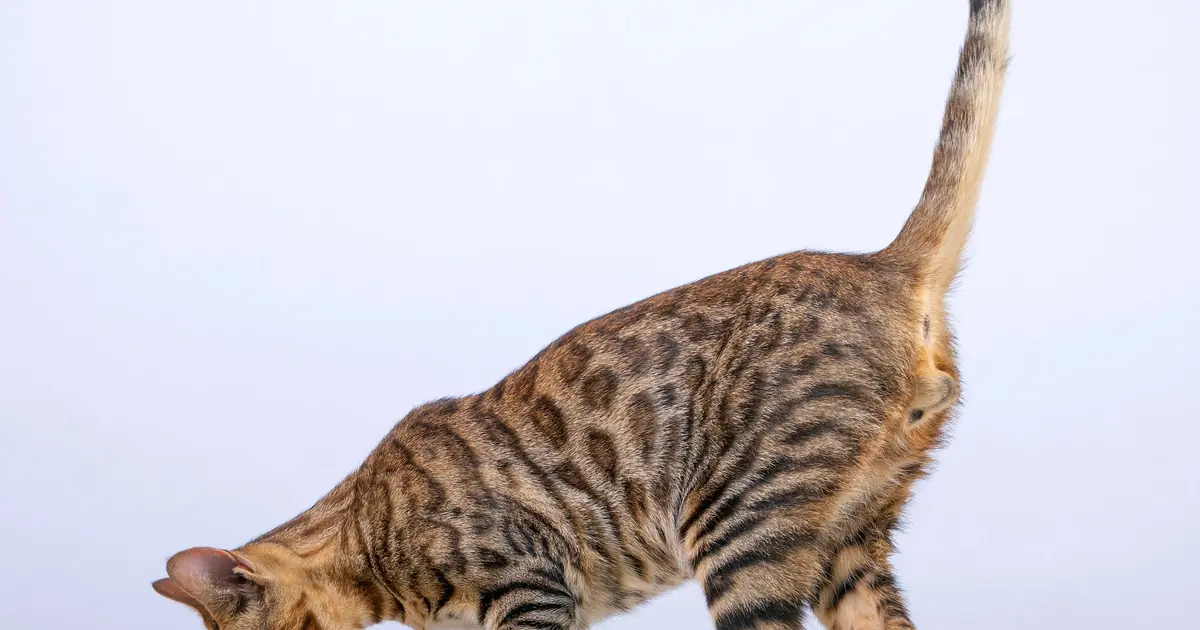
If you’ve ever run your hand down a Bengal’s back and thought, “wait, where’s all the fur,” you’re not imagining things. Bengals feel more like a sleek little wildcat than a fluffball, and that’s not an accident. Their coat was bred to look and feel exactly like that.
Here’s the thing though: low-shedding doesn’t mean zero-shedding. Bengal cats still shed, they just do it in a way that’s a lot easier to live with than, say, a Maine Coon leaving tumbleweeds of fur across your couch. Let’s get into exactly how much Bengals shed, why their coat behaves this way, and what to do if you ever notice something off.
- Bengal cats shed year-round, but noticeably less than most domestic breeds because of their short, single-layer, pelt-like coat.
- Bengals lack the thick undercoat that causes heavy seasonal shedding in double-coated breeds like Maine Coons and Persians.
- No cat breed is truly hypoallergenic, including Bengals. Cat allergies come mainly from a protein called Fel d 1 in saliva and skin, not from hair itself.
- Bengals typically need brushing just once a week, far less than long-haired or double-coated breeds.
- Sudden heavy shedding, bald patches, or excessive licking in a Bengal can signal stress, allergies, or a skin condition that’s worth a vet visit.
Do Bengal Cats Shed?
Yes, Bengal cats shed, but only lightly compared to most other breeds. Every cat sheds to some degree, it’s just part of the normal hair growth cycle. Bengals shed less noticeably because their coat is short, single-layered, and lies close to the body instead of forming thick clumps of loose fur.
You’ll still find the occasional hair on dark furniture or clothing, especially if you have a light-colored couch and a spotted Bengal. But you won’t be pulling fur tumbleweeds out from under the sofa every week. Most Bengal owners describe the shedding as “barely noticeable,” which is a big reason this breed is popular with people who want a striking, wild-looking cat without a ton of coat maintenance.
Why Do Bengal Cats Shed So Little?
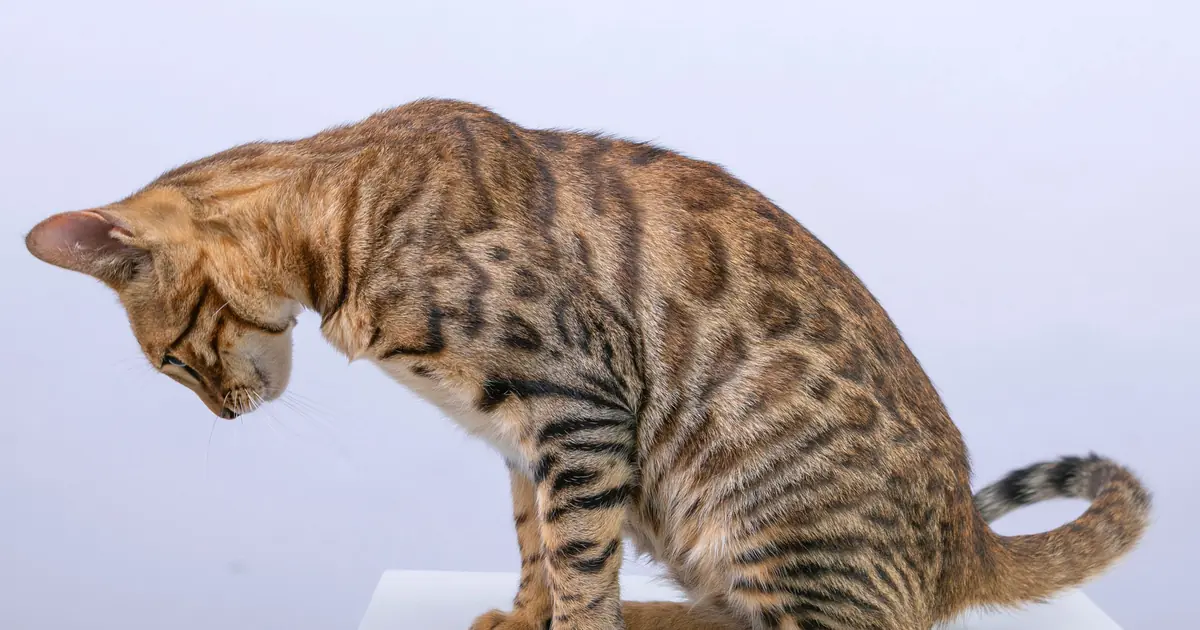
Bengal cats shed so little mainly because of their coat structure. They have a short, dense, single coat without the thick, insulating undercoat that many other breeds carry. That undercoat is exactly what causes the heavy seasonal blowouts you see in breeds like Maine Coons, Ragdolls, or Siberians.
Bengal fur also has a distinctive texture, sometimes called “pelted,” that feels closer to a fine pelt than typical cat fur. It’s fine, tight against the skin, and often has a slight sheen thanks to a trait called glitter, which some Bengals carry. That silky texture doesn’t hold onto loose hair the way a thicker coat does, so dead hairs fall out and get shed away quickly instead of building up.
Bengals are also thorough, almost obsessive groomers. Cats in general spend a huge chunk of the day cleaning themselves. Bengals put that time to good use, catching loose hairs with their tongue before they ever hit your floor. Less undercoat plus more grooming equals a lot less visible shedding.
Do Bengal Cats Shed Seasonally?
Yes, Bengal cats do shed a bit more during seasonal coat transitions, typically in spring and fall. This is a normal process called “blowing coat,” where cats adjust their fur for the coming season. Because Bengals don’t have a heavy undercoat to shed out, this seasonal increase is much milder than what you’d see in a double-coated breed.
Indoor cats living under consistent artificial lighting and steady indoor temperatures sometimes shed a little more evenly throughout the year instead of in two big seasonal waves. Either way, expect a slight uptick in loose hair a couple times a year, not a dramatic coat blowout.
Are Bengal Cats Hypoallergenic?
No, Bengal cats are not hypoallergenic, and no cat breed truly is. Cat allergies are usually triggered by a protein called Fel d 1, found in a cat’s saliva, skin glands, and urine, not by the hair itself. Since hair carries dried saliva and dander around your home, less shedding can mean somewhat less allergen spread, but it doesn’t eliminate the allergy trigger.
According to the American Academy of Allergy, Asthma & Immunology, Fel d 1 production varies by individual cat, not by breed, and some people report reacting less to Bengals anecdotally. But there’s no solid scientific evidence that Bengals produce meaningfully less Fel d 1 than other cats. If you have a real cat allergy, spend real time with a Bengal before bringing one home, and don’t assume the breed’s low shedding will solve the problem on its own.
Curious which breeds actually come closest to allergy-friendly? Our guide to cat breeds considered hypoallergenic breaks down what “low allergen” really means and which cats tend to trigger fewer reactions.
How Much Grooming Does a Bengal Cat Need?
Bengal cats need very little grooming, usually just one brushing session a week. Their short, dense coat doesn’t mat or tangle the way longer fur does, and their fine texture sheds loose hairs quickly rather than trapping them.
A quick weekly brush with a soft rubber curry brush or grooming glove is plenty for most Bengals. It removes loose hair before it ends up on your clothes, feels like a nice massage to most cats, and gives you a regular chance to check their skin and coat for anything unusual. If you’re building out a grooming kit or dealing with a Bengal that sheds more than expected, our roundup of the best cat shedding brushes covers tools that work well on short coats like a Bengal’s.
How Do You Manage a Bengal Cat’s Light Shedding?
You can manage a Bengal’s shedding with a weekly brush, a good diet, and regular hydration. Since Bengals already shed lightly, small habits go a long way toward keeping loose hair to an absolute minimum.
- Brush weekly: A rubber grooming mitt or short-bristle brush lifts away dead hair before it lands on your furniture.
- Feed a quality diet: A diet with balanced omega-3 and omega-6 fatty acids supports healthy skin and a shinier, less brittle coat.
- Keep water flowing: Well-hydrated cats tend to have healthier skin, which supports normal, manageable shedding.
- Vacuum and lint-roll regularly: Even light shedders leave a few hairs behind, so a quick pass over furniture keeps things tidy.
- Watch for seasonal upticks: Add an extra brushing session or two during spring and fall coat changes.
Want the full picture on living with this breed, from personality to exercise needs? Check out our complete Bengal cat guide for everything beyond just the coat.
Bengal Cats vs a Heavy-Shedding Breed: What’s the Difference?
Bengal cats shed far less than heavy-shedding breeds like the Maine Coon mainly because they lack a thick undercoat. Here’s how the two compare side by side.
| Trait | Bengal Cat | Maine Coon (heavy shedder) |
|---|---|---|
| Coat type | Short, single-layer, pelt-like | Long, double-layered with thick undercoat |
| Shedding level | Low, year-round | Heavy, especially during seasonal blowouts |
| Grooming needs | Brush once a week | Brush 3 to 4 times a week, daily during shedding season |
| Matting risk | Very low | Moderate to high without regular grooming |
| Best for | Owners who want minimal fur cleanup | Owners who enjoy grooming rituals and don’t mind loose hair |
If your current cat is leaving way more hair around than you bargained for, our article on why cats shed so much walks through the most common causes, from seasonal changes to diet and stress.
When Does Bengal Cat Shedding Signal a Health Problem?
Sudden heavy shedding, bald patches, or constant licking in a Bengal cat can signal an underlying health issue, not normal coat maintenance. Since Bengals are naturally light shedders, any noticeable change in their coat is worth paying attention to.
Watch for these red flags:
- Bald or thinning patches, especially on the belly, legs, or tail
- Excessive licking, chewing, or scratching in one spot
- Flaky, red, or irritated skin under the coat
- A dull, greasy, or brittle-looking coat
- Shedding that suddenly increases outside the normal spring and fall pattern
These signs can point to stress, food allergies, fleas, hormonal issues, or a skin condition. According to the VCA Animal Hospitals, hair loss in cats has a wide range of causes and is worth a proper diagnosis rather than guesswork. This article is educational, so please treat it that way: if your Bengal’s coat changes noticeably, book a visit with your vet instead of waiting it out.
Frequently Asked Questions
Q: Do Bengal cats shed a lot?
No, Bengal cats do not shed a lot. Their short, dense, pelt-like coat sheds far less than double-coated breeds like Maine Coons or Persians, making Bengals one of the lighter-shedding cat breeds.
Q: Are Bengal cats good for people with allergies?
Bengal cats are not hypoallergenic, but their low shedding may spread a bit less dander and dried saliva around the home compared to heavier-shedding breeds. People with real cat allergies should still spend time around a Bengal before adopting one.
Q: How often should you brush a Bengal cat?
Brushing a Bengal cat once a week is usually enough. Their short, single-layer coat doesn’t mat, and a weekly session with a soft grooming brush removes loose hair before it ends up on furniture.
Q: Do Bengal cats have an undercoat?
No, Bengal cats do not have a thick undercoat like double-coated breeds. Their coat is a single, short layer, which is the main reason Bengals shed so much less than breeds with a dense insulating undercoat.
Q: Why does my Bengal cat’s coat feel different from other cats?
Many Bengals have a coat texture breeders call “pelted,” which feels finer and silkier than typical cat fur. Some Bengals also carry a trait called glitter, giving individual hairs a slight iridescent shine in the light.
Q: Do Bengal cats shed more in summer or winter?
Bengal cats typically shed slightly more during spring and fall as their coat transitions between seasons. Indoor Bengals living under stable temperatures and lighting sometimes shed more evenly year-round instead of in two distinct seasonal waves.
Q: Can diet affect how much a Bengal cat sheds?
Yes, diet can affect shedding in Bengal cats. A diet with balanced omega-3 and omega-6 fatty acids supports healthy skin and a stronger coat, while poor nutrition can lead to a dull coat and increased shedding.
Q: When should I worry about my Bengal cat’s shedding?
You should worry if your Bengal suddenly sheds far more than usual, develops bald patches, or shows red or flaky skin underneath the coat. These signs can point to stress, allergies, fleas, or a skin condition and are worth a veterinary visit.

Hello and welcome to The Ideal Cat!
We are some passionate cat owners from different professions. We love our cats and have a lot of experience in how to care for our pets. We are incredibly excited to share our knowledge, experience, and research with you. So you can take good care of your loving cat. We will answer most of the common questions about owning cats, taking care of them, etc. If you have any question contact with us. Thanks for visiting! Enjoy the content.
