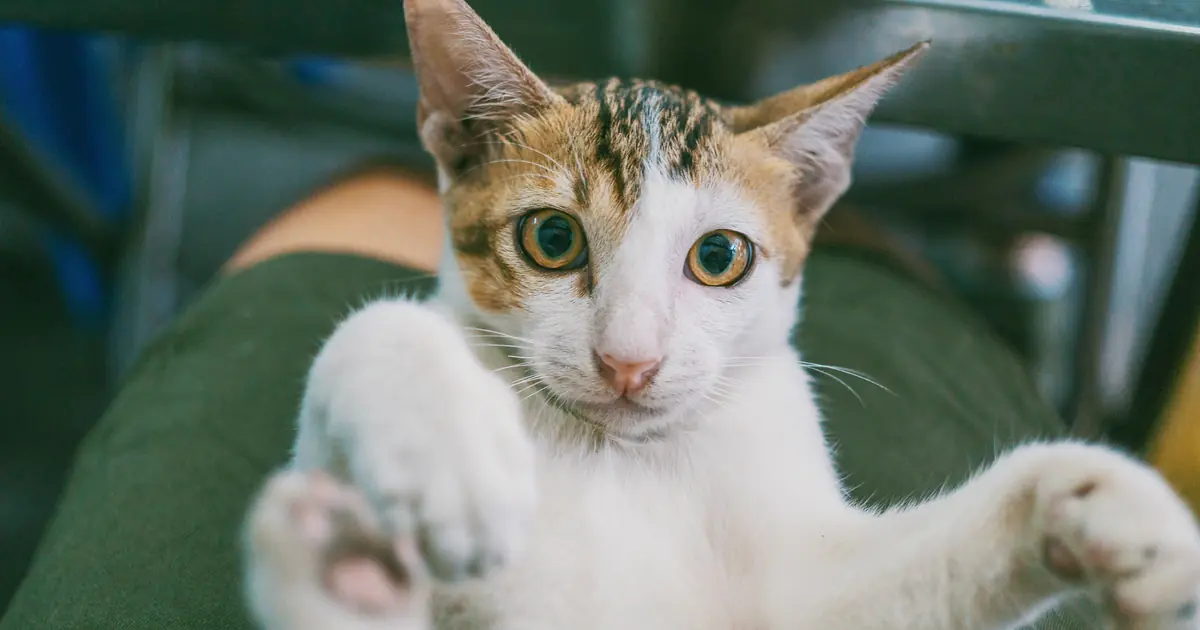
There is nothing quite like the warm, sinking realization that your cat just peed on you. Maybe you were mid-nap on the couch, cat curled on your chest, and suddenly you’re both soaked. Your first thought is probably “why me?”
Here’s the thing: cats can’t actually feel spite the way people do. When a cat pees on a person, something specific is going on, usually a medical issue or a stress response, not a grudge. Let’s go through what’s really happening and what to do about it.
- Cats don’t pee on people out of revenge; feline behavior experts agree cats aren’t capable of that kind of calculated spite.
- Medical causes, including urinary tract infections, bladder inflammation (cystitis), and bladder stones, are among the top reasons a cat suddenly urinates on a person.
- A urinary blockage is a true emergency in male cats and can become fatal within 24 to 48 hours without treatment, according to veterinary emergency sources.
- Stress-triggered bladder inflammation, called feline idiopathic cystitis, is one of the most common urinary problems vets see in cats under 10 years old.
- Any repeated incident of a cat peeing on a person calls for a vet visit before you assume it’s a behavior problem.
Why Did My Cat Pee on Me?
A cat pees on a person for one of five main reasons: an underlying medical problem, stress or anxiety, sudden fear that caused a loss of bladder control, a litter box the cat is avoiding, or your scent feeling like the calmest, safest place around. It is almost never about anger or getting back at you.
Cats don’t reason the way we do. They can’t plan a payback pee for being left alone or taken to the vet. What looks like “revenge” is usually a cat whose bladder gave out from stress, pain, or fear, and you simply happened to be underneath them when it did. Once you understand that, the mystery gets a lot less personal and a lot more solvable.
Could a Medical Problem Be Why My Cat Peed on Me?
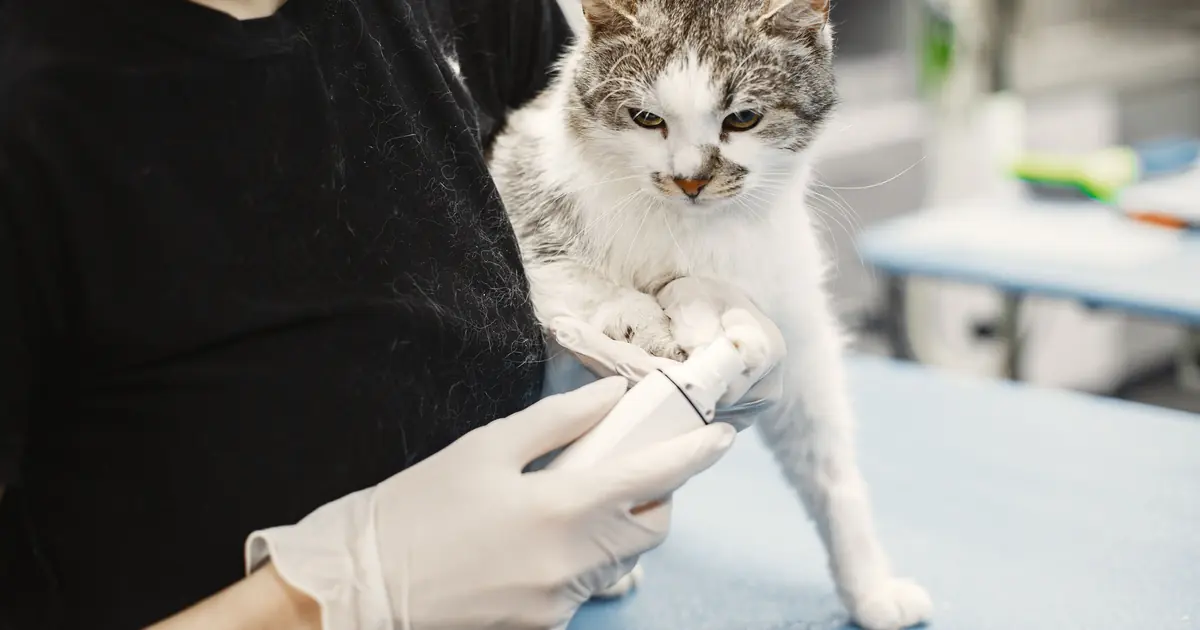
Yes, and this should be your first suspect. Urinary tract infections, bladder stones, and kidney disease can all make a cat lose bladder control without warning, sometimes right on your lap.
Feline lower urinary tract disease, or FLUTD, is an umbrella term for conditions affecting the bladder and urethra. Cats with FLUTD feel constant urgency, and that urgency can hit while they’re sitting on you. The Cornell Feline Health Center notes FLUTD covers infections, stones, and a stress-linked condition called feline idiopathic cystitis, where inflammation is tied to stress hormones rather than bacteria.
Older cats, especially those over 10, are more likely to develop kidney disease, which increases thirst and urine volume. Male cats face an added risk since their narrower urethra can get blocked by crystals or inflammation, a genuine emergency we’ll cover below. If your cat has ever peed blood, call your vet the same day.
Is Stress or Anxiety Behind My Cat Peeing on Me?
Stress is one of the biggest drivers of unexpected urination in cats, and it can absolutely make a cat pee on the person nearby. A new pet, a houseguest, a moving day, or even rearranged furniture can be enough to trigger it.
Cats are creatures of routine. When their environment feels unpredictable, stress hormones climb and can inflame the bladder lining, a condition vets call feline idiopathic cystitis. A stressed bladder doesn’t always give much notice before it lets go, and you may just be the closest, calmest surface when the urge hits. If your cat has been hiding or acting jumpy lately, check the broader signs of stress in cats so you can catch it early next time.
Did Fear Make My Cat Lose Control and Pee on Me?
Yes, sudden fear can make a cat lose bladder control completely, which is different from ordinary stress. Think fireworks, a slammed door, or another animal charging into the room. The fight-or-flight response can override bladder control in an instant.
This is an involuntary reflex, not a decision, the same way a person might jump and drop what they’re holding. If your cat was in your arms during a scary moment and peed, that’s very likely what happened. Read more on why cats pee when scared if this keeps happening, since repeat fear accidents often point to an anxiety pattern.
Could a Litter Box Problem or My Scent Be the Reason?
Both are possible, and they often overlap. A cat avoiding a dirty or uncomfortable litter box may look for the next best option, and a person sitting nearby can become that option. Separately, some anxious cats are drawn to their favorite person’s scent, and peeing on you (however unwelcome) can be their odd way of seeking comfort.
Litter box aversion is genuinely common. Cats are picky about box cleanliness, size, and location, and a box that’s too dirty or too small can push a cat to eliminate anywhere else, including on you. The general rule vets recommend is one litter box per cat plus one extra. Our guide on why your cat isn’t using the litter box walks through the fixes, and if accidents are happening on furniture too, see why a cat pees everywhere for the bigger picture.
What Should I Do After My Cat Pees on Me?
Start with a vet visit, not a behavior fix. Medical problems are the most common cause, so ruling those out first saves you from guessing wrong. Once your vet clears a medical cause, work on the environment.
- Book a vet visit. A urinalysis can catch a urinary tract infection, crystals, or early kidney changes fast.
- Clean with an enzyme cleaner. Regular soap won’t break down uric acid, and lingering odor invites repeat accidents.
- Check the litter box setup. Scoop twice a day, keep one box per cat plus one spare, and place boxes in quiet spots.
- Reduce obvious stressors. Keep routines consistent and introduce new pets or people slowly.
- Never punish your cat for it. Scolding after the fact only adds fear, per the ASPCA, and makes stress-related urination worse.
| Possible Reason | Other Signs to Watch For | What to Do |
|---|---|---|
| Urinary tract infection or cystitis | Straining, small frequent urinations, crying, blood in urine | See a vet within a day or two |
| Urethral blockage (mostly male cats) | Repeated trips to the box, little or no urine, hard belly, lethargy | Emergency vet visit now |
| Stress or feline idiopathic cystitis | Hiding, over-grooming, recent household changes | Reduce stressors, ask your vet about support |
| Sudden fear or a startle | One-time accident tied to a loud noise or scare | Comfort calmly, watch for a pattern |
| Litter box aversion | Peeing near the box but not in it | Clean, add boxes, try a quieter spot |
| Kidney disease (often older cats) | Increased thirst, weight loss, more urination | Vet exam with bloodwork and a urine test |
When Is a Cat Peeing on Me a Vet Emergency?
It’s an emergency if your cat is straining to urinate with little or no output, crying out, has blood in the urine, or seems lethargic and won’t eat. These are signs of a possible urinary blockage, which is most common in male cats and can turn fatal within 24 to 48 hours without treatment.
A blocked urethra means urine can’t leave the body, and toxins build up in the bloodstream fast. This is not a “wait and see” situation. If your cat is repeatedly squatting with barely any urine coming out, get to a vet or emergency animal hospital right away. According to International Cat Care, cats treated promptly for this condition have a high survival rate, so acting fast makes the difference.
This article is for general education and isn’t a substitute for veterinary care. If your cat is peeing on you repeatedly, straining, passing blood, or showing any signs listed above, please have them examined by a licensed veterinarian. Urinary blockage in male cats is a life-threatening emergency that needs immediate treatment.
Frequently Asked Questions
Q: Is my cat peeing on me out of spite?
No. Cats can’t plan revenge the way people do. A cat peeing on you is almost always tied to a medical issue, stress, fear, or a litter box problem.
Q: Why did my cat pee on me while I was sleeping?
Your warmth and stillness make you a low-threat spot, exactly where a stressed or sick bladder is most likely to let go without warning.
Q: Why did my cat pee on me right after I picked her up?
Sudden handling can startle a cat into an involuntary release, or being held may have put pressure on an already inflamed, painful bladder.
Q: Could my male cat’s urine on me be a medical emergency?
Yes. Male cats have a narrower urethra and higher blockage risk, which can turn fatal within 24 to 48 hours untreated. Straining with little urine means call a vet now.
Q: How do I stop my cat from peeing on me again?
Start with a vet visit to rule out infection or crystals, the most common cause. Then clean thoroughly with an enzyme cleaner, keep the litter box spotless, and reduce stress at home.
Q: Should I punish my cat for peeing on me?
No. Cats don’t connect a scolding to something that already happened, and punishment only adds fear, which makes stress-related accidents worse.
Q: Does peeing on me mean my cat loves me?
Not exactly. Cats tend to pick the person or spot that feels safest when their bladder is under stress, so it says more about trust than affection.
Q: My cat only pees on me, never anywhere else in the house. What does that mean?
This usually points to a trigger tied specifically to being held or sitting close to you, such as a startled reflex or a bladder that flares up during handling. A vet visit still rules out a physical cause first.

Hello and welcome to The Ideal Cat!
We are some passionate cat owners from different professions. We love our cats and have a lot of experience in how to care for our pets. We are incredibly excited to share our knowledge, experience, and research with you. So you can take good care of your loving cat. We will answer most of the common questions about owning cats, taking care of them, etc. If you have any question contact with us. Thanks for visiting! Enjoy the content.
)