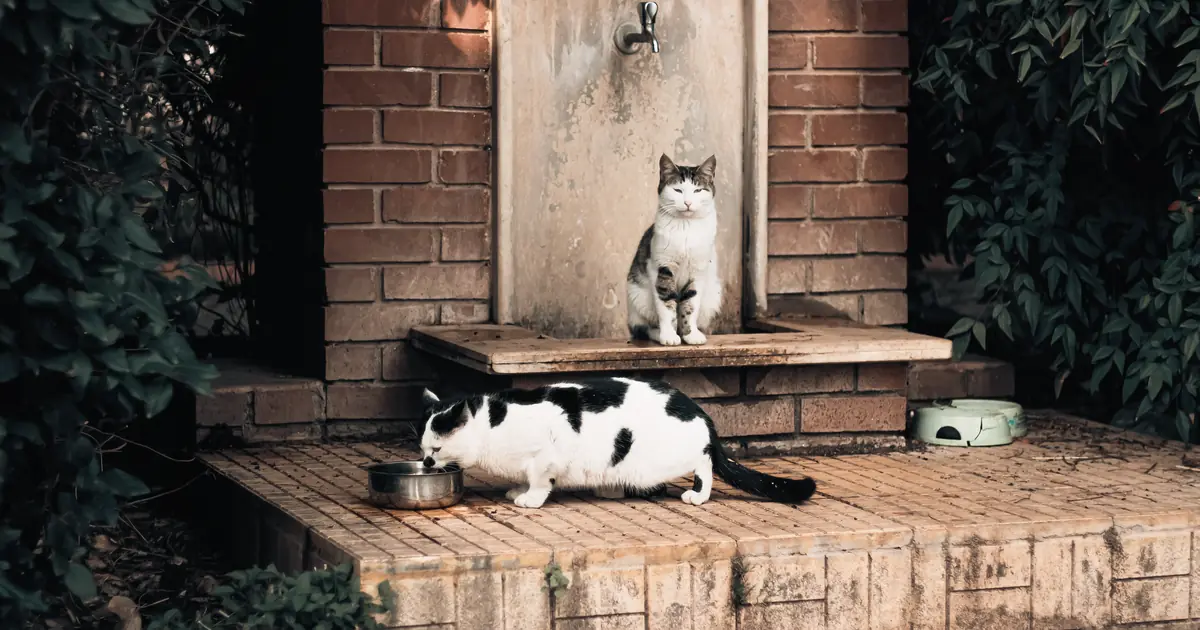
You fill the water bowl, and your cat barely touches it. Sound familiar? If you have ever wondered how long a cat can go without water before it becomes a real problem, you are asking exactly the right question. The honest answer is shorter than most people think, and the warning signs show up well before the danger zone.
Here is the thing: cats are descended from desert animals, so they are built to get by on less water than dogs. That does not mean they can skip it. A cat going without water for even a day is already heading toward dehydration. Let’s walk through what is normal, what is risky, and exactly when to pick up the phone.
- A cat can survive only about 2 to 3 days without any water, and signs of dehydration often appear within 24 hours.
- A healthy cat needs roughly 3.5 to 4.5 ounces of water per 5 pounds of body weight per day, so a 10-pound cat needs about one cup daily.
- Cats on wet food drink far less from the bowl because canned food is up to 80 percent water.
- The skin tent test, tacky gums, sunken eyes, and lethargy are early signs a cat is dehydrated.
- A cat that stops both eating and drinking is an emergency, because fatty liver disease (hepatic lipidosis) can begin within a few days.
This article is educational and not a substitute for veterinary care. A cat that is not drinking can become seriously ill fast, so when in doubt, call your veterinarian.
How long can a cat go without water?
A cat can go without water for only about 2 to 3 days before its life is at risk. That is the outer limit for a healthy adult cat, not a safe window. Long before those 3 days are up, dehydration starts stressing the kidneys and other organs, and damage can become permanent.
Signs of dehydration in a cat usually appear within the first 24 hours without water. So while the survival number sounds like a few days, the trouble starts on day one. Kittens, senior cats, and cats with existing health problems decline even faster.
Think of it this way: 24 hours without water means “call the vet,” and 48 hours means “this is an emergency.” Do not wait to see if your cat snaps out of it.
How much water does a cat need each day?
A healthy cat needs roughly 3.5 to 4.5 ounces of water per 5 pounds of body weight per day, which works out to about 50 to 60 milliliters per 5 pounds. According to the Cornell Feline Health Center, an average 10-pound cat should take in about one cup (8 ounces) of water daily.
Here is the part that confuses a lot of cat parents: that total includes water from food. Cats on canned or wet food get a big share of their hydration from the food itself, so they drink much less from the bowl. Cats on dry food have to make up almost all of it by drinking, and a stainless steel fountain tends to get them doing more of it than a still bowl.
| Cat body weight | Approx. total daily water need | In milliliters |
|---|---|---|
| 5 lb | About 3.5 to 4.5 oz | ~50 to 60 ml |
| 8 lb | About 6 to 7 oz | ~80 to 95 ml |
| 10 lb | About 1 cup (8 oz) | ~120 ml |
| 15 lb | About 10 to 12 oz | ~180 ml |
These are general guidelines. Hot weather, exercise, kidney disease, and diabetes all push a cat’s water needs higher. If you want to dial in the whole routine, our guide on walks through feeding and how it ties into hydration.
Why do cats drink so little water?
Cats drink little water because their wild ancestors were desert hunters who got most of their moisture from prey. The modern house cat kept that low thirst drive, so a cat will not always drink even when its body needs it. This is exactly why under-drinking is so common.
A few other reasons cats skip the bowl:
- They dislike the bowl’s location. Cats often avoid water placed right next to their food or litter box.
- They want fresh, moving water. Many cats prefer running water and will ignore a still, day-old bowl.
- Whisker fatigue. Deep, narrow bowls press on whiskers and put some cats off.
- They are on wet food. A cat eating canned food may simply not need much from the bowl.
The catch is that a naturally low thirst drive makes it hard to tell “my cat just doesn’t drink much” from “my cat has stopped drinking.” That is why knowing the dehydration signs matters so much.
What are the signs of dehydration in cats?
The signs of dehydration in cats include tacky or dry gums, lethargy, loss of appetite, sunken eyes, and skin that is slow to snap back. These are warning signs that a cat is not getting enough water and may need a vet.
The easiest at-home check is the skin tent test:
- Gently pinch a small fold of skin over your cat’s shoulder blades.
- Lift it slightly, then let go.
- In a well-hydrated cat, the skin snaps back almost instantly.
- If the skin stays “tented” for more than a second or two before flattening, your cat may be dehydrated.
One important caveat: the skin tent test is less reliable in senior cats and overweight cats, whose skin elasticity is naturally reduced no matter how hydrated they are. So pair it with the other signs below.
| Sign | What you might notice |
|---|---|
| Tacky or dry gums | Gums feel sticky; your finger drags instead of gliding |
| Slow skin tent | Pinched skin takes more than 1 to 2 seconds to flatten |
| Lethargy and weakness | Less playful, sleeping more, low energy |
| Sunken eyes | Eyes look set back in their sockets (a more severe sign) |
| Loss of appetite | Walking away from food, eating little or nothing |
For a deeper look at spotting these early, see our full breakdown of .
When is not drinking an emergency?
Not drinking becomes an emergency when a cat goes 24 to 48 hours without water, shows clear dehydration signs, or stops eating and drinking at the same time. Any of these calls for a same-day vet visit, not a wait-and-see approach.
The combination of not eating AND not drinking is especially dangerous. When a cat stops eating, its body starts pulling fat to the liver for energy, and a cat’s liver cannot keep up. This can trigger hepatic lipidosis (fatty liver disease), a life-threatening condition that can begin within just a few days of not eating, and even faster in overweight cats.
Call your vet now if your cat:
- Has not had any water for 24 hours or more
- Has stopped both eating and drinking
- Has a slow skin tent, sunken eyes, or very tacky gums
- Is hiding, very weak, vomiting, or has diarrhea (which speeds up fluid loss)
- Is a kitten, a senior, or has kidney disease, diabetes, or another chronic illness
Dehydration is also a common sign of underlying illness. Conditions like often show up first as a cat drinking oddly or becoming dehydrated, so a vet visit does double duty: it rehydrates your cat and finds the cause.
How can I get my cat to drink more water?
You can get a cat to drink more water by offering fresh water in multiple spots, switching some meals to wet food, and using a pet fountain to provide moving water. Small changes to where and how you serve water often make a big difference for picky drinkers.
Practical things that work:
- Add wet food. Canned food can be up to 80 percent water, so it is one of the simplest ways to boost hydration. Our guide to can help you choose.
- Use multiple water stations. Place several bowls around the home, away from food and the litter box.
- Try a pet water fountain. Many cats drink more from moving, filtered water than from a still bowl.
- Refresh water daily. Cats often refuse stale water; rinse and refill bowls every day.
- Switch the bowl. Use a wide, shallow ceramic or stainless bowl to avoid whisker pressure.
- Flavor it. A splash of tuna water or low-sodium chicken broth can tempt a reluctant drinker.
If a cat fountain sounds like a fit, the PetSafe Drinkwell Pet Fountain is one reliable option. It circulates and filters the water, which keeps it fresh and appealing to cats who prefer running water. It is a good pick for cats that walk past a still bowl but love a dripping faucet.
A quick reminder: encouraging more drinking is great prevention, but it does not replace a vet visit if your cat is already showing dehydration signs.
Frequently Asked Questions
Q: How long can a cat survive without water?
A cat can survive only about 2 to 3 days without any water, and this is the outer limit, not a safe window. Serious dehydration and organ strain begin within the first 24 hours, so a cat not drinking for a full day already needs veterinary attention.
Q: Can a cat go 24 hours without water?
A cat can physically survive 24 hours without water, but it is not safe. Signs of dehydration often appear within that first 24 hours. If your cat has not had any water in a day, treat it as a reason to call your vet, especially if it has also stopped eating.
Q: Do cats on wet food need to drink water?
Cats on wet food still need access to fresh water, but they usually drink much less from the bowl. Canned food can be up to 80 percent water, so it covers a large share of a cat’s daily hydration. Always keep clean water available regardless of diet.
Q: How do I know if my cat is dehydrated at home?
Check for tacky gums, lethargy, sunken eyes, and a slow skin tent test by gently pinching the skin over the shoulders. If it does not snap back quickly, your cat may be dehydrated. This test is less reliable in older or overweight cats, so consider all the signs together.
Q: Why has my cat suddenly stopped drinking water?
A cat that suddenly stops drinking may be sick, in pain, stressed, or put off by its water setup. Sudden changes in drinking can signal dental pain, nausea, or illness like kidney disease. Because the cause can be serious, a sudden drop in drinking warrants a vet check within 24 hours.
Q: Is it an emergency if my cat is not eating or drinking?
Yes, a cat that has stopped both eating and drinking is an emergency. Without food, a cat’s liver can develop hepatic lipidosis (fatty liver disease) within a few days, and dehydration compounds the danger. Contact your veterinarian the same day if your cat refuses both food and water.
Q: How much water should a cat drink per day?
A cat should take in roughly 3.5 to 4.5 ounces of water per 5 pounds of body weight per day, including water from food. An average 10-pound cat needs about one cup daily. Cats on dry food drink more from the bowl, while cats on wet food drink less.
Q: Can kittens go without water as long as adult cats?
No, kittens cannot go as long without water as adult cats. Kittens, along with senior cats and those with health conditions, dehydrate much faster and show signs of illness sooner. A kitten that is not drinking should see a vet promptly rather than waiting a full day.
The bottom line on how long a cat can go without water: only about 2 to 3 days at most, with real danger starting within 24 hours. Keep fresh water everywhere, lean on wet food and fountains for picky drinkers, and never wait out a cat that has stopped drinking. When something feels off, your vet is the safest next step.

Hello and welcome to The Ideal Cat!
We are some passionate cat owners from different professions. We love our cats and have a lot of experience in how to care for our pets. We are incredibly excited to share our knowledge, experience, and research with you. So you can take good care of your loving cat. We will answer most of the common questions about owning cats, taking care of them, etc. If you have any question contact with us. Thanks for visiting! Enjoy the content.
